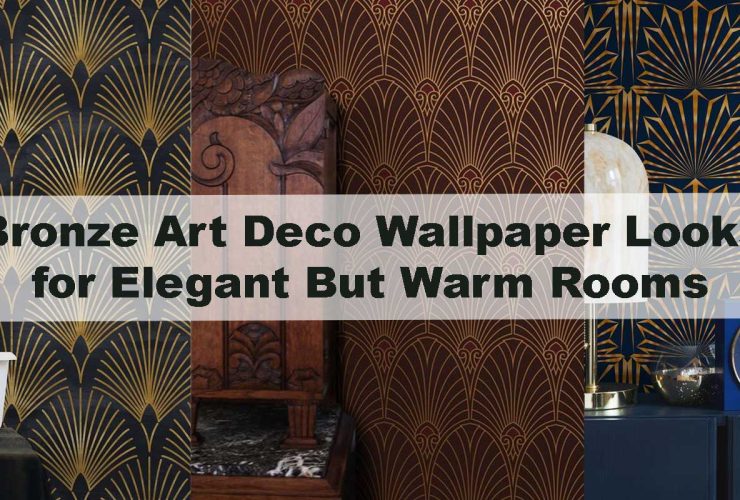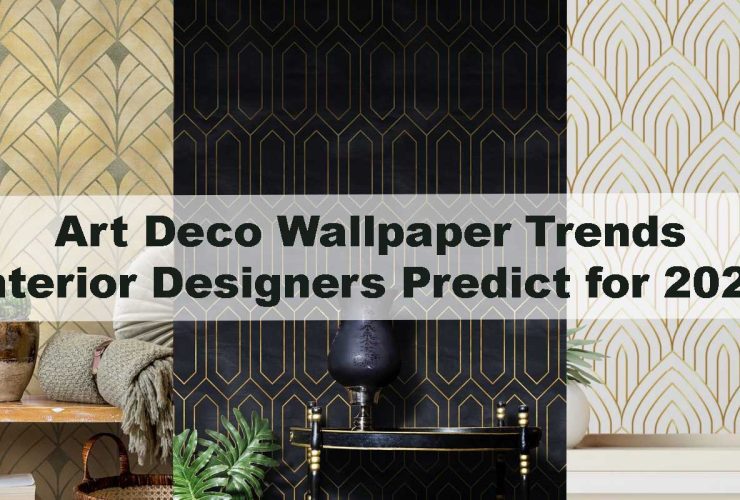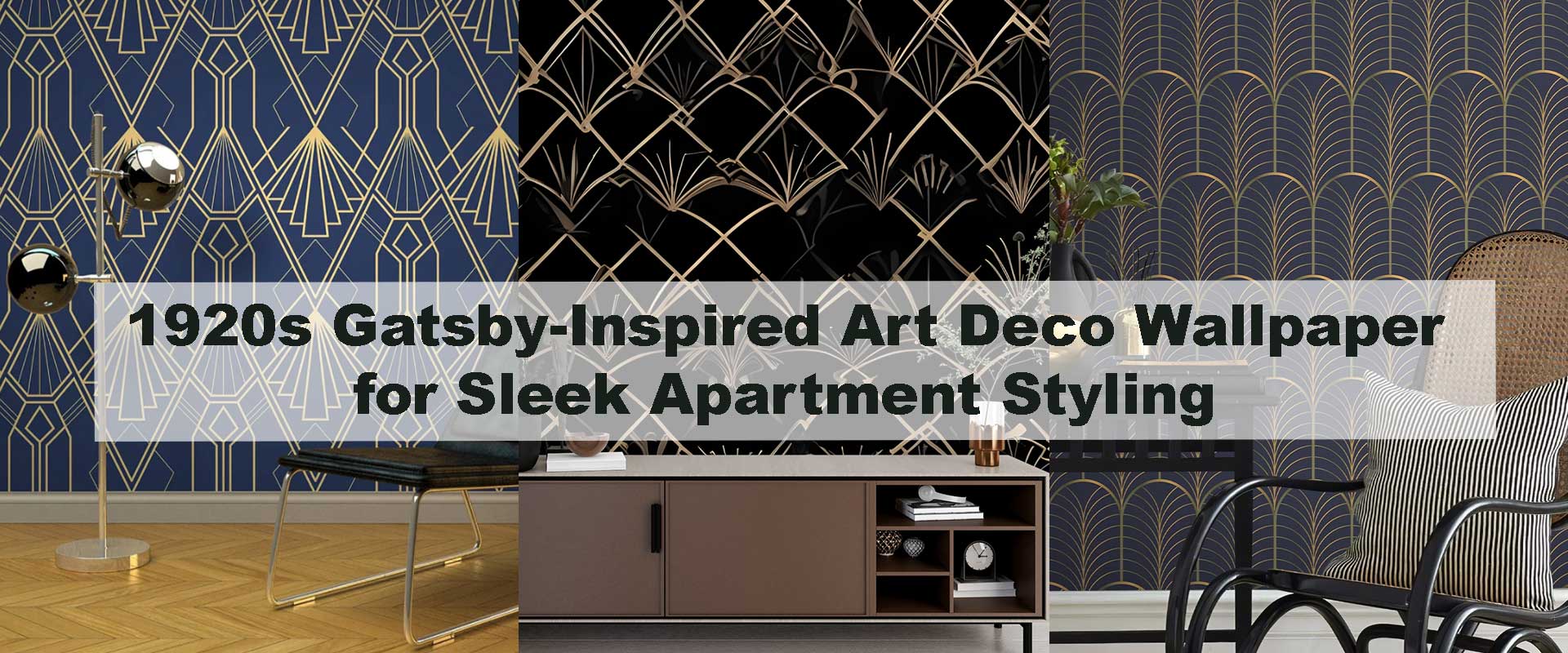
1920s Gatsby-Inspired Art Deco Wallpaper for Sleek Apartment Styling
Bold geometry, polished glamour, and unapologetic elegance—1920s Gatsby-inspired Art Deco wallpaper has become the design language of modern luxury apartments. In compact city homes where every surface matters, this iconic style delivers instant sophistication without visual clutter. Rooted in the optimism and extravagance of the Jazz Age, Art Deco translates beautifully into contemporary apartment styling, offering structure, rhythm, and depth in a way few decorative finishes can. When thoughtfully applied, Gatsby-inspired Art Deco wallpaper transforms sleek apartments into refined living spaces that feel intentional, elevated, and timeless—without sacrificing modern simplicity.
Why the 1920s Gatsby Aesthetic Fits Modern Apartments So Perfectly
Art Deco was born during a time of architectural ambition and cultural confidence. Its visual language—strong lines, symmetry, metallic accents, and stylized motifs—was designed to express progress and prestige. Today’s urban apartments, with their clean layouts and streamlined proportions, provide the ideal canvas for this aesthetic to re-emerge in a contemporary way.
In modern apartments, walls often act as both structure and storytelling elements. Gatsby-inspired Art Deco wallpaper introduces architectural rhythm where traditional décor might feel flat. Stepped patterns, fan motifs, sunbursts, and geometric repeats give walls a sense of movement while remaining disciplined and controlled. This balance allows apartments to feel curated rather than decorated, especially in open-plan living environments.
Unlike heavily ornate vintage styles, Art Deco thrives on restraint. Its luxury lies in precision rather than excess, making it perfectly suited for sleek apartment interiors where space is considered and visual clarity matters.
The Role of Art Deco Wallpaper in Defining Apartment Architecture
One of the most powerful qualities of Art Deco wallpaper is its ability to behave like architecture rather than surface decoration. In apartments that lack traditional moldings or built-in details, Deco patterns introduce structure visually.
Vertical lines subtly enhance ceiling height, while horizontal bands create grounding and balance. Repeating geometric forms bring cohesion to rooms with minimal furnishings, ensuring the space feels complete without overcrowding it. This architectural effect is why designers often rely on Art Deco Wallpaper to create focal walls that anchor entire apartments.
Rather than covering every wall, Gatsby-inspired designs work best when placed strategically—behind sofas, beds, or dining areas—where they can command attention without overwhelming the layout.
Key Design Elements of Gatsby-Inspired Art Deco Wallpaper
Geometric Precision and Symmetry
Geometry is the backbone of Art Deco design. Gatsby-era patterns favor clean symmetry, stepped forms, chevrons, arches, and repeating fan shapes. These elements bring visual order to modern apartments, especially those with open layouts.
In sleek interiors, geometry replaces ornamentation. The repetition creates rhythm, guiding the eye naturally through the space. This is why Geometric Art Deco Wallpaper remains a top choice for contemporary apartments—it adds drama without disrupting minimalist furniture arrangements.
Luxurious Materials and Metallic Accents
Gatsby style is inseparable from luxury, and metallic detailing plays a major role. Gold, brass, champagne, and bronze tones catch ambient light, adding depth and warmth to otherwise neutral interiors.
In apartments with controlled lighting, metallic Art Deco wallpaper enhances the atmosphere subtly rather than loudly. Finishes that shimmer softly in daylight and glow under evening lighting contribute to a refined, cinematic feel that echoes 1920s glamour without appearing theatrical.
Structured Color Palettes
Color in Art Deco design is deliberate. Gatsby-inspired palettes often feature deep emeralds, navy blues, charcoal blacks, ivory tones, and warm metallics. These colors feel rich yet composed, perfect for modern apartments where boldness must remain controlled.
Dark-toned designs work exceptionally well in spaces with ample natural light, while lighter Deco palettes suit compact apartments that benefit from reflective surfaces and visual openness.
Styling Gatsby-Inspired Art Deco Wallpaper in Living Areas
Living rooms in modern apartments are expected to shift effortlessly between relaxation, entertaining, and everyday life. Gatsby-inspired Art Deco wallpaper brings clarity to this multifunctional space by introducing visual structure that feels intentional rather than decorative. Its geometric discipline creates a sense of order that grounds the room, even when furnishings are minimal.
A single feature wall behind the sofa works as a powerful design anchor, instantly elevating the entire space. Vertical motifs subtly lift ceiling height, while symmetrical patterns stabilize square or open layouts, making the room feel proportioned and composed. This approach eliminates the need for excessive wall art, allowing the architecture of the pattern itself to define the atmosphere.
For a polished finish, Art Deco Wallpaper for Living Room designs pair effortlessly with low-profile seating, velvet textures, glass-topped tables, and restrained metallic accents. The wallpaper becomes the visual focal point, while furnishings remain refined and secondary, reinforcing a sleek, curated aesthetic that feels both luxurious and livable.
Bedroom Styling with 1920s Art Deco Elegance
In bedrooms, Gatsby-inspired Art Deco wallpaper creates intimacy through structure rather than softness. Placed behind the bed, the pattern acts like an architectural headboard, framing the sleeping area with precision and presence without adding physical bulk. This visual framing brings a sense of enclosure that feels calming rather than heavy.
Deep hues such as navy, emerald, and charcoal enhance the cocooning effect, encouraging rest while maintaining sophistication. Repeating geometric forms introduce rhythm and calm, while subtle metallic accents catch low evening light, adding a gentle glow that recalls the understated luxury of boutique hotel interiors.
For apartments where space is limited but design expectations are high, Art Deco Wallpaper for Bedrooms offers a smart solution. By delivering drama vertically and visually, the wallpaper reduces the need for oversized furniture or layered décor, keeping the room open, elegant, and effortlessly refined.
Dining Spaces That Channel Jazz Age Sophistication
Dining areas in modern apartments gain remarkable presence when styled with Gatsby-inspired Art Deco wallpaper. The style’s built-in symmetry naturally complements dining tables and seating arrangements, creating a sense of order that feels both intentional and refined. Even compact dining zones immediately appear more structured, as the wallpaper visually anchors the space without adding physical weight.
Motifs such as arches, fan shapes, and stepped geometry echo the elegance of grand Jazz Age dining rooms while remaining sleek in contemporary settings. Under warm ambient lighting, these patterns soften and glow, turning everyday meals into moments that feel elevated and atmospheric. The balance between formality and warmth makes the space equally suited to casual dining and evening entertaining.
Art Deco Wallpaper for Dining Area designs are especially effective in open-plan apartments, where they act as visual zoning tools. Without relying on screens or partitions, the wallpaper defines the dining area clearly, allowing it to stand apart while still flowing seamlessly into the surrounding living space.
Choosing the Right Texture for Sleek Apartment Interiors
Texture determines how Art Deco wallpaper interacts with light, shadow, and architectural form within a modern apartment. Smooth finishes highlight crisp geometry, allowing lines and symmetry to appear sharp and sculptural—ideal for interiors that emphasize clean, contemporary detailing.
Textured Art Deco Wallpaper introduces a softer layer of visual interest, catching light unevenly and adding depth without disrupting minimalist aesthetics. This subtle tactile quality works beautifully in neutral-toned apartments, where texture replaces color contrast to prevent walls from feeling flat or sterile.
For a more expressive interpretation, marble-inspired designs reference classic Deco luxury through organic veining and tonal variation. Marble Art Deco Wallpaper creates a striking dialogue between natural fluidity and architectural precision, making it an ideal choice for minimalist interiors that benefit from contrast without visual excess.
Color Variations That Define Gatsby-Inspired Spaces
Color is one of the most powerful tools in translating Gatsby-era glamour into modern apartments. Art Deco palettes are never accidental—they are chosen to communicate confidence, depth, and architectural clarity. When applied thoughtfully, these colors elevate walls into defining features that shape the mood of the entire space.
Emerald Green for Bold Statement Walls
Emerald green stood at the heart of the Gatsby era, symbolizing prosperity, indulgence, and refined taste. In modern apartments, this rich hue creates an immediate focal point while still feeling composed and intentional. Its depth adds visual drama without relying on excessive ornamentation, making it ideal for sleek interiors that value impact through restraint.
Emerald Green Art Deco Wallpaper performs beautifully in living rooms and bedrooms, where it introduces richness and contrast against neutral furnishings. Paired with soft lighting and metallic accents, emerald tones feel luxurious yet grounded, enveloping the space in a sense of tailored elegance rather than visual heaviness.
Navy Blue for Timeless Urban Luxury
Navy blue offers a more understated interpretation of Gatsby-inspired glamour, appealing to apartments that prioritize calm sophistication over bold contrast. Its depth brings weight and maturity to walls while remaining versatile enough to blend seamlessly with contemporary materials like glass, stone, and matte metals.
Navy Blue Art Deco Wallpaper is especially effective in apartments with limited natural light, where it enhances intimacy without closing in the space. The color absorbs light softly, creating a composed, urban atmosphere that feels equally suited to daytime living and evening entertaining.
How Gatsby-Inspired Art Deco Wallpaper Supports Minimalist Furniture
A common misconception is that Art Deco wallpaper requires equally elaborate furniture to feel complete. In reality, Gatsby-inspired designs reach their full potential when paired with minimalist forms. Clean silhouettes allow the wallpaper’s geometry and rhythm to become the visual centerpiece, creating balance rather than competition.
Low-profile sofas, streamlined dining chairs, and simple cabinetry act as quiet counterpoints to Deco’s structured patterns. This contrast heightens the wallpaper’s presence while keeping the overall interior calm and livable. The result is a refined tension between old-world glamour and modern simplicity—an aesthetic that feels curated, not crowded.
This adaptability explains why designers continue to embrace Deco aesthetics, as discussed in Why Art Deco Wallpaper Is Returning as the Biggest Luxury Design Trend. Gatsby-inspired Art Deco wallpaper doesn’t overpower modern living; it elevates it, proving that timeless luxury and contemporary restraint can coexist effortlessly.
Lighting Considerations for Maximum Impact
Lighting plays a decisive role in how Gatsby-inspired Art Deco wallpaper reveals its character. Soft, indirect illumination allows metallic accents to glow gently rather than glare, enhancing the wallpaper’s sense of depth and refinement. When light skims across geometric lines instead of striking them head-on, patterns appear layered and dimensional rather than flat.
Wall washers and concealed LED strips are especially effective for highlighting vertical motifs and stepped designs, subtly elongating walls and reinforcing architectural rhythm. Floor lamps and sculptural pendant lights introduce pools of warmth that interact beautifully with Deco symmetry, creating movement as light shifts throughout the day. Harsh central lighting should be avoided, as it can strip away nuance and overpower the delicate balance between structure and elegance.
When lighting is thoughtfully layered, Art Deco wallpaper becomes atmospheric rather than decorative. The space feels immersive and cinematic—luxurious without feeling theatrical, dramatic without visual weight.
Feature Walls vs Full-Room Application in Apartments
In sleek apartments, Art Deco wallpaper achieves its strongest impact when used selectively. A feature wall allows the design’s geometry and rhythm to command attention without overwhelming the room, preserving the openness that modern apartments rely on. This approach turns the wallpaper into a focal element rather than background noise.
Walls behind sofas, beds, or dining tables benefit most from this placement, as the wallpaper naturally frames key functional zones. It creates visual hierarchy, helping open-plan layouts feel organized and intentional without the need for partitions or heavy furnishings. The surrounding walls remain calm, allowing the Deco pattern to stand out with confidence.
Full-room application can be striking in compact, enclosed spaces such as entryways or powder rooms, where immersion enhances drama. In larger living areas, however, restraint is key. Selective placement ensures the apartment feels breathable and refined while still capturing the unmistakable glamour of the Gatsby era.
Conclusion
1920s Gatsby-inspired Art Deco wallpaper offers a rare combination of structure, luxury, and adaptability—qualities perfectly aligned with sleek apartment styling. By introducing architectural rhythm, refined geometry, and subtle glamour, it transforms modern living spaces into curated interiors that feel intentional and timeless. Whether used as a feature wall or a defining backdrop, this design style elevates apartments without sacrificing simplicity. For those seeking sophistication rooted in history yet relevant today, Gatsby-inspired Art Deco wallpaper remains an enduring design statement that continues to shape modern luxury living.
Frequently Asked Questions
Does Gatsby-inspired Art Deco wallpaper suit small apartments?
Yes, it works exceptionally well in small apartments when used thoughtfully. Geometric repetition and symmetry create visual order, which helps compact spaces feel more intentional rather than crowded. Feature-wall placement keeps the look refined while preserving openness.
Can Art Deco wallpaper feel modern rather than vintage?
Absolutely. Gatsby-inspired Art Deco designs rely on clean lines and disciplined patterns, which align naturally with modern interiors. When paired with minimalist furniture and contemporary lighting, the result feels sleek, not nostalgic.
Is Art Deco wallpaper too bold for everyday living spaces?
Not at all when balanced correctly. Controlled color palettes, structured geometry, and selective placement ensure the wallpaper enhances the room without overwhelming it. Subtle metallic accents add warmth rather than excess.
Which rooms benefit most from Gatsby-inspired Art Deco wallpaper?
Living rooms, bedrooms, and dining areas benefit the most. These spaces gain visual structure and focal definition, especially in apartments with open or minimalist layouts.
Should Art Deco wallpaper be used on all walls or just one?
In most apartments, one or two feature walls work best. This approach maintains spatial flow while allowing the wallpaper to deliver its signature impact without enclosing the room visually.