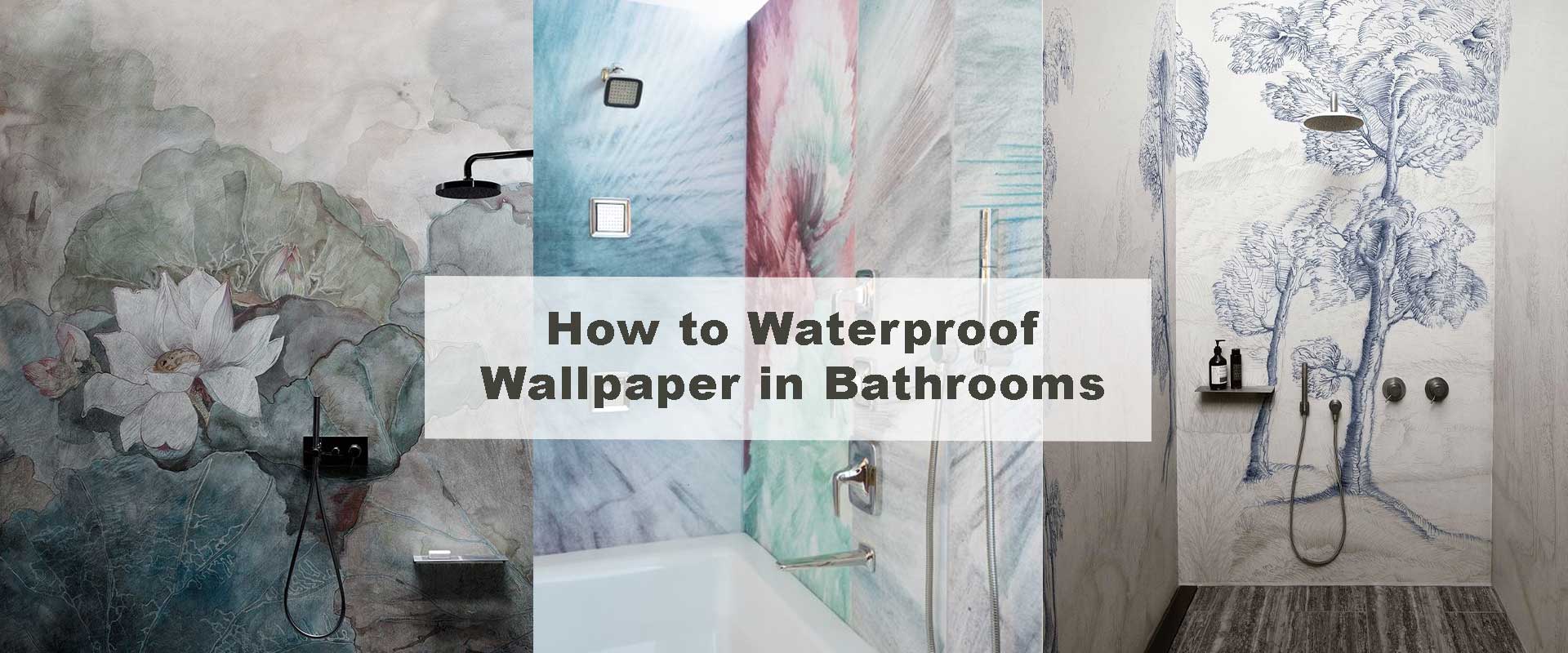
How to Waterproof Wallpaper in Bathrooms
Bathrooms are challenging environments for wallpaper. Steam, splashes, and condensation constantly test the resilience of even the toughest designs. Many homeowners wonder if wallpaper can truly hold up in humid spaces. The answer is yes—when you waterproof it properly. Knowing how to waterproof wallpaper in bathrooms ensures that your chosen design lasts, looks fresh, and resists peeling or bubbling. From protective coatings to smart placement, this guide breaks down everything you need to create a stylish bathroom without compromising on durability.
Why Waterproofing Wallpaper Matters
Unlike tiles, wallpaper isn’t naturally designed for wet environments. Without protection, moisture seeps into seams, weakens adhesives, and encourages mold growth. By waterproofing, you extend the wallpaper’s lifespan by years. It also makes maintenance easier, allowing you to wipe walls clean without damage. This process is especially important in family bathrooms with daily showers, where humidity levels are high and constant. In powder rooms, waterproofing may be less critical, but it still adds valuable protection and peace of mind.
Choosing the Right Wallpaper Before Waterproofing
Waterproofing begins with selection. Not all wallpapers respond the same way to sealants or coatings. Vinyl wallpapers already come with a moisture-resistant surface, making them ideal for high-humidity spaces. Peel and stick wallpaper with a vinyl coating can also perform well when sealed along edges. Textured papers and natural fibers, however, may not respond as effectively, as coatings can alter their look and feel. For inspiration, collections such as bathroom wallpapers offer options specifically designed with humid environments in mind.
Methods to Waterproof Wallpaper in Bathrooms
1. Applying a Clear Sealant
The most common method is to apply a clear, water-based polyurethane or acrylic sealant. It creates an invisible barrier over the wallpaper’s surface.
- Choose a matte or satin finish to maintain the wallpaper’s original look.
- Apply thin, even coats with a foam roller or brush, letting each coat dry fully.
- Focus on seams and edges, where moisture is most likely to seep in.
Sealants work especially well on small bathroom wallpaper projects, where walls are fully exposed to steam. A high-quality sealant can add years of protection while keeping patterns crisp.
2. Using Specialized Wallpaper Varnish
Wallpaper varnish is designed specifically to protect wallcoverings. Unlike standard polyurethane, it’s formulated to stay flexible and resist yellowing over time. This makes it a favorite for homeowners who want invisible protection without altering colors. When applied correctly, it adds a washable surface that repels splashes around vanities and sinks.
3. Sealing Edges with Waterproof Caulk
Even with coated surfaces, moisture often penetrates through edges and seams. Sealing edges with clear silicone or waterproof caulk prevents peeling. This technique is particularly useful behind sinks or near tubs. Guides such as Can You Put Wallpaper Behind a Bathroom Sink? explain why sealing is the key to keeping wallpaper secure in splash zones.
4. Installing a Protective Panel in Splash Zones
For areas exposed to direct water, like shower enclosures, wallpaper should be avoided altogether. Instead, many homeowners install a transparent acrylic panel over wallpaper sections, creating a waterproof shield without hiding the design. This hybrid method allows feature walls to shine while still offering tile-like protection where it’s needed most.
5. Pairing with Half-Tiled Walls
A design-forward waterproofing strategy is to combine tiles on the lower half of walls with wallpaper above. Tiles take the brunt of water splashes, while wallpaper stays dry and stylish. This method not only protects the wallpaper but also adds visual texture and depth to bathrooms of any size.
Best Areas for Waterproofed Wallpaper
- Above half-tiled walls: A safe zone for patterns that avoids heavy splashing.
- Feature walls: Ideal for bold designs like modern bathroom wallpaper or oversized florals.
- Behind mirrors and vanities: Low-splash zones where waterproof coatings provide ample protection.
- Powder rooms: Spaces with minimal moisture where waterproofing extends longevity even further.
Mistakes to Avoid When Waterproofing Wallpaper
- Skipping ventilation: Without airflow, even waterproofed wallpaper can trap moisture and develop mold.
- Applying thick coats: Over-sealing can cause finishes to crack or yellow. Thin, even layers always perform better.
- Ignoring seams: Most wallpaper damage begins at edges, so leaving them untreated defeats the purpose of waterproofing.
- Using harsh cleaners: Once waterproofed, wallpaper can be wiped clean, but abrasive chemicals still risk damage. For safe cleaning, the article Easy Ways to Clean and Maintain Bathroom Wallpaper offers practical techniques.
Waterproofing for Different Bathroom Sizes
Small Bathrooms
In smaller spaces, steam has nowhere to escape, so waterproofing becomes even more critical. Applying varnish and caulk together ensures peel and stick wallpaper lasts longer without bubbling.
Powder Rooms
Low humidity allows more flexibility. Waterproofing here often serves as an extra safeguard, ensuring wallpapers like powder room wallpaper stay vibrant with little maintenance.
Family Bathrooms
High-traffic bathrooms benefit most from vinyl wallpapers combined with sealants. Parents often prefer textured wallpaper or durable luxury options because they can handle both splashes and sticky fingers. For families, waterproofing is essential for both hygiene and design longevity.
Expert Maintenance Tips After Waterproofing
- Wipe walls regularly with a damp, soft cloth to remove soap residue and prevent buildup.
- Check seams every few months and reapply caulk if necessary.
- Use dehumidifiers or keep exhaust fans running to reduce condensation.
- Avoid hanging wet towels directly against wallpapered walls.
Related Design Inspirations
Waterproofing expands your ability to use wallpaper creatively. For instance, peel and stick bathroom wallpaper works well for accent walls once properly sealed. Blogs like How to Stop Bathroom Wallpaper From Bubbling in Humid Spaces and Bathroom Wallpaper Trends for 2025: What’s In & Out also explore ways to combine beauty with durability.
FAQs About Waterproofing Wallpaper in Bathrooms
Can you really waterproof wallpaper in a bathroom?
Yes, wallpaper can be waterproofed for bathroom use. Applying clear sealants, wallpaper varnish, or protective panels creates a barrier that resists moisture. Vinyl and vinyl-coated wallpapers are the most suitable, especially when combined with proper ventilation.
Does waterproofing change the look of wallpaper?
When done correctly, waterproofing does not significantly change the wallpaper’s appearance. Choosing a matte or satin finish sealant preserves the design and avoids unwanted shine or yellowing. Always test on a small section before applying across the whole wall.
Which wallpapers respond best to waterproofing?
Vinyl wallpapers and peel and stick wallpapers with vinyl coatings are ideal for waterproofing. Natural textures like grasscloth may darken or change appearance when sealed, so they are less recommended for bathrooms.
How long does waterproofed wallpaper last in bathrooms?
Waterproofed wallpaper can last 5–10 years depending on the type of wallpaper, quality of installation, and ventilation in the bathroom. Family bathrooms with daily showers may shorten this lifespan slightly, while powder rooms typically extend it.
Can waterproofed wallpaper go inside a shower enclosure?
No. Even with waterproofing, wallpaper should not be used in shower enclosures where it is exposed to constant water. For these areas, tiles or panels are still the best choice. Wallpaper works best above half-tiling, on feature walls, or behind vanities where splashes are minimal.
Conclusion
Learning how to waterproof wallpaper in bathrooms is the difference between a short-lived experiment and a long-lasting design success. By applying protective coatings, sealing edges, and placing wallpaper strategically, you create a durable, stylish surface that stands up to humidity and splashes. From powder rooms to family spaces, waterproofed wallpaper allows your bathroom to reflect your personality without compromising practicality. Whether you choose peel and stick or traditional vinyl, a few waterproofing steps ensure your walls remain both elegant and enduring.