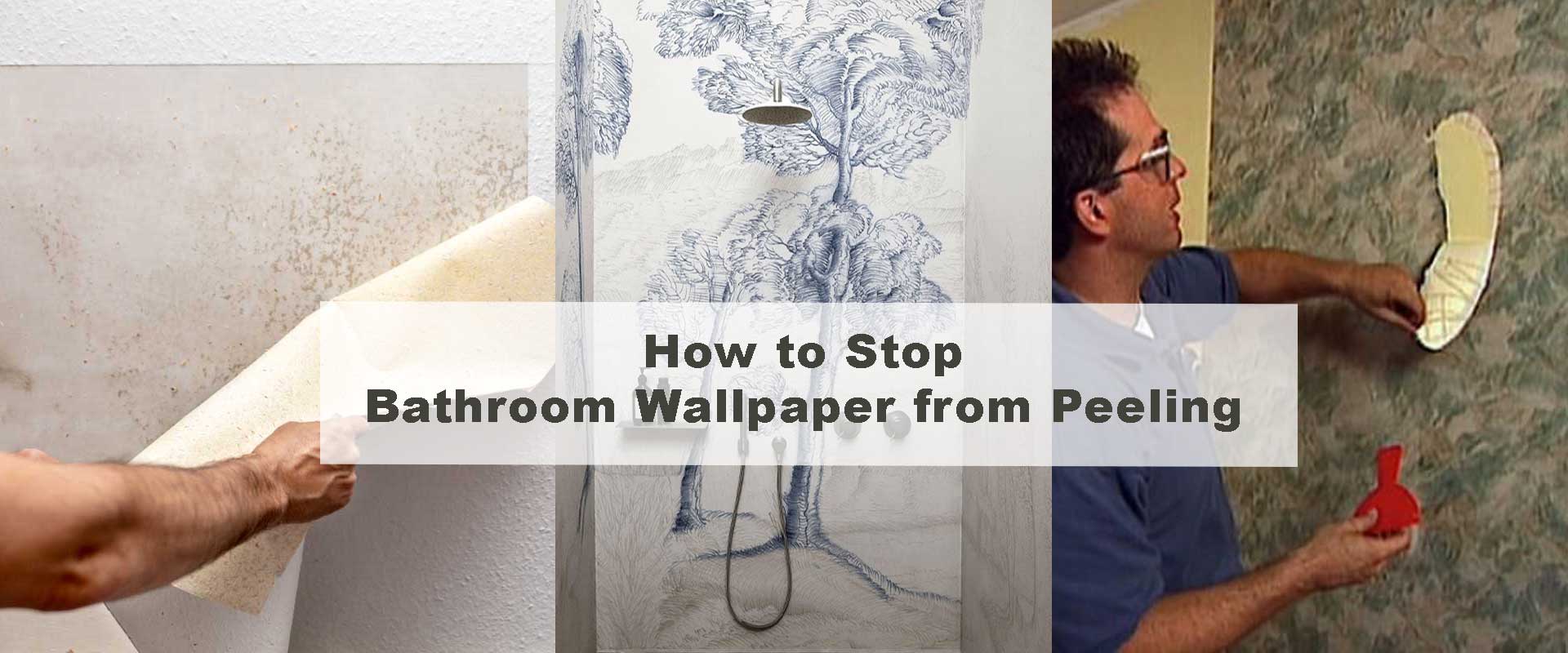
How to Stop Bathroom Wallpaper from Peeling
Bathrooms are one of the most challenging spaces to decorate because of constant exposure to moisture and fluctuating temperatures. Wallpaper has the power to completely change the feel of the room, adding depth, character, and a sense of luxury, yet many homeowners hesitate after seeing curled seams or peeling edges within months of installation. The reality is that peeling is not inevitable. With the right materials, preparation, and maintenance, it is possible to stop bathroom wallpaper from peeling and enjoy a long-lasting design that looks as good as the day it was installed.
Why Does Bathroom Wallpaper Peel?
Wallpaper in bathrooms is exposed to conditions far harsher than those in living rooms or bedrooms, and this stress often leads to failure when the wrong products or methods are used.
Humidity and Steam Buildup
Hot showers and daily routines fill the air with steam, which condenses on the walls and seeps into seams. Over time, the moisture softens adhesives, causing wallpaper to loosen. Bathrooms without strong ventilation are particularly vulnerable since steam lingers long after the water has been turned off. Even premium wallpaper will eventually peel in a poorly ventilated bathroom because the humidity overwhelms the adhesive.
Poor Surface Preparation
Walls that look clean to the eye often still contain dust, soap film, or grease that interferes with adhesion. When wallpaper is applied to an unprepared surface, it never bonds fully. Cracks, bumps, and rough patches create tiny gaps where condensation can gather, and these weak points become the first places where wallpaper begins to peel. Proper wall preparation is essential because the adhesive needs a smooth, stable base to hold securely.
Incorrect Adhesive or Application
Adhesives vary widely, and many are not designed for damp spaces. Using a product intended for dry rooms in a humid bathroom leads to bubbling, slipping, and peeling within a short time. Application technique matters just as much. Panels that are not smoothed correctly leave behind air bubbles that fill with moisture. Seams that are not secured firmly act as openings where steam can creep in. Small mistakes at installation often show up later as large peeling problems.
Low-Quality Wallpaper Materials
The wallpaper itself plays a major role in durability. Thin, paper-based designs absorb water quickly and disintegrate in bathrooms. Higher-quality materials with a vinyl coating are resistant to moisture and can handle the daily stress of splashes and steam. Many homeowners who have experienced peeling with ordinary wallpaper find that vinyl wallpaper provides the protection they need, which is why guides such as Is Vinyl Wallpaper Good for Bathrooms? emphasize the importance of choosing the right material from the beginning.
Preparing Walls to Prevent Peeling
The work that happens before wallpaper is installed often determines how long it will last. Careful preparation creates the conditions for strong adhesion.
Cleaning and Drying Surfaces Thoroughly
Walls should be washed with a mild soap solution to remove invisible films that prevent glue from sticking. Even small traces of dust or oil create weak spots. After cleaning, it is critical that the walls are allowed to dry completely. Applying wallpaper to surfaces that still contain moisture only traps water underneath, and that hidden dampness later pushes the wallpaper away from the wall.
Sanding, Filling, and Priming Walls
Smooth surfaces allow adhesives to grip evenly. Any cracks or small holes should be filled with compound, and rough areas should be sanded down. Once the surface feels uniform, primer provides an additional layer of protection. In humid environments, primer designed for bathrooms not only seals the wall but also gives the adhesive a better texture to cling to, making the entire installation more resistant to peeling.
Special Prep for Tiled or Textured Surfaces
Many bathrooms feature partial tiling or textured finishes, which complicates installation. Grout lines or ridges show through wallpaper and create places for water to collect. A skim coat of filler can level the surface, giving the wallpaper a smooth foundation. When tiling is involved, advice from resources like Can You Wallpaper Over Tiles in a Bathroom? helps determine the best way to prepare these surfaces for wallpapering.
Choosing the Right Wallpaper for Bathrooms
Selecting wallpaper suited to humidity is one of the most effective ways to avoid peeling. Not all wallpapers perform the same in damp conditions, and understanding the differences ensures better results.
Vinyl-Coated and Washable Wallpapers
Vinyl-coated wallpapers are engineered for durability. The protective surface prevents water absorption and makes it possible to wipe away splashes with a damp cloth. This type is especially practical in busy family bathrooms where moisture and cleaning demands are constant. Patterns and colors are abundant, meaning function does not have to limit style.
Peel and Stick Options with Extra Adhesion
Peel and stick wallpaper offers quick installation and simple removal, but only certain versions hold up in bathrooms. Vinyl-coated peel and stick wallpaper has the added benefit of water resistance, which makes it suitable for guest baths or powder rooms. Collections such as the peel and stick bathroom wallpaper selection provide designs that balance ease of use with dependable adhesion in humid environments.
Avoiding Natural Fiber Wallpapers in Humid Spaces
Grasscloth, silk, and fabric wallpapers create beautiful textures, but they absorb moisture and stain easily. In bathrooms, they quickly deteriorate, leading to disappointment and unnecessary expense. Homeowners who want a natural look without the risk can find alternatives in the bathroom wallpaper collection, which includes moisture-resistant styles designed specifically for these challenging spaces.
Best Adhesives and Sealants to Stop Peeling
Strong adhesive support is essential for wallpaper to survive in a bathroom, and using the correct type prevents many common problems.
Wallpaper Paste vs Ready-Mixed Adhesives
Traditional wallpaper requires paste, but generic versions are rarely strong enough for bathrooms. Specialized heavy-duty pastes provide better grip and resist softening when exposed to steam. Ready-mixed adhesives are convenient, but they too must be labeled for bathroom or vinyl wallpaper use. Without that specification, they will break down quickly in humid air.
Adding Extra Glue to Seams and Edges
Edges and corners are most vulnerable to peeling. Applying an additional line of adhesive along these areas creates a double bond that keeps them sealed tightly. This extra measure takes little time during installation but significantly increases overall durability.
Clear Sealants and Varnish for Waterproofing
Protective coatings extend the life of wallpaper in wet rooms. Clear varnishes or wallpaper sealants form an invisible barrier against moisture. Choosing a matte or satin finish ensures the wallpaper’s appearance stays natural. Homeowners interested in learning more about these options often turn to resources like How to Waterproof Wallpaper in Bathrooms for step-by-step guidance.
How to Waterproof Bathroom Wallpaper
Even when adhesives are strong, adding an external barrier offers another layer of defense against peeling.
Applying Sealants Without Changing the Look
Sealants are effective but must be chosen carefully. A high-gloss product can alter the appearance of wallpaper, while satin or matte options preserve the original design. Testing a small area before full application avoids unwanted results.
Protecting High-Splash Zones with Panels or Glass
Wallpaper that sits directly behind sinks or tubs faces constant splashing. Installing a thin glass or acrylic shield in front of these areas preserves the beauty of the wallpaper while providing a practical waterproof surface. This design choice allows homeowners to enjoy bold patterns in areas that would otherwise be too risky.
Using Waterproof Caulk on Edges and Corners
Edges are frequent points of entry for water. A narrow bead of waterproof caulk applied along baseboards, vanity edges, and windows stops moisture from creeping behind the wallpaper. It is a simple step that dramatically reduces the likelihood of peeling.
Installing Wallpaper Correctly to Avoid Peeling
The installation process itself is critical. Even the best wallpaper and adhesives cannot succeed if applied incorrectly.
Controlling Steam During Installation
Moisture in the air while wallpaper is being installed weakens the initial bond. For best results, installation should be scheduled when the bathroom is completely dry and not recently used. Running ventilation during the process keeps humidity low and helps adhesives set properly.
Smoothing Out Bubbles for a Tight Bond
Air pockets beneath wallpaper create weak spots where moisture collects. Using a smoothing tool to press each panel firmly against the wall eliminates bubbles and ensures even contact. For peel and stick wallpapers, applying slow, consistent pressure prevents gaps that could later lead to peeling.
Overlapping and Securing Seams Properly
Precise alignment at seams is vital. Pressing with a seam roller tightens the join and reduces the risk of edges curling away. Adding adhesive under seams creates an extra layer of security. Resources such as How to Apply Peel and Stick Wallpaper in Bathrooms Without Bubbles provide helpful detail on these techniques.
Ventilation and Maintenance Tips
Long-term success depends not only on correct installation but also on maintaining the environment. Ventilation and cleaning routines directly affect whether wallpaper remains intact.
Installing Exhaust Fans or Dehumidifiers
An exhaust fan removes steam before it has the chance to condense on walls. In small or windowless bathrooms, a portable dehumidifier can provide similar benefits. Reducing humidity at the source is one of the most powerful ways to extend wallpaper life.
Regular Cleaning Without Harsh Chemicals
Bathroom walls collect soap residue and condensation, which can stain wallpaper if not cleaned. Wiping gently with a damp cloth maintains freshness without damaging the protective surface. Abrasive sponges or harsh cleaners should be avoided because they strip away finishes and weaken the wallpaper. Helpful advice on safe cleaning practices can be found in Easy Ways to Clean and Maintain Bathroom Wallpaper.
Spot Repairs Before Peeling Spreads
Small imperfections should be addressed immediately. Applying adhesive to a lifting edge prevents it from spreading and keeps the wallpaper intact. Minor repairs carried out early avoid larger replacements later.
Common Mistakes to Avoid
Many homeowners run into trouble by making the same avoidable errors. Recognizing them helps prevent peeling before it starts.
Applying Wallpaper on Damp Walls
Moisture trapped behind wallpaper undermines adhesives and encourages mold growth. Ensuring walls are completely dry before installation is non-negotiable.
Ignoring Proper Adhesives for Bathroom Use
Adhesives designed for dry rooms fail quickly when exposed to steam. Always confirm that the chosen paste or glue is rated for humid environments.
Using Non-Waterproof Wallpapers in Showers
Wallpaper cannot withstand direct shower spray regardless of preparation. Shower enclosures should be finished with tile or panels, while wallpaper works best on drier areas of the room.
Quick Fixes for Already Peeling Wallpaper
If peeling has already begun, timely intervention can restore a neat appearance.
Re-Sticking Loose Edges with Adhesive
Lifting corners should be gently pulled back, coated with adhesive, and pressed firmly into place. Applying steady pressure ensures the repair bonds properly.
Sealing Small Peeling Areas Before They Worsen
For areas beginning to curl, a dab of sealant can lock them down before they expand. This quick measure stabilizes the wallpaper and prevents larger issues.
When Replacement Is the Only Option
If peeling is extensive, replacing sections of wallpaper may be more practical than constant patching. Many homeowners take this opportunity to upgrade to modern bathroom wallpapers, which are specifically designed to handle humidity and offer fresh, updated designs.
Design Ideas That Work Well in Bathrooms
Preventing peeling is not just about durability but also about choosing designs and placements that work with the bathroom’s unique conditions.
Powder Room Wallpapers with Minimal Moisture
Powder rooms, which lack showers or tubs, are ideal places to use bold patterns without the risk of steam damage. The reduced humidity makes them perfect for experimenting with vibrant colors and textures, a point emphasized in guides such as What’s the Best Wallpaper for Powder Rooms?.
Feature Walls Above Tiling
Half-tiled bathrooms present a practical opportunity. Tiles protect the lower half of the wall, while wallpaper above the tile line adds visual interest. This approach combines durability with style and reduces the risk of peeling in splash zones.
Small Bathroom Wallpapers That Expand Space
Patterns and colors can influence how spacious a bathroom feels. Lighter shades, vertical stripes, and subtle geometrics visually enlarge compact rooms. Options in the small bathroom wallpaper collection are designed to make tight spaces feel more open while still resisting moisture.
FAQs About Stopping Bathroom Wallpaper from Peeling
Why does wallpaper peel in bathrooms?
Peeling usually happens because of high humidity, improper wall preparation, or adhesives that are not designed for wet environments. Moisture weakens the bond between wallpaper and wall.
Can you waterproof wallpaper edges?
Yes. Sealing edges with waterproof caulk keeps water from slipping behind the wallpaper, which is where peeling often begins.
How long will waterproofed wallpaper last?
When installed on properly prepared walls and maintained with good ventilation, waterproofed wallpaper can last five to ten years in a bathroom.
Is peel and stick wallpaper more likely to peel?
heap or thin peel and stick products often fail in bathrooms, but vinyl-coated peel and stick wallpapers with strong adhesives can remain intact when applied correctly.
Should I hire a professional or DIY?
A professional installer ensures a flawless finish, but careful DIY work using the right materials can also deliver durable results.
Conclusion
Bathroom wallpaper has a reputation for peeling, but that outcome is avoidable. By focusing on thorough wall preparation, selecting vinyl-coated or washable designs, using adhesives suited for humid spaces, and sealing edges where moisture can enter, homeowners can achieve long-lasting results. Good ventilation and simple maintenance routines extend the life of wallpaper even further. With these steps, it becomes possible to confidently stop bathroom wallpaper from peeling while still enjoying the style and atmosphere that wallpaper uniquely provides. Collections of bathroom wallpapers offer patterns and finishes made to handle these conditions, ensuring that bathrooms remain as beautiful as they are functional.