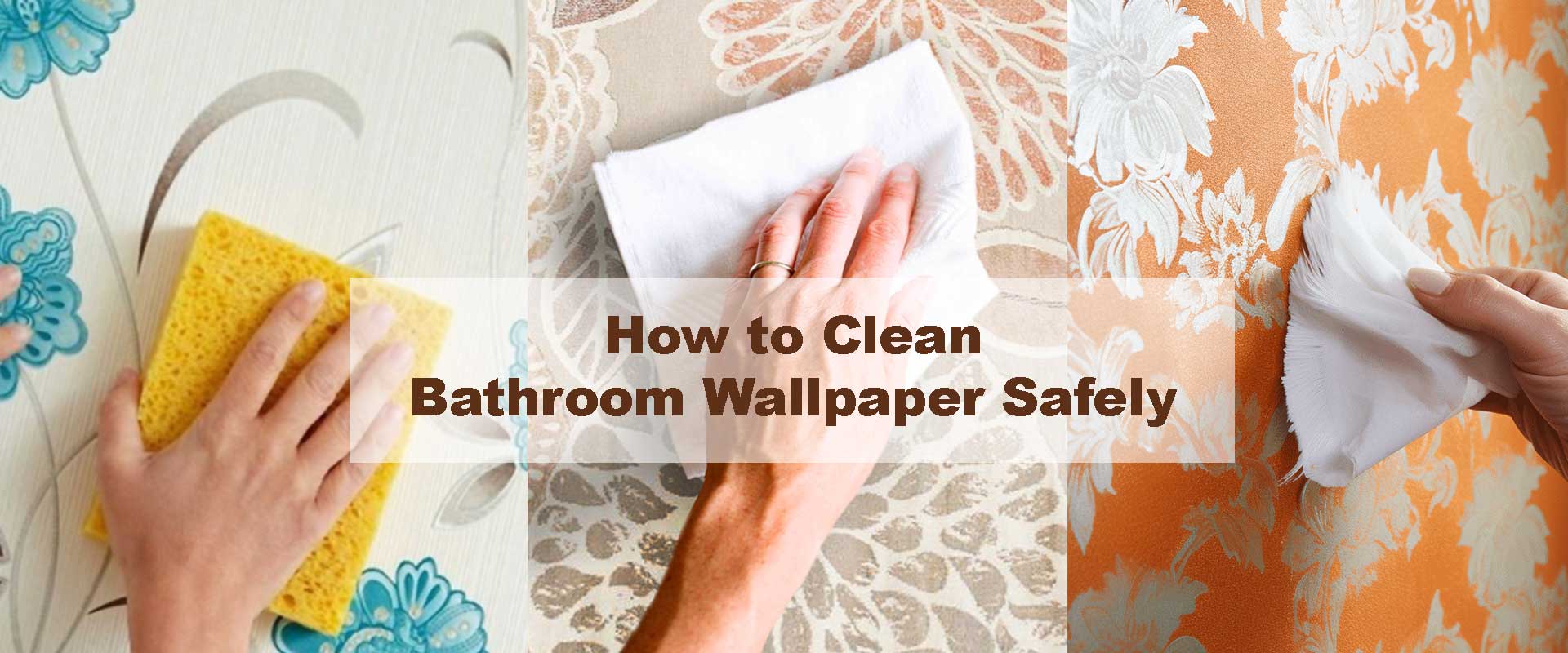
How to Clean Bathroom Wallpaper Safely
Bathroom wallpaper adds warmth, style, and personality to a space that often feels purely functional. From bold botanical patterns to subtle textured finishes, wallpaper transforms bathrooms into inviting retreats. But with beauty comes responsibility—steam, moisture, and daily splashes can leave marks and stains, making regular cleaning essential. Knowing how to clean bathroom wallpaper safely ensures your walls remain as vibrant as the day they were installed while protecting the material’s durability.
The misconception that wallpaper is too delicate for bathrooms has faded thanks to modern vinyl-coated, peel and stick, and luxury finishes. These designs are made to withstand humidity, but they still require careful cleaning. With the right techniques, you can maintain your wallpaper’s appearance without peeling, discoloration, or adhesive breakdown.
Why Cleaning Bathroom Wallpaper Matters
Cleaning bathroom wallpaper isn’t just about aesthetics—it’s about protecting your investment. Neglecting regular care can lead to mold and mildew growth as steam and dampness create an environment where spores thrive, especially in corners and seams. Peeling edges often follow moisture buildup that weakens adhesive, while everyday splatters from toothpaste or hair dye can create permanent stains if left untreated. Even dust settles faster in humid spaces, making vibrant wallpaper lose its appeal.
Routine cleaning, combined with preventative measures, extends wallpaper life by years. Many homeowners pair stylish finishes from the bathroom wallpaper collection with smart cleaning habits to enjoy both beauty and practicality.
Understanding Bathroom Wallpaper Types
Not all wallpaper responds to cleaning in the same way. The first step in safe cleaning is recognizing your wallpaper type.
Vinyl-Coated Wallpaper
Vinyl wallpaper is the most resilient and easiest to clean. It features a protective coating that resists water and allows for wiping with mild soap. That’s why it dominates in family bathrooms and high-humidity spaces.
Peel and Stick Wallpaper
A favorite among DIY enthusiasts, peel and stick wallpaper is usually vinyl-based. While water-resistant, it is more sensitive at the seams. Gentle cleaning is safe, but scrubbing or prolonged soaking can loosen adhesive. Designs from peel and stick bathroom wallpapers are popular for renters who want low-maintenance upkeep.
Fabric-Backed and Textured Wallpaper
Fabric-backed or textured finishes are luxurious but delicate. Cleaning requires a light touch with minimal moisture. Instead of wiping, gentle dabbing with a barely damp cloth prevents damage. Many homeowners choose these designs for powder rooms, where exposure to steam is lower.
Luxury Wallpaper
Luxury designs often combine durability with artistry. They may have coatings that handle cleaning, but always patch-test before cleaning large areas. In bathrooms, styles from luxury bathroom wallpapers prove practical as well as elegant.
Step-by-Step Guide: How to Clean Bathroom Wallpaper Safely
Cleaning should be methodical. Follow these steps for consistent results.
Step 1: Dust the Surface
Use a microfiber cloth, feather duster, or a vacuum brush attachment. Removing dust prevents smearing once moisture is applied.
Step 2: Prepare a Mild Solution
Mix a few drops of dish soap into warm water. Avoid strong detergents, bleach, or abrasive chemicals that damage protective coatings.
Step 3: Test First
Pick a discreet area to test your cleaning solution. This avoids surprises like fading or staining.
Step 4: Wipe Carefully
Dip a sponge into the soapy water, wring out excess liquid, and gently wipe the wallpaper in vertical strokes. Work in small sections to control moisture.
Step 5: Spot Treat Stains
Use a slightly stronger soap mix or diluted vinegar for stubborn marks. Always blot instead of scrubbing.
Step 6: Dry Immediately
Follow up with a clean microfiber towel to remove leftover moisture, preventing peeling.
Comparison Table: Cleaning Methods by Wallpaper Type
| Wallpaper Type | Best Cleaning Method | What to Avoid | Extra Care Tip |
|---|---|---|---|
| Vinyl-Coated | Soap + water, wipe with sponge | Abrasive pads, harsh chemicals | Dry quickly to protect seams |
| Peel and Stick | Damp cloth with mild soap | Excessive scrubbing, prolonged soaking | Focus on seams—avoid water seepage |
| Fabric/ Textured | Light dabbing with barely damp cloth | Heavy moisture, strong cleaners | Use a soft brush for grooves |
| Luxury Coated | Mild soap solution, test before large cleaning | Ammonia, bleach, untested commercial sprays | Patch-test in hidden spot before cleaning |
This table makes it clear: while vinyl is forgiving, textured and luxury finishes require extra caution.
Mistakes to Avoid When Cleaning Bathroom Wallpaper
Even durable wallpaper can be ruined by improper care. Here are the most common mistakes. Using too much water allows liquid to seep into seams and weaken adhesive. Scrubbing aggressively can leave shiny spots or remove printed patterns. Failing to test cleaners in advance risks discoloration. Cleaning in humid conditions traps moisture and encourages mildew, while ignoring ventilation prevents wallpaper from drying properly.
Best Cleaning Solutions for Bathroom Wallpaper
Mild Soap and Water
The most universal and safest solution for vinyl wallpaper. Works for everyday cleaning.
Vinegar Solution
Diluted vinegar, typically one part vinegar to five parts water, helps tackle mild mildew spots. Always test first.
Baking Soda Paste
Ideal for greasy or sticky stains. Apply gently, then rinse immediately.
Commercial Cleaners
Specialized wallpaper cleaners are useful for delicate luxury or fabric-backed designs. These provide safe alternatives when household methods fall short.
Preventing Stains and Build-Up
The easiest way to maintain wallpaper is to prevent heavy messes. Installing ventilation fans reduces condensation. Wiping splashes immediately prevents stubborn stains. Sealing wallpaper edges with clear caulk in high-splash zones helps water resistance. Choosing textured bathroom wallpapers also hides marks more effectively than flat designs.
Placement makes a difference as well. Many designers recommend using wallpaper above half-tiled walls, where tiles protect the splash zone while wallpaper provides decorative impact.
Long-Term Maintenance Tips
Regular upkeep keeps wallpaper fresh longer. Weekly light dusting prevents dullness. Monthly wiping of high-splash zones behind sinks and vanities maintains cleanliness. Inspecting seams quarterly ensures adhesive is intact, while a yearly deep clean with a mild solution refreshes the look. Designers often choose floral bathroom wallpapers in smaller spaces, where lower humidity means less frequent maintenance.
When Cleaning Isn’t Enough
There are times when replacement is better than repeated cleaning. Wallpaper should be replaced if mildew reappears even after treatment, seams peel and no longer adhere, or stains have penetrated and discolored the surface. In such cases, upgrading to modern bathroom wallpaper ensures easier cleaning and better durability.
FAQs About Cleaning Bathroom Wallpaper
Can wallpaper be steam-cleaned?
No. Steam loosens adhesive and damages the surface.
How often should I clean bathroom wallpaper?
Light cleaning every few weeks keeps it fresh, with deeper cleans quarterly.
What about wallpaper behind sinks?
Yes, it can be cleaned, but always dry immediately. Using caulk at edges adds protection.
Will dark wallpapers show stains more?
Yes, solid dark colors highlight marks more than patterned designs. Choosing geometric bathroom wallpapers reduces visibility of minor stains.
Can vinegar damage wallpaper?
Undiluted vinegar can. Always dilute and test first.
Is textured wallpaper harder to clean?
Yes. Dirt settles in grooves, requiring soft brushes and more careful cleaning.
Conclusion
Learning how to clean bathroom wallpaper safely is the foundation for keeping your bathroom stylish and long-lasting. With methods tailored to each wallpaper type—whether vinyl-coated, peel and stick, luxury, or textured—you can remove stains and protect surfaces without risk. The combination of mild solutions, immediate drying, and good ventilation makes cleaning both safe and effective.
Choosing wallpaper wisely also reduces maintenance. Collections like powder room wallpapers or moisture-resistant vinyl finishes make upkeep easy while providing endless design possibilities. For more insight into durability and care, detailed blogs such as How to Stop Bathroom Wallpaper from Peeling and What Type of Wallpaper Is Best for Bathrooms? provide practical advice tailored to different spaces.
With a little regular attention, bathroom wallpaper doesn’t just survive humidity—it thrives, becoming a lasting design feature that keeps your space fresh and inviting.