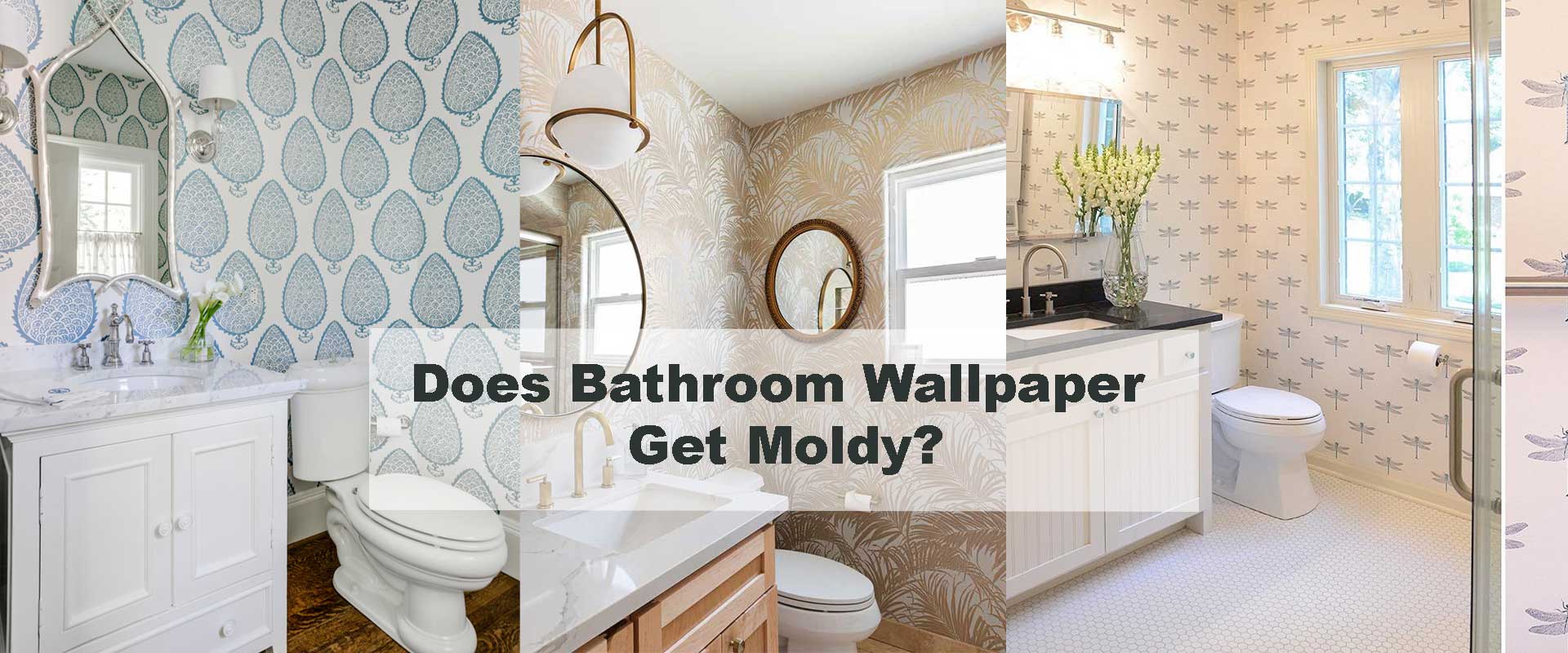
Does Bathroom Wallpaper Get Moldy?
Bathroom wallpaper has become a stylish alternative to plain tiles and paint, offering patterns, textures, and colors that instantly transform a space. Yet one concern remains at the top of most homeowners’ minds: does bathroom wallpaper get moldy? The honest answer is that it can—but only under certain conditions. With the right wallpaper type, correct placement, and simple upkeep, mold doesn’t have to be a problem at all.
This guide explains why mold sometimes forms on wallpaper in humid rooms, which materials are resistant to moisture, and what steps ensure a bathroom design stays beautiful and mold-free for years.
Understanding Mold in Bathrooms
Why Bathrooms Are Mold-Prone
Moisture is unavoidable in bathrooms. Hot showers, warm baths, and everyday splashes raise humidity levels quickly, and unless that moisture is removed, it lingers on walls and ceilings. Unlike living spaces, bathrooms are often compact and enclosed, meaning condensation has fewer escape routes. This makes them naturally more prone to mold growth.
How Mold Forms on Wallpaper
Wallpaper becomes vulnerable when it absorbs water. Standard paper wallpaper is especially at risk because its fibers soak up moisture and remain damp. Once that happens, the adhesive behind the wallpaper softens, creating a warm, dark environment where mold thrives. Corners, seams, and the areas around sinks or tubs are usually the first to show signs of discoloration or peeling caused by mold underneath.
Which Types of Wallpaper Are Most at Risk?
Paper-Based Wallpaper Problems
Traditional paper wallpaper is rarely suitable for a bathroom setting. It quickly absorbs condensation, leading to peeling edges and a shorter lifespan. In humid environments, mold often appears within months, making it an impractical choice.
Fabric and Textured Wallpapers
While fabric-backed or heavily textured designs are stunning in living areas, they do not fare well in damp rooms. Their absorbent surfaces hold onto moisture, and drying takes longer. They may still work in low-moisture powder rooms, but they should be avoided in family bathrooms where steam is a daily factor.
Vinyl Wallpaper Advantages
Vinyl wallpaper stands out as the most reliable option. Its protective coating blocks moisture, prevents water absorption, and makes cleaning simple. It offers the best chance of resisting mold while still delivering on style. Many designs in the bathroom wallpaper collection are made with vinyl finishes, giving both durability and decorative impact.
Mold-Resistant Bathroom Wallpaper Options
Vinyl-Coated Wallpapers
Vinyl-coated designs are easy to maintain and highly resistant to moisture. They can be wiped clean and rarely allow mold to develop, making them a practical yet stylish choice.
Peel and Stick Bathroom Wallpaper
Peel and stick wallpaper has become a favorite for quick makeovers. When vinyl-coated, it’s resistant to mold and suitable for accent walls or small bathroom updates. Designs within the peel and stick bathroom wallpaper range are particularly effective for humid spaces where maintenance needs to be simple.
Luxury and Modern Finishes
Advances in wallpaper manufacturing mean high-end designs now combine beauty with durability. Metallics, geometrics, and textured luxury prints often come in moisture-resistant formats. Options from the luxury collection or sleek styles in the modern bathroom wallpaper range show how premium finishes can hold up even in busy bathrooms.
Where Mold Is Likely to Develop on Wallpaper
Behind Sinks and Vanities
The area behind a vanity or sink is one of the most vulnerable. Constant splashes from handwashing or daily routines leave water droplets on the wall surface. Without protection, mold soon follows.
Near Showers and Bathtubs
Even when water doesn’t directly touch wallpaper, steam from baths and showers condenses on nearby surfaces. Unless ventilation is strong, this condensation lingers, raising the chance of mold growth along seams or at the top of walls.
Poorly Ventilated Corners
Corners and alcoves often receive little airflow. In small bathrooms without windows, these spots stay damp the longest, making them ideal places for mold to spread unnoticed.
Practical Steps to Prevent Mold Growth
Improve Bathroom Ventilation
Proper ventilation is the strongest defense. Exhaust fans that run during and after showers quickly reduce humidity. Even a partially opened window allows steam to escape, and in very humid homes, a small dehumidifier can make a noticeable difference.
Seal Wallpaper Seams and Edges
Even moisture-resistant wallpaper benefits from added sealing. Clear waterproof caulk applied around vanities, tubs, and edges helps stop water from sneaking behind wallpaper seams. This simple detail often extends the wallpaper’s life by several years.
Choose Mold-Resistant Adhesives and Primers
Preparing walls with a mold-resistant primer before installation creates an additional barrier. Using adhesives designed for humid rooms ensures the wallpaper bonds properly and doesn’t soften when exposed to steam.
Clean and Maintain Regularly
Routine cleaning prevents mold spores from settling in the first place. A quick wipe with a damp cloth removes condensation before it causes damage. For safe methods, see practical advice on cleaning bathroom wallpaper safely. Moisture management is also discussed in ways to stop wallpaper from peeling, which shows how small habits preserve wallpaper over time.
Design Strategies for Mold-Free Bathrooms
Mix Tiles and Wallpaper
Using a combination of tiles and wallpaper gives both protection and design flexibility. Tiling the lower half of a wall shields against splashes, while wallpaper above introduces color or pattern. This method is especially popular in bathrooms with high moisture levels.
Feature Walls in Larger Bathrooms
Wallpaper doesn’t need to cover every surface. A feature wall behind a bathtub or opposite the shower adds visual interest without exposing the wallpaper to the most humid zones.
Powder Rooms as the Perfect Canvas
Powder rooms experience little to no steam, which makes them the safest choice for delicate or bold wallpapers. Patterns from the powder room collection often include dramatic designs that would be harder to maintain in a full bathroom. For small layouts, the small bathroom wallpaper collection shows how thoughtful patterns can open up compact spaces while staying mold-free.
When Mold Already Appears
Spot Treatment vs Full Replacement
In cases where mold is limited to a small patch, gentle cleaning may temporarily fix the issue. However, if it spreads under seams or across wide sections, removing and replacing wallpaper is usually necessary to protect both the wall and indoor air quality.
Risks of Ignoring Mold on Wallpaper
Mold is not just an aesthetic issue. Left untreated, it damages drywall, weakens adhesive, and can affect the overall structure of a bathroom wall. Mold spores also present health risks, particularly for those with allergies or respiratory conditions.
Choosing Better Wallpaper After Mold Removal
Once old wallpaper is removed, it’s wise to replace it with a more durable option. Vinyl-coated finishes prevent a repeat of the problem. A detailed comparison of choices is available in the guide to peel and stick versus traditional wallpaper, which highlights durability differences in humid conditions.
Expert Tips for Long-Lasting Bathroom Wallpaper
Match Wallpaper Type to Bathroom Use
Wallpaper that suits a powder room may not hold up in a family bathroom used daily. Matching material strength to the room’s usage is one of the easiest ways to avoid mold problems later.
Prioritize High-Quality Brands and Materials
Not all wallpapers are designed equally. Cheaper products often cut corners on coatings or adhesives. Higher-quality wallpapers, on the other hand, combine stronger resistance with a wider variety of finishes.
Learn from Common Mistakes
Skipping wall preparation, choosing paper wallpaper for a shower-heavy bathroom, or failing to ventilate are common mistakes that shorten wallpaper lifespan. Realistic expectations are important too—insights on how long bathroom wallpaper lasts show what to expect from different materials and environments.
FAQs About Bathroom Wallpaper and Mold
Can wallpaper really last in a bathroom without mold?
Yes, vinyl-coated wallpaper combined with good ventilation can remain mold-free for many years.
What type of wallpaper is best for preventing mold?
Vinyl wallpaper is the most effective choice, as it resists water and is easy to maintain.
Is peel and stick wallpaper safe for humid bathrooms?
Vinyl-coated peel and stick wallpaper is safe in humid spaces as long as it is kept out of direct splash zones.
How do I clean wallpaper without damaging it?
A damp cloth with mild soap works best. Harsh cleaners or scrubbing can strip protective layers.
Do I need to remove moldy wallpaper immediately?
Yes, because mold spreads quickly and can damage walls underneath. Replacement is the safest option.
Conclusion
So, does bathroom wallpaper get moldy? It can—but it doesn’t have to. Mold only becomes an issue when the wrong materials are installed or when ventilation is poor. By choosing vinyl-coated or peel and stick wallpaper, sealing seams, and keeping the space well-aired, bathrooms stay stylish and mold-free.
Moisture-resistant patterns within the bathroom wallpaper collection show that durability and design can coexist beautifully. With thoughtful choices, wallpaper not only survives in humid spaces but transforms them into inviting, personalized interiors.