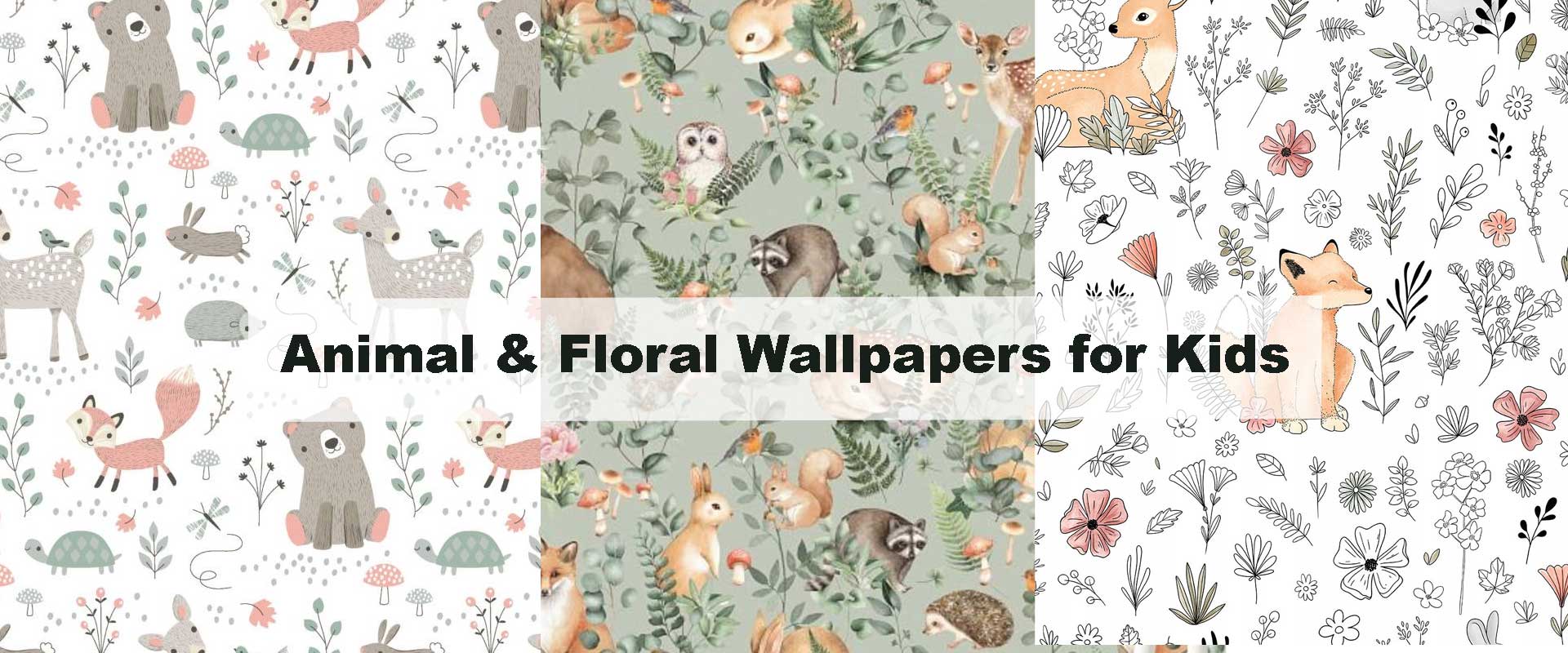
How to Mix Animal & Floral Wallpapers for Kids
Designing a child’s room is about more than color—it’s about creating a world that sparks imagination and comfort. Combining animal and floral wallpapers for kids brings together two beloved themes in one delightful harmony. The wild charm of creatures meets the soothing rhythm of flowers, turning walls into magical landscapes of story and play. Whether your goal is a cozy nursery, a lively playroom, or a shared sibling space, this mix allows endless creativity while maintaining warmth, balance, and beauty that grows with your child.
1. Why Animal and Floral Wallpapers Work So Well Together
Nature-based themes have an enduring appeal because they mirror the world children love to explore. Animals and florals form a timeless pairing—one bursting with character, the other offering softness and serenity. When combined thoughtfully, they create a gentle narrative that feels alive and balanced.
Animal motifs add movement and personality, while florals introduce calm rhythm and cohesion. Together, they transform a child’s space into a nurturing environment filled with charm and curiosity. For inspiration, designs from floral wallpapers collection often provide beautiful bases to layer imaginative animal prints upon, keeping rooms cohesive and full of life.
2. Choosing the Right Color Palette
Color is the bridge that ties animal and floral patterns together. A unified palette ensures that your designs complement each other rather than compete for attention. When deciding on colors, consider three main tones—a base neutral, a dominant hue, and a soft accent.
- Soft pastels: Ideal for nurseries, where delicate bunnies or lambs rest among pale blossoms.
- Earthy tones: Browns, greens, and taupes offer warmth and suit gender-neutral spaces.
- Vibrant pops: For older children, cheerful tigers and tropical blooms in bold hues keep energy high.
Look to harmonious shades found in green floral wallpapers or gentle tones from floral wallpapers for bedrooms to tie everything together seamlessly.
3. Balancing Pattern Scale
The success of mixing patterns often depends on scale—the size of the prints in relation to each other. A room can feel balanced and playful when pattern scales contrast without clashing.
- Pair large floral motifs with small animal prints for soft elegance.
- Use subtle floral vines behind bold safari animals for lively spaces.
- Combine fine-line botanical illustrations with gentle woodland creatures for a dreamy look.
Here’s a simple guide to balancing pattern scales effectively:
| Combination Type | Floral Scale | Animal Scale | Mood Created |
|---|---|---|---|
| Meadow Flowers + Woodland Fox | Small | Medium | Gentle, Storybook |
| Jungle Leaves + Safari Elephant | Large | Bold | Adventurous, Fun |
| Vintage Rose + Forest Deer | Medium | Delicate | Cozy, Classic |
Balancing the visual rhythm ensures that neither motif overwhelms the room, allowing children to enjoy details without sensory overload.
4. Picking the Perfect Room and Theme
Each room has its own personality, and the animal-floral pairing can be tailored beautifully to fit.
Nursery: Gentle Beginnings
For nurseries, let soft florals dominate while introducing subtle animal accents through cushions or one feature wall. This approach creates a calming base that soothes babies while sparking curiosity.
Playroom: Imagination Unleashed
In playrooms, reverse the formula—bold animal designs paired with floral details around reading corners or craft spaces. Jungle motifs, paired with leafy prints, turn everyday play into a mini adventure.
Bedroom: Growing Gracefully
Older children appreciate designs that evolve with them. Subtle floral backdrops featuring birds or butterflies feel fresh and age-appropriate. Collections like modern floral wallpapers lend gentle sophistication, ideal for growing personalities.
5. Creating Storybook Walls
Children connect emotionally to imagery that tells stories. Combining animals and flowers allows you to craft narrative walls that evolve over time. Picture forest scenes with deer resting under cherry blossoms or parrots perched among tropical leaves—each view becomes a chapter in their imagination.
Beyond beauty, these scenes foster empathy and calm. Nature-inspired designs have been shown to support emotional well-being in young minds, encouraging both creativity and mindfulness. For soft, timeless storytelling, the charm of vintage floral wallpapers makes a beautiful companion to hand-drawn animals or painterly wildlife scenes.
6. Mixing Textures and Wallpaper Finishes
Patterns gain new depth when paired with varied textures and finishes. Mixing a matte floral wallpaper with a satin-finished animal print adds contrast and movement without overcomplication.
- Matte or linen finishes: Add subtle warmth—ideal for nurseries.
- Embossed florals: Introduce tactile detail that children love to touch.
- Glossy or metallic touches: Perfect for energetic play areas that need brightness.
Small contrasts between texture types create visual interest and dimension, allowing your child’s room to feel artful yet cozy.
7. Coordinating Furniture and Décor
When the walls carry storytelling weight, furniture should provide balance. Opt for neutral-toned pieces—natural wood, cream, or soft pastels—to ground the patterns. Add texture through rattan baskets, knitted cushions, and floral lampshades that echo tones in the wallpaper.
If your space leans whimsical, designs from aesthetic floral wallpapers complement creative décor choices like animal-shaped chairs or flower petal rugs. This approach ensures consistency without overwhelming the senses.
8. Educational Benefits of Animal and Floral Themes
Beyond their decorative charm, animal and floral wallpapers can nurture early learning. Children begin identifying species, colors, and shapes, connecting imagery to the world outside their window.
Floral backgrounds teach visual recognition of nature’s patterns, while animal motifs spark conversations about habitats, behaviors, and kindness to living things. These themes encourage curiosity, empathy, and environmental awareness.
Parents drawn to purpose-driven décor often find inspiration from educational floral designs for nurseries, which show how beauty and learning can coexist seamlessly in design.
9. Common Mistakes to Avoid
Even the most enchanting ideas can lose magic if key details are missed. Here are common pitfalls to avoid when mixing animal and floral wallpapers for kids:
- Equal visual weight: Avoid pairing two bold prints—one should always lead.
- Color overload: Keep one tone soft to preserve harmony.
- Ignoring light: Always test samples under room lighting; hues shift with time of day.
- Unrelated themes: Stick within one natural ecosystem for coherence (forest, jungle, meadow).
By steering clear of these missteps, you’ll maintain the charm and clarity that makes this design combination so delightful.
10. Designing by Mood
Every child has a different personality, and your wallpaper choices can reflect it beautifully.
| Mood | Animal Motif | Floral Style | Best Room Type |
|---|---|---|---|
| Dreamy & Soft | Bunny, Deer | Pastel Peony | Nursery |
| Adventurous & Bold | Tiger, Parrot | Tropical Hibiscus | Playroom |
| Calm & Artistic | Bird, Cat | Vintage Rose | Study Nook |
| Cheerful & Bright | Fox, Hedgehog | Daisy Meadow | Shared Room |
Selecting by mood ensures your design feels personal while still visually balanced. It’s an easy way to align aesthetic choices with emotional needs.
11. Layering Patterns for Depth
If you’re feeling creative, layering can add artistic flair. Combine wallpapers in subtle zones—like behind the bed or around a reading corner—to give depth without clutter.
Use a primary pattern (either floral or animal) for the main walls and a secondary accent wallpaper for trims or wardrobes. Pairing complementary designs, such as watercolor flowers with delicate forest creatures, brings dynamic flow while keeping visual calm.
Soft inspiration often comes from watercolor floral wallpapers, where painterly strokes echo the organic rhythm of animals in nature.
12. Sustainable and Safe Wallpaper Choices
When decorating for children, always prioritize eco-friendly materials. Look for wallpapers printed with non-toxic inks and free from PVC. Many modern peel-and-stick varieties are easy to install and just as easy to remove, allowing refreshes as your child grows.
Sustainability not only ensures safety but also teaches kids early lessons about caring for the planet—a natural extension of the very themes adorning their walls.
FAQs About Mixing Animal & Floral Wallpapers for Kids
1. Can I use two different wallpapers in the same room?
Yes. Use one main wall for animals and another for florals, ensuring the colors or tones overlap for visual balance.
2. Which rooms are best suited for this mix?
Nurseries and playrooms are ideal. For older children, balanced designs work beautifully in bedrooms or creative corners.
3. How do I prevent patterns from clashing?
Vary the scale of each print and stick to a unified color scheme. Balance bold with soft for harmony.
4. Are these wallpapers easy to update as kids grow?
Yes. Peel-and-stick options make refreshing the design simple and damage-free.
5. What floral style complements jungle or woodland animals?
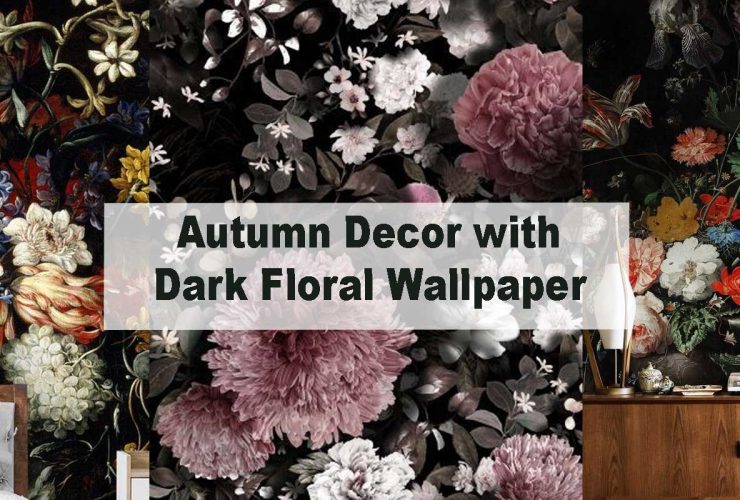
Watercolor or vintage florals blend wonderfully with jungle and woodland creatures. Inspiration can be drawn from dark floral wallpapers or floral wallpapers for living rooms, where depth and tone bring balance to lively motifs.
Conclusion
Blending animal and floral wallpapers for kids turns ordinary rooms into enchanting worlds full of heart and imagination. It’s the perfect harmony of playfulness and peace—where storytelling lives on the walls, and nature feels close at hand. By focusing on color coordination, texture balance, and emotional tone, parents can craft timeless spaces that evolve with their children.
For rooms that tell gentle stories and inspire creativity, pair natural hues from floral wallpapers for bedrooms with characterful prints from forest or jungle themes—an artistic union that brings joy to every childhood moment.