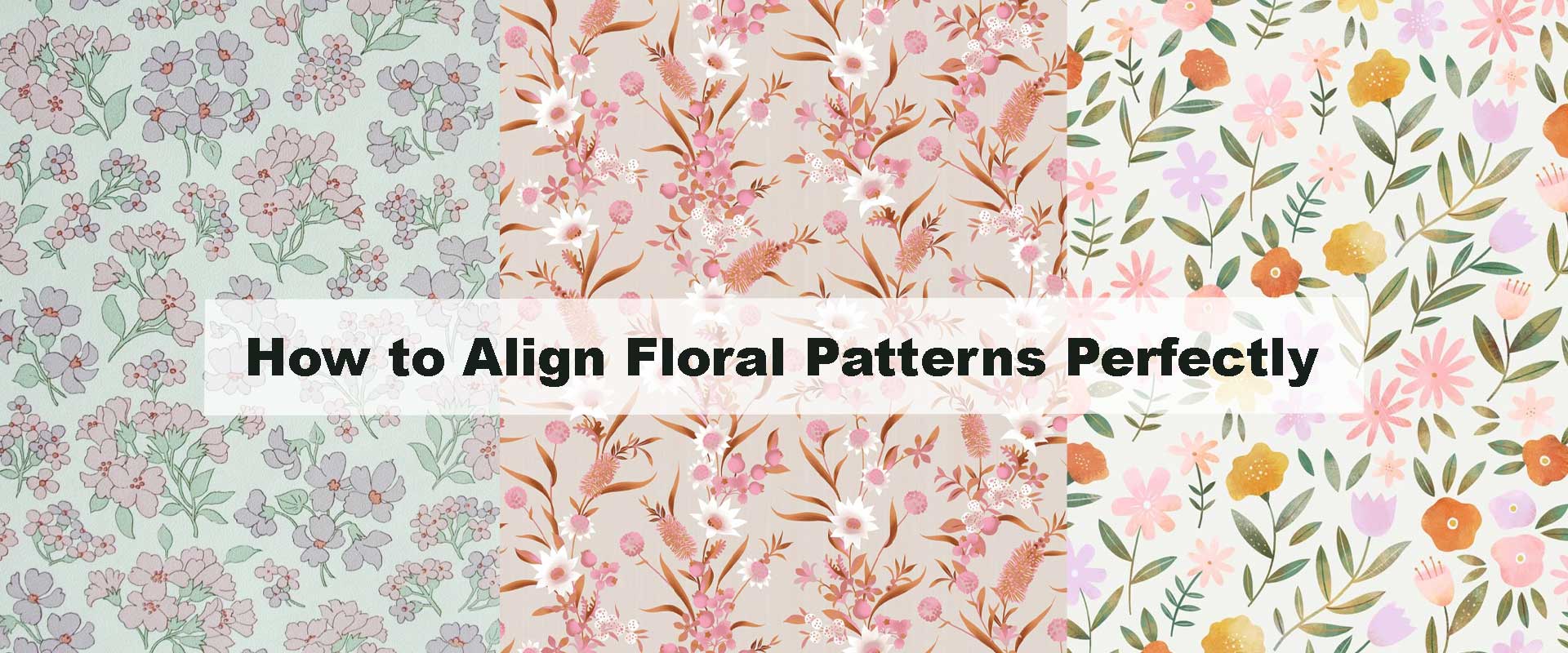
How to Align Floral Patterns Perfectly
When floral wallpaper flows seamlessly from one strip to the next, it feels like a hand-painted mural rather than printed paper. The key is precision—learning how to align floral patterns perfectly gives your walls the continuity and elegance professional decorators achieve effortlessly. Whether you’re hanging vintage botanicals, soft watercolor blooms, or bold dark florals, correct pattern alignment ensures your walls bloom beautifully from edge to edge.
Understanding Pattern Repeats and Match Types
Before cutting or hanging, understand the pattern repeat—the distance before the design repeats vertically. Wallpaper rolls usually indicate a straight match, drop match, or random match. For large floral motifs, drop matches are common, where the design shifts half a repeat each strip.
Measure the pattern repeat carefully, trimming the first two strips to maintain motif continuity. Doing this makes bold designs, like oversized roses or abstract lilies, appear fluid. If you admire symmetrical compositions, the floral wallpapers collection offers patterns that benefit most from precision matching, from modern botanicals to timeless vintage styles.
Preparing Walls and Work Area
Smooth, dust-free walls are essential for perfect alignment. Fill tiny cracks, sand gently, and mark a plumb line down your wall using a spirit level. This vertical line guides your first strip—if it’s straight, every other piece will follow perfectly.
Lay your wallpaper on the floor to pre-align patterns visually before cutting. This practice saves time once adhesive or backing is exposed. Detailed motifs, such as those in modern floral wallpapers, often include repeating leaves or vines—so pre-matching by eye avoids trimming errors later.
For extra harmony, designs with airy motifs work beautifully with ideas shared in Floral Wallpapers for Kids’ Bedrooms, where alignment creates a sense of continuity that feels playful yet calm.
Setting the First Strip with Precision
Your first strip determines the success of the entire wall. Align it with the plumb line and smooth from top to bottom using a wallpaper brush or felt smoother. Keep even pressure—too much can stretch the paper or shift delicate floral elements.
When air bubbles form, lift slightly and reapply. For paste-based wallpapers, reposition before the adhesive sets. The first strip should look straight against the ceiling, corners, and skirting. Soft, minimalist prints—similar to designs in aesthetic floral wallpapers—reveal every misalignment, so precision here defines perfection later.
Aligning the Next Strips Seamlessly
Before fully pressing new strips into place, lightly position them beside the previous one. Match focal motifs—flower centers, leaf tips, or curved stems—until they align exactly. Once satisfied, smooth outward from the seam.
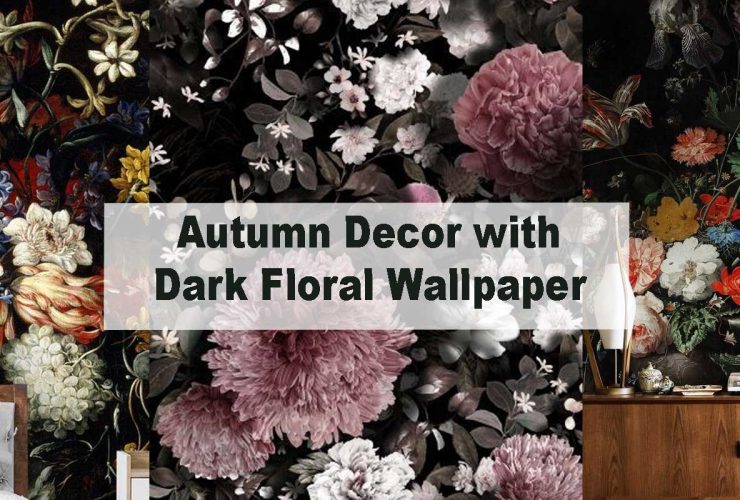
For invisible joins, try the double-cut technique: overlap slightly, trim both layers with a sharp knife, then peel away excess. This creates tight seams even in bold designs like those in dark floral wallpapers, where contrasting backgrounds emphasize every detail.
When working across multiple walls, align at window edges or room corners, referencing motif heights to maintain pattern rhythm. Subtle transitions make florals feel like continuous artwork, echoing techniques mentioned in Floral Wallpapers That Boost Productivity, which discuss how flow and harmony affect spatial balance.
Handling Corners and Tricky Spots
Corners are often the hardest part of wallpapering. Instead of forcing one strip to bend around, trim it so only an inch wraps around the corner. Start a fresh strip on the adjoining wall using a new plumb line to ensure straightness.
When patterns must align across corners, note the height of key elements—like a flower head or stem intersection—and replicate it on the next wall. For outlets or switches, cut small relief slits to ease paper around them neatly.
Classic prints in vintage floral wallpapers look especially graceful when corners are handled correctly, creating a timeless, hand-finished look. For lighter settings, hints from Small Bathroom Wallpaper Ideas with Light Florals show how pattern flow softens tight corners without losing structure.
Refining the Finish
After installation, step back and inspect the pattern in natural daylight. If small misalignments appear, gently adjust before adhesive dries. Wipe off paste marks with a damp sponge, moving along motif lines to prevent smudging.
For peel-and-stick wallpapers, use a dry microfiber cloth for a final smooth-down. This locks edges securely and enhances adhesion. Properly aligned floral patterns transform walls into serene backdrops that feel intentional and balanced.
Designers often pair these techniques with color coordination tips shared in Rustic Country Kitchens with Botanical Floral Walls, where precise alignment merges rustic charm with natural artistry.
Quick Alignment Reference
| Step | Focus Area | Tip |
|---|---|---|
| 1 | Measure Pattern Repeat | Identify match type before trimming |
| 2 | Draw a Plumb Line | Establish a straight visual guide |
| 3 | Hang First Strip | Smooth carefully from top to bottom |
| 4 | Match Motifs | Align key flowers and stems |
| 5 | Use Double-Cut | Create seamless, invisible joins |
| 6 | Adjust Corners | Wrap slightly, restart on next wall |
FAQs About Aligning Floral Patterns
1. How do I match large floral motifs across panels?
Lay out several strips on the floor and align central motifs before hanging; this guarantees smooth transitions.
2. What if my wallpaper shrinks while drying?
Slight overlap during installation prevents gaps—seams tighten as moisture evaporates.
3. Can peel-and-stick wallpapers be repositioned?
Yes. Lift gently and realign while adhesive remains tacky for best results.
4. Should I begin in the corner or center?
Start with the most visible wall for perfect symmetry and natural visual balance.
5. How can I align floral designs across adjacent walls?
Use motif height as a reference point and replicate on adjoining surfaces for continuous flow.
Conclusion
Perfect floral alignment elevates wallpaper from decoration to craftsmanship. When patterns connect flawlessly, every wall becomes a calm, artful extension of nature. Precision in trimming, measuring, and smoothing transforms even simple prints into seamless visual stories. To find wallpapers that look most stunning with this technique, discover graceful options in floral wallpapers for living rooms and floral wallpapers for bedrooms.