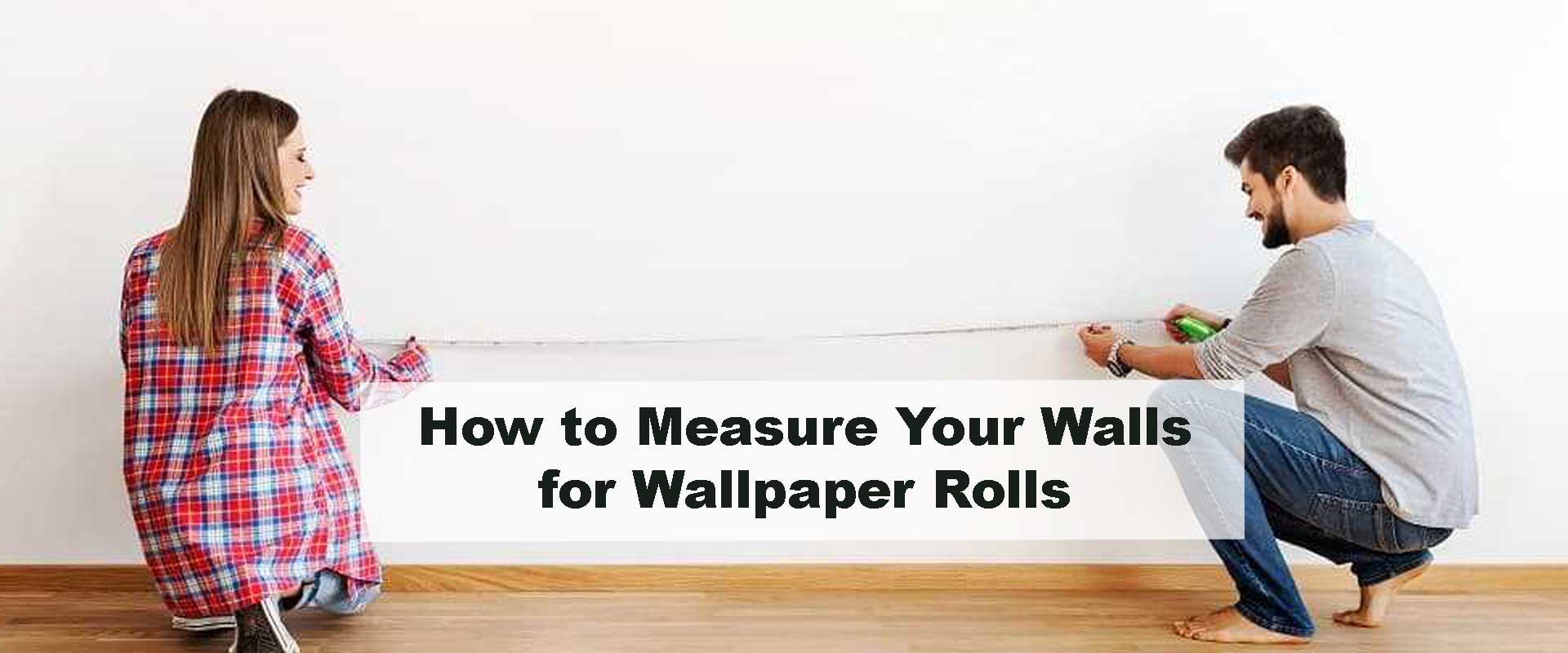
How to Measure Your Walls for Wallpaper Rolls
A stunning wallpaper installation begins long before you pick a pattern—it starts with precision. Understanding how to measure walls for wallpaper rolls ensures you order just the right amount, avoid waste, and achieve that flawless, professional finish every decorator dreams of. Whether you’re revamping one accent wall or wrapping an entire room in botanical prints, a few simple measurements make all the difference.
Why Accurate Measurements Are Crucial
Every wall has its story—angles, corners, and proportions that shape how wallpaper fits. Measuring carefully prevents costly errors like mismatched seams, wasted rolls, or short panels. With the right approach, you’ll know exactly how much to order—especially important for designs with pattern repeats like those in our Floral Wallpaper Collection.
Accurate measuring also helps you plan your layout, ensuring that key elements like floral centers or geometric motifs align perfectly behind furniture or along feature walls.
Essential Tools for Measuring Walls
Before you start calculating how much wallpaper you’ll need, make sure you’re well-equipped. Having the right tools ensures precision, saves time, and prevents costly miscalculations later. Think of it as setting up a small design studio at home before your creative transformation begins.
- Steel Measuring Tape: The backbone of accuracy—choose a sturdy tape that won’t bend or sag when stretched across wide walls.
- Notebook or Notes App: Record all dimensions neatly. Label each wall, window, or door measurement clearly to avoid confusion when calculating roll quantities.
- Pencil or Masking Tape: Mark points discreetly along skirting boards, corners, and ceiling lines to ensure consistency when double-checking your measurements.
- Step Ladder: Perfect for safely reaching higher sections of the wall, especially when dealing with tall ceilings or extended feature walls.
- Calculator: A quick helper for converting figures, computing total area, and estimating how many wallpaper rolls you’ll need.
When these tools work together, measuring becomes smooth and reliable—setting the foundation for an elegant, seamless wallpaper installation. This preparation ensures your wallpaper, whether vintage floral with timeless charm or modern abstract with clean geometry, aligns flawlessly from corner to corner.
Step-by-Step Guide: How to Measure Walls for Wallpaper Rolls
Every room has its quirks—alcoves, uneven edges, and feature sections. Here’s a simple, foolproof process to measure walls accurately and determine how many rolls you’ll need.
1. Measure the Wall Width
Start from one corner and extend your measuring tape to the opposite edge. For multiple walls, measure each individually and add up the widths. Write down each figure separately—this clarity helps when calculating later.
2. Measure the Wall Height
Measure from the top of the skirting board to the ceiling line. Take readings in at least three spots (left, center, right) since walls aren’t always perfectly straight. Use the tallest measurement—this guarantees your panels won’t fall short once applied.
3. Calculate the Total Wall Area
Now, multiply the width by the height to determine total wall area.
Example: 12 ft (width) × 8 ft (height) = 96 sq ft.
For rooms with multiple walls, repeat this for each and add all results together. This figure gives you the true surface area that requires wallpaper.
4. Subtract Openings and Fixtures
Windows, doors, and built-in features reduce wall coverage. Measure each opening’s height and width, multiply to find the area, and subtract from your total. This avoids unnecessary over-ordering while keeping your estimates precise.
5. Add a Margin for Pattern Repeats
Patterns tell a story—floral vines, geometric lines, or watercolor blooms all repeat in intervals. To align these motifs perfectly, always add 10–15% extra to your total measurement. This ensures a continuous, professional finish without visible mismatches. For expressive designs like aesthetic floral wallpapers, this added allowance maintains harmony across every panel.
Wallpaper Roll Dimensions Explained
Not all wallpaper rolls cover the same area. Here’s a handy reference:
| Roll Type | Dimensions (Approx.) | Coverage Area |
|---|---|---|
| Standard Roll | 20.5 in × 33 ft | ~56 sq ft |
| European Roll | 20.5 in × 39 ft | ~70 sq ft |
| Double Roll | 20.5 in × 66 ft | ~112 sq ft |
When calculating how many rolls you’ll need, divide your total wall area (plus pattern allowance) by the coverage per roll. Always round up—extra wallpaper is a blessing during installation or future touch-ups.
Example Calculation: Turning Numbers into Design Confidence
Let’s put the math into motion. Suppose your room measures 12 ft × 8 ft, with one window and one door.
- Total wall area: 12 × 8 = 96 sq ft
- Subtract openings: window (12 sq ft) + door (20 sq ft) = 64 sq ft
- Add 10% for pattern repeat: approximately 70 sq ft total.
If one standard wallpaper roll covers around 56 sq ft, you’ll need 2 rolls to complete your project without shortage. This extra ensures you have enough for trimming and seamless pattern alignment.
The same logic applies to any style—from wrapping corners with green floral wallpapers that create organic calm to defining feature walls with intricate patterns that draw the eye without disruption. With correct measurement, every inch of your wall becomes part of a cohesive visual story.
Tips for Irregular Walls and Sloped Ceilings
Not every wall follows a perfect rectangle. Attics, stairways, and alcoves can be tricky—but with a few adjustments, you can measure them with confidence.
- Divide the wall into sections: Break irregular shapes into smaller rectangles or triangles.
- Measure each part individually: Add all those sections together for total coverage.
- For slanted or triangular walls: Use the formula (base × height) ÷ 2 to find the area.
- Add a 10–20% margin: This accounts for extra trimming and pattern matching.
These small details ensure precision, especially when working with intricate prints such as floral wallpapers for bedrooms that demand visual continuity across every contour of your space. By taking the time to measure carefully, your wallpaper hugs every angle perfectly.
Understanding Pattern Repeats and Their Impact
Every wallpaper design—whether botanical, geometric, or watercolor-inspired—has a pattern repeat, meaning the distance before the design repeats itself vertically. Understanding this helps maintain consistent alignment from strip to strip.
- Straight match: Designs line up evenly across each strip—ideal for symmetrical motifs.
- Drop match: Each strip is offset by half the pattern’s repeat length, creating a more natural, cascading effect.
Drop matches, common in modern floral wallpapers, add visual rhythm but require careful calculation. Always allow at least one full pattern repeat per wall height to ensure every bloom or motif meets precisely where it should—without awkward visual breaks.
Pro Techniques from Wallpaper Experts
Professional installers rely on a timeless formula for accuracy:
Total Wall Area ÷ Roll Coverage × 1.1 = Required Rolls
The “1.1” adds a 10% safety margin for trimming, waste, and pattern matching—especially valuable when working around windows or architectural features. For statement walls behind headboards or dining areas, this formula ensures your chosen print fits perfectly while keeping materials cost-efficient.
Using this calculation also lets you coordinate multiple designs seamlessly—perhaps pairing a main floral with a complementary dark floral wallpaper for contrast or a blue floral wallpaper for a calm, balanced finish.
Common Measuring Mistakes and How to Avoid Them
Even the most creative wallpaper projects can stumble due to small measuring oversights. Keep these golden rules in mind:
- Mixing units: Stick to one measurement system—feet or meters—throughout your calculations.
- Ignoring pattern repeats: Leads to broken alignment and mismatched panels.
- Forgetting to subtract openings: Overestimates total wallpaper needed.
- Failing to round up: Running short mid-project can delay your progress and risk shade variation in new rolls.
- Assuming walls are straight: Measure every wall individually—minor variations add up quickly.
By following these steps, even bold, intricate prints such as dark floral wallpapers will meet perfectly at every edge, creating a luxurious, polished look that feels seamless from floor to ceiling.
Quick Reference Formula Table
| Step | Formula | Purpose |
|---|---|---|
| Wall Area | Width × Height | Total area per wall |
| Adjusted Area | Wall Area − Openings | Wallpaper surface area |
| Allowance | +10–15% | Pattern repeat & trimming |
| Rolls Needed | Adjusted Area ÷ Roll Coverage | Total number of rolls |
This simple table keeps every project organized—from living room floral walls to personalized bedroom makeovers.
FAQs About Measuring Walls for Wallpaper Rolls
1. Should I measure in feet or meters?
Either is fine—just stay consistent throughout. Most wallpaper packaging includes both conversions for easy comparison.
2. How much extra wallpaper should I order?
Add 10–15% more for trimming, pattern repeats, and installation adjustments.
3. How do I measure accent walls only?
Measure just that wall’s width and height, ignoring the others.
4. Do I include ceilings or floor trims?
No. Measure only from the top of the skirting to the ceiling line.
5. What if my walls aren’t perfectly straight?
Always use the largest measurement for height and width, rounding up to prevent short panels.
Final Thoughts
Learning how to measure your walls for wallpaper rolls is more than a technical step—it’s the foundation of a flawless finish. With correct calculations, you’ll avoid shortfalls and ensure perfect pattern flow, whether you’re styling a bathroom floral wall or a serene blue floral feature wall.
Once you’ve measured your space, discover tips for perfect installation through related reads like How to Avoid Air Bubbles When Applying Wallpaper, ensuring your precision translates into beauty that lasts.