How green botanical prints create an earth-inspired living room atmosphere
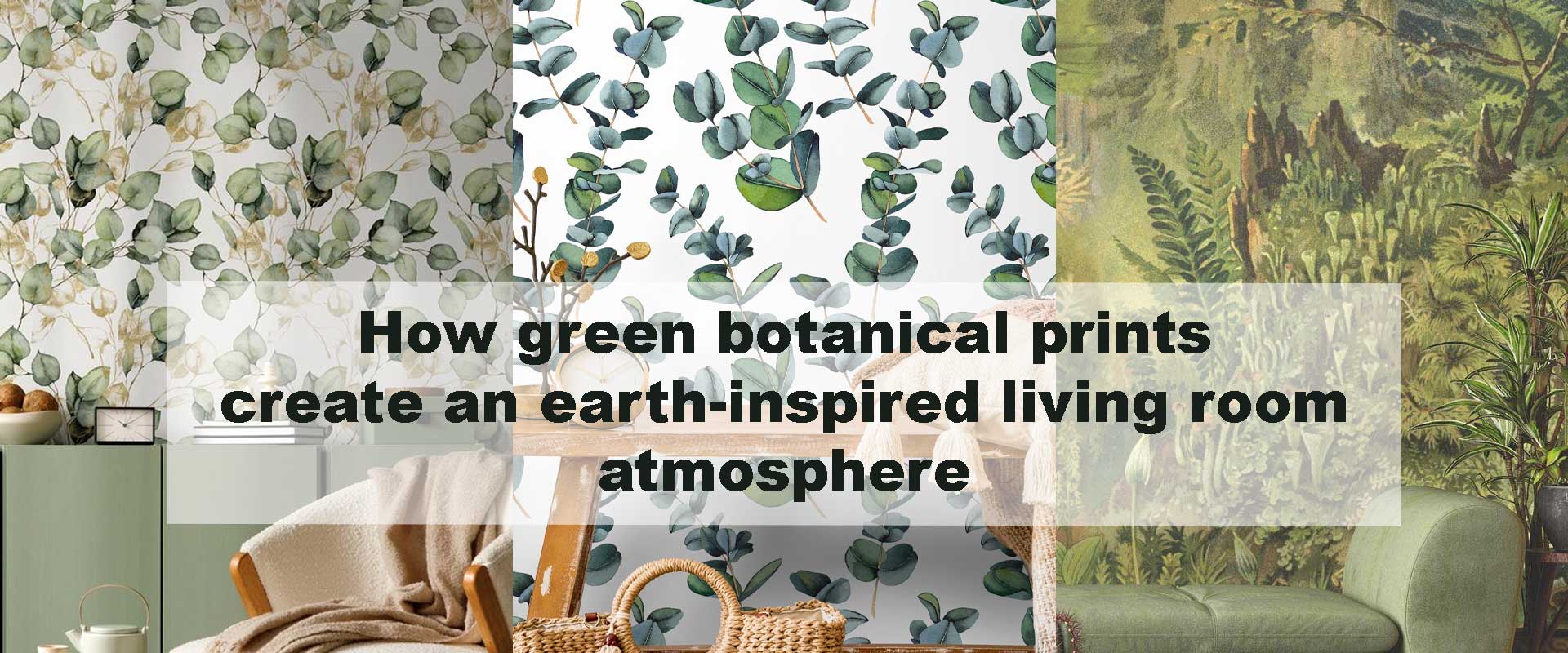
Green botanical prints have become one of the most meaningful ways to transform a living room into a soothing, earth-inspired retreat. Their natural tones and gentle foliage motifs instantly shift the feeling of a space, creating visual calm, grounding warmth, and a soft biophilic connection that modern homeowners crave. When green is expressed through layered leaves, watercolor botanicals, or minimal botanical strokes, the room takes on a rich natural rhythm that feels both restorative and uplifting. The result is an atmosphere that blends comfort with effortless style, making nature the quiet centerpiece of the home.
The first reason green botanical prints are so effective lies in how the human eye responds to organic shapes and earthy greens. These tones mimic familiar forest palettes, helping the mind relax more quickly than with high-contrast patterns or artificially bright hues. When layered across walls, cushions, artwork, or accent pieces, green botanicals build a cohesive ecosystem within the room. Even a single feature wall in a leafy mural or a cluster of framed botanical artworks can shift the emotional temperature of the entire space, making it feel grounded, breathable, and harmoniously connected to the outdoors. Many homeowners begin their journey with soft botanical themes introduced through subtle details before expanding into fuller wall expressions such as Botanical Wallpaper, which deepens the natural connection and enhances visual flow.
Why green botanical prints shape an earth-inspired living room mood
Green botanical themes automatically introduce elements of nature, and this nature-driven palette is central to creating an earth-inspired environment. These prints bring warmth, visual harmony, and calming textures that help a living room feel more nurturing and balanced. Even in modern or minimalist homes, green botanicals add softness without crowding the space, acting as a bridge between clean lines and natural comfort.
1. Earthy color psychology that relaxes and restores
Green is one of the most psychologically restorative hues. It symbolizes balance, harmony, and renewal—qualities that instantly shift the energy of a living room. When expressed through botanical forms, the emotional impact becomes even stronger because the design mimics the graceful movement of nature. Light sage prints create a sense of airy openness, while deeper forest tones evoke grounded richness. In both cases, green botanical prints help the mind slow down, making the living room feel like a calm shelter after a long day.
Across many soft foliage themes, this “visual breathing room” is echoed in wellness-focused botanical style discussions such as Do botanical leafy wall motifs help calm high-traffic household areas? which highlight how gentle plant forms ease sensory overload and improve the mood of shared spaces.
2. Layered foliage builds natural visual depth
Green botanical prints carry inherent dimensionality. Whether the designs feature delicate outline leaves, watercolor gradients, or lush large-leaf patterns, the layering creates a subtle sense of depth on the wall. This prevents flatness and adds motion without overwhelming the room.
Designs inspired by soft tropical foliage or rainforest linework work especially well in living rooms that benefit from visual movement. For rooms with large empty walls, prints from the Large Leaf Botanical Wallpaper collection can introduce bold structure, helping balance proportions and anchor furniture placement.
3. Green botanicals complement natural materials effortlessly
An earth-inspired living room thrives when paired with textures like rattan, linen, jute, matte stone, and warm wood. Green botanical prints naturally enhance these materials by reinforcing the organic aesthetic. The soft interplay of leafy shapes with tactile fibers creates a grounded, welcoming atmosphere.
A living room with oak flooring, light wood shelving, woven baskets, or clay-toned décor feels instantly cohesive when layered with olive botanicals or sage-toned foliage artwork. This effect mirrors the harmony described in What botanical natural wall palettes best complement honey oak flooring, where warm wood tones and green palettes are shown to enhance one another beautifully.
4. Botanical prints unify modern and natural aesthetics
While many homeowners worry that botanical themes may feel traditional, green botanical prints have become increasingly versatile in modern interiors. Minimal line-art botanicals pair well with Scandinavian and contemporary styles, while soft watercolor motifs blend seamlessly into Japandi or neutral-luxe living rooms.
For homes that want a clean, airy look, a mural or print from the Minimal Line Art Botanical Wallpaper collection provides just enough organic softness without adding visual weight. In contrast, tropical-inspired designs with gentle layering create deeper texture that suits earthy modern or boho-natural interiors.
How to choose the right green botanical prints for your living room
Selecting the right green botanical style has a remarkable influence on the soul of your living room. Because these prints act as both color and mood creators, their scale, tone, and texture determine whether the space feels airy, grounded, dramatic, or quietly organic. When chosen thoughtfully, green botanicals become a natural extension of the room, weaving light, texture, and atmosphere into one cohesive environment. The right print doesn’t merely decorate the space—it rewrites its emotional landscape.
1. Soft and airy greens for bright, open spaces
In sunlit living rooms, soft botanical greens create a gentle infusion of freshness. Prints featuring watercolor leaves, diffused shading, or fine-line foliage allow daylight to glide across the surface, amplifying the room’s natural openness. Pale sage, misty eucalyptus, and light mint tones soften hard lines and bring a serene, weightless quality to the walls.
These airy themes work especially well in minimalist or Scandinavian-inspired spaces, where clarity and light are primary goals. As many designers emphasize in Do pastel botanical nature murals suit Scandinavian and Nordic interior styles, subtle botanical gradients enhance brightness without demanding attention. They become a visual whisper—present, calming, and effortlessly breathable.
Patterns from the Green Botanical Wallpaper collection support this atmosphere beautifully, offering delicate greens that feel inviting rather than saturated.
2. Deep green botanicals for rich, grounded warmth
If your living room leans toward a cozy, intimate aesthetic, deeper green tones transform the space into a warm, earth-rooted retreat. Forest green murals, midnight botanicals, and moody layered foliage create an enveloping presence that feels luxurious yet calming. These prints introduce a grounded elegance—especially when paired with walnut shelving, charcoal upholstery, matte-black accents, or textured stoneware.
This style mirrors insights from Are deep blue-green midnight botanical gardens best for sleep-focused interiors, where darker botanicals create cocoon-like comfort. In living rooms, the effect is similarly transformative. Instead of feeling heavy, the deep greens stabilize the room, giving it depth and emotional warmth while preserving a sense of sophistication.
3. Oversized leaves for dramatic earthiness
Large-scale botanical prints are ideal for homeowners who want their living room to make a confident, nature-driven statement. Oversized leaves—monstera silhouettes, banana leaf arcs, or sweeping fern fronds—carry a sculptural power that shifts the entire character of the room.
When these bold prints span a feature wall, the living room transforms into an immersive environment where nature becomes the artwork. Behind a sofa, the oversized foliage softens straight furniture lines; around arched doorways, the shapes echo architectural curves; on a TV wall, they replace clutter with expressive organic drama.
Pairing these impactful botanicals with grounded textures—woven pendants, rattan coffee tables, tactile throws—ensures the boldness feels earthy rather than overpowering.
4. Tropical-inspired prints for relaxed natural energy
For homes that crave a breezier, sun-tinged atmosphere, tropical botanical designs bring a sense of lightness and relaxed movement. Soft fronds, airy palm silhouettes, and gentle leaf layering cultivate a calm tropical breeze within the living room, making the space feel brighter and more uplifting.
These prints shine in rooms with woven accent chairs, neutral linen sofas, or driftwood tones. Their warm energy encourages a casual flow, ideal for homes that blend natural comfort with subtle vibrancy. Designs from the Tropical Botanical Wallpaper collection capture this spirit exceptionally well—balancing clarity, color, and softness in a way that feels effortless.
How green botanical prints enhance lighting and mood in living rooms
Lighting plays a defining role in how green botanical prints behave and how your living room feels throughout the day. Because foliage prints feature organic shapes and layered tones, the interaction between light and leaf details creates shifting moods that feel alive and naturally expressive.
1. Natural daylight enhances tonal softness
Morning and afternoon sunlight bring out the gentlest qualities of green botanical prints. Soft daylight smooths gradients, illuminates subtle veining, and enhances the watercolor transitions that make botanical art feel organic. Light sage and eucalyptus tones appear crisp and refreshing, while deeper hues soften into balanced shades of forest and moss.
As the sun moves, sunlight grazes textured foliage, creating a quiet interplay of brightness and shadow. This dynamic glow makes the room feel fresh, open, and connected to its natural surroundings.
2. Warm evening lighting deepens color richness
When evening arrives and warm-toned lighting takes over, green botanical prints become richer and more atmospheric. Amber sconces, diffused pendants, and soft table lamps intensify the depth of darker leaves while warming the undertones of lighter greens.
This nighttime shift brings a cozy, reflective quality reminiscent of golden-hour forest light. It mirrors the effect described in Which botanical color tones work best with soft golden lamp lighting, where warm illumination adds dimensional depth and gently enhances the room’s natural character.
3. Layered lighting highlights natural textures
Layered lighting—ambient, task, and accent—brings botanical prints to life in nuanced ways. Overhead lighting provides even clarity, while side lamps or sconces cast soft gradients across the wall. Subtle LED backlighting behind shelves creates glowing silhouettes that echo the contours of the foliage.
If your botanical print features large leaves or sculpted silhouettes, directional spotlights can highlight specific clusters, giving the mural a gentle three-dimensional presence.
This lighting approach strengthens the living room’s natural calm and makes your botanical art feel thoughtfully curated.
Styling tips for a balanced earth-inspired living room
Green botanical prints open the door to a wide palette of natural materials and design choices. The goal is not to overpower the room with nature elements but to create harmony—where each texture, color, and accessory works in quiet collaboration with the foliage.
1. Pair botanicals with layered neutral textures
Botanical themes feel most cohesive when supported by natural materials that echo their earthy inspiration. Think of:
- Stone-toned ceramics
- Linen drapes and throws
- Jute or sisal rugs
- Rattan or bamboo accents
- Light or warm woods
These textures anchor the greenery, offering tactile warmth that complements the visual softness of botanical prints.
2. Mix real plants with printed botanicals
Nothing elevates a botanical wall design quite like real greenery. Houseplants—whether large palms, compact ferns, or sculptural rubber plants—reinforce the printed foliage and add depth, dimension, and authenticity.
The interplay between real leaves and printed ones brings a lively balance to the room, helping it feel layered and genuinely nature-inspired.
3. Use matte finishes to maintain organic softness
Shiny or reflective surfaces can compete with the quiet softness of botanical prints. Matte finishes, by contrast, echo natural textures and prevent unwanted glare.
Matte-framed artwork, clay-finished vases, soft-upholstered seating, and flat-texture shelving blend seamlessly with the organic shapes on the wall.
4. Add warm metal accents for natural glow
Warm metals—aged brass, brushed gold, muted bronze—introduce gentle highlights that pair beautifully with green tones. These accents create glints of warmth that mimic sunlight catching leaves, enhancing the overall earth-inspired atmosphere.
Use them sparingly through lamp bases, picture frames, décor bowls, or curtain rods to maintain balance without veering into metallic heaviness.
5. Create a focal wall with botanical wallpaper
For homeowners who want a statement, a full botanical feature wall is transformative. Whether it’s placed behind the sectional sofa, aligned with a large window, or framing the TV setup, a botanical mural anchors the room with natural elegance.
If your goal is soft drama with grounded depth, the Dark Botanical Wallpaper collection offers rich, moody greens that feel immersive and refined.
Choosing the Right Green Botanical Style
| Botanical Style | Best For | Room Effect | Ideal Pairings |
|---|---|---|---|
| Soft Watercolor Greens | Bright, open rooms | Airy, calming, spacious | Linen sofas, light woods |
| Deep Forest Greens | Cozy, earthy rooms | Grounded, intimate, warm | Walnut, matte black, brass |
| Large Leaf Botanicals | Statement feature walls | Bold, immersive, natural | Rattan, warm textiles |
| Minimal Line-Art Botanicals | Modern or minimalist homes | Clean, elegant, balanced | Scandinavian décor, soft neutrals |
| Tropical-Inspired Greens | Relaxed, breezy interiors | Fresh, uplifting, coastal | Jute rugs, woven textures |
Common mistakes to avoid when decorating with green botanical prints
Even the most beautiful green botanical prints can feel out of place if a few key styling principles are overlooked. Because these designs carry both color and organic texture, balance is essential. Avoiding the following common mistakes ensures your living room keeps its calm, earth-inspired atmosphere without visual noise or mismatch.
1. Filling the room with too many competing patterns
Green botanicals naturally introduce layered foliage, soft movement, and gentle gradients. When the rest of the living room is also filled with heavily patterned rugs, multi-colored cushions, textured throws, or busy artwork, the eye loses a clear focal point. Too many patterns disrupt the quiet organic rhythm you’re trying to build.
It’s best to let your botanical print take the lead. Offset its visual flow with solid fabrics, muted upholstery, matte finishes, and simple woven textures. This balance allows the foliage to breathe and keeps the room feeling intentional rather than chaotic.
2. Using green tones that clash with existing décor
One of the most overlooked mistakes is assuming all greens work together. They don’t. A dusty sage wallpaper may feel at odds with a vibrant emerald sofa, and yellow-green botanicals can conflict with interiors dominated by cool blue-grays. These subtle clashes interrupt the smooth earth-inspired atmosphere.
Before committing to a print, compare its undertone—warm, cool, muted, or deep—with your furniture, flooring, and accessories. Matching undertones creates visual harmony. Contrasting the wrong undertones creates tension, even if the patterns look beautiful on their own.
3. Selecting botanical prints that are too dense for the room size
Compact living rooms require lighter visual touch. Dense botanical prints with thick foliage, overlapping leaves, or dark saturated tones can reduce the sense of space, making the room feel enclosed. While these designs are stunning in larger areas, they can overwhelm smaller layouts.
For tight living rooms, choose green botanicals with airy spacing, soft transitions, and minimal linework. Watercolor foliage, fine outlines, or small-scale leafy repeats maintain openness and encourage a gentle flow of movement across the wall. They add character without dominating the room.
4. Ignoring how lighting transforms botanical colors
Lighting dramatically affects how green botanical prints appear. In dim living rooms, deep forest greens or dense tropical foliage may feel heavier than intended. Without balanced illumination, shadows may deepen around leaf shapes, creating a visually weighted wall.
Assess your living room’s natural and artificial lighting before choosing a design.
- If the room is low on natural light, opt for soft sage, eucalyptus tones, or watercolor botanicals.
- If the space receives strong daylight or uses warm ambient lighting, richer greens and layered foliage will feel warm, immersive, and balanced.
Considering lighting conditions ensures your botanical print stays inviting and not overpowering, morning to evening.
Frequently Asked Questions
1. Do green botanical prints work in modern living rooms?
Absolutely. Modern living rooms benefit from the natural softness botanicals bring. Minimalist homes often feel warmer and more welcoming when accented with leafy designs.
2. Can green botanical prints make my living room feel bigger?
Yes. Light-toned botanicals with airy spacing can visually expand the room, especially when applied as a feature wall.
3. Are botanical murals suitable for small apartments?
Definitely. Soft, layered botanicals can introduce depth and character without adding clutter, making them perfect for compact city spaces.
4. What accessories pair best with green botanical themes?
Linen fabrics, rattan textures, warm wood, brass accents, and potted plants all complement botanical aesthetics beautifully.
5. Should I mix multiple botanical designs in one living room?
It’s best to stick to one main design and complement it with simpler accents. Too many different foliage patterns can disrupt harmony.
Conclusion
Green botanical prints transform living rooms into earth-inspired sanctuaries that feel calming, grounded, and visually connected to nature. Their organic forms, gentle palettes, and layered foliage bring emotional warmth while enhancing interior textures and lighting. Whether you prefer soft watercolor leaves, bold statement botanicals, or minimal line-art foliage, green botanicals offer the versatility to shape any living room into a soothing natural retreat. By thoughtfully pairing these designs with neutral textures, warm woods, and balanced lighting, you can create a living space that feels timeless, restorative, and deeply connected to the beauty of nature.