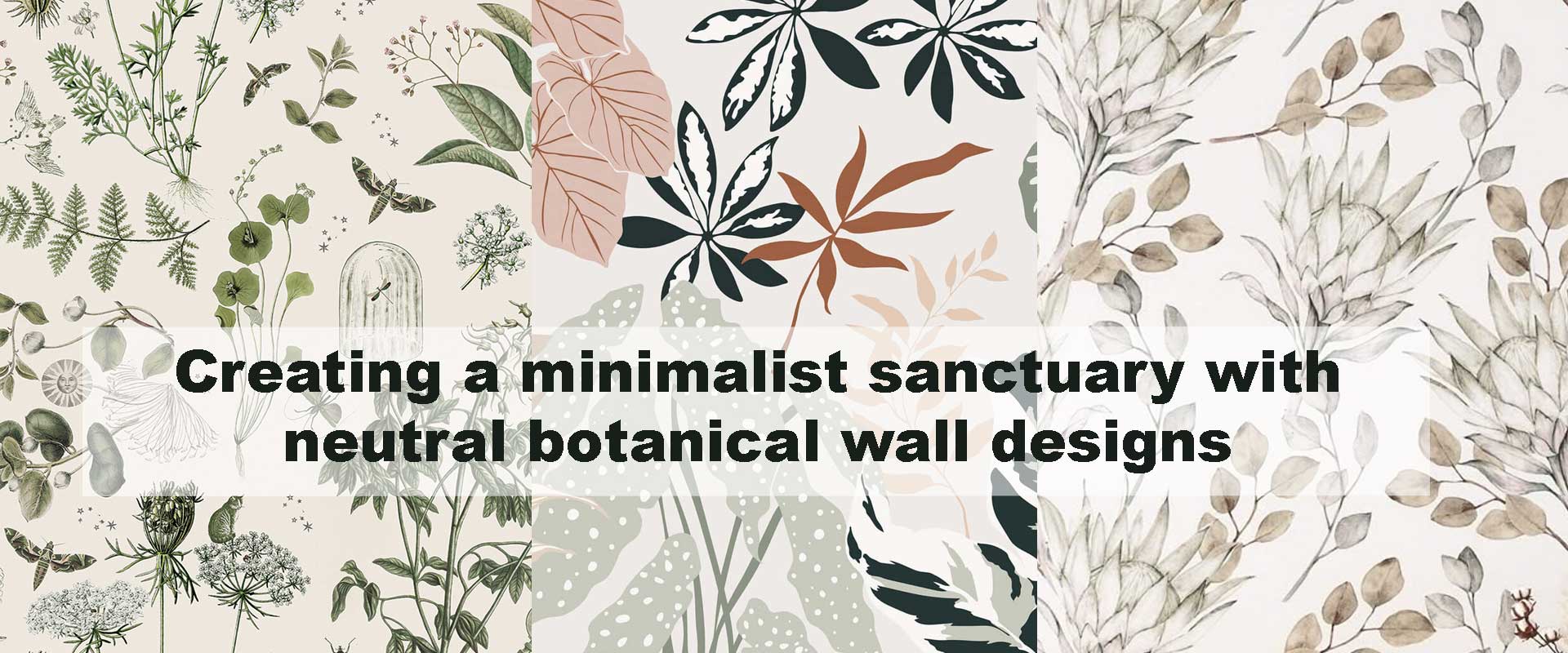
Creating a minimalist sanctuary with neutral botanical wall designs
Neutral botanical wall designs have become an essential part of modern interiors because they sit at the intersection of calm aesthetics and natural grounding. Homeowners are turning to these soft foliage visuals to create serene spaces that feel breathable, uncluttered, and deeply restorative. The appeal lies in their balanced palette—subtle taupes, warm beiges, muted greens, stone whites, and sand-soft hues—that instantly reduce visual noise while adding a sense of nature-inspired harmony. This blend of minimalism and organic warmth makes neutral botanicals one of the most versatile styles in contemporary décor. In the first moments of entering such a room, the gentle foliage invites the eye to rest, making the space feel intentional, soothing, and refined.
The minimalist sanctuary approach relies on simplicity, but not emptiness. It prioritizes clarity, calm rhythm, and purposeful detail, which is why neutral botanical patterns have soared in popularity. They create depth without loud contrast and movement without clutter. Their softness partners beautifully with warm woods, matte finishes, linen textures, and natural materials often found in sanctuary-style home environments. Many homeowners discovering the calming impact of these designs are the same ones embracing principles from Bringing calm to modern homes with soft botanical wallpaper themes—a resource that highlights how gentle plant motifs help balance modern interiors. When these themes are applied through neutral palettes, the result is even more serene, making the walls feel like a quiet backdrop that enhances everything else in the room.
Minimalist sanctuaries also thrive on emotional atmosphere. A neutral botanical wall introduces a sense of quiet nature, similar to the effect of a peaceful walk outdoors where tones are muted, light is soft, and movement is subtle. As people seek calm environments for rest, reading, slow mornings, or mindful breaks, this design approach supports a soothing psychological shift. It encourages deeper breathing, steadier focus, and a grounding connection with natural shapes. The fluid lines and feather-soft gradients echo many of the principles described in How gentle linework changes a room’s mood, where airy botanical strokes influence both openness and comfort. When translated into neutral tones, these qualities create spaces that feel meditative without being stark.
Why Neutral Botanical Wall Designs Align Perfectly With Minimalist Living
Minimalist design celebrates clarity, purpose, and intentional simplicity. However, many homeowners find that completely pared-down interiors feel cold or overly sparse. Neutral botanical walls fill this gap beautifully by introducing softness without compromising minimalism’s refined structure. Their organic lines offer warmth, and their airy spacing maintains openness.
Neutral palettes reduce contrast, which is essential for a calm aesthetic. Without heavy color blocking or dramatic shadows, the room feels smoother and more cohesive. Even intricate leaf or flower shapes appear gentle when expressed through beige, warm ivory, or subtle grey undertones. This visual softness makes them ideal for sanctuary-inspired spaces where overstimulation is avoided.
Another reason neutral botanicals work so well is their emotional versatility. They don’t dictate color themes but rather complement them. Whether paired with fresh greens, smoky charcoals, warm terracotta, or natural woods, these wallpapers support the palette instead of dominating it. This capacity to blend across interiors allows them to match Scandinavian minimalism, Japandi themes, organic modern styles, and soft contemporary décor.
And because they aren’t tied to a single trend, neutral botanicals offer longevity. Minimalist sanctuaries thrive on pieces that feel timeless. A muted botanical backdrop stays relevant even as furniture, lighting, or textiles rotate over the years.
A single mention of Botanical Wallpaper reinforces how these styles root themselves in nature-driven design philosophy that homeowners increasingly desire.
The Calming Psychology Behind Neutral Botanical Patterns
Neutral botanical patterns feel calming because they echo nature’s unhurried rhythm. The soft sweep of leaves, the gentle curvature of vines, and the organic flow of foliage create visual movement that feels slow, steady, and intuitive. When expressed through muted tones—sand, cream, taupe, misty green—this natural motion becomes even more soothing, inviting the mind to settle into a quieter state.
Humans instinctively respond to these nature-shaped cues, often described as biophilic signals. They soften tension, ease overstimulation, and help the eyes relax by reducing visual complexity. Instead of bold hues pulling attention in multiple directions, neutrals create a controlled, breathable visual field. This gentle restraint gives the eyes a place to rest, allowing the brain to decompress.
These qualities create:
A sense of breathable space
Neutral botanicals open up a room emotionally and visually. Their muted forms remove visual clutter, making even compact spaces feel calmer, lighter, and more expansive.
A grounded emotional baseline
Earthy neutrals act like a stabilizing force. Their warmth brings quiet reassurance, creating a foundation that supports rest, reflection, and deeper comfort.
An environment that encourages stillness
The soft movement of foliage paired with gentle tones cultivates a space that naturally slows you down. Bedrooms, reading corners, mindful nooks, and quiet lounges all benefit from this steady, unhurried ambience.
These effects align with the principles highlighted in Bringing calm to modern homes with soft botanical wallpaper themes, where nature-inspired details create emotional balance through softness, spaciousness, and gentle visual rhythm. Neutral botanical designs take this idea further—turning walls into calm anchors that help the entire room feel more centered, composed, and deeply restorative.
Choosing the Right Type of Neutral Botanical Style for Your Minimalist Sanctuary
Different neutral botanical styles shape a room’s atmosphere in unique ways. The key is matching pattern style, foliage structure, and tonal depth with the function and emotion of the space.
1. Soft Watercolor Botanicals
Watercolor botanicals are perfect for rooms where relaxation is essential. Their diffused edges resemble sunlight filtering through leaves, creating an ethereal presence. These designs work beautifully in bedrooms or calm living rooms. They pair well with Watercolor Botanical Wallpaper, especially if you prefer a sanctuary that leans more artistic and dreamy.
2. Minimal Line-Art Botanicals
Line-art styles use smooth, delicate strokes to suggest foliage without filling the wall with density. They are ideal for tight spaces or minimalist interiors where clarity and visual flow matter. Pairing these designs with warm wood and simple textiles enhances their refined presence. For homeowners who want simplicity with expressive charm, Minimal Line Art Botanical Wallpaper provides the right balance.
3. Large-Leaf Neutral Botanicals
Large leaves give structure and quiet drama while still maintaining a calm palette. They are especially effective as feature walls in living rooms or serene entryways. Their oversized forms feel sculptural, delivering presence without overwhelming the space. Large Leaf Botanical Wallpaper often becomes a grounding anchor in minimalist homes.
4. Floral Neutrals With Airy Spacing
Neutral florals introduce softness, romance, and gentle curvature. When designed with airy spacing, they bring calm without clutter. These styles are ideal for bedrooms, dining rooms, or reading corners where a touch of elegance enhances the sanctuary feel. For light and soothing variations, Floral Botanical Wallpaper supports this atmosphere beautifully.
How Neutral Botanical Walls Transform Different Types of Rooms
Creating a minimalist sanctuary doesn’t look the same across every space. Each room can achieve calmness through its own interpretation of neutral botanical motifs.
Minimalist Bedrooms With Neutral Botanicals
Bedrooms benefit most from gentle tones and fluid foliage. Neutral botanical designs create a sense of quiet unity that supports evening relaxation and morning softness. They make the room feel cocoon-like without turning heavy.
Using soft linework or watercolor botanicals behind the bed offers a restful focal point. Muted botanical tones also enhance linen bedding, warm wood side tables, and textured rugs, creating a cohesive sanctuary ideal for maintaining a calm sleep routine.
Living Rooms That Embrace Warm Minimalism
Living rooms often need balance: they must feel welcoming but uncluttered. Neutral botanicals provide that balance by introducing natural structure while keeping the palette controlled. Muted leaf patterns ground large furniture pieces, harmonize with natural materials, and prevent blank walls from feeling empty.
Their emotional warmth supports social spaces without introducing visual chaos. This is especially useful for large open-plan layouts where cohesion is key.
A relevant insight comes from principles behind How gentle linework changes a room’s mood, where soft botanical strokes influence flow and depth—qualities essential in living areas designed to feel calming yet expressive.
Serene Home Offices With Minimal Botanical Motifs
A minimalist home office thrives on clarity. Neutral botanicals add gentle motion that stimulates focus but avoids distraction. Subtle line-art botanicals or spaced-out leaf arrangements create an environment that feels both professional and soothing.
A wall behind the desk featuring a neutral botanical mural signals calm productivity, helping create a stable visual field that reduces mental clutter.
Entryways and Transitional Areas
These areas benefit from soft, impressionistic designs. A muted botanical wall creates calm immediately upon entering the home, setting the tone for the sanctuary atmosphere throughout. It also visually expands narrow hallways due to its light, dispersive nature.
Pairing Neutral Botanical Walls With Minimalist Décor
Designing a sanctuary is about creating harmony between stillness and softness. Every piece in the room should feel intentional, contributing to a quiet rhythm that supports the gentle movement of the botanical patterns. When décor is chosen thoughtfully, neutral botanical walls shift from being a simple backdrop to becoming the peaceful heart of the entire space.
1. Choose Natural Materials
Natural materials set the emotional tone of a sanctuary. Warm woods bring subtle earthiness, stone accents add grounded quiet, and linen textiles introduce breathable softness that mirrors the gentle foliage on the walls. Woven baskets, raw textures, and handmade ceramics deepen the biophilic mood, allowing nature to flow quietly through the space.
2. Keep Furniture Lines Clean
Minimalist silhouettes preserve clarity. Sleek side tables, low-profile sofas, and simple wooden frames allow the botanical patterns to remain light and unobstructed. This balance prevents visual overload, giving both the furniture and the walls enough space to breathe, reinforcing the sanctuary’s serene atmosphere.
3. Layer Textures Instead of Colors
In neutral minimalist design, texture is the new color. Matte ceramics, wool throws, rattan accents, boucle chairs, and soft knits add depth without disturbing the calm palette. These tactile layers create warmth and comfort, echoing the softness of the botanical designs while maintaining visual purity.
4. Use Soft Lighting
Lighting shapes the emotional temperature of the sanctuary. Warm, diffused lamps and gentle wall lighting enrich the subtle tones of the wallpaper, casting shadows that echo the quiet contours of leaves. Soft evening glows turn the room into a cocoon-like retreat, heightening the calming power of the neutral botanicals.
5. Add Greenery Sparingly
A sanctuary thrives on restraint. A few thoughtfully placed plants—a trailing pothos, a small fern, or a single sculptural leaf stem—reinforce the natural theme without overwhelming the space. These modest touches of greenery anchor the botanical mood, subtly connecting the room to its nature-inspired purpose.
Neutral Botanical Styles vs. Other Sanctuary-Inspired Designs
| Style | Mood | Best For | Strength |
|---|---|---|---|
| Neutral Botanical Walls | Calm, grounded, airy | Bedrooms, living rooms, home offices | Timeless softness and emotional warmth |
| Monochrome Minimalist Walls | Clean, structured, crisp | Offices, hallways, modern homes | Strong clarity but can feel cold |
| Soft Watercolor Murals | Dreamy, artistic, gentle | Bedrooms, lounges | Diffused depth and romantic atmosphere |
| Textured Plaster Walls | Organic, warm, tactile | Entryways, living rooms | Earthy richness but lacks motif structure |
| Plain Neutral Paint | Simple, minimal | Any room | Easy universal styling but lacks visual movement |
This table highlights how neutral botanical walls offer a perfect blend of structure and softness—essential for a minimalist sanctuary.
How to Select the Perfect Color Tone for Your Neutral Botanical Scheme
Choosing the right tone is at the heart of creating a true sanctuary. Each shade shapes the emotional temperature of the room, influencing how calm, open, or grounded the space feels. Neutral botanical palettes excel because they sit gently in the background while guiding the entire mood of the interior.
Warm Beige Botanicals
Warm beige brings a quiet earthiness that feels nurturing and grounded. These tones wrap the room in gentle warmth, making them perfect for cozy corners, restful bedrooms, or intimate living spaces where softness and stability matter most.
Cream and Off-White Botanicals
Cream and off-white create an airy glow that brightens a room without losing the sanctuary calm. Their soft radiance feels almost weightless, making them ideal for minimalist bedrooms or spaces where clarity and openness are essential.
Taupe and Sand Tones
Taupe and sand deliver subtle depth while staying completely neutral. These tones pair effortlessly with natural woods and textured furnishings, adding sophistication without drawing attention. Their muted richness enhances minimalist décor beautifully.
Muted Sage or Stone Green
Muted sage and stone greens are perfect for those who want biophilic calm without introducing strong color. These hues echo the soft greens found in nature at dawn, adding gentle grounding while keeping the palette understated.
Pale Greys or Misty Greys
Pale and misty greys offer modern refinement with a serene edge. When paired with matte black, charcoal accents, or natural stone, they create a balanced, contemporary sanctuary where calm and structure coexist effortlessly.
Choosing the right shade ensures that every element—light, texture, furniture, and foliage—harmonizes. Neutral botanical designs excel here because they adapt seamlessly to different materials and minimalist aesthetics.
Why Neutral Botanical Walls Strengthen Wellness-Focused Interiors
A minimalist sanctuary is deeply tied to wellness, and neutral botanical walls play a transformative role in shaping emotional balance. Their gentle motifs and soft tones work together to create interiors that feel restorative from the moment you step inside.
Reduced Visual Stimulation
Neutral tones help quiet the mind by lowering visual intensity. With less contrast and fewer competing colors, the space feels more open and mentally spacious, offering immediate cognitive relief after a busy day.
Soft Organic Movement
Neutral botanicals rely on leaf shapes, flowing lines, and subtle contours that mirror the natural rhythm of the outdoors. This quiet visual motion encourages slower breathing and brings a sense of ease into everyday routines.
A Naturally Grounded Palette
Earth-based hues—sand, taupe, stone, soft green—reconnect the environment to nature’s grounding qualities. This natural orientation creates emotional stability, making the room ideal for mindful rituals and unwinding.
Compatibility With Natural Light
Neutral botanicals work beautifully with daylight. They diffuse brightness rather than reflect it harshly, creating a gentle glow that transforms the room from morning calm to evening softness.
Support for Mindful Practices
Whether stretching at sunrise, journaling, reading, or pausing for a quiet breath, these walls offer a peaceful visual anchor. Their calm presence supports clarity and stillness without demanding attention.
These wellness qualities echo insights found in Bringing calm to modern homes with soft botanical wallpaper themes, where gentle foliage and muted tones help modern homes maintain emotional softness and balanced energy.
Using Sanctuary-Inspired Placement for Maximum Effect
Where botanical wallpaper is placed determines how strongly the sanctuary mood resonates throughout the home. Placement isn’t just visual—it shapes flow, calm, and emotional rhythm.
Feature Wall Behind the Bed
A neutral botanical wall behind the bed creates a quiet focal point that feels soothing during both early mornings and late evenings. It frames the sleeping area with softness, turning the bed into a restful retreat.
Living Room Backdrop for Seating Area
Placed behind a sofa or reading nook, botanical patterns add depth while maintaining minimalist calm. The soft foliage enhances conversation areas without overpowering furniture, keeping the room warm yet uncluttered.
Entryway Accent Wall
A muted botanical wall in the entryway sets the tone for the entire home. It offers an immediate sense of stillness, welcoming you with a grounded, gentle energy that carries through each room.
Home Office Background
In a workspace, neutral botanicals offer clarity without distraction. Their subtle flow supports focus, creating an environment that feels both professional and calming—perfect for long work sessions or creative thinking.
Dining Room Wall
A botanical feature wall in the dining room encourages a slower, more mindful atmosphere. It softens the space, inviting deeper conversations and relaxed meals that feel unhurried and intentional.
Every placement creates its own version of sanctuary living. When used thoughtfully, botanical walls guide the eye, soften transitions, and shape an environment that feels cohesive, grounded, and beautifully serene.
When to Use Bold vs. Soft Neutral Botanicals in a Minimalist Space
Minimalist sanctuaries thrive on balance, and the choice between soft or slightly bolder neutral botanicals shapes that balance more than anything else. Some rooms benefit from a whisper-light touch, while others feel more grounded with a quiet statement.
Choose Soft Neutrals When:
• The room is compact and needs gentle visual expansion
• Natural light is limited and softer tones prevent heaviness
• You prefer a sanctuary feel that almost melts into the background
• Furniture features intricate textures or subtle patterns
• You want the overall look to remain calm, weightless, and minimalist
Choose Slightly Bolder Neutral Botanicals When:
• The space is large and open and needs an anchor
• A grounding focal wall helps define the room’s purpose
• Furniture lines are clean, simple, and modern
• You want structured leaf shapes that add subtle depth
• You prefer quiet presence without turning to bright color
Each direction serves the minimalist aesthetic beautifully. Soft neutrals bring effortless serenity, while bolder botanicals create sculptural quietness—both working harmoniously when paired with natural materials, warm light, and uncluttered styling.
How Neutral Botanicals Interact With Light
Light defines the sanctuary mood as much as the wallpaper itself. Neutral botanical walls shift character throughout the day, responding delicately to different lighting sources. Understanding this interplay helps you shape an atmosphere that feels consistently calm and intentional.
1. Natural Morning Light
Morning light softens every leaf contour, giving the room a peaceful glow that feels fresh, airy, and naturally uplifting.
2. Afternoon Light
Richer midday tones amplify warm undertones—taupes, beiges, misty greys—adding depth without ever overwhelming the space.
3. Soft Warm Lamps
Warm, low-level lighting mirrors the quiet ambience of dusk. It enriches shadows, enhances contouring, and creates a serene cocoon-like evening mood.
4. Indirect Lighting
Bounce lighting or diffused sources prevent harsh edges. This keeps the walls feeling smooth, quiet, and visually consistent—ideal for slow evenings and restful routines.
When lighting and wallpaper work in harmony, the sanctuary effect becomes deeper and more immersive, supporting calm throughout the day.
Creating a Cozy Minimalist Sanctuary Using Texture and Neutral Botanicals
Texture brings soul into minimalist design, transforming your neutral botanical walls from simple backdrops into warm, inviting environments. When used thoughtfully, texture adds richness without breaking the calm, keeping the sanctuary feeling natural and grounded.
Layered Textiles
Soft fabrics—linen, wool, cotton, boucle—introduce warmth and tactility. Their gentle folds echo the quiet curves of botanical patterns, enhancing softness without clutter.
Natural Rugs
Jute, sisal, or woven rugs anchor the space with earthy grounding. Their organic fibers complement the natural motion of leaves on the wall, adding depth underfoot.
Soft Drapes
Sheer or lightly textured drapery diffuses light beautifully, maintaining gentle movement across the room while keeping the palette cohesive.
Matte Ceramics and Stone Décor
Earthy ceramics, smooth stone accents, and unglazed pottery add sculptural detail. These pieces deepen the sanctuary experience by bringing subtle contrast and tactile warmth.
Together, these textures create a space that feels layered, serene, and deeply comforting—without ever disrupting the minimalist calm.
Sanctuary-Inspired Décor Pairings for Neutral Botanical Walls
Below are décor pieces that pair extremely well with a minimalist botanical theme:
| Décor Element | Sanctuary Effect |
|---|---|
| Warm Wooden Furniture | Adds grounding warmth |
| Linen Upholstery | Enhances softness and breathability |
| Ceramic Vases | Provide organic structure |
| Neutral Cushions | Layer comfort without clutter |
| Woven Storage Baskets | Maintain simplicity while adding natural charm |
| Subtle Plant Accents | Reinforce the nature-inspired feeling |
Combining these elements ensures the room remains serene, cohesive, and intentionally minimal.
Styling Sanctuary Spaces With Neutral Botanical Wallpaper: Practical Tips
• Keep decorations sparse; allow the patterns to breathe.
• Prioritize symmetry to reinforce calm visual rhythm.
• Use scent (eucalyptus, sandalwood, linen sprays) to deepen the sanctuary atmosphere.
• Maintain soft color echoes—beige, ivory, sage, warm grey—for unity.
• Ensure furniture doesn’t crowd the walls, allowing botanical motifs to shine subtly.
• Balance soft elements (fabric, wood) with structured ones (stone, metal).
These design choices amplify the botanical theme and reinforce sanctuary softness.
How Neutral Botanical Wallpaper Supports a Wellness-Driven Lifestyle
A minimalist sanctuary is more than a design preference—it’s a lifestyle shift toward emotional clarity and restorative living. Neutral botanical wallpaper supports this philosophy by creating an atmosphere that feels inherently safe and balanced. The gentle rhythm of soft leaf patterns encourages the mind to settle, reducing cognitive overwhelm and fostering a sense of spaciousness even in smaller rooms. These quiet visuals promote slower breathing and a more mindful pace, making daily routines—from early-morning stretches to evening wind-downs—feel calmer and more grounded.
Neutral botanicals also strengthen the connection between the home and natural environments. Their earthy tones soothe overstimulation, while their delicate shapes mirror the quiet beauty found outdoors. This subtle biophilic influence helps maintain emotional equilibrium throughout the day, especially in homes where work, rest, and creativity blend into the same space.
Pairing these patterns with warm woods, tactile fabrics, soft lighting, and simplified décor deepens their impact. The result is a home that supports emotional wellness at every moment—a place that restores rather than demands, comforts rather than competes, and invites you to slow down, soften, and breathe more freely.
Conclusion
Neutral botanical wall designs have become indispensable for creating minimalist sanctuaries that feel calm, grounded, and emotionally supportive. Their soft palettes, natural contours, and gentle depth offer a sense of serenity that modern homes increasingly need. Whether through watercolor motifs, line-art botanicals, or large-leaf neutrals, these designs provide harmony without clutter, motion without chaos, and beauty without noise. When paired with natural materials, soft lighting, and intentional décor, they transform bedrooms, living rooms, offices, and entryways into peaceful retreats. For homeowners seeking clarity, comfort, and timeless softness, neutral botanical walls are a powerful foundation for creating spaces that truly feel like sanctuaries.