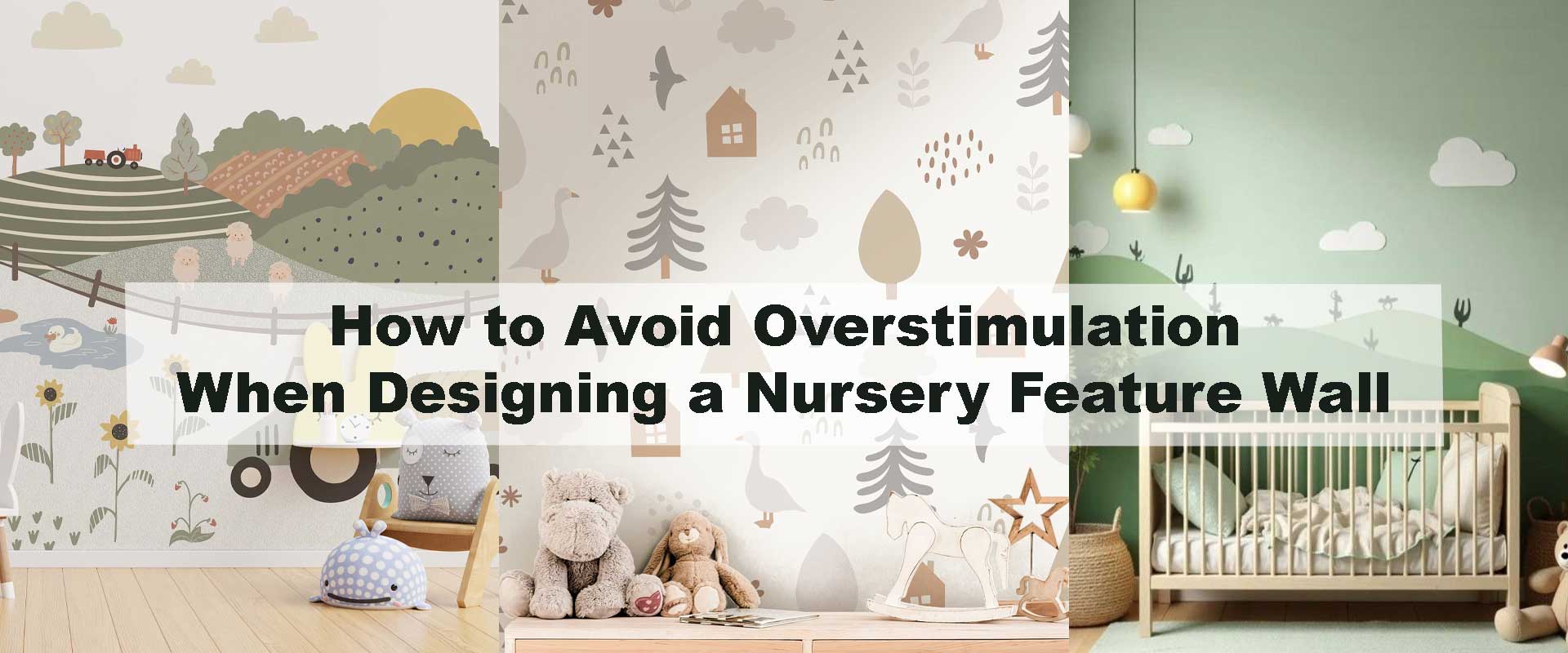
How to Avoid Overstimulation When Designing a Nursery Feature Wall
Designing a nursery feature wall is about more than visual impact—it plays a quiet yet powerful role in shaping how a baby feels, rests, and grows within the space. When patterns, colors, or themes feel overwhelming, even the most beautifully styled nursery can become overstimulating rather than soothing. The key lies in thoughtful restraint, gentle visual flow, and design choices that support calm without feeling dull.
This guide explains how to avoid overstimulation when designing a nursery feature wall, balancing visual interest with emotional comfort. From color psychology to pattern scale and placement, each section focuses on creating a nursery environment that feels safe, restful, and naturally nurturing for both babies and parents.
Why Overstimulation Matters in Nursery Design
Babies absorb their surroundings with heightened sensitivity, and visual environments play a crucial role in shaping emotional regulation from the earliest months. A feature wall filled with intense contrast, crowded illustrations, or sharp geometric repetition can unintentionally overwhelm developing visual systems, making it harder for infants to feel settled or secure. What feels energetic to adults can translate as restless or distracting to a baby.
A calming nursery wall doesn’t strip away creativity or warmth. Instead, it channels visual interest into gentle focal points that encourage soft focus rather than constant attention. When colors, patterns, and scale work together harmoniously, the nursery naturally supports longer rest periods, smoother transitions between activities, and a calmer daily rhythm for both baby and parent.
Choose Soft Color Palettes Over High Contrast
Color sets the emotional tone of a nursery before any other design element. While bright primaries and bold contrasts can appear cheerful, they often create visual tension when applied across large wall surfaces. Over time, this heightened contrast may feel overstimulating rather than uplifting. Softer palettes give the eyes space to relax and help establish a sense of safety and ease.
Muted neutrals, gentle pastels, and nature-inspired hues are especially effective for feature walls. Warm creams, misty greens, powder blues, and blush tones create visual comfort while still feeling thoughtful and styled. A carefully chosen nursery wallpaper with subtle tonal variation adds depth without noise, particularly when paired with simple furnishings and softly layered lighting that reinforces calm.
Limit Pattern Density and Visual Movement
Patterns bring personality to a nursery feature wall, but their scale and spacing are essential to maintaining calm. Small, tightly repeated motifs or densely packed illustrations create continuous visual motion, which can overstimulate young eyes still learning how to process form and contrast. Giving patterns room to breathe allows the gaze to drift naturally rather than jump from detail to detail.
Wallpapers featuring gentle botanicals, floating clouds, or softly illustrated animals create interest without visual pressure. Styles found in collections such as Botanical Nursery Wallpaper use organic flow and natural spacing instead of rigid repetition, helping feature walls feel soothing and balanced rather than energetic or distracting.
Avoid Over-Themed or Character-Heavy Designs
Feature walls filled with bold themes or recognizable characters can quickly dominate a nursery, drawing constant attention and creating visual intensity that rarely settles. While these designs may feel joyful at first glance, they often encourage continuous engagement rather than quiet observation, which can become overstimulating during rest, feeding, or bedtime routines.
A more enduring approach is choosing imagery that gently suggests a theme instead of defining it outright. Soft nature-inspired scenes, abstract shapes, or lightly illustrated animals offer visual interest without demanding focus. These designs leave space for imagination to develop naturally and ensure the nursery remains calming, adaptable, and visually relevant as your child grows.
Use One Feature Wall, Not Multiple Statement Surfaces
In nursery design, visual restraint plays a vital role in emotional comfort. A single feature wall provides enough visual grounding to anchor the space without overwhelming it. Introducing strong wallpaper or murals on multiple walls increases visual stimulation and can make the room feel busy, particularly in compact nurseries.
Keeping surrounding walls neutral allows the feature wall to function as a soothing focal point rather than one element among many competing surfaces. This balance helps the room feel structured, predictable, and safe. Subtle textures, soft paint finishes, or low-contrast wallpapers on secondary walls further support visual calm while maintaining a cohesive, thoughtfully layered interior.
Balance the Feature Wall With Minimal Décor
Even the most softly designed wallpaper can lose its calming effect when paired with excessive décor. Overcrowded shelves, brightly colored wall art, or layered hanging elements introduce visual noise that competes with the feature wall and disrupts the sense of calm the nursery aims to provide.
Instead, allow the wallpaper to breathe by keeping surrounding décor intentional and minimal. A few carefully selected elements—such as natural wood shelving, neutral-toned artwork, or soft textiles—are enough to complete the space. When décor supports rather than competes with the feature wall, the nursery feels harmonious, emotionally comfortable, and effortlessly soothing throughout the day.
Choose Matte Finishes Over Glossy Surfaces
Surface finish quietly shapes how a nursery feels throughout the day, yet it’s often overlooked during design decisions. Glossy wallpapers or reflective wall treatments tend to scatter light across the room, creating subtle visual flicker that can feel restless or overly stimulating. While reflective finishes may look polished, they introduce movement where calm is needed most.
Matte or softly textured finishes absorb light rather than bounce it, helping the feature wall feel settled and grounded. This becomes especially important in nurseries with generous natural daylight, where changing light levels can amplify glare. A matte nursery wallpaper maintains visual softness during naps, early mornings, and evening routines, allowing the room to feel consistently calm no matter the time of day.
Let Nature-Inspired Designs Lead the Mood
Nature carries an inherent sense of calm, making it one of the most reassuring influences for nursery feature walls. Designs drawn from forests, gardens, open skies, or softly suggested wildlife echo the rhythms of the natural world, helping reduce visual tension while encouraging emotional balance. These environments feel familiar and grounding, offering comfort without overstimulation.
Styles such as Woodland Nursery Wallpaper introduce organic silhouettes, gentle movement, and earthy undertones that nurture rather than excite. Instead of demanding attention, these designs quietly support curiosity and calm, creating a peaceful backdrop that naturally aligns with rest, routine, and early development.
Consider Visual Flow From the Crib’s Perspective
A nursery is experienced differently from a baby’s point of view. Much of their time is spent lying down, which makes upward and outward sightlines especially important when planning a feature wall. Designs that feel balanced at adult eye level may appear far more intense from the crib if they rely on sharp contrast, dense patterning, or abrupt visual breaks.
Choosing wallpapers with open compositions and generous spacing allows the gaze to move slowly and comfortably. Gentle gradients, softly arranged motifs, and flowing layouts help the eye settle rather than jump, creating a sense of security during quiet moments—particularly before naps and bedtime when calm visual cues matter most.
Use Peel-and-Stick Options for Gentle Experimentation
Designing a nursery often comes with uncertainty, especially when trying to strike the right balance between beauty and calm. Peel-and-stick wallpapers offer a reassuring level of flexibility, allowing parents to adjust designs over time without long-term commitment. This adaptability makes it easier to respond to changing needs as a child grows.
A thoughtfully chosen Peel-and-Stick Nursery Wallpaper allows you to test scale, softness, and color harmony within the room before fully committing. This gentle, low-pressure approach supports mindful design decisions while keeping the nursery environment calm, responsive, and emotionally supportive.
Support Sleep With Low-Contrast Feature Walls
Sleep routines thrive in environments that feel visually quiet and predictable. Feature walls designed with low-contrast elements gently signal rest rather than stimulation, helping babies transition more easily into sleep. Soft gradients, watercolor-style washes, and lightly sketched motifs reduce visual sharpness, allowing the eyes to relax instead of remaining alert.
Design approaches aligned with insights from Best Nursery Wall Murals for Gentle Bedtime Routines focus on subtle storytelling and restrained detail. These calm compositions work especially well near cribs or sleep zones, where visual softness supports natural winding-down without demanding attention.
Match the Feature Wall With Soft Lighting Choices
Wallpaper and lighting should feel like partners rather than competitors within a nursery. Even the most calming feature wall can feel overstimulating when paired with harsh or overly bright lighting. Soft, diffused light helps preserve the gentle mood created by low-contrast designs, making the space feel consistently safe and reassuring.
Wall sconces, fabric-shaded lamps, and warm LED tones create a soothing glow that complements understated wallpaper patterns. When lighting is layered thoughtfully, it enhances depth and warmth without introducing glare or sharp contrast, allowing the feature wall to remain a source of comfort throughout the day and night.
Avoid Trend-Driven Visual Noise
Many design trends prioritize bold patterns, saturated colors, or dramatic contrast—elements that often photograph beautifully but feel overwhelming in daily life. In a nursery, these trend-driven visuals can introduce unnecessary stimulation, especially when experienced during quiet routines like feeding or bedtime.
Timeless design choices offer a more emotionally supportive foundation. Soft murals, neutral palettes, and nature-inspired imagery maintain their calming influence long after trends pass. By avoiding short-lived visual statements, the nursery remains peaceful, cohesive, and relevant as your child grows.
Encourage Calm Through Neutral Foundations
Neutral doesn’t mean empty or uninspired—it means thoughtfully balanced. A neutral feature wall creates a steady visual foundation that allows other elements in the nursery to exist without competition. Soft beiges, warm greys, and gentle taupes ground the space while maintaining warmth and versatility.
These tones pair effortlessly with wooden furniture, natural textiles, and muted accent colors. Choosing neutral-based designs from curated Nursery Wallpaper collections ensures the room remains adaptable over time, supporting comfort, calm, and emotional ease through every stage of early childhood.
Conclusion
Knowing how to avoid overstimulation when designing a nursery feature wall helps create a space that truly supports your child’s emotional well-being. Thoughtful color choices, gentle patterns, restrained themes, and mindful placement all contribute to a nursery that feels calm, safe, and nurturing.
By focusing on visual softness rather than excess, parents can design a feature wall that grows gracefully with their child. A balanced nursery environment encourages rest, comfort, and connection—making the feature wall a supportive backdrop rather than a source of sensory overload.
FAQs
What colors are best for a calming nursery feature wall?
Soft neutrals, muted pastels, and nature-inspired tones work best. These colors reduce visual stress and support emotional calm.
Can patterned wallpaper still be calming for a nursery?
Yes, when patterns are large-scale, spaced out, and low-contrast. Gentle designs encourage relaxation rather than stimulation.
Is one feature wall enough in a nursery?
Absolutely. A single feature wall creates focus without overwhelming the room, especially in smaller spaces.
Do nature-inspired designs help reduce overstimulation?
They do. Organic shapes and soft imagery feel familiar and soothing, making them ideal for nurseries.
Should nursery feature walls change as children grow?
Choosing timeless designs minimizes the need for frequent changes, but peel-and-stick options allow easy updates if needed.