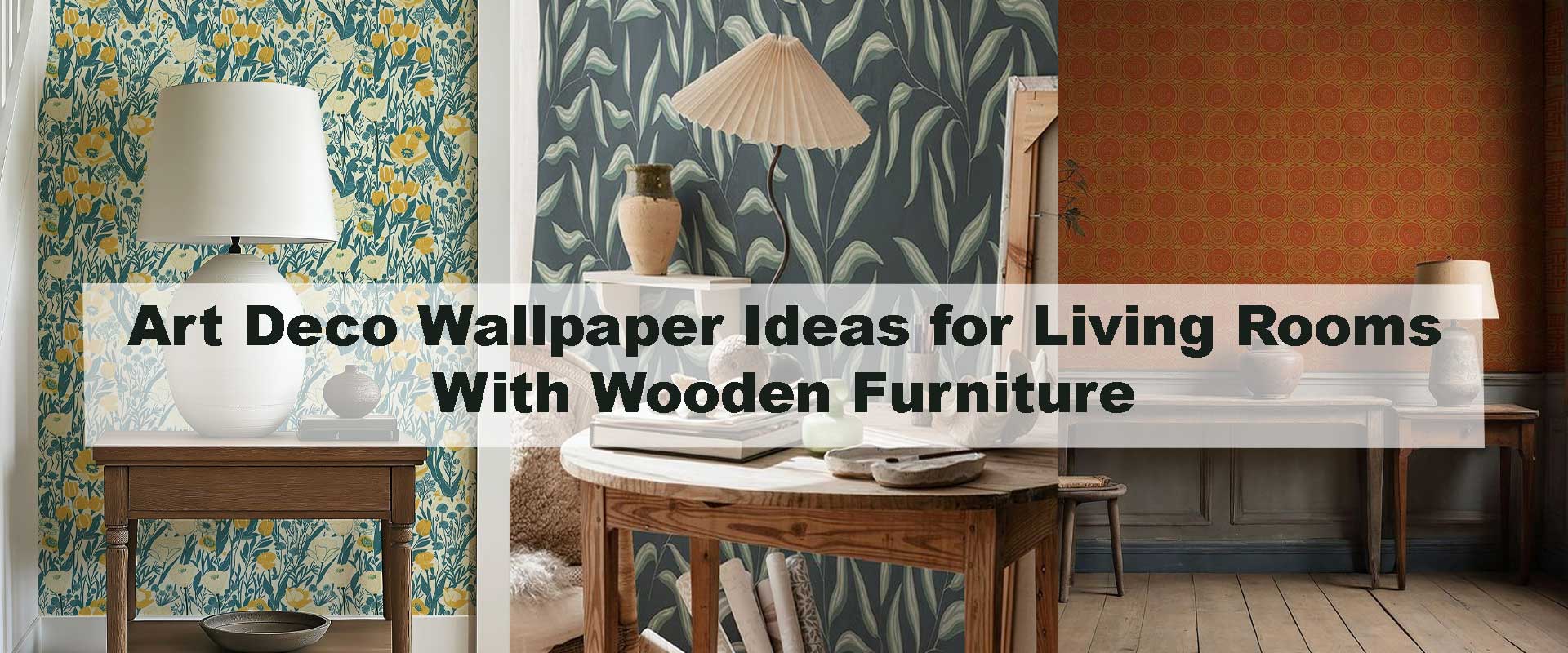
Art Deco Wallpaper Ideas for Living Rooms With Wooden Furniture
Bold geometry, rich finishes, and timeless glamour—Art Deco wallpaper ideas for living rooms with wooden furniture offer a refined way to balance warmth and sophistication. If your living space already features wood—whether honey-toned oak, deep walnut, or rustic reclaimed timber—Art Deco patterns can elevate the room without overpowering its natural character. The secret lies in pairing structured designs with organic textures so the space feels curated rather than rigid. When done right, this combination creates living rooms that feel elegant, grounded, and effortlessly inviting.
Why Art Deco Works So Well With Wooden Furniture
Art Deco thrives on contrast, which is exactly why it pairs so naturally with wooden furniture. The style’s crisp geometry, structured symmetry, and refined metallic accents bring clarity and intention to spaces where wood introduces organic warmth. While wood expresses movement through grain and texture, Art Deco wallpaper adds rhythm and order, ensuring the room feels composed rather than casual. This balance allows each element to shine without overpowering the other.
Beyond aesthetics, this pairing works on an emotional level. Wooden furniture creates familiarity and comfort, making living rooms feel grounded and personal. Art Deco, on the other hand, introduces a sense of confidence and quiet glamour. Together, they form interiors that feel inviting yet elevated—spaces that support everyday living while still offering visual drama and design presence.
Choosing the Right Wood Tone for Art Deco Wallpapers
Light Woods: Airy and Contemporary
Light woods such as ash, birch, and pale oak naturally enhance the elegance of softer Art Deco wallpapers. Fine-line geometric patterns, subtle arches, and champagne-toned metallic detailing add refinement without weighing the room down. This pairing is especially effective in compact living rooms or homes with limited daylight, where maintaining openness is essential.
Art Deco designs with vertical emphasis work particularly well alongside light wood furniture. Elongated motifs draw the eye upward, subtly increasing the sense of height while allowing the natural brightness of the wood to remain a focal point. The result feels modern, calm, and visually breathable.
Medium Woods: Warm and Balanced
Medium-toned woods like teak, walnut-stained oak, or honey finishes offer exceptional flexibility. Their warmth provides a strong foundation that can support both expressive and restrained Art Deco wallpapers. Fan motifs, stepped geometry, and marble-inspired patterns feel especially harmonious, creating living rooms that feel layered without becoming busy.
This is where Art Deco Wallpaper proves most versatile. Medium woods act as a visual anchor, allowing wallpaper patterns to stand out while keeping the overall palette cohesive. The space feels thoughtfully composed, with neither element dominating the room.
Dark Woods: Dramatic and Luxurious
Dark woods such as walnut, mahogany, or ebony bring depth and gravitas to living rooms, making them ideal partners for bold Art Deco wallpaper. High-contrast geometry, rich jewel tones, and refined metallic detailing enhance the wood’s intensity, creating spaces that feel cinematic and richly styled.
Lighting becomes especially important in these interiors. Soft ambient light and layered illumination prevent the room from feeling heavy, allowing wallpaper patterns and wood finishes to reveal their depth gradually. When balanced correctly, dark wood and Art Deco wallpaper create living rooms that feel intimate, confident, and unmistakably luxurious.
Best Art Deco Wallpaper Patterns for Wooden Living Rooms
Choosing the right Art Deco wallpaper pattern is essential when wooden furniture already defines the character of the living room. Wood brings warmth, variation, and natural movement, so the wallpaper should complement these qualities rather than compete with them. The most successful Art Deco patterns echo structure, rhythm, and flow—allowing the room to feel intentional, balanced, and visually rich.
Geometric Lines That Echo Wood Grain
Linear Art Deco patterns work beautifully with wooden furniture because they reflect the natural direction and repetition found in wood grain. Straight lines, stepped forms, and chevron arrangements create visual continuity, helping walls and furniture feel connected rather than separate elements. When placed behind wooden consoles, shelving units, or sideboards, these patterns appear deliberate and architecturally grounded.
This approach is especially effective in living rooms with clean-lined furniture, where simplicity allows geometry to stand out. Geometric Art Deco Wallpaper enhances the clarity of modern wooden silhouettes while introducing rhythm and depth to the walls. The result feels structured yet relaxed, avoiding stiffness through the warmth of natural materials.
Sunburst and Fan Motifs for Statement Walls
Sunburst and fan motifs are among the most recognizable expressions of Art Deco design, and they pair effortlessly with wood. These patterns introduce movement and visual energy, making them ideal for statement walls behind sofas or primary seating areas. The radiating lines draw attention outward, creating a sense of openness even in more enclosed living rooms.
When set against wooden furniture, these bold motifs feel balanced rather than overpowering. The organic texture of wood softens their graphic impact, preventing the space from feeling overly formal. Fan patterns, in particular, work well as focal points—anchoring the room while adding elegance and flow without visual clutter.
Marble-Inspired Deco Patterns With Wood
Marble-inspired Art Deco wallpapers offer a softer, more fluid alternative to rigid geometry. Their gentle veining introduces movement that contrasts beautifully with the solidity and structure of wooden furniture. This pairing creates a layered effect, where smooth visual transitions balance the tactile presence of wood.
These designs are ideal for living rooms that lean toward understated luxury. When wooden furniture features visible grain or handcrafted details, marble-inspired patterns allow both elements to coexist naturally. The contrast between organic wood textures and flowing stone effects feels curated and timeless rather than decorative for its own sake.
Color Pairings That Enhance Wood and Art Deco Together
Color plays a decisive role in how Art Deco wallpaper and wooden furniture interact. The right palette can elevate the warmth of wood while allowing Deco patterns to express their full character without overwhelming the space.
Warm Neutrals for Timeless Appeal
Warm neutral shades—such as cream, taupe, sand, and soft greige—create an effortless dialogue between wallpaper and wood. These tones highlight natural wood finishes while giving Art Deco patterns room to breathe. Instead of competing for attention, both elements contribute to a calm, cohesive atmosphere.
This palette is especially suitable for living rooms designed around long-term furniture investments. Wooden pieces remain constant, while neutral Art Deco wallpapers introduce subtle sophistication that evolves gracefully over time. The space feels refined, adaptable, and enduring.
Jewel Tones That Elevate Wooden Furniture
Deep jewel tones like emerald green, navy blue, and rich burgundy are synonymous with Art Deco elegance. When paired with wooden furniture, these colors add depth and drama, making the wood feel more intentional and luxurious. The contrast enhances both elements, creating a living room that feels confident and layered.
For a particularly striking yet controlled effect, Navy Blue Art Deco Wallpaper works exceptionally well with medium to dark wood tones. The richness of navy deepens the room visually while allowing wood grain and texture to remain prominent rather than overshadowed.
Metallic Accents Without Excess
Metallic detailing—gold, brass, or champagne—is a defining feature of Art Deco, but restraint is essential when wood is present. Fine metallic lines within wallpaper patterns add light reflection and elegance without pulling focus away from wooden furniture. When paired with warm ambient lighting, these accents feel soft and refined rather than flashy.
The goal is balance. Metallics should highlight geometry and movement, not dominate the visual field. Used thoughtfully, they enhance the natural warmth of wood and reinforce the luxurious undertone that makes Art Deco such a timeless choice for living rooms.
Feature Wall vs Full-Room Coverage With Wooden Furniture
Deciding how much Art Deco wallpaper to use can dramatically shape the mood of a living room, especially when wooden furniture already carries strong visual weight. The choice between a feature wall and full-room coverage should reflect how expressive the furniture is, how much natural light the room receives, and the level of drama you want the space to hold.
Feature Walls for Subtle Drama
A single Art Deco feature wall is often the most balanced option when wooden furniture has pronounced grain, rich color, or sculptural detailing. By concentrating pattern and geometry on one surface, the room gains a clear focal point without overwhelming the warmth of the wood. This keeps the space visually composed while still introducing the glamour and structure Art Deco is known for.
Feature walls work especially well behind sofas, fireplaces, or media units, where the wallpaper naturally anchors the seating arrangement. They also offer freedom to use bolder colors, metallic accents, or expressive motifs—allowing experimentation without committing the entire room to high visual intensity. The result feels curated, confident, and easy to live with over time.
Full-Room Deco for Cohesive Luxury
Full-room Art Deco wallpaper coverage creates a more immersive experience, ideal for living rooms with clean-lined wooden furniture and uncluttered layouts. When furniture silhouettes are simple, wallpaper can take a leading role without visual conflict, enveloping the space in a consistent rhythm and tone.
This approach works best when the wallpaper palette closely complements the wood finish, allowing both elements to blend seamlessly rather than compete. The effect is cohesive and design-forward, giving the living room a boutique-style presence that feels intentional, refined, and distinctly luxurious.
Matching Furniture Styles With Art Deco Wallpapers
Different furniture styles interact with Art Deco wallpaper in unique ways. Understanding these relationships helps ensure the pairing feels harmonious rather than forced.
Mid-Century Wooden Furniture
Mid-century wooden furniture pairs effortlessly with Art Deco wallpaper due to their shared appreciation for geometry and proportion. Tapered legs, streamlined profiles, and warm wood tones naturally echo Deco’s structured patterns. This alignment allows wallpaper designs to enhance the furniture rather than distract from it.
The combination feels retro without nostalgia overload—modern enough for contemporary homes while still grounded in timeless design principles. It’s an ideal choice for living rooms that value character, balance, and enduring appeal.
Traditional Wooden Furniture
Traditional wooden furniture, with its carved details and classic silhouettes, benefits from a more restrained Art Deco approach. Subtle patterns, softened geometry, and muted color palettes prevent the space from feeling overly ornate. Gentle metallic accents add refinement without clashing with traditional craftsmanship.
When handled carefully, the contrast between structured Deco wallpaper and decorative furniture creates a layered elegance. The room feels rich and expressive, yet controlled, allowing both styles to coexist gracefully.
Contemporary Wooden Furniture
Modern wooden furniture thrives alongside bolder Art Deco wallpaper designs. Minimalist forms provide a calm backdrop, giving large-scale geometry, strong contrast, and confident color choices room to shine. This pairing injects personality into contemporary living rooms without sacrificing clarity or cohesion.
Art Deco patterns prevent modern wooden interiors from feeling too restrained or impersonal, adding visual interest while preserving clean architectural lines.
Texture Matters: Beyond Flat Surfaces
Texture plays a vital role in uniting Art Deco wallpaper with wooden furniture. Many Deco designs feature raised lines, layered patterns, or stone-inspired effects that introduce depth without clutter. These tactile qualities resonate naturally with wood, which already brings sensory richness through grain and finish.
As light shifts throughout the day, textured wallpapers interact subtly with shadows and highlights, enhancing the living room’s atmosphere. Textured Art Deco Wallpaper is especially effective in wooden interiors, echoing the furniture’s tactile appeal while reinforcing the refined sophistication that defines Art Deco style.
Lighting Tips to Enhance the Pairing
Lighting is one of the most important elements in successfully uniting Art Deco wallpaper with wooden furniture. Warm light temperatures naturally enrich wood tones, drawing out their depth and grain while softening the precision of Art Deco geometry. This balance prevents patterns from feeling too sharp and keeps the living room inviting rather than formal.
Layered lighting is especially effective in these spaces. Wall sconces introduce vertical illumination that enhances wallpaper texture and pattern flow, while table and floor lamps add warmth at seating level. Indirect lighting—such as concealed LED strips or soft uplighting—reduces harsh shadows and allows metallic accents within the wallpaper to reflect light gently. Instead of glare, the room gains subtle dimension and a calm, ambient glow that evolves throughout the day.
Styling Accessories That Complete the Look
Accessories play a quiet but essential role in connecting wooden furniture with Art Deco wallpaper. Soft textiles like velvet cushions, wool throws, or lightly textured linen curtains introduce comfort and movement, preventing the room from feeling overly structured. These materials counterbalance geometric patterns, making the space feel livable as well as refined.
Decorative accents should echo Art Deco character without dominating it. Brass trays, sculptural ceramic pieces, or glass objects with curved forms subtly reinforce Deco motifs while complementing the warmth of wood. The key is intention—each accessory should serve a visual purpose. When styling is restrained and thoughtful, the living room maintains harmony, allowing wallpaper and furniture to remain the true focal points.
Common Mistakes to Avoid
One of the most common missteps when pairing Art Deco wallpaper with wooden furniture is ignoring wood undertones. Warm woods paired with cool, blue-based wallpapers can feel disconnected, making the furniture appear visually out of place rather than intentional. Similarly, extremely busy or tightly packed patterns can compete with strong wood grain, creating visual noise instead of harmony.
Another frequent issue is overusing metallic elements. While metallic accents are a defining feature of Art Deco, too much gold or high-shine detailing can overwhelm richly toned wood, tipping the space from elegant into excessive. Metallics should act as highlights that guide the eye, not dominate the room.
Ultimately, balance determines success. Allow either the wallpaper or the wooden furniture to lead visually, while the other plays a supporting role. When both elements try to command equal attention, the space can feel unsettled rather than refined.
How Art Deco Wallpaper Supports Long-Term Living Room Design
Art Deco is valued not only for its visual impact but also for its longevity. The style’s focus on symmetry, proportion, and considered detailing gives it a timeless quality that transcends short-lived interior trends. When combined with wooden furniture, this structure brings permanence and clarity, helping living rooms feel composed year after year.
This enduring appeal helps explain Why Art Deco Wallpaper Is Returning as the Biggest Luxury Design Trend, particularly in interiors that prioritize depth, character, and lasting style over novelty. Art Deco patterns retain their elegance even as tastes evolve, making them a reliable foundation for long-term design.
Wood further strengthens this longevity. As wooden furniture matures, its patina deepens rather than fades, working beautifully alongside Art Deco wallpaper that maintains its graphic strength. Together, they create living rooms that feel thoughtful, resilient, and confidently designed—spaces that grow richer with time instead of feeling dated.
Art Deco Wallpaper Choices With Wooden Furniture
| Wood Tone | Best Deco Pattern | Color Direction | Overall Mood |
|---|---|---|---|
| Light Wood | Linear geometry | Soft neutrals, champagne | Airy and refined |
| Medium Wood | Fan or marble-inspired | Warm greens, navy | Balanced luxury |
| Dark Wood | Bold geometrics | Jewel tones, gold accents | Dramatic elegance |
Frequently Asked Questions
Do Art Deco wallpapers overpower wooden furniture?
No. When patterns and colors are chosen thoughtfully, Art Deco wallpapers enhance wooden furniture by providing contrast and structure rather than competition.
Are Art Deco wallpapers suitable for small living rooms with wood furniture?
Yes. Lighter colors, fine-line patterns, and feature-wall placement help small spaces feel sophisticated without feeling crowded.
Should wallpaper match the wood exactly?
Matching tones too closely can flatten the room. Slight contrast creates depth and visual interest while maintaining harmony.
Can rustic wooden furniture work with Art Deco wallpaper?
Absolutely. The contrast between rustic textures and refined Deco patterns creates a layered, curated look when balanced carefully.
How many walls should feature Art Deco wallpaper?
One feature wall is often enough, but full-room coverage works well in spaces with minimal furniture detailing.
Final Thoughts
Art Deco wallpaper ideas for living rooms with wooden furniture offer a timeless way to blend warmth with sophistication. By balancing structured patterns with natural textures, homeowners can create spaces that feel elegant yet welcoming. Whether you choose subtle geometry or bold statement designs, the key lies in harmony—allowing wood and wallpaper to enhance each other rather than compete. Thoughtful choices in color, pattern, and placement ensure your living room remains stylish, comfortable, and enduring for years to come.