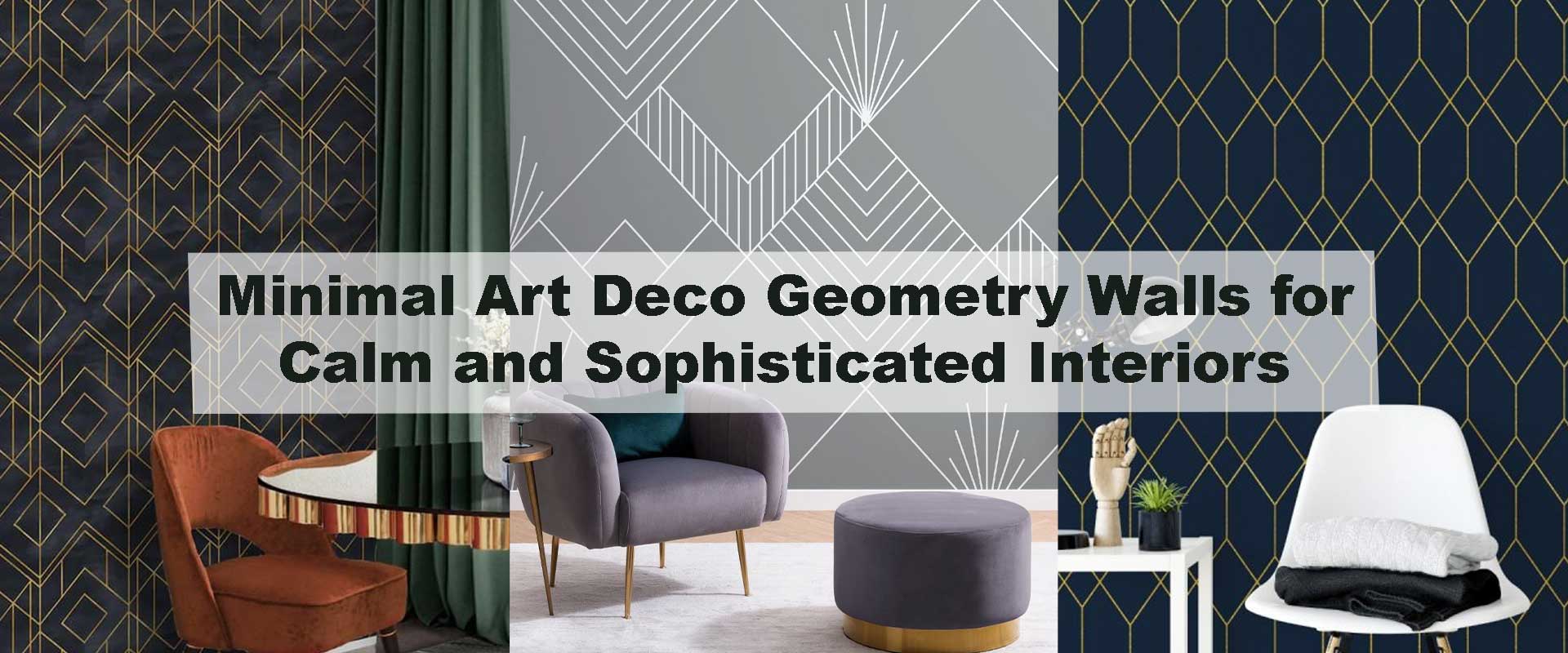
Minimal Art Deco Geometry Walls for Calm and Sophisticated Interiors
Minimal Art Deco geometry walls have quietly become one of the most refined choices for interiors that seek elegance without excess. Clean lines, balanced symmetry, and softened metallic accents create spaces that feel composed rather than dramatic. Instead of overpowering a room, geometric Art Deco patterns guide the eye gently, adding structure and rhythm while maintaining calm.
For homeowners and designers who want sophistication without visual noise, this approach blends modern restraint with the timeless glamour Art Deco is known for. Subtle geometry offers a visual anchor, bringing order, warmth, and confidence to interiors that value clarity and atmosphere over ornamentation.
Why Minimal Art Deco Geometry Feels Naturally Calming
Art Deco is often associated with bold glamour, yet when its geometry is distilled to its essentials, it becomes surprisingly soothing. Repeated lines, measured spacing, and symmetrical layouts introduce predictability, which the eye naturally interprets as calm and ordered. Instead of demanding attention, minimal geometry quietly guides visual movement across the wall, creating a sense of rhythm without interruption.
This controlled elegance reflects the enduring appeal of Art Deco Wallpaper in contemporary interiors, where luxury is expressed through balance rather than excess. Softened geometry, paired with muted tones and generous negative space, allows walls to feel grounded and composed. The result is an interior atmosphere that feels intentional, emotionally steady, and quietly confident rather than visually assertive.
The Power of Geometry in Sophisticated Interior Design
Geometry plays a subtle psychological role in shaping how a space is perceived and experienced. Vertical lines gently draw the eye upward, enhancing openness and perceived height, while horizontal elements introduce reassurance and stability. When these forms are arranged with Art Deco symmetry, the room feels visually resolved, creating an immediate sense of order and refinement.
Minimal geometric walls are particularly effective in interiors designed for calm living. Consistent line repetition creates visual continuity, allowing furniture silhouettes, lighting layers, and material textures to stand out without competition. This sense of balance aligns beautifully with curated selections like Geometric Art Deco Wallpaper, where architectural structure is softened into an elegant, livable design language.
Color Palettes That Enhance Calm Art Deco Geometry
Color choice plays a defining role in how minimal Art Deco geometry is perceived. Soft neutrals such as warm ivory, pale stone, and misted gray allow geometric forms to remain visible without introducing visual tension. These hues diffuse light gently across the surface, preventing harsh contrasts and supporting a relaxed atmosphere throughout the day.
Richer tones can also feel calm when used with restraint. Deep emerald or navy introduces depth and intimacy, especially when balanced with fine metallic detailing and tonal layering. Designs like Emerald Green Art Deco Wallpaper and Navy Blue Art Deco Wallpaper show how saturated color can maintain sophistication, proving that calm interiors do not require light palettes—only thoughtful control.
Subtle Metallics for Quiet Luxury
Metallic detailing has always been integral to Art Deco, but within minimal interiors, its role becomes far more refined. Instead of bold shine, thin lines of brushed gold, soft champagne, or muted bronze are woven delicately into geometric compositions. These accents introduce warmth and dimension while avoiding visual glare, allowing the wall to feel luminous rather than reflective.
This restrained use of metallics creates surfaces that respond gently to changing light throughout the day. Walls feel elegant yet approachable, offering sophistication without formality. Carefully balanced designs within Luxury Metallic Art Deco Wallpaper collections demonstrate how metallic elements can act as quiet highlights—punctuating geometry with grace rather than overpowering the overall mood.
Texture Over Bold Pattern for Visual Comfort
In minimal Art Deco interiors, texture often takes precedence over strong pattern contrast. Light embossing, textile-inspired surfaces, and stone-like finishes add depth while preserving visual softness. Geometry emerges subtly through relief and shadow rather than sharp color shifts, making walls feel calm, tactile, and inviting.
This approach allows interiors to retain Art Deco character without visual fatigue. Textured surfaces respond beautifully to ambient lighting, enhancing warmth and spatial depth. Collections such as Textured Art Deco Wallpaper are especially well suited to interiors that value comfort and quiet sophistication, offering a contemporary interpretation of classic Art Deco rhythm.
Where Minimal Art Deco Geometry Works Best
Minimal Art Deco geometry adapts effortlessly across a range of interior spaces. In living areas, these walls provide a composed architectural backdrop that complements furniture layouts, layered lighting, and curated décor. Options within Art Deco Wallpaper for Living Room selections bring structure without rigidity, supporting spaces designed for both relaxation and social connection.
Bedrooms benefit even more profoundly from simplified geometry. Gentle repetition and softened metallic accents encourage rest while maintaining elegance. Designers often gravitate toward serene designs found in Art Deco Wallpaper for Bedrooms, where geometry enhances tranquility, allowing the room to feel refined, balanced, and emotionally restorative rather than visually stimulating.
Furniture Pairings That Elevate Geometric Walls
Minimal Art Deco geometry walls reach their full potential when paired with furniture that mirrors their sense of balance and restraint. Pieces with clean silhouettes, low profiles, and gently rounded edges soften the precision of geometric lines, preventing the space from feeling overly architectural. This interplay between structure and softness creates interiors that feel composed yet comfortable rather than rigid or formal.
Natural materials play an essential role in maintaining warmth. Wood finishes such as walnut or oak complement the symmetry of Art Deco geometry, adding organic contrast to linear patterns. Upholstery in linen, velvet, or boucle introduces tactile richness, ensuring the walls remain a refined backdrop that enhances the furnishings instead of competing for attention.
Lighting Choices That Support Calm Geometry
Lighting has a powerful influence on how geometric walls are experienced. Soft, diffused illumination minimizes harsh shadows, allowing patterns to appear fluid and continuous rather than sharp or segmented. Indirect sources such as wall washers or concealed lighting gently trace geometric forms, highlighting texture without creating visual tension.
Metal finishes in lighting elements work best when they subtly echo wallpaper accents rather than replicate them exactly. This layered coordination adds depth and cohesion while preserving visual ease. With thoughtful lighting, minimal Art Deco geometry walls transition effortlessly from daytime clarity to evening warmth, maintaining a welcoming atmosphere throughout.
Minimal Art Deco Geometry in Dining and Entertaining Spaces
In dining and entertaining areas, minimal Art Deco geometry introduces a sense of order that feels refined rather than imposing. Clean, symmetrical patterns bring quiet formality to the space, while muted color palettes ensure the environment remains relaxed and approachable. Designs from Art Deco Wallpaper for Dining Area collections offer this balance beautifully, supporting shared moments without visual distraction.
Here, geometry acts as a framing element rather than a focal point. Subtle repetition helps anchor furniture placement and guides circulation naturally, allowing conversation and connection to take center stage. The result is an entertaining space that feels effortlessly elegant, structured yet inviting.
Minimal vs Bold Art Deco Geometry
| Feature | Minimal Geometry Walls | Bold Geometry Walls |
|---|---|---|
| Visual impact | Soft and composed | Dramatic and statement-driven |
| Mood | Calm, refined, balanced | Energetic, glamorous |
| Best suited for | Living rooms, bedrooms, dining spaces | Feature walls, commercial spaces |
| Color approach | Muted, tonal palettes | High contrast, metallic emphasis |
| Longevity | Timeless and adaptable | Trend-focused, expressive |
How Minimal Geometry Supports Long-Term Design Appeal
One of the most enduring strengths of minimal Art Deco geometry walls lies in their ability to evolve gracefully over time. Subtle line work and restrained symmetry avoid trend-heavy styling, allowing these patterns to adapt effortlessly as furniture silhouettes, materials, and color palettes change. Rather than anchoring a space to a specific moment, minimal geometry provides a stable visual framework that remains relevant through shifting tastes.
This sense of permanence reflects the wider design movement discussed in Why Art Deco Wallpaper Is Returning as the Biggest Luxury Design Trend, where timeless structure is reinterpreted through modern restraint. By emphasizing balance over decoration, minimal Art Deco geometry ensures interiors feel refined today while retaining composure and sophistication for years to come.
Conclusion
Minimal Art Deco geometry walls offer a rare balance of calm and sophistication, blending structure with softness in a way few styles can achieve. Through restrained patterns, thoughtful color palettes, and subtle metallic accents, these walls create interiors that feel intentional, elegant, and deeply livable.
For those seeking refinement without excess, minimal Art Deco geometry provides a timeless foundation. By choosing designs that emphasize balance and texture, you can create spaces that feel quietly luxurious while remaining adaptable to changing tastes. Explore the possibilities and let geometry guide your interiors toward effortless sophistication.
Frequently Asked Questions
Do minimal Art Deco geometry walls suit modern interiors?
Yes. Minimal Art Deco geometry blends seamlessly with modern interiors because it emphasizes clean lines, symmetry, and restraint. The structured patterns add character without visual clutter, allowing contemporary furniture and open layouts to feel more refined and intentional.
Which colors work best for minimal Art Deco geometry walls?
Soft neutrals like ivory, warm beige, stone gray, and muted taupe work exceptionally well. Deeper tones such as emerald green or navy can also feel calm when paired with subtle metallic detailing and balanced lighting, keeping the overall look composed.
Can minimal Art Deco geometry walls make a space feel smaller?
No. When designed with fine lines and open spacing, geometric patterns often enhance spatial clarity. Vertical or evenly spaced motifs can visually lift ceilings and create a sense of order, making rooms feel more spacious rather than confined.
Are minimal geometric Art Deco walls suitable for bedrooms?
Absolutely. Simplified geometry encourages visual rhythm and calm, which supports rest and relaxation. Soft finishes, muted palettes, and understated metallic accents help maintain a serene atmosphere without sacrificing elegance.
How do you style furniture with geometric Art Deco walls?
Furniture with clean silhouettes, rounded edges, and soft textures works best. Natural wood finishes, plush upholstery, and subtle metallic accents complement geometric walls while preventing the space from feeling rigid or overly formal.
Do minimal Art Deco geometry walls age well over time?
Yes. Their restrained design makes them highly adaptable to changing trends. Unlike bold patterns, minimal geometry remains timeless, allowing interiors to evolve without the walls feeling dated or visually overwhelming.