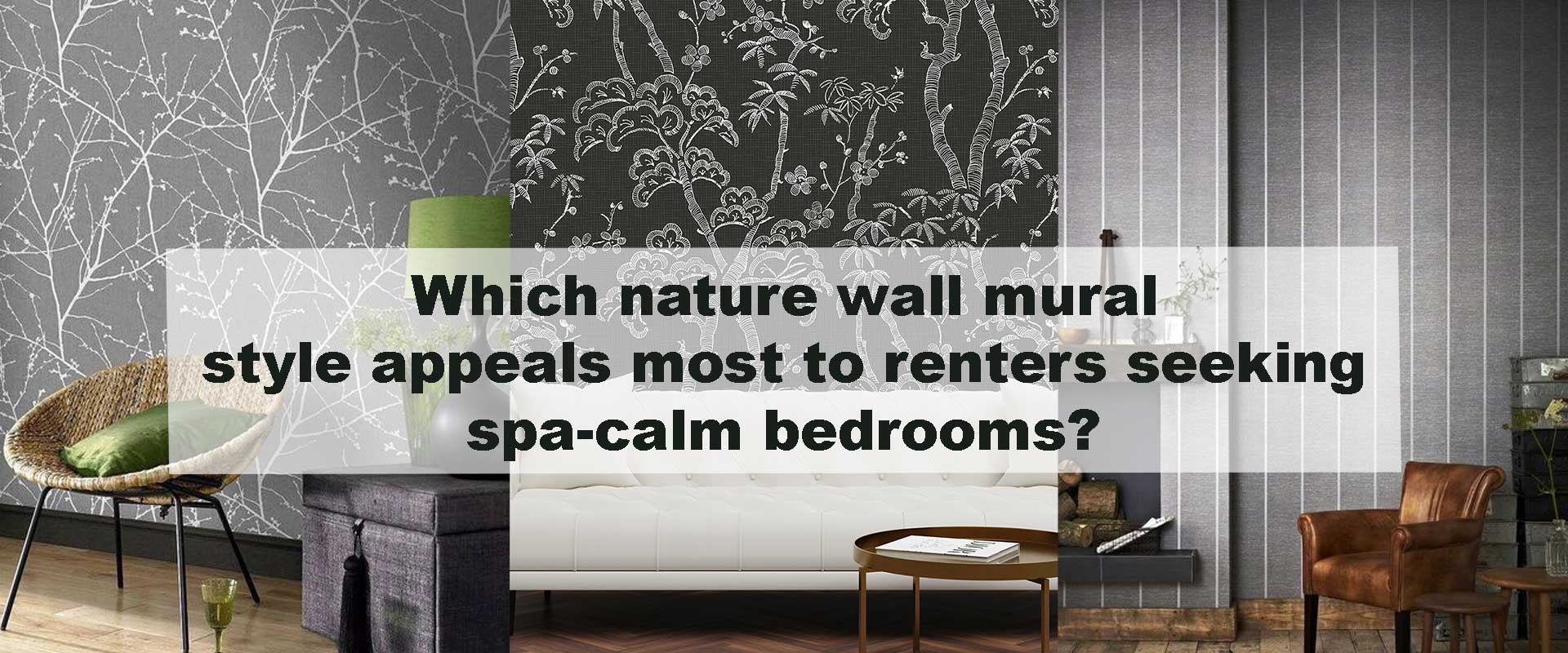
Which nature wall mural style appeals most to renters seeking spa-calm bedrooms?
Craving spa-level calm in a rented bedroom without making permanent changes can feel challenging, especially when walls are plain and design freedom is limited. Renters often want a space that feels restorative, quiet, and deeply personal, yet easy to reset when it’s time to move. Nature wall murals offer an elegant solution, but not every style delivers the same sense of serenity or flexibility. Some visuals calm the mind instantly, while others feel too bold or visually active for a space meant to support rest. Understanding which nature mural style truly supports spa-like calm helps renters create bedrooms that feel soothing, balanced, and emotionally grounding without compromising reversibility.
Why renters gravitate toward spa-calm bedroom aesthetics
Renters often experience visual fatigue caused by neutral walls, inconsistent lighting, or architectural proportions they cannot alter. Over time, these conditions subtly drain the space of emotional comfort. The bedroom therefore becomes an essential reset zone—where sleep quality, stress levels, and mental clarity quietly improve or decline depending on how visually calm the environment feels. Spa-calm design responds to this need by prioritizing gentle imagery, controlled contrast, and slow visual rhythm, making it especially appealing for renters who want emotional ease without renovation.
Nature imagery supports this goal exceptionally well because it reflects environments the brain instinctively associates with safety and restoration. When thoughtfully selected, murals inspired by Nature wallpaper for bedrooms can replace artwork, headboards, and layered décor, allowing the room to feel lighter, more flexible, and visually uncluttered—an ideal balance for temporary living spaces.
The #1 nature wall mural style renters choose for spa-calm bedrooms: soft landscape panoramas
Among all nature mural styles, soft landscape panoramas with misty depth and muted tones consistently appeal most to renters seeking spa-calm bedrooms. These murals often feature distant horizons, gently rolling terrain, fog-washed forests, or tranquil waterlines that dissolve softly into the background rather than stopping abruptly at the wall.
What sets this style apart is how effortlessly it calms the space without asserting visual dominance. The imagery feels immersive yet quiet, offering expansion rather than decoration. Because details fade gradually instead of sharpening, the mural reads as atmosphere rather than artwork. This is why renters often gravitate toward compositions influenced by Forest nature wallpaper or softly layered landscapes, where depth is present but never visually demanding.
Why mist-softened landscapes feel inherently relaxing
The human eye naturally relaxes when it encounters gradual transitions instead of sharp edges or high contrast. Mist-softened landscapes—whether forested, mountainous, or lakeside—reduce visual boundaries and soften depth perception. This slows eye movement, which signals the nervous system to shift out of alert mode and into a more restorative state.
In bedrooms, this effect becomes especially powerful. A wall that gently recedes rather than commands attention helps the body release tension as evening approaches. This calming mechanism aligns closely with insights shared in Which nature mural supports the deepest feeling of emotional calm before bedtime?, where layered imagery supports rest by minimizing sensory overload.
Renter advantage: flexibility without visual compromise
Soft panoramic nature murals offer renters a rare balance between emotional impact and practical flexibility. Because these designs avoid bold color blocks, rigid symmetry, or high-contrast detailing, they are forgiving of minor wall imperfections and uneven room proportions. The mural adapts to the space instead of demanding ideal conditions, which is especially valuable in rented bedrooms.
This adaptability makes it easier to create a cohesive, calming look even in smaller or awkward layouts. When paired with light bedding and simple furniture, the mural naturally becomes the room’s emotional anchor. Styles influenced by atmospheric landscapes or softened elevations—similar in tone to Mountain nature wallpaper—help reduce the need for excess décor, keeping the bedroom calm, uncluttered, and easy to reset when moving day arrives.
How this style compares to other popular nature mural options
Spa-calm impact comparison
| Nature mural style | Visual calm | Renter friendliness | Bedroom suitability |
|---|---|---|---|
| Soft misty landscapes | Very high | Excellent | Ideal |
| Dense forest close-ups | Moderate | Good | Situational |
| Bold botanical prints | Low–moderate | Fair | Better for accents |
| High-contrast mountains | Moderate | Good | Depends on color |
| Tropical scenes | Low | Fair | Energizing, not calming |
Soft landscapes outperform other styles because they avoid visual pressure. Instead of pulling the eye forward, they allow it to drift gently—much like spa interiors designed around water, stone, and air.
Forest murals: calming, but only in distant compositions
Forest-themed nature murals remain a favorite among renters, but their emotional impact depends heavily on how the forest is portrayed. Close-up foliage, dense leaves, or sharply defined branches can feel immersive at first, yet in a bedroom setting they often become visually heavy. This effect is amplified in rented spaces where natural light may be limited, causing darker greens and tight patterns to absorb light rather than soften it.
In contrast, distant forest scenes with layered trees dissolving gently into mist create a far more calming experience. These compositions introduce depth without enclosure, allowing the wall to feel expansive instead of enclosing. The eye drifts naturally through softened tree lines rather than stopping at sharp edges, which supports mental relaxation before sleep. This restrained approach mirrors the quiet elegance found in Forest nature wallpaper, where atmosphere and tonal layering matter more than botanical precision.
Water-inspired landscapes and spa psychology
Water carries a near-universal association with calm, but renters seeking spa-like bedrooms respond best to still or slow-moving water scenes rather than energetic compositions. Lake reflections, glassy rivers, and horizon-blended shorelines offer visual steadiness, while crashing waves or turbulent seas introduce motion that can feel stimulating rather than restful.
These gentler water landscapes echo spa environments where water is presented as smooth, reflective, and controlled. When paired with muted palettes—soft blues, foggy greys, and warm stone tones—water imagery helps quiet mental chatter and anchor the space emotionally. This calming influence aligns closely with Nature wall mural scenes of lakeside sunrises slow the pace of busy primary bedrooms, where subtle waterscapes create an evening rhythm that supports unwinding and rest.
Mountain landscapes: calm when softened, overwhelming when sharp
Mountain nature murals naturally convey strength and scale, but for renters aiming for spa-calm bedrooms, restraint is essential. Sharp peaks, dramatic contrasts, and high-definition ridgelines can energize a room, drawing the eye upward and increasing visual tension—an effect that works better in living spaces than areas meant for rest.
A gentler alternative lies in snow-washed or fog-layered mountain scenes, where outlines soften and forms recede gradually into the distance. When mountains appear tonal rather than sculptural, they evoke stability without dominance, grounding the room without overwhelming it. This approach is especially effective when inspired by Mountain nature wallpaper, where atmospheric depth replaces sharp detail, allowing the bedroom to feel serene, balanced, and emotionally steady.
Color palette matters more than subject
Renters often assume the subject of a mural determines how calming it feels, but in spa-inspired bedrooms, color palette plays an even more influential role. The eye responds first to tone before it processes imagery, which means color harmony directly affects how relaxed or stimulated a space feels. Even the most peaceful nature scene can feel visually tense if the palette carries too much contrast or saturation.
Spa-calm bedrooms consistently benefit from restrained, mineral-inspired hues such as warm greys and stone tones that feel grounding rather than flat. Soft sage, eucalyptus, and moss greens echo foliage without visual sharpness, while muted blues with grey undertones bring a water-like stillness without feeling cold. Beige-infused whites and foggy neutrals further soften transitions, helping walls recede gently instead of commanding attention.
These palettes absorb light softly rather than bouncing it back harshly, which is especially important in rented bedrooms that rely on artificial or uneven lighting. High saturation, glossy finishes, or strong contrast can disrupt this balance, undermining calm regardless of how serene the nature theme itself may be.
Why panoramic scale enhances renter bedrooms
Panoramic nature murals outperform framed art or smaller repeating patterns because they eliminate visual interruptions across the wall surface. A continuous horizon allows the eye to move fluidly rather than stopping and restarting, which reduces mental fragmentation and creates a more meditative spatial experience.
For renters, this approach offers both emotional and practical benefits. One expansive mural can replace multiple décor elements—artwork, headboards, or accent pieces—while still maintaining a minimalist, spa-inspired atmosphere. This simplicity aligns naturally with the appeal of Nature wallpaper as a single, transformative feature that defines the room without visual clutter or over-styling.
Best bedroom placement for spa-calm murals
Placement plays a crucial role in how calming a nature mural feels. Renters achieve the strongest spa-like effect when murals sit behind the bed, where the imagery becomes a stable visual anchor rather than a moving focal point. This position allows the mural to support rest rather than compete for attention.
Using the longest uninterrupted wall further enhances immersion, letting the scene unfold naturally without being broken by doors or furniture edges. Positioning murals opposite windows also helps soften incoming light, creating gentle reflections that shift subtly throughout the day. Avoid placing detailed murals near entry points or wardrobes, where constant movement and contrast can disrupt the sense of visual quiet the bedroom needs.
Styling tips renters love
Soft landscape murals pair best with materials and forms that echo their calmness. Linen or cotton bedding in neutral tones complements muted palettes without adding visual noise, while minimal wood furniture with rounded edges reinforces organic flow. These elements work together to create a tactile softness that mirrors spa interiors.
Lighting choices matter just as much. Low, warm illumination supports evening relaxation far better than overhead glare, allowing mural tones to remain gentle rather than flattened. Keeping accessories sparse preserves visual breathing room, letting the mural carry the emotional narrative without competition from unnecessary décor.
Why renters avoid bold nature murals in bedrooms
Although tropical jungles, oversized florals, and high-contrast sunsets are visually compelling, renters seeking calm often find them overstimulating in sleep spaces. These designs draw attention continuously, keeping the mind engaged when it should be unwinding, particularly in smaller bedrooms where visual intensity feels amplified.
Bold murals also feel highly personal and stylistically fixed, which can be uncomfortable for renters who value flexibility. In temporary spaces, overly expressive imagery may limit future layout changes or styling adjustments, making calmer alternatives feel safer and more adaptable.
Subtle abstraction: a close second for spa-calm seekers
After soft landscapes, abstract nature murals with organic flow rank as a strong second choice for renters seeking spa-level calm. These designs hint at natural movement—water, mist, or wind—without defining a literal scene, allowing the wall to feel atmospheric rather than narrative.
This approach works especially well in ultra-minimal bedrooms where realism might feel too specific or visually assertive. Styles similar to those found in Abstract nature wallpaper rely on texture, tonal layering, and gentle motion to create calm without directing the eye too deliberately, making them ideal for renters who prefer quiet sophistication over scenic storytelling.
Frequently Asked Questions
Do nature wall murals make rented bedrooms feel smaller?
No. Soft, panoramic nature murals often expand perceived space by adding depth and horizon lines rather than enclosing the room.
Are spa-calm nature murals too neutral to feel personal?
Not at all. Subtle imagery allows renters to layer personality through textiles, lighting, and accessories without visual overload.
Can renters use nature murals without full wall coverage?
Yes. Even a single accent wall with soft landscape imagery can shift the entire room’s mood toward calm.
Which nature mural style works best with white walls?
Misty landscapes and soft forest scenes blend seamlessly with white, cream, or stone-colored walls.
Do nature murals help with sleep quality?
While not medical solutions, calming nature imagery supports relaxation by reducing visual stress before bedtime.
Final thoughts: the renter’s path to spa-calm bedrooms
For renters seeking spa-calm bedrooms, soft landscape nature wall murals with misty depth and muted palettes remain the most appealing and effective choice. They offer emotional quiet, visual expansion, and design flexibility—all without overwhelming a temporary space. By focusing on gentle transitions, panoramic scale, and restrained color, renters can transform ordinary bedrooms into restorative retreats that feel personal, peaceful, and effortlessly serene.