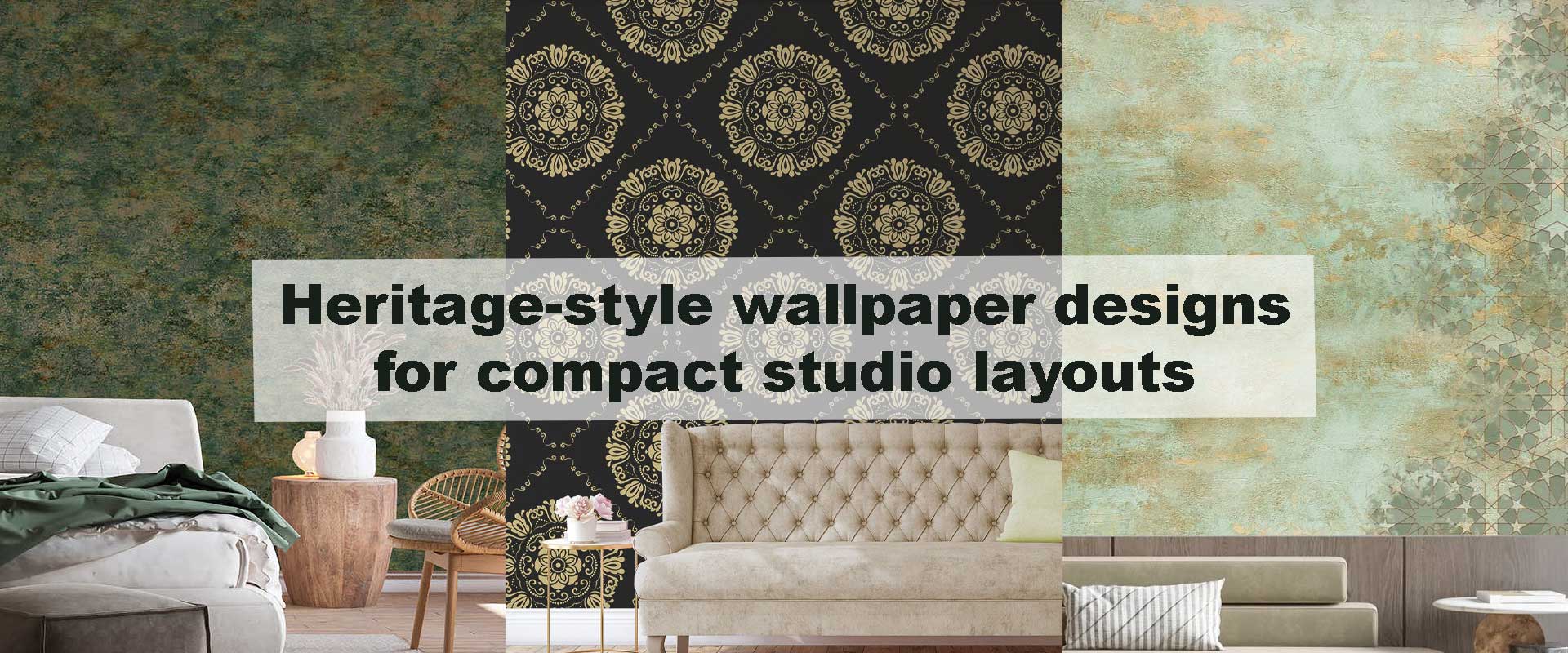
Heritage-style wallpaper designs for compact studio layouts
Small spaces deserve character, not compromise. Heritage-style wallpaper designs for compact studio layouts bring depth, warmth, and timeless personality without overwhelming limited square footage. When pattern scale, colour balance, and placement are handled with intention, traditional motifs can make a studio feel layered and thoughtfully composed rather than crowded. The key lies in using heritage visuals as structure—guiding the eye, defining zones, and adding visual rhythm that enhances everyday living.
Studios benefit most from designs that feel rooted and calm. Subtle damasks, softened florals, aged textures, and miniature ornamentation deliver history in a refined way, allowing the room to breathe while still feeling expressive. Within the first moments of entering a compact studio, the right wallpaper establishes mood and proportion, setting the tone for a space that feels curated rather than constrained.
Why Heritage Patterns Suit Compact Studios So Well
Heritage patterns function almost like visual architecture, which is why they translate so naturally into compact studio layouts. Their built-in symmetry, measured rhythm, and repeated structure bring a sense of order to walls that often need to serve multiple purposes. Instead of behaving like decorative surface treatments, well-balanced traditional designs subtly organise the room, helping a single space feel composed rather than visually scattered.
In studios, walls play an active role in shaping how the space is experienced. They influence circulation, define zones, and guide the eye from one function to another. A refined heritage pattern can gently distinguish sleeping, lounging, and dining areas without introducing partitions or heavy furniture. When scale remains restrained and colours stay soft, the wallpaper creates separation through visual logic rather than physical division, preserving openness while adding clarity.
There is also an emotional dimension to heritage styling that benefits small spaces. Traditional motifs carry familiarity and a sense of permanence, which helps studios feel grounded and lived-in rather than temporary or transitional. This quiet warmth makes compact interiors feel intentional and settled, turning limited square footage into a space with identity, continuity, and lasting comfort.
Heritage Wallpaper Styles That Work Best in Small Studios
Subtle Damask for Visual Structure
Damask patterns bring an inherent sense of order, which is especially valuable in compact studio layouts where visual clarity matters. Their symmetrical repeats introduce quiet rhythm, helping walls feel composed rather than decorative. When executed in muted palettes or low-contrast tones, damask shifts from ornament to texture, adding richness without enclosing the space.
Positioned behind a bed or sofa, damask creates an architectural backdrop that gives the studio a sense of permanence. This framing effect helps anchor key furniture pieces, making the layout feel deliberate and balanced instead of temporary or pieced together.
Soft Vintage Florals for Movement and Warmth
Vintage florals introduce a gentle sense of movement that softens the straight lines and sharp edges common in studio apartments. Smaller-scale blooms in washed or faded hues maintain airiness while still carrying the romance and familiarity of heritage design. This softness is particularly beneficial in studios where daylight is limited, as floral patterns prevent the space from feeling stark.
Florals also excel at visually blending zones. When a single wall connects lounging and sleeping areas, botanical flow creates cohesion rather than division, allowing the studio to feel unified while still layered.
Antique Textures and Aged Finishes
Heritage wallpapers inspired by aged surfaces—linen textures, worn plaster effects, or softly weathered finishes—offer depth without visual direction. This makes them ideal for studios, where strong patterns can feel overwhelming when constantly in view. Texture adds interest quietly, enriching the atmosphere without competing with furniture or artwork.
These finishes pair effortlessly with minimalist or contemporary furnishings, creating contrast that feels refined rather than forced. Their understated nature also makes them forgiving in compact spaces, supporting mood and warmth without demanding attention.
Miniature Ornamental Motifs
Small-repeat ornamental patterns deliver heritage charm in a scaled-down, studio-friendly way. Their tight rhythm creates visual interest while maintaining openness, preventing walls from feeling busy or oversized. Because the eye reads the pattern as a unified field, the room retains clarity and balance.
Mini motifs work best alongside clean-lined furniture and restrained décor. In this pairing, the wallpaper carries personality and historical reference, while the furnishings preserve spatial simplicity—an ideal balance for compact studio living.
Smart Placement Strategies for Compact Layouts
Feature Walls That Define Zones
Selective placement is what allows heritage wallpaper to elevate a studio rather than overwhelm it. Using a single wallpapered surface—behind a bed, sofa, or dining nook—creates visual zoning without interrupting openness. The wall quietly signals function, helping the space feel organised while preserving the fluidity that compact layouts depend on.
In smaller studios, this approach also gives furniture a sense of intention. A patterned backdrop anchors key pieces, making layouts feel composed instead of temporary. This principle mirrors the spatial thinking found in traditional wallpaper ideas that visually widen compact hallways, where thoughtful pattern placement reshapes perception without structural change.
Vertical Emphasis for Height
Vertical heritage patterns are especially effective in studios where ceiling height feels limited. Elongated florals, narrow stripes, or tall damask repeats draw the eye upward, subtly stretching the room’s proportions. Rather than feeling decorative, these designs act architecturally, reinforcing vertical flow.
The effect becomes even stronger when paired with floor-to-ceiling curtains, tall shelving, or slim vertical lighting elements. Together, these layers create continuity from floor to ceiling, allowing the wallpaper to enhance height rather than simply decorate the wall.
Colour Balance That Keeps Spaces Light
Colour choice plays a decisive role in how heritage wallpaper performs in compact studios. Warm, light-toned palettes—soft creams, pale taupes, muted greens, and washed blues—maintain brightness while still carrying historical depth. These hues reflect light gently, preventing the space from feeling enclosed.
Darker heritage designs can still succeed when used with restraint. A single deep-toned feature wall can introduce intimacy and contrast, provided it is balanced with reflective surfaces, warm lighting, and lighter surrounding finishes. When handled carefully, darker tones add richness without compromising openness, giving small studios a layered, atmospheric quality rather than visual weight.
Pairing Heritage Wallpaper with Studio Furniture
Furniture choices strongly influence how heritage wallpaper reads in compact studios. Clean-lined silhouettes give traditional patterns the space they need to express detail without visual competition. Pieces in mid-tone wood, slim metal frames, or softly upholstered neutrals create contrast that feels intentional, allowing ornate motifs or aged textures to remain the visual anchor rather than fighting for attention.
In studios where storage, media, and lounging zones overlap, heritage wallpaper becomes a powerful softening tool. When placed behind shelving or entertainment units, pattern gently disguises functional elements and adds warmth, echoing the layered thinking used in traditional wallpaper ideas for styling behind TV and media units, where decorative surfaces balance practical features. Thoughtful lighting completes the composition—warm ambient light enriches heritage colour palettes, while subtle directional lighting reveals texture and depth without crowding the room.
Using Heritage Wallpaper to Create Visual Flow
One of the most understated strengths of heritage wallpaper in studio layouts is its ability to guide visual movement. Repeated motifs and rhythmic pattern structures encourage the eye to travel smoothly across the space, reducing the sense of fragmentation that often comes with open-plan living. Rather than dividing the studio into rigid sections, heritage patterns create a continuous visual language.
Designers often rely on this quality to connect adjacent zones with ease. A wallpapered surface behind the bed can quietly relate to a nearby dining or seating area through colour or motif, building cohesion without repetition. This layered method aligns with the design logic seen in vintage wallpaper approaches for layered neutral-toned interiors, where subtle pattern dialogue replaces physical boundaries.
Heritage Styles That Adapt Well to Studio Living
Heritage wallpaper adapts exceptionally well to studio environments because many traditional motifs were originally developed for modest-sized homes. Their measured scale, symmetry, and thoughtful repetition make them naturally compatible with compact modern living, where walls must perform multiple roles throughout the day.
Cottage-inspired florals, hand-drawn botanical sketches, and early ornamental repeats introduce softness and flexibility without visual excess. These styles allow studios to shift effortlessly from daytime functionality to evening comfort, reinforcing why Vintage Wallpaper remains a reliable foundation for compact layouts—offering timeless character that supports contemporary lifestyles without overwhelming limited space.
Comparing Heritage Wallpaper Approaches for Studios
| Heritage Style | Visual Impact | Space Perception | Best Use in Studios |
|---|---|---|---|
| Subtle Damask | Structured and elegant | Adds order without heaviness | Feature walls behind beds or sofas |
| Soft Vintage Floral | Gentle and organic | Creates flow and warmth | Transitional zones between functions |
| Antique Textured Finishes | Calm and atmospheric | Maintains openness | Full-height walls with minimal furniture |
| Mini Ornamental Patterns | Rhythmic and detailed | Balanced and airy | Smaller studios needing personality |
Choosing the Right Heritage Collection for Compact Spaces
Studios respond best to heritage designs that feel carefully edited rather than visually ornate. Patterns with breathing room—soft florals, delicate botanicals, and relaxed cottage motifs—bring character without adding visual weight. These styles introduce tradition through scale and tone instead of density, allowing walls to feel expressive while still supporting a light, open layout. This is why gentle floral repeats and relaxed countryside influences sit so comfortably in small studios, delivering warmth without overwhelming sightlines through Floral Vintage Wallpaper and Cottage Vintage Wallpaper, both known for their balanced detailing and soft visual rhythm.
For studios designed around calm, restorative living, nature-led heritage patterns feel especially appropriate. Botanical sketches, leaf trails, and understated garden motifs introduce movement that feels organic rather than busy. When colours stay muted and compositions remain refined, these designs quietly enrich the space, making Botanical Vintage Wallpaper a natural choice for compact layouts that value serenity, flow, and timeless character.
Maintaining Balance Between Heritage and Modern Living
A compact studio truly succeeds when heritage wallpaper works in partnership with modern living needs. Balance comes from restraint—allowing the wallpaper to provide depth and structure while furniture, storage, and accessories remain visually calm. Traditional patterns perform best when they act as a backdrop rather than the focal point of every element in the room.
Heritage walls should feel purposeful, not ornamental. Clean-lined furniture, concealed storage, and soft layered lighting allow classic patterns to breathe and feel relevant rather than nostalgic. When clutter is kept minimal and textures are thoughtfully layered, heritage wallpaper enhances daily life with warmth and character instead of complicating it. This measured dialogue between old-world charm and contemporary simplicity is what makes heritage styling such a refined and enduring choice for studio living.
Frequently Asked Questions
Can heritage wallpaper make a studio feel smaller?
Not when chosen carefully. Light colour palettes, subtle contrast, and controlled placement help heritage patterns add depth without shrinking the space.
Is one wallpapered wall enough in a studio?
Yes. A single feature wall often provides sufficient character and structure while keeping the overall layout open and flexible.
Do traditional patterns clash with modern furniture?
They complement each other when balanced. Clean furniture lines allow heritage motifs to stand out without visual competition.
Are floral designs suitable for compact studios?
Soft, small-scale florals work exceptionally well, especially when used to blend functional zones and soften architectural edges.
How do I prevent heritage wallpaper from feeling too formal?
Pair it with relaxed textures, natural materials, and warm lighting to create an inviting, lived-in atmosphere.
Conclusion
Heritage-style wallpaper designs for compact studio layouts prove that traditional aesthetics can thrive in modern, space-conscious homes. Through thoughtful pattern selection, strategic placement, and balanced styling, heritage walls bring depth, warmth, and visual organisation to even the smallest studios. When classic motifs are treated as architectural tools rather than decoration alone, compact living becomes richer, calmer, and far more personal.