Are Art Deco Line-Pattern Walls Making Small Rooms Look Taller?
Yes—Art Deco line-pattern walls are one of the most effective design tools for making small rooms look taller, and they achieve this without relying on visual tricks that feel artificial or temporary. The secret lies in how Art Deco geometry controls vertical movement, guides the eye upward, and introduces architectural rhythm that subtly reshapes spatial perception.
In compact interiors where ceiling height feels limiting, line-based Art Deco walls replace visual compression with structure and direction. Instead of walls closing in, they begin to feel extended, balanced, and intentionally proportioned—an effect that aligns closely with the renewed appreciation for Deco geometry discussed in [Why Art Deco Wallpaper Is Returning as the Biggest Luxury Design Trend].
Why Vertical Art Deco Lines Change How Height Is Perceived
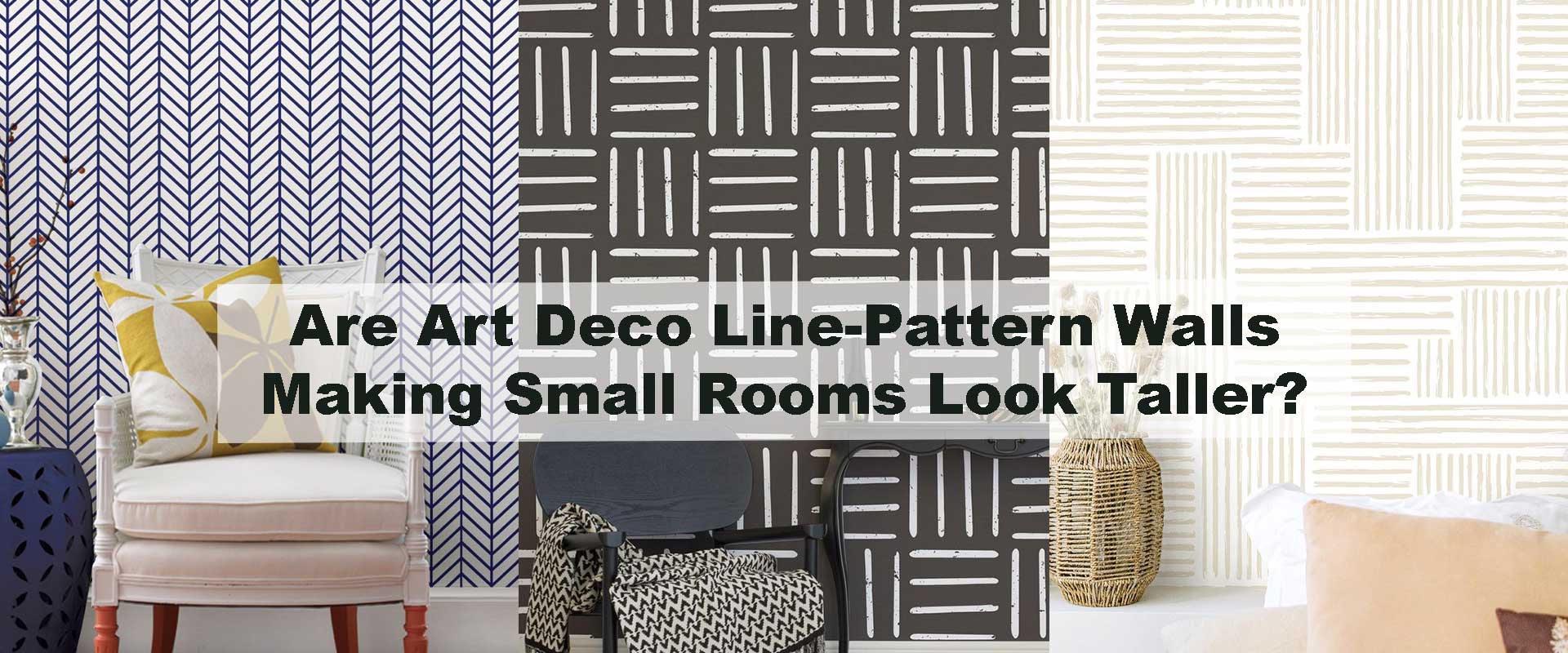
Human vision naturally follows lines before it registers surface area. When those lines move vertically, the eye instinctively travels upward, reading the wall as taller than it physically is. Art Deco designs refine this effect by introducing controlled geometry—elongated lines, stepped repetitions, and symmetrical spacing that guide the gaze from floor to ceiling in a smooth, uninterrupted motion.
Unlike plain vertical stripes, Art Deco line patterns are rarely continuous. They pause, repeat, and taper, which slows visual movement just enough to prevent harsh stretching while still reinforcing height. This architectural pacing is why many designers gravitate toward Art Deco Wallpaper when working with low ceilings or compact footprints—it delivers vertical lift without visual strain.
How Art Deco Lines Differ From Standard Vertical Stripes
Not all vertical patterns enhance height in the same way. Traditional stripes often rely on uniform repetition, which can feel flat, overly graphic, or visually abrupt in smaller rooms. Instead of lifting the space, they sometimes exaggerate narrowness by drawing attention to wall width rather than vertical flow.
Art Deco line patterns succeed because they treat verticality as architecture, not decoration. Rather than running uninterrupted from floor to ceiling, Deco lines are intentionally segmented, paced, and proportioned. This introduces rhythm instead of rigidity, allowing the eye to move upward gradually rather than being pulled too quickly or harshly.
Symmetry plays a critical role as well. Even spacing and balanced repetition create visual calm, preventing walls from feeling busy or overstimulating. Stepped or flared line endings soften the vertical pull, giving height without sharp visual stops. Subtle metallic or tonal accents further elevate the effect by adding depth and light interaction rather than surface noise.
Together, these qualities ensure walls feel taller and composed—an essential distinction in small rooms, where overly aggressive patterns can shrink perceived space instead of expanding it.
Line Pattern Styles That Work Best in Small Rooms
Slim Vertical Geometry for Subtle Height Enhancement
Fine, evenly spaced vertical lines are particularly effective in compact rooms where walls sit close to furniture. Because the lines are narrow and restrained, they lift the ceiling visually without demanding attention. The wall reads as taller and lighter, especially when paired with low-profile furnishings that allow the vertical pattern to remain uninterrupted.
Stepped and Fan-Inspired Lines for Architectural Elevation
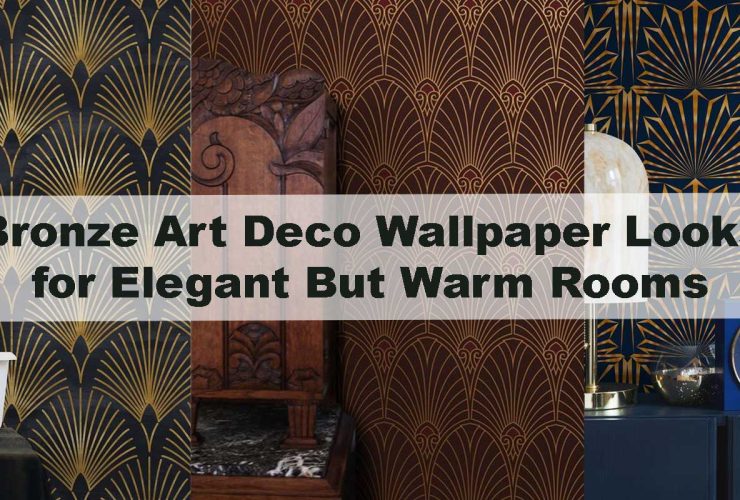
Art Deco’s signature stepped and fan-inspired motifs mimic architectural elevation, creating the impression that the wall itself is built upward in layers. These patterns introduce structure and hierarchy, making walls feel intentional rather than decorative. Variations found in Geometric Art Deco Wallpaper work especially well here, as their precision reinforces height while maintaining elegance and balance.
Light-Reactive Metallic Linework
Metallic-edged lines amplify vertical perception by interacting dynamically with light. Soft gold, champagne, or brushed bronze detailing catches illumination at different points along the wall, subtly guiding the eye upward throughout the day. This creates movement without heaviness—a quality frequently highlighted in interiors that embrace the refined glamour of Geometric Art Deco Wallpaper Ideas for Glamorous Modern Homes.
Color Choices That Strengthen the Tall-Wall Effect
Color plays a decisive role in whether vertical Art Deco lines truly elevate a room or simply decorate it. In small spaces, the most effective palettes are those that support uninterrupted upward movement, allowing the eye to travel from floor to ceiling without visual stops or abrupt contrast shifts.
Deep navy paired with lighter vertical detailing is especially effective, a balance frequently achieved in Navy Blue Art Deco Wallpaper, where depth is introduced without visually slicing the wall. The darker base recedes, while lighter lines gently rise, creating a sense of layered height rather than flat contrast. This combination feels dramatic yet controlled, ideal for rooms that need presence without compression.
Muted emerald tones with tonal linework offer a softer interpretation of height enhancement. Because the lines sit close to the base color, the wall reads as continuous rather than segmented. The result is a rich, enveloping surface that feels tall, calm, and visually grounded rather than overpowering.
Charcoal and graphite palettes benefit from delicate metallic vertical accents that introduce light without breaking flow. These reflective elements subtly guide the eye upward as lighting shifts, adding dimension while preserving cohesion. Warm taupe palettes work similarly, using gentle geometric lines to suggest elevation in a way that feels understated and architectural rather than bold.
In very small rooms, extreme contrast should be used cautiously. Sharp color breaks interrupt vertical rhythm and can visually cap walls mid-height. Tonal harmony, soft transitions, and restrained accents keep walls visually continuous, allowing Art Deco line patterns to perform their height-enhancing role with elegance and ease.
Where Art Deco Line-Pattern Walls Perform Best
Art Deco line-pattern walls are especially powerful in spaces where proportions feel visually restricted. Their strength lies in how they correct imbalance—lifting ceilings, calming tight layouts, and giving compact rooms a sense of architectural intention rather than decoration alone.
Small Bedrooms With Limited Ceiling Height
In smaller bedrooms, a vertical Art Deco wall placed behind the bed subtly elongates the headboard wall, encouraging the eye to move upward rather than across. This upward motion makes ceilings feel higher while bringing composure to the sleeping area, preventing the room from feeling boxed in. Designs curated within Art Deco Wallpaper for Bedrooms work particularly well here, as their geometry adds visual structure without disrupting the calm, restorative atmosphere essential for rest.
Narrow Living Areas and Compact Lounges
Slim living rooms often suffer from visual compression, especially when furniture naturally aligns horizontally. Vertical line patterns counteract this by shifting attention upward, redistributing visual weight across the wall height instead of wall width. When paired with streamlined seating and low-profile tables, the space feels taller, lighter, and more balanced—an effect that becomes especially cohesive when styled with Art Deco Wallpaper for Living Room, where geometry and proportion work in harmony.
Dining Areas That Need Presence Without Bulk
Dining spaces benefit from vertical Art Deco geometry because it introduces formality without visual heaviness. Line-based patterns frame the dining zone, giving it definition and elegance without enclosing the room. Under warm, directional lighting, these patterns enhance vertical flow while maintaining openness, allowing the space to feel elevated and intentional rather than crowded.
Entryways and Transitional Spaces
Compact entryways and transitional areas gain immediate impact from vertical Art Deco patterns. As the first point of visual engagement, these spaces benefit from height illusion that corrects narrow proportions and creates a sense of arrival. Vertical lines draw the gaze upward, making the space feel taller and more welcoming, transforming what could feel restrictive into an area that feels thoughtfully designed and confidently proportioned.
How Lighting Completes the Height Illusion
Lighting doesn’t merely illuminate Art Deco line patterns—it brings their vertical intent to life. When light interacts with linear geometry, it reinforces direction, depth, and rhythm, allowing the eye to travel upward without interruption. In small rooms, this interaction is what turns decorative lines into a genuine height-enhancing feature.
Wall washers gently trace vertical motifs from floor to ceiling, strengthening the sense of lift. Warm, layered lighting softens contrasts so lines feel continuous rather than segmented, preventing the ceiling from feeling visually capped. Subtle uplighting extends the wall plane upward, while metallic line accents catch and redirect light vertically, creating movement that changes throughout the day. Together, these lighting strategies transform flat surfaces into dimensional architectural elements, making walls feel taller, lighter, and far more expansive than their physical boundaries suggest.
Art Deco Line Walls vs Other Small-Room Treatments
| Wall Treatment | Height Illusion | Visual Balance | Suitability for Small Rooms |
|---|---|---|---|
| Art Deco vertical line patterns | High | Refined | Excellent |
| Plain painted walls | Neutral | Calm | Moderate |
| Horizontal patterns | Reduces height | Busy | Poor |
| Oversized murals | Inconsistent | Dominant | Risky |
| Dense all-over motifs | Minimal | Heavy | Limited |
Final Thoughts
Art Deco line-pattern walls do far more than decorate small rooms—they reshape how space is perceived. Through vertical rhythm, architectural geometry, and controlled contrast, they guide the eye upward and replace visual compression with structure and elegance.
When scale, color, and lighting are thoughtfully aligned, Art Deco line patterns consistently make rooms feel taller, calmer, and more refined. For compact interiors that demand both beauty and spatial intelligence, this approach remains one of the most reliable and visually rewarding design choices available.