Are Metallic Gold Art Deco Patterns Worth the Investment for Interiors?
Metallic gold Art Deco patterns aren’t just decorative—they’re a design decision with long-term impact. In an era where interiors are expected to feel expressive, timeless, and visually valuable, many homeowners and designers question whether gold-accented Art Deco walls truly justify their cost. These patterns promise glamour, structure, and architectural depth, sitting at the intersection of 1920s design heritage and modern luxury. When chosen thoughtfully, metallic gold Art Deco patterns deliver visual drama that lasts beyond trends, making them a compelling option for interiors built around enduring style rather than short-lived appeal.
Understanding Metallic Gold Art Deco Patterns in Modern Interiors
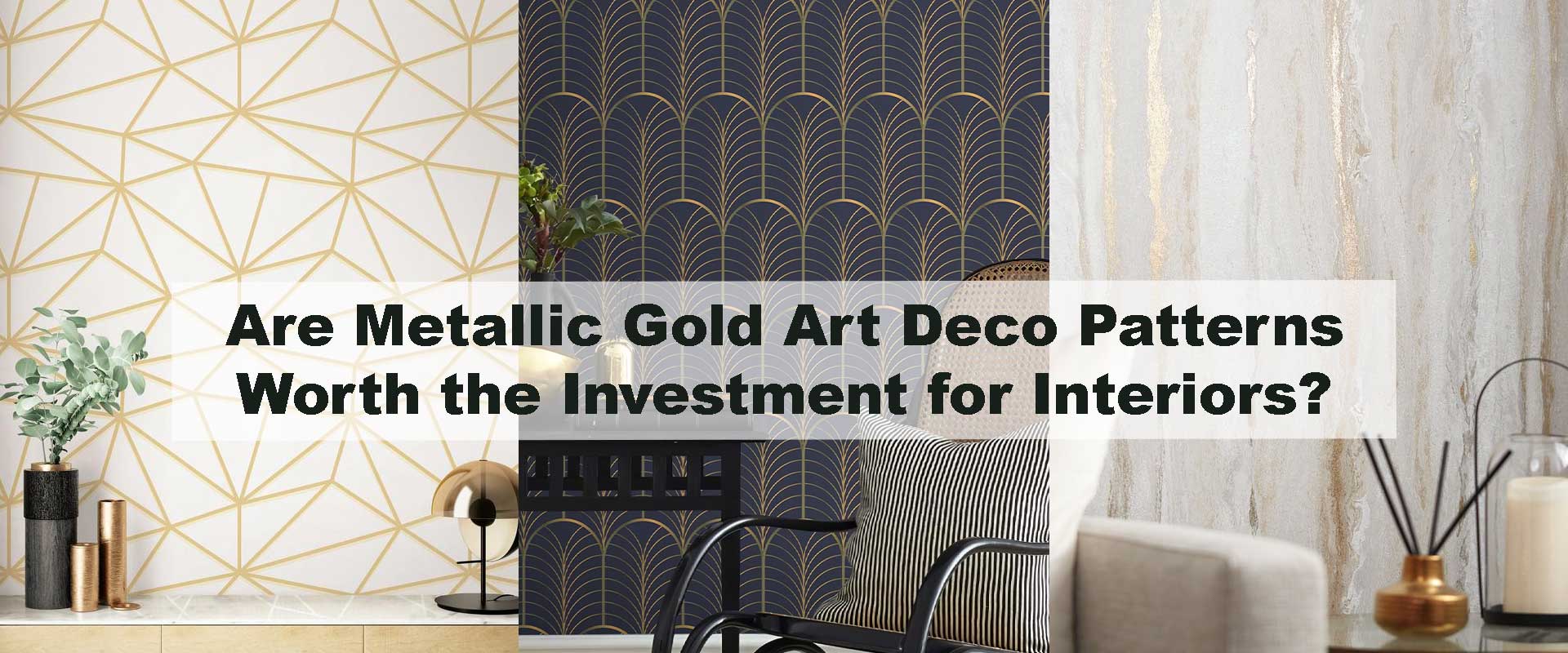
Metallic gold Art Deco patterns are defined by confident geometry, rhythmic repetition, and luminous accents that respond beautifully to changing light. Rather than relying on ornamentation, Art Deco achieves impact through balance—bold linear forms are carefully offset by symmetry, proportion, and negative space. Metallic gold is used with intention, catching highlights and shadows to create depth that feels architectural instead of decorative.
In this design language, gold is never about excess. It serves as a visual guide, tracing curves, framing angles, and reinforcing structure within the pattern. Whether appearing as fine linear detailing or broader metallic segments, gold elevates geometry into something tactile and dimensional, allowing walls to feel designed rather than simply covered.
Within modern interiors, these patterns function as visual anchors. They bring order to open-plan spaces, add clarity to minimalist rooms, and create purposeful focal points where flat surfaces feel unfinished. This refined tension between control and glamour is what allows metallic gold Art Deco patterns to remain relevant, sophisticated, and enduring across decades of evolving design trends.
Why Gold Has Always Signified Value in Interior Design
Gold has consistently symbolized permanence, craftsmanship, and refinement in interior spaces. Beyond its cultural meaning, its true value lies in how it performs visually. Metallic finishes reflect light softly, introduce depth, and shift in character throughout the day, giving interiors a living quality that flat colors simply cannot achieve.
During the Art Deco era, gold was embraced as a symbol of optimism, innovation, and forward momentum. Today, those same qualities appeal to homeowners who want spaces to feel deliberate rather than disposable. Gold accents communicate confidence in design choices, suggesting that the interior has been curated with longevity in mind.
Unlike trend-driven colors that rise and fall quickly, gold behaves like a flexible neutral. It harmonizes effortlessly with both warm and cool palettes, adapts to evolving furniture styles, and supports future design changes without losing relevance. This quiet adaptability is what makes gold not just visually appealing, but genuinely valuable in long-term interior design.
The True Cost of Metallic Gold Art Deco Patterns
When evaluating whether metallic gold Art Deco patterns are worth the investment, cost needs to be viewed beyond the initial purchase price. These designs often sit at a premium level due to their intricate geometry, precision detailing, and refined metallic finishes that require higher production standards. What appears expensive upfront is frequently balanced by durability, visual consistency, and a design language that does not date quickly.
Lower-cost decorative alternatives may offer short-term appeal, but they often lose relevance as trends shift or begin to feel visually tired. In contrast, well-composed Art Deco gold patterns retain their authority year after year, eliminating the need for frequent redesigns. Their structured elegance allows them to evolve alongside new furniture, lighting, or color updates, increasing their long-term value rather than limiting it.
Investment also carries an emotional dimension. Interiors that feel intentional, refined, and confidently designed tend to deliver lasting satisfaction. In key spaces such as living rooms and dining areas, metallic gold Art Deco patterns contribute to an atmosphere that feels considered and elevated, subtly enhancing both daily experience and perceived property value.
Visual Impact vs. Longevity: What Makes Them Investment-Worthy
True investment interiors strike a careful balance between immediate visual impact and lasting relevance. Metallic gold Art Deco patterns achieve this by grounding their drama in structure rather than novelty. Geometry provides order and clarity, while gold adds warmth and distinction—two qualities that rarely fall out of favor.
As natural and artificial light shifts throughout the day, metallic accents introduce gentle movement across the surface of the wall. This interplay prevents visual fatigue, allowing the design to feel dynamic rather than static. Unlike flat color applications that reveal everything at once, gold Deco patterns continue to offer depth and nuance over time.
Their endurance is further strengthened by adaptability. These patterns integrate seamlessly with changing furniture styles, updated textiles, and evolving palettes without losing cohesion. This resilience to shifting tastes is what ultimately transforms metallic gold Art Deco patterns from a bold decorative choice into a long-term design investment.
How Metallic Gold Art Deco Patterns Enhance Property Appeal
Interiors with a clear design identity consistently stand out in competitive property markets, and metallic gold Art Deco patterns play a powerful role in creating that distinction. Their combination of structured geometry and refined metallic accents signals confidence, quality, and intentional design—attributes that naturally appeal to buyers and renters looking for homes that feel thoughtfully curated rather than generic.
Instead of overwhelming a space, these patterns introduce architectural framing. They visually organize open layouts, guide the eye through key zones, and establish striking feature walls that translate exceptionally well in photography. This sense of structure and balance enhances perceived value without the need for excessive furnishings or layered décor, allowing the space itself to do the visual work.
Beyond resale considerations, the refinement these patterns bring elevates everyday living. Rooms feel composed, polished, and deliberately styled, creating an atmosphere that feels enduring rather than temporary. This quiet sense of luxury often becomes one of the most memorable qualities of the home.
Ideal Spaces for Using Metallic Gold Art Deco Patterns
Not every room demands the same level of visual presence, and metallic gold Art Deco patterns deliver the greatest impact where structure and focal definition are most valuable. Their strength lies in enhancing spaces that benefit from rhythm, symmetry, and intentional visual hierarchy.
Living rooms gain clarity and balance as these patterns frame seating areas and emphasize architectural lines. Dining spaces benefit from added drama and cadence, especially under warm evening lighting where metallic accents subtly glow and enrich the social atmosphere. Bedrooms, when approached with restraint, feel intimate and refined, offering luxury without visual overload.
Spaces designed with purpose extract the highest return from these patterns. When placement is intentional, metallic gold Art Deco designs reinforce the idea that true investment lies not just in the product itself, but in how thoughtfully it is integrated into the interior.
Comparing Metallic Gold Art Deco to Other Luxury Wall Styles
| Design Style | Visual Impact | Longevity | Adaptability |
|---|---|---|---|
| Metallic Gold Art Deco | High, structured | Excellent | Very high |
| Minimalist Textures | Subtle | Moderate | High |
| Bold Color Trends | Immediate | Low | Limited |
| Ornate Classic Motifs | Decorative | Moderate | Limited |
This comparison highlights why Art Deco gold patterns often outperform trend-led alternatives. Their balance of drama and discipline makes them more sustainable in long-term interiors.
Styling Flexibility Across Design Themes
One of the most compelling reasons to invest in metallic gold Art Deco patterns is their exceptional versatility across design styles. While they carry a strong visual identity, their reliance on geometry and balance allows them to integrate seamlessly into modern, transitional, and even minimalist interiors. Rather than dictating a theme, they provide a structured backdrop that enhances the surrounding design language.
Neutral furnishings play a crucial role in this adaptability. Soft creams, warm taupes, deep charcoals, or muted greys allow gold accents to stand out without visual competition. When paired with rich materials such as velvet upholstery, smooth leather, natural stone, or brushed wood, the metallic detailing feels elevated and intentional. Clean-lined furniture silhouettes keep the overall look contemporary, preventing the space from tipping into excess.
This stylistic flexibility ensures longevity. As furniture, textiles, and accessories evolve, metallic gold Art Deco patterns continue to feel relevant, supporting new design directions rather than resisting them. That ability to adapt over time is a defining characteristic of interiors that deliver true long-term value.
When Gold Art Deco Patterns May Not Be the Right Investment
Despite their strengths, metallic gold Art Deco patterns are not universally suited to every space. In compact rooms with limited natural light, dense geometry or high-contrast metallic detailing can feel visually heavy if scale and spacing are not carefully considered. In such cases, lighter variations or restrained applications may be more appropriate.
These patterns also demand clarity in design intent. Bold geometry and metallic accents draw attention, which means any lack of cohesion within the interior becomes more noticeable. If the overall layout, color palette, or furnishing plan is uncertain, the wallpaper may amplify imbalance rather than resolve it.
Successful investment relies on thoughtful planning. When the pattern is aligned with the room’s proportions, lighting, and purpose, it enhances the space with confidence and refinement. When used without a clear vision, however, even the most striking design can lose its impact.
Choosing the Right Variation for Maximum Impact
Not all metallic gold Art Deco patterns communicate the same mood, which makes variation selection a crucial part of the investment decision. Designs built on strong symmetry and sharp geometry naturally suit formal interiors, where balance and visual order reinforce a sense of sophistication. In contrast, patterns with softened curves or elongated forms feel more relaxed and contemporary, offering elegance without rigidity.
Texture also plays a defining role. Subtle raised effects and layered finishes introduce depth, allowing walls to feel tactile and architectural rather than flat. High-contrast designs, on the other hand, deliver bold definition and dramatic presence, making them ideal for spaces intended to command attention. Exploring curated options like Geometric Art Deco Wallpaper, Luxury Metallic Art Deco Wallpaper, and Textured Art Deco Wallpaper helps align pattern choice with the room’s purpose, scale, and atmosphere.
When chosen thoughtfully, the right variation transforms gold from a decorative accent into a deliberate design strategy—one that shapes how the space feels, flows, and endures over time.
Art Deco Gold as a Long-Term Design Asset
Investment interiors are defined less by trend alignment and more by how gracefully elements mature. Metallic gold Art Deco patterns excel in this regard, blending structural clarity, symbolic richness, and remarkable adaptability. Their geometry provides permanence, while gold adds warmth and distinction that remains relevant across changing styles.
As discussed in Gold Art Deco Wallpaper Styles That Transform Living Rooms Instantly, gold Deco designs consistently elevate interiors without relying on novelty or excess. Their reliability lies in disciplined design rather than surface-level impact, making them a dependable choice for long-term interiors.
Over time, these patterns become woven into the character of the home. Rather than fading into the background or demanding replacement, they settle into the space as defining features—proof that thoughtful design investment delivers lasting visual and emotional return.
Integrating Art Deco Gold with Contemporary Architecture
Modern architecture prioritizes clean lines, open volumes, and carefully considered focal moments, and metallic gold Art Deco patterns integrate seamlessly within this framework. Rather than competing with minimalist structures, these patterns reinforce architectural intent by echoing geometry, symmetry, and proportion already present in the space. Gold detailing highlights form instead of distracting from it, allowing walls to feel purposeful rather than purely decorative.
Used thoughtfully, Art Deco gold patterns can frame architectural features, subtly define zones within open-plan layouts, and introduce visual hierarchy where contemporary spaces sometimes feel overly neutral. The metallic accents add depth and warmth without interrupting the clarity of modern design. This harmony between pattern and structure enhances both elements, resulting in interiors that feel composed, confident, and enduring.
Such architectural alignment strengthens long-term value. When wallpaper works with the building rather than against it, the design feels integrated and intentional, increasing its relevance well beyond short-term trends.
Why Designers Continue to Recommend Art Deco Gold
Design professionals consistently seek solutions that balance expression with restraint, and metallic gold Art Deco patterns achieve this equilibrium with ease. Their structured geometry delivers visual interest, while disciplined repetition and refined metallic tones maintain livability. This makes them dependable tools for creating interiors that feel impactful without becoming overwhelming.
Another reason designers favor these patterns is their performance over time. They photograph beautifully, hold their presence under different lighting conditions, and age with sophistication rather than fatigue. In high-end residential projects, this reliability is crucial—clients want interiors that feel just as considered years later as they did on installation day.
This sustained professional confidence reinforces the investment case. When designers repeatedly return to Art Deco gold for long-term projects, it signals not trend dependency, but enduring design value.
Exploring Timeless Art Deco Collections
For those looking to invest with clarity and cohesion, curated selections such as Art Deco Wallpaper offer designs that honor classic Deco principles while embracing contemporary execution. These collections refine historical influence into patterns that feel current, controlled, and versatile.
Variations in scale, finish, and geometry allow precise alignment with different interior moods and architectural contexts. Whether the goal is bold definition or subtle structure, this range ensures that each choice feels intentional and personal rather than generic—an essential quality in any design investment meant to last.
Frequently Asked Questions
Do metallic gold Art Deco patterns suit modern homes?
Yes. When paired with clean furniture and controlled palettes, they enhance modern interiors by adding structure and warmth without feeling dated.
Are gold Art Deco wallpapers too bold for everyday living?
Not when used strategically. Feature walls or balanced patterns create impact without overwhelming the space.
Do metallic finishes age well over time?
High-quality metallic finishes maintain their appeal for years, especially when designed with refined sheen rather than excessive gloss.
Can Art Deco gold patterns increase perceived property value?
They often enhance visual appeal and design clarity, which can positively influence buyer perception in well-styled homes.
Conclusion
Metallic gold Art Deco patterns are worth the investment when chosen with intention. Their strength lies in structured geometry, timeless symbolism, and remarkable adaptability across evolving interiors. Rather than chasing trends, they offer lasting design value that enhances both everyday living and long-term appeal.
For homeowners and designers seeking walls that do more than decorate, gold Art Deco patterns deliver depth, confidence, and architectural presence. When aligned with thoughtful styling, they transform interiors into enduring statements of refined taste—making them not just a purchase, but a design investment.