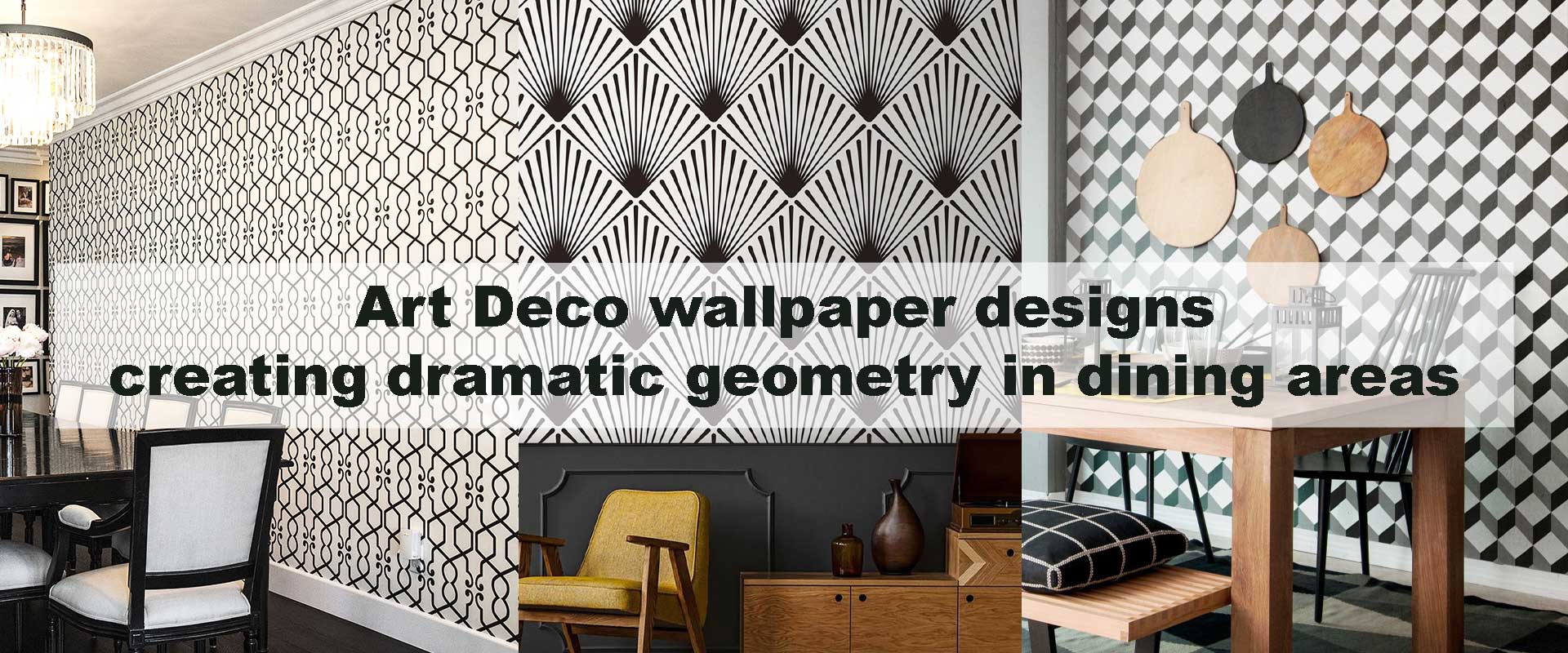
Art Deco wallpaper designs creating dramatic geometry in dining areas
Dining rooms are becoming spaces that celebrate personality, refinement, and expressive style, and nothing achieves this transformation quite as boldly as Art Deco wallpaper designs. The striking geometry, metallic accents, and rhythmic symmetry of this style create instant drama, wrapping dining areas in a sense of sophistication that feels both nostalgic and modern. These structured patterns echo the timeless appeal described in Vintage floral wallpaper ideas that transform classic living rooms, where expressive motifs reshape atmosphere through balanced repetition. Within the first impression alone, Art Deco wallpaper provides a sculptural backdrop that elevates the tone of gatherings and makes every meal feel like a curated experience. These qualities sit comfortably alongside the lasting appeal of Vintage Wallpaper, reinforcing the sense of heritage that shapes the era.
How Art Deco Geometry Reframes Dining Room Atmosphere
Art Deco geometry relies on strong lines, bold angles, and layered shapes that create a sense of energy and orchestration within a room. When these motifs appear as wallpaper, they bring an architectural quality to otherwise plain walls, giving dining spaces a naturally curated feel. The results are immediate—patterns seem to direct movement toward the dining table, leading the eye toward focal points such as chandeliers, consoles, or bar carts.
Many homeowners gravitate toward patterns that pair geometric rhythm with a softened palette, allowing the structure to guide the room’s visual flow without overwhelming it. Options such as muted golds, deep charcoal, soft blush, and jewel-toned arrangements complement the layered dimension of the design. If your aim is to blend geometry with gentle color, patterns inspired by Pastel Vintage Wallpaper offer a way to introduce softness without reducing the Art Deco effect.
Dining rooms often benefit from the sense of intimacy these motifs create. The controlled drama of solid lines and sweeping curves makes guests feel enclosed in a beautiful setting, yet the expanding geometry prevents the room from feeling tight or closed off.
Why Art Deco Wallpaper Works Exceptionally Well in Dining Areas
1. Geometry Balances the Room’s Functional Focus
Dining rooms are both social and structural—they must accommodate seating placement, movement flow, focal lighting, and cabinetry. Art Deco geometry supports this by framing the room’s natural shape. Horizontal motifs widen narrow dining rooms, vertical patterns stretch lower ceilings, and bold symmetrical repeats help anchor tables.
This careful shaping of visual energy mirrors the transformative effect often highlighted in Why retro wallpaper is making a dramatic comeback in contemporary homes, where strong motifs reintroduce character through expressive structure. Designs featuring soft metallic detailing pair beautifully with the rich curves and faceted edges characteristic of dining furniture. The combination of reflective accents and sculptural silhouettes builds a mood that feels cohesive and intentionally crafted.
2. Light Interacts Richly with Deco Patterns
Many Art Deco wallpapers incorporate metallic inks or shadow-embossed elements. Under lighting—particularly warm pendants or wall sconces—these finishes create shifting reflections that add depth and movement to the room. This effect is especially striking when paired with the layered tones found in Ornamental Vintage Wallpaper, which shares Deco’s affinity for fine detail and expressive form.
Even simple natural light can elevate these designs. Morning sunlight brings gentleness to the sharper motifs, while evening illumination increases the dramatic effect, making dinner gatherings feel elevated and intimate.
3. The Style Accommodates Both Minimal and Maximal Décor
Art Deco is one of the few decorative styles that can sit comfortably with varied furnishing styles. Minimal dining rooms gain character and structure from geometric wallpaper, while maximal spaces find additional richness through layered shapes and expressive repetition.
Homeowners also appreciate how easily this style pairs with mirrors, glassware, metallic frames, sculpted candleholders, and upholstered chairs. It enhances these elements without competing for dominance.
Matching Art Deco Wallpaper to Your Dining Room Layout
Choosing Scale: Large vs. Small Repeats
The size of the geometric repeat determines how the room will feel visually.
- Large-scale geometry creates commanding backdrops suitable for open dining rooms, modern layouts, or spaces with high ceilings.
- Small-scale repeats offer subtlety and rhythm, giving compact dining nooks or apartment dining areas a sense of refined motion.
If you enjoy traditional patterns with a hint of geometry, choices influenced by Geometric Vintage Wallpaper introduce structured movement without overwhelming the space.
Selecting the Right Palette
Color dramatically affects how Art Deco geometry reads in a dining room.
- Gold, bronze, and champagne create a glamorous, evening-ready mood.
- Midnight blues and deep greens add dramatic depth.
- Dusty rose, soft cream, and muted taupe create sophistication with a gentle edge.
- Charcoal, black, and metallic silver offer bold refinement.
Dining rooms designed for frequent entertaining often lean toward richer, moodier palettes, while everyday family dining spaces may prefer softer tones that still hold structure.
Directional Patterns and Their Effects
- Vertical geometry makes walls appear taller.
- Horizontal arrangements widen narrow rooms.
- Chevron or fan motifs introduce musical rhythm.
- Symmetrical deco arches build architectural presence.
Patterns featuring sweeping curves and sunrise motifs—often influenced by older Art Deco murals—can introduce a grand sense of celebration, ideal for formal dining layouts.
Furniture Pairing: Creating a Cohesive Art Deco Dining Room
Dining Tables and Seating
Dining furniture becomes far more expressive when paired with geometric wallpaper, and the right shapes can echo the room’s visual rhythm beautifully. Angular dining tables strengthen the structural edge of Deco motifs, while curved pedestal bases soften the geometry just enough to maintain balance. Upholstered chairs—especially those featuring velvet, soft boucle, or leather trims—add tactile richness that complements the sharp patterning on the walls. Warm walnut, deep espresso, or smoked oak tones introduce warmth that tempers metallic highlights, while glass tabletops subtly amplify the reflective glow found in Deco-inspired wallpapers, making the dining space feel open and luminous.
Lighting Integration
Lighting plays a defining role in revealing the depth and elegance of Art Deco geometry. Chandeliers with tiered glass blades, prismatic shapes, or sculptural brass arms echo the sweeping arcs and stepped motifs found in many Deco wallpapers, creating visual harmony from ceiling to wall. When positioned above the dining table, these fixtures distribute warm illumination that enhances metallic inks and sharp pattern lines, giving evening meals an elevated glow. Wall sconces with frosted shades or ribbed silhouettes introduce gentle sidelight, bringing softness to the geometric edges and helping the room transition seamlessly from daytime brightness to intimate nighttime ambiance.
Mirrors and Decorative Elements
Mirrors are one of the most powerful tools for amplifying the Art Deco effect in dining rooms. A strategic placement multiplies the geometry, reflecting both pattern and light to create cinematic depth that instantly transforms the space. A mirror with a scalloped, sunburst, or stepped frame enhances the period character while doubling the room’s sense of luxury. Decorative accents such as sculptural consoles, gold-trimmed serving pieces, smoked glass candlesticks, and metal-inlay sideboards extend the Deco narrative through texture and shape. Pendant silhouettes with elongated forms or stacked geometries echo the wallpaper’s structure, ensuring the visual conversation between décor and walls remains fluid. Together, these elements build a cohesive dining room that feels glamorous, intentional, and artistically layered—true to the spirit of Art Deco design.
Color Stories That Elevate Art Deco Dining Spaces
1. Monochrome Geometry
Monochrome palettes bring out the disciplined beauty of Art Deco lines, allowing black, white, and gray repeats to read with precision and elegance. These tones sharpen architectural features and introduce a gallery-like clarity that feels both contemporary and timeless. When paired with dark wood dining furniture or charcoal upholstery, the contrast becomes striking, creating a space where geometry takes center stage without overpowering the room’s warmth.
2. Jewel-Tone Glamour
Jewel tones deepen the theatrical side of Art Deco design, infusing dining rooms with richness and mood. Emerald, sapphire, and ruby patterns glow intensely under warm pendant lighting, giving evening gatherings an inviting, almost cinematic atmosphere. These hues pair beautifully with brass accents, sculptural lighting, and rich fabrics, creating a dining space that feels luxurious yet grounded in Deco’s signature rhythm.
3. Pastel Deco for Soft, Dreamy Settings
For those who prefer gentler ambiance, pastel Deco patterns introduce a graceful, light-infused character. Peach, cream, powder blue, and pale mint motifs soften sharp geometry without diluting its sculpted impact. This palette blends seamlessly with influences reflected in Soft Dreamy Vintage Wallpaper, where subtle shading and delicate form create an enveloping sense of calm. These choices are ideal for dining spaces where serenity, openness, and understated elegance matter just as much as visual flair.
4. Metallic Emphasis
Metallic finishes amplify the glamour central to Art Deco design, transforming dining walls into luminous surfaces that shift beautifully with changing light. Gold and silver introduce opulence and evening-ready drama, while bronze and copper capture warmth and depth that feel intimate yet refined. These shimmering palettes enhance geometric patterning, allowing shadows, highlights, and reflective edges to animate the room and create an atmosphere that evolves from day to night.
Applying Art Deco Wallpaper: Placement Strategies for Maximum Effect
Full-Room Coverage
Wrapping all four walls in Art Deco geometry instantly transports the dining room into a space that feels curated and architecturally complete. When every surface carries rhythm, symmetry, and refined metallic detail, the room gains a sense of enveloping elegance that elevates both casual and formal gatherings. Full coverage also allows lighting—whether pendant, chandelier, or candlelight—to play across the patterns, creating shifting highlights that make the dining experience feel richer and more immersive.
Feature Wall Behind the Dining Table
A dedicated feature wall introduces dramatic clarity, guiding focus directly toward the dining arrangement and framing conversations with strong visual structure. Geometric motifs with symmetrical arcs, fan shapes, or stepped lines work exceptionally well here because they echo the centered placement of the dining table. This approach is especially effective in open-concept spaces, where one patterned wall can define the dining zone without closing it off from the rest of the room.
Upper-Wall Application
Introducing Art Deco wallpaper above wainscoting or a dado rail creates a layered, elegant balance between structure and expressiveness. The lower portion remains grounded and neutral, while the upper wall carries the Deco geometry upward, visually lifting the room. This technique is ideal for homeowners who want the sophistication of pattern without overwhelming the entire space. It also pairs beautifully with rich wood paneling, warm neutrals, or softly textured furnishings, allowing both materials to complement each other naturally.
Ceiling as a Design Element
Extending Art Deco motifs onto the ceiling turns the dining room into a sculptural environment, adding a sense of luxury that draws the eye upward. This approach creates a visual canopy that enhances chandeliers, pendant lights, and architectural mouldings, making the room feel taller and more dynamic. When guests sit at the table, the upward geometry creates a sense of grandness and intimacy at the same time, transforming the ceiling from a passive surface into a signature design statement.
Practical Considerations: Maintenance, Finish, and Longevity
Art Deco wallpaper may appear luxurious and delicate, yet its modern construction makes it remarkably functional for everyday dining spaces. Many contemporary designs come with washable surfaces or stain-resistant coatings, ensuring that splashes, fingerprints, or the occasional spill can be managed with ease. These practical updates preserve the ornate geometry without compromising the refined elegance that defines the style. Matte finishes deliver a soft, velvety sophistication ideal for relaxed dining moods, while satin or metallic finishes create a richer sheen that interacts beautifully with chandeliers or candlelight, adding dimensional glow throughout the evening.
Rooms with strong natural light benefit from fade-resistant inks, which help maintain crisp lines, defined angles, and the luminous detailing that gives Art Deco patterns their sculptural effect. This is especially important for designs that rely on shadowing or metallic highlights, as consistent illumination keeps the motif visually intact over time. When selecting the material, think about how your dining room connects to the rest of your home—open layouts may require higher durability, whereas enclosed dining spaces can embrace more delicate textures. Considering the scale of daily use, cleaning preferences, and lighting conditions ensures that your Art Deco wallpaper remains vibrant, structurally expressive, and long-lasting.
Choosing the Right Art Deco Style for Dining Areas
| Feature | Bold Geometric Deco | Soft Deco Geometry | Metallic Deco | Minimalist Deco Lines |
|---|---|---|---|---|
| Visual Impact | Very high, dramatic | Medium, gentle flow | High, reflective | Subtle, clean |
| Best For | Formal dining rooms | Everyday dining | Evening entertainment spaces | Small dining areas |
| Mood | Grand and expressive | Calm sophistication | Glamorous and luminous | Modern and airy |
| Lighting Response | Strong shadows and depth | Soft diffused effects | Highly reflective | Even, understated |
| Styling Needs | Bold furniture | Mixed textures | Metallic décor | Simple silhouettes |
How Art Deco Wallpaper Enhances Modern Dining Behaviors
Dining rooms are increasingly used for more than formal meals—they serve as work zones, conversation areas, and extensions of living rooms. Art Deco wallpaper supports these varied functions by creating visual rhythm and boundary. The geometric stability offers a sense of grounded structure, while metallic accents introduce warmth that suits both daytime use and evening hosting.
Homeowners who entertain often appreciate how quickly the dining atmosphere shifts after dark. Illuminated geometry creates intriguing visual layering, making gatherings feel more intimate without reducing the room’s perceived openness.
Conclusion
Art Deco wallpaper designs bring expressive geometry, rhythmic structure, and refined drama to dining areas. Their ability to guide the eye, shape spatial perception, enhance lighting, and anchor furnishings makes them one of the most effective choices for creating memorable dining environments. Whether you prefer bold metallic arcs, soft symmetrical motifs, or subtle linear repeats, the right pattern will elevate your dining space into an atmosphere that feels sculpted, inviting, and deeply stylish. When paired naturally with design influences similar to Vintage Wallpaper and supported by thoughtful color stories and lighting choices, Art Deco wallpaper becomes a timeless backdrop that enriches every gathering.