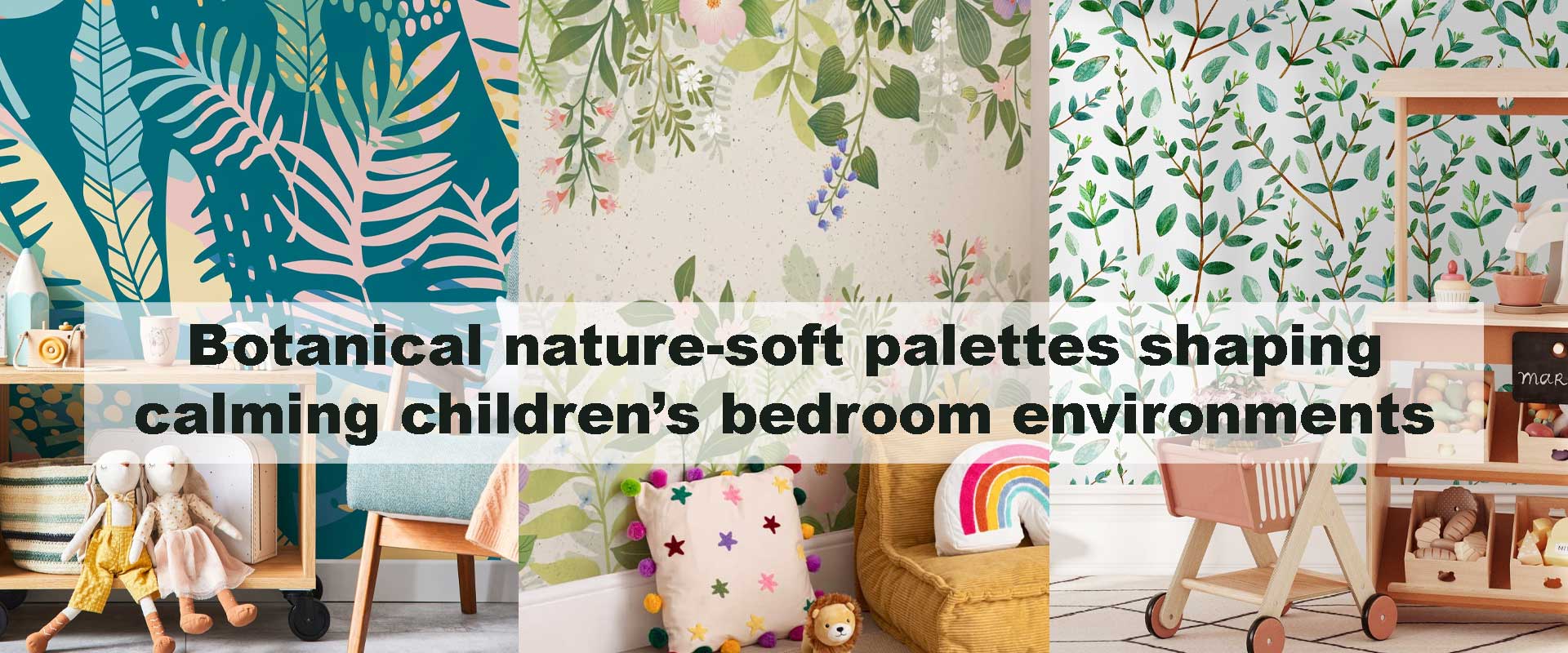
Botanical nature-soft palettes shaping calming children’s bedroom environments
Soft color has a powerful emotional language—especially in spaces designed for children. Botanical nature soft palettes shaping calming children’s bedroom environments are redefining how young minds experience rest, creativity, and comfort at home. Instead of loud themes or overstimulating contrasts, today’s interiors are leaning into gentle greens, muted florals, watercolor leaves, and nature-inspired neutrals that feel grounding and safe.
These palettes borrow their calm from gardens, forests, and slow outdoor rhythms, translating them into walls that quietly support sleep, play, and imagination. When thoughtfully chosen, botanical tones don’t just decorate a room—they help regulate mood, reduce visual noise, and create emotional balance. As parents become more mindful about sensory environments, botanical-inspired color stories are emerging as one of the most trusted design directions for children’s bedrooms.
Why Children Respond So Positively to Nature-Inspired Color Palettes
Children are deeply sensitive to their surroundings, even before they can articulate how a space makes them feel. Natural palettes mirror the colors they instinctively associate with safety—leaves, sky-filtered light, soft soil tones, and blooming gardens. These familiar cues help reduce stress and overstimulation.
Unlike high-contrast or overly saturated themes, botanical palettes encourage slower visual processing. The eye moves gently across soft shapes and layered hues, allowing the nervous system to relax rather than react. This makes nature-inspired bedrooms especially supportive for winding down at night.
Another reason these palettes work so well is their emotional neutrality. Botanical tones don’t dictate a single mood or storyline. Instead, they leave room for imagination, letting children project their own ideas into the space without feeling overwhelmed.
The Psychological Role of Soft Botanical Colors in Child Development
Color psychology plays a quiet but consistent role in early development. Soft greens promote emotional balance and reassurance, helping children feel secure within their environment. Gentle botanical blues can support concentration during reading or quiet play without feeling cold.
Muted florals introduce warmth without visual chaos. Unlike bright primary colors, softened botanical shades feel nurturing rather than demanding. This subtlety supports emotional regulation, particularly for younger children who may feel overstimulated easily.
When these colors are repeated consistently across walls, textiles, and artwork, they create a predictable visual rhythm. That sense of predictability is especially calming for children, reinforcing feelings of safety and stability within their personal space.
How Botanical Palettes Encourage Better Sleep Patterns
Sleep-supportive environments rely on softness, consistency, and visual restraint. Botanical palettes naturally meet these needs by avoiding sharp contrasts and overly energetic color shifts. Gentle tones such as pale sage, eucalyptus green, and misty leaf hues reflect light softly, creating a bedroom atmosphere that feels settled rather than alert.
These nature-inspired colors subtly cue the body toward rest. When walls echo the muted tones of dusk or filtered forest light instead of bright or saturated shades, the brain transitions more smoothly into sleep mode. This calming visual signal is especially beneficial for children who experience difficulty unwinding at the end of the day.
Layered botanical designs also strike an important balance between interest and calm. Soft movement within leaves or watercolor florals gives the eye something reassuring to settle on, preventing restlessness without introducing distraction. The result is a space that supports relaxation without feeling visually empty.
Soft Botanical Wallpapers as a Sensory Foundation
Walls form the largest continuous visual surface in a bedroom, making them the emotional anchor of the space. Choosing a gentle botanical design allows the room to feel enveloping rather than overstimulating. Softly illustrated leaves, stems, or garden-inspired motifs create a sense of quiet enclosure that supports emotional ease.
This approach aligns naturally with thoughtfully curated Botanical Wallpaper styles that emphasize harmony over bold statement. Instead of demanding attention, these designs remain present in a supportive way—reinforcing the bedroom’s role as a place of rest, safety, and reassurance.
When botanical walls are paired with simple furniture and breathable, natural textiles, the environment feels cohesive and intentional. Nothing competes for attention, allowing calm to emerge organically. The space feels lived-in and nurturing, rather than styled or overly decorative.
Green-Based Botanical Palettes and Emotional Grounding
Green is widely recognized as one of the most restful colors for the human eye. In children’s bedrooms, soft green botanicals provide a grounding presence that feels both soothing and familiar. These tones create an emotional bridge between indoor spaces and the calming rhythms of the natural world.
Using designs inspired by Green Botanical Wallpaper helps establish a steady emotional baseline. Shades such as pale olive, sage, and moss feel nurturing without appearing dull, offering visual comfort that remains engaging as children grow.
Green botanical walls are also remarkably adaptable. They pair effortlessly with neutral woods, soft whites, and muted pastels, allowing décor to evolve without disrupting the room’s emotional balance. This flexibility supports long-term comfort while reducing the need for frequent visual changes.
Gentle Florals That Feel Calm, Not Overstimulating
Florals don’t need bold color or dense patterning to feel expressive. In children’s bedrooms, soft botanical florals offer warmth through subtlety, using gentle shapes and muted tones to create a feeling of care rather than visual noise. Delicate petals, spaced compositions, and light movement help the walls feel comforting instead of attention-seeking.
These designs often draw from hand-painted or watercolor traditions, giving them an organic quality that feels natural and approachable. By avoiding sharp outlines and heavy contrast, gentle florals soften architectural edges and hard surfaces, making the room feel more nurturing and emotionally supportive.
When florals remain muted and nature-inspired, they age gracefully with the child. Instead of signaling a specific phase, they provide long-term comfort—supporting emotional ease from early childhood through later years without feeling dated or overly decorative.
Watercolor Botanicals and Visual Quietness
Watercolor botanical designs are especially effective in spaces designed for rest and emotional balance. Their softened edges and blended tones reduce visual tension, allowing the eye to drift calmly rather than jump between details. This sense of visual quietness helps bedrooms feel slower, gentler, and more restorative.
Styles inspired by Watercolor Botanical Wallpaper introduce artistry without overwhelming the senses. The translucent layering typical of watercolor mimics the way natural light filters through leaves, enhancing openness while maintaining softness.
These designs also support imagination in an understated way. By suggesting form instead of defining it sharply, watercolor botanicals leave space for interpretation—encouraging creativity while preserving a calm, emotionally steady atmosphere.
Neutral Botanical Palettes for Timeless Children’s Bedrooms
Calm doesn’t always come from color—sometimes it comes from restraint. Neutral botanical palettes featuring soft beige foliage, warm taupe stems, and understated linework offer serenity through balance rather than brightness. These designs feel composed and soothing while remaining welcoming for children.
Neutral botanicals create an ideal backdrop for everyday life. Toys, books, and personal items stand out naturally without visual competition, keeping the room from feeling cluttered or overstimulating. This is especially beneficial in smaller bedrooms, where excess color can quickly feel overwhelming.
As children grow and interests evolve, neutral botanical walls adapt effortlessly. They provide continuity and familiarity through changing stages, supporting long-term comfort and emotional stability instead of short-lived trends.
Minimal Line Art Botanicals and Mental Clarity
Simplicity has a profound calming influence, particularly in children’s spaces where visual input can easily become overwhelming. Minimal botanical line art introduces nature in its most distilled form—light, airy, and quietly present. By reducing visual complexity, these designs allow the mind to rest rather than react.
Styles inspired by Minimal Line Art Botanical Wallpaper are especially effective for supporting focus and emotional regulation. Fine outlines and open negative space guide the eye gently across the wall, creating a sense of order without demanding attention or stimulating excess curiosity.
This approach is well suited to bedrooms that also function as quiet reading nooks or creative corners. The walls provide calm visual support while allowing the child’s thoughts, activities, and imagination to naturally take the lead.
Large-Scale Botanical Motifs and Comfort Through Scale
Scale plays a subtle yet powerful role in how children emotionally experience a room. Large botanical motifs, when softly illustrated, can feel reassuring rather than imposing. Oversized leaves and flowing branches create a sense of gentle enclosure, similar to standing beneath a tree canopy.
Designs inspired by Large Leaf Botanical Wallpaper help slow visual movement across the walls. Instead of processing numerous small details, the eye settles comfortably on broader forms, creating a feeling of stability and visual rest.
This sense of calm through scale works particularly well in rooms with higher ceilings or generous natural light. In these spaces, large botanical elements feel airy and protective rather than heavy, supporting emotional comfort without visual crowding.
How Soft Botanical Bedrooms Support Emotional Regulation
Emotional regulation develops gradually, and the environment plays a quiet but meaningful role in that process. Soft botanical palettes reduce sensory triggers by avoiding harsh contrasts, sharp angles, and visually aggressive patterns. The result is a space that feels emotionally manageable rather than demanding.
Nature-inspired visuals also strengthen daily rhythm. When a bedroom consistently feels calm, it becomes a reliable emotional anchor at the beginning and end of each day. This predictability helps children transition more smoothly between activity, rest, and sleep.
Children naturally mirror the emotional tone of their surroundings. A thoughtfully styled botanical bedroom encourages slower movement, gentler play, and calmer transitions—supporting emotional resilience through atmosphere rather than instruction.
Botanical Themes That Encourage Imagination Without Chaos
Imagination flourishes when children are given space to interpret rather than being told what to see. Botanical themes achieve this naturally by suggesting the outdoors instead of prescribing a fixed storyline. Leaves, branches, vines, and garden forms act as quiet visual cues, inviting creativity without demanding attention.
Unlike character-led or themed rooms that lock imagination into a single narrative, botanical palettes remain open-ended. A wall of softly illustrated foliage can become a forest one day, a secret garden the next, or simply a peaceful backdrop for quiet play. This flexibility allows children to create their own stories rather than follow pre-defined ones.
Because botanical designs avoid visual noise, they transition effortlessly between active and restful moments. The same walls that support imaginative play during the day gently fade into the background at night, helping the room shift naturally into a calmer rhythm without visual changes.
Pairing Botanical Walls With Natural Materials
Color alone doesn’t create calm—material choice plays an equally important role. Botanical walls feel most balanced when paired with natural textures such as wood, linen, cotton, rattan, or softly woven fabrics. These materials echo the organic inspiration of the walls, reinforcing a sense of harmony.
Light wooden furniture complements botanical palettes by adding warmth without sharp contrast. Soft textiles absorb sound and soften the room’s acoustics, making the space feel quieter and more contained. This subtle reduction in sensory input can significantly improve how restful a bedroom feels.
When walls and furnishings share a common nature-inspired language, the room feels cohesive rather than styled. Instead of separate design elements competing for attention, everything works together to support emotional ease and visual comfort.
Light, Space, and Botanical Palettes
Soft botanical colors respond beautifully to changing light throughout the day. Natural daylight brings out gentle tonal variations within leaves and florals without creating glare, while warm evening lighting preserves their soothing depth. This adaptability makes botanical palettes especially suitable for children’s bedrooms that serve multiple purposes.
In smaller spaces, lighter botanical tones help maintain a sense of openness. Rather than absorbing light or feeling enclosing, they reflect it softly, allowing the room to breathe visually. This effect supports comfort without making the space feel overly minimal or sparse.
The goal is never brightness for its own sake, but balance. When light and botanical color work together, the result is a bedroom that feels calm, natural, and emotionally reassuring at every hour of the day.
Designing for Growth: Botanical Palettes That Age Gracefully
Children’s tastes shift quickly, but botanical designs have a rare ability to evolve without feeling outdated. Nature-inspired palettes are not tied to trends, characters, or age-specific themes, which makes them a reassuring constant as children grow. Soft leaves, gentle stems, and organic forms feel relevant at every stage of development.
As décor naturally changes—from playful toys to books, art, and more mature furnishings—the walls continue to feel appropriate and balanced. This visual continuity reduces the need for frequent redesigns while preserving a sense of familiarity that children instinctively find comforting. Botanical bedrooms quietly adapt, offering stability during years of change.
Rather than marking a specific phase, botanical environments mature alongside the child. They support early imagination, later independence, and emotional reassurance throughout those transitions.
Creating Calm Through Consistency Across the Room
Consistency is one of the most powerful tools for creating calm, especially in children’s spaces. When botanical palettes extend gently into bedding, curtains, cushions, or wall art, the room feels cohesive rather than visually scattered. This continuity helps the environment feel predictable and emotionally safe.
Repeating soft colors and organic motifs allows the eye to move slowly and comfortably across the space. Instead of reacting to competing patterns or sharp contrasts, visual flow encourages ease and relaxation. This subtle rhythm supports emotional balance throughout the day.
Achieving this harmony doesn’t require exact coordination. A shared softness—rooted in nature-inspired tones and gentle forms—is enough to unify the room and reinforce a calming atmosphere.
Why Parents Are Choosing Botanical Bedrooms More Than Ever
Today’s parents are increasingly mindful of how interiors influence emotional wellbeing. Children’s bedrooms are no longer viewed solely as sleeping areas but as restorative spaces where comfort, imagination, and calm coexist. Botanical palettes naturally support this shift.
Nature-inspired designs feel nurturing without imposing a storyline or identity. They allow children to express themselves through play and personal objects while the background remains steady and reassuring. Color and form work quietly in support of emotional ease.
As awareness grows around sensory-friendly environments, botanical nature soft palettes shaping calming children’s bedroom environments continue to resonate. They offer a thoughtful balance of beauty, adaptability, and emotional care—making them a trusted choice for families seeking long-term comfort rather than fleeting trends.
How Soft Botanical Bedrooms Compare to Other Children’s Room Styles
| Design Approach | Visual Impact | Sensory Calm | Longevity as Child Grows | Emotional Support |
|---|---|---|---|---|
| Soft Botanical Nature Palettes | Gentle, layered, nature-led | High—low contrast and organic flow | Excellent—timeless and adaptable | Strong grounding and reassurance |
| Bright Themed Character Rooms | High stimulation, playful | Low—frequent visual overload | Short—often outgrown quickly | Can feel exciting but restless |
| Bold Geometric Patterns | Structured and modern | Moderate—depends on contrast | Medium—style-specific | Focused but less nurturing |
| Minimal Neutral Rooms | Clean and quiet | Moderate—can feel empty | High but emotionally flat | Calm yet less emotionally engaging |
| Pastel Color-Block Designs | Cheerful and soft | Moderate—color boundaries remain | Medium—trend-dependent | Uplifting but less grounding |
Soft botanical nature palettes shaping calming children’s bedroom environments stand out because they balance visual interest with emotional ease, offering calm without stripping away warmth or imagination.
Why Designers Link Botanical Palettes to Emotional Balance
Designers often associate botanical bedrooms with long-term emotional comfort rather than short-term visual excitement. The layered softness found in nature-inspired walls reflects principles discussed in Bringing calm to modern homes with soft botanical wallpaper themes, where gentle color transitions help regulate sensory input across living spaces.
This same approach becomes even more valuable in children’s environments, where overstimulation can directly affect sleep, mood, and daily routines. Botanical palettes create emotional continuity, allowing bedrooms to feel familiar and reassuring regardless of age or changing décor.
Botanical Bedrooms and Sensory-Friendly Design
Many parents now prioritize sensory-aware interiors, especially for children who are sensitive to noise, light, or visual clutter. Soft botanical walls naturally support this goal by reducing sharp contrasts and busy repetition.
The way botanical patterns encourage slower eye movement aligns closely with principles highlighted in Creating a minimalist sanctuary with neutral botanical wall designs, where visual calm enhances emotional clarity. In children’s bedrooms, this translates into smoother transitions between play, rest, and sleep.
FAQs About Botanical Nature Soft Palettes in Children’s Bedrooms
Do botanical palettes work for both toddlers and older children?
Yes. Their neutral, nature-led aesthetic grows gracefully, avoiding age-specific themes that children quickly outgrow.
Will botanical wallpaper feel too mature for a child’s space?
Not when kept soft and airy. Gentle botanicals feel nurturing rather than formal, supporting comfort without feeling styled for adults.
Are botanical bedrooms suitable for small rooms?
Absolutely. Light botanical tones reflect light softly, helping compact bedrooms feel more open and breathable.
Can botanical designs support better sleep routines?
Yes. Their low-contrast visuals and organic flow help reduce overstimulation, making bedtime environments feel calmer.
How do botanical palettes affect creativity?
They encourage open-ended imagination by suggesting nature rather than defining characters or stories.
Do botanical bedrooms still feel playful?
Playfulness comes from texture, accessories, and light—not loud walls. Botanical backdrops allow play to happen naturally without visual chaos.
Conclusion
Creating peaceful spaces for children begins with understanding how environments influence emotion. Botanical nature soft palettes shaping calming children’s bedroom environments offer a gentle, lasting solution rooted in natural comfort and visual balance. Through muted greens, delicate florals, watercolor leaves, and minimal line art, these designs support rest, imagination, and emotional wellbeing without overstimulation.
By choosing botanical-inspired walls and complementary natural materials, parents can craft bedrooms that feel safe, soothing, and adaptable as children grow. The result is not just a beautifully styled room, but a nurturing atmosphere that quietly supports daily rhythms. Thoughtful botanical design turns children’s bedrooms into calm foundations for both rest and growth—spaces where comfort feels effortless and enduring.