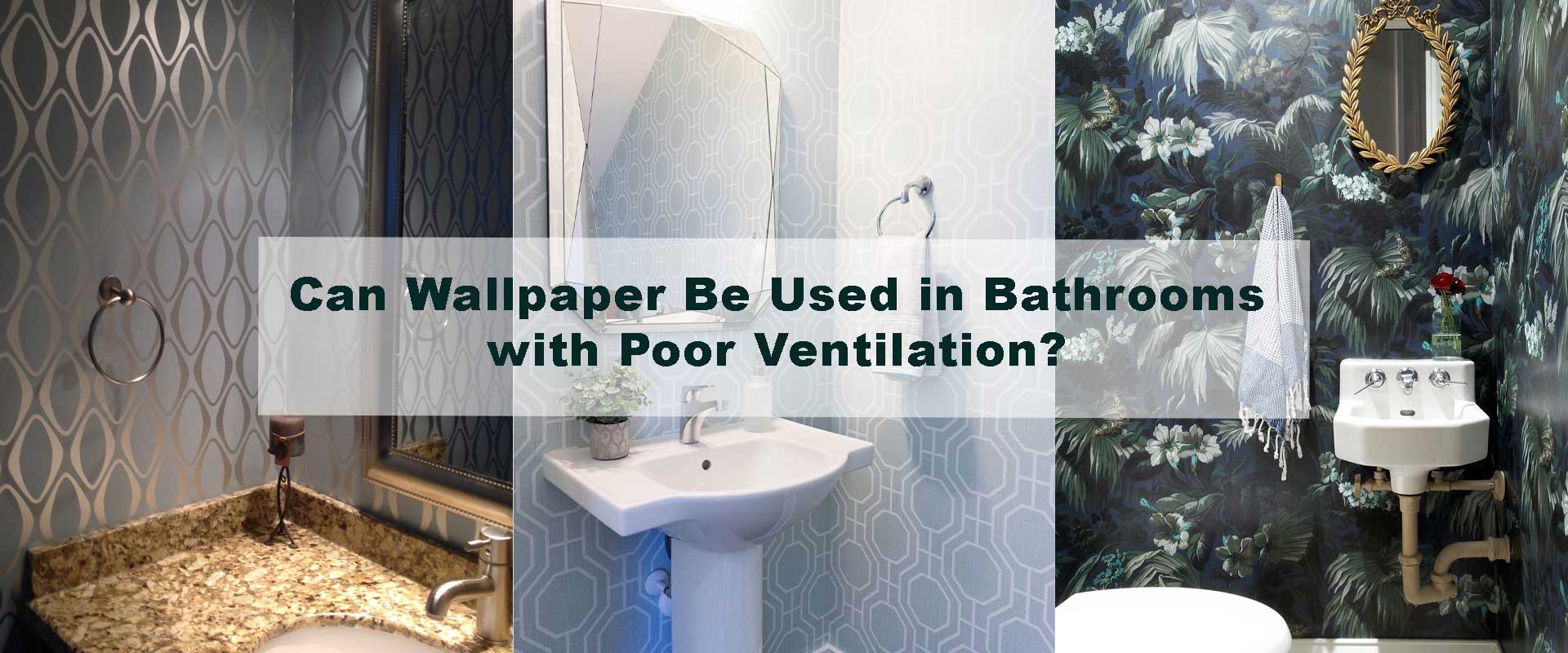
Can Wallpaper Be Used in Bathrooms with Poor Ventilation?
Bathrooms are among the most challenging spaces to decorate because of their constant exposure to steam, humidity, and temperature changes. While wallpaper is loved for its ability to bring color, pattern, and personality to interiors, many homeowners worry about its suitability in damp, poorly ventilated bathrooms. The common concern is simple: can wallpaper be used in bathrooms with poor ventilation?
The short answer is yes, but with careful planning. A bathroom that lacks proper ventilation will always hold more moisture in the air, which puts pressure on any wall finish. Standard paper wallpaper usually fails under these conditions. But thanks to advances in vinyl-coated, peel-and-stick, and luxury protective wallpapers, it is possible to safely and stylishly use wallpaper even in bathrooms with minimal airflow. The key lies in choosing the right material, preparing the walls properly, and maintaining the environment carefully.
Why Ventilation Matters for Bathroom Wallpaper
Ventilation is what prevents bathrooms from turning into mini-greenhouses. After a shower, steam fills the air and condenses on every surface, from mirrors to walls. In well-ventilated bathrooms, exhaust fans or open windows allow this moisture to escape quickly. In poorly ventilated spaces, however, steam lingers for long periods, settling into crevices, grout, and even under wall coverings.
When wallpaper is exposed to this cycle repeatedly, adhesives soften and edges begin to peel. Worse still, dampness trapped between wallpaper and wall surfaces creates the perfect environment for mold. This is why traditional wallpaper fails quickly in such spaces. Yet it does not mean wallpaper is off the table completely. By selecting moisture-resistant materials and taking preventive steps, homeowners can still enjoy the beauty of wallpaper without constant worry. The bathroom wallpapers collection is a good place to start because it focuses on designs made to withstand these unique conditions.
Wallpaper Materials That Work in Low-Ventilation Bathrooms
Vinyl-Coated Wallpaper
Vinyl is the most practical option. It is non-porous, which means water does not soak in, and it is wipeable, making cleaning easy. Even when ventilation is limited, vinyl holds up far longer than paper wallpaper. Its durability makes it a favorite for family bathrooms and busy spaces.
Peel and Stick Wallpaper
Peel-and-stick wallpaper, often grouped under removable wallpaper, is also a smart option for humid bathrooms. High-quality peel-and-stick versions are vinyl-based and handle humidity well. They can be replaced easily if edges ever start peeling, which provides peace of mind in moisture-heavy rooms.
Luxury and Designer Wallpapers
Some designer wallpapers include protective finishes or specialty coatings that resist moisture. Metallic foils, embossed textures, or treated fabrics can be surprisingly resilient in bathrooms. Many options from the luxury bathroom wallpaper collection combine high-end design with long-lasting performance, making them a perfect fit for statement bathrooms that lack airflow.
Preparing Walls in Bathrooms with Poor Ventilation
The secret to making wallpaper last in poorly ventilated bathrooms lies in preparation. The more carefully you prepare the surface, the more resistant it will be to the challenges of humidity.
First, walls must be cleaned thoroughly. Soap scum, grease, and mildew all weaken adhesive. Using a degreasing cleaner ensures a solid foundation. After cleaning, walls should be dried completely before any other step begins.
Next, apply a moisture-resistant primer. This creates a barrier that adhesives can grip while protecting the underlying wall from dampness. In particularly problematic bathrooms, a mold-resistant primer is even better. This step alone can add years to the wallpaper’s life.
Finally, once wallpaper is installed, sealing seams and edges with a clear, water-based varnish adds crucial protection. These are the areas most vulnerable to peeling when condensation builds up. By taking time to seal them properly, you prevent moisture from seeping under the wallpaper.
Placement Strategies: Where Wallpaper Works Best
Wallpapering an entire poorly ventilated bathroom may not always be wise. Instead, strategic placement helps balance beauty with practicality.
Feature walls opposite showers provide maximum impact without direct water exposure. Wallpaper above tiled wainscoting also performs well because the tiles shield the lower half of the wall from splashes while the wallpaper above creates visual interest. Vanity backdrops are another smart choice, especially when sealed carefully, since they frame mirrors and lighting beautifully. Ceilings and alcoves are often overlooked but can add dramatic flair while staying well away from heavy steam zones.
Compact rooms benefit the most from this approach. The small bathroom wallpaper collection shows how thoughtful placement makes wallpaper both practical and eye-catching in tight spaces.
Style Choices That Suit Poor Ventilation Bathrooms
Botanical and Nature Prints
Because poorly ventilated rooms often feel heavy or musty, botanical wallpaper helps bring freshness. Patterns from the botanical bathroom wallpaper collection mimic nature and give an uplifting effect.
Bold Patterns
Bold, high-impact patterns draw the eye away from structural limitations. As explored in bold bathroom wallpaper looks, these designs can transform even dark bathrooms into statement-making spaces.
Geometrics and Structured Patterns
Geometric wallpaper adds a sense of order and symmetry. In small bathrooms, where poor ventilation makes the space feel tight, structured designs create balance. More examples can be seen in geometric bathroom wallpaper inspiration.
Light-Reflective Finishes
Choosing wallpaper with metallic or satin finishes helps bounce light, making enclosed bathrooms feel brighter and more open despite their lack of airflow.
Wallpaper vs Paint in Low-Ventilation Bathrooms
| Feature | Wallpaper | Paint |
|---|---|---|
| Moisture Resistance | Vinyl-coated resists humidity; paper options fail quickly | Moisture-resistant paints are reliable |
| Design Impact | Patterns, textures, murals create unique looks | Limited to colors, finishes, or faux techniques |
| Installation | Requires cleaning, priming, and sealing | Faster to apply |
| Durability | 3–7 years depending on maintenance | 4–8 years depending on quality |
| Maintenance | Wipeable vinyl is easy to clean | Simple to clean and touch up |
This comparison highlights that while paint is low-maintenance, wallpaper brings unmatched creativity and individuality to bathroom design.
Maintenance Tips for Wallpaper in Poorly Ventilated Bathrooms
Wallpaper can succeed in bathrooms with limited airflow if owners adopt good habits. Wipe walls regularly after long, hot showers to remove condensation. Keep the bathroom door open to allow steam to escape more quickly. If possible, use a small dehumidifier or portable fan to reduce lingering humidity. Gentle cleaning with a damp cloth prevents buildup of soap residue without damaging the surface. Resealing seams every couple of years is also recommended for long-term performance.
Design Psychology: Why Wallpaper Still Works in Humid Spaces
Bathrooms with poor ventilation often feel purely functional, but wallpaper changes that dynamic. By introducing color, pattern, and depth, wallpaper makes even the most enclosed bathroom feel intentional and designed. Bold wallpaper distracts from a lack of windows, while light-reflective wallpaper compensates for shadows. Botanical designs simulate freshness and greenery in spaces where airflow is limited. In short, wallpaper redefines the perception of the room, turning its weaknesses into opportunities for creativity.
FAQs About Wallpaper in Poorly Ventilated Bathrooms
Is wallpaper safe in bathrooms with no fan or window?
Yes, if you choose vinyl-coated or peel-and-stick varieties and seal edges carefully.
Will wallpaper mold in bathrooms without ventilation?
Not if you use a mold-resistant primer, maintain ventilation as much as possible, and wipe down walls regularly.
What wallpaper lasts longest in poorly ventilated bathrooms?
Vinyl-coated wallpapers last the longest, often five to seven years with proper care.
Can I wallpaper all four walls in a poorly ventilated bathroom?
It is possible, but feature walls or partial wallpapering above tiles are usually more practical in high-humidity conditions.
Conclusion
So, can wallpaper be used in bathrooms with poor ventilation? Yes—with the right approach. While lack of airflow makes the environment challenging, modern vinyl-coated, peel-and-stick, and luxury wallpapers are designed to resist moisture and last for years. Strategic placement, thorough wall preparation, and ongoing maintenance ensure success. Whether you want the calming vibe of botanicals, the impact of bold murals, or the structure of geometrics, wallpaper has the power to elevate even the most difficult bathrooms. With careful planning, wallpaper is not just possible but one of the best design choices for poorly ventilated bathrooms.