Can You Paint Over Bathroom Wallpaper?
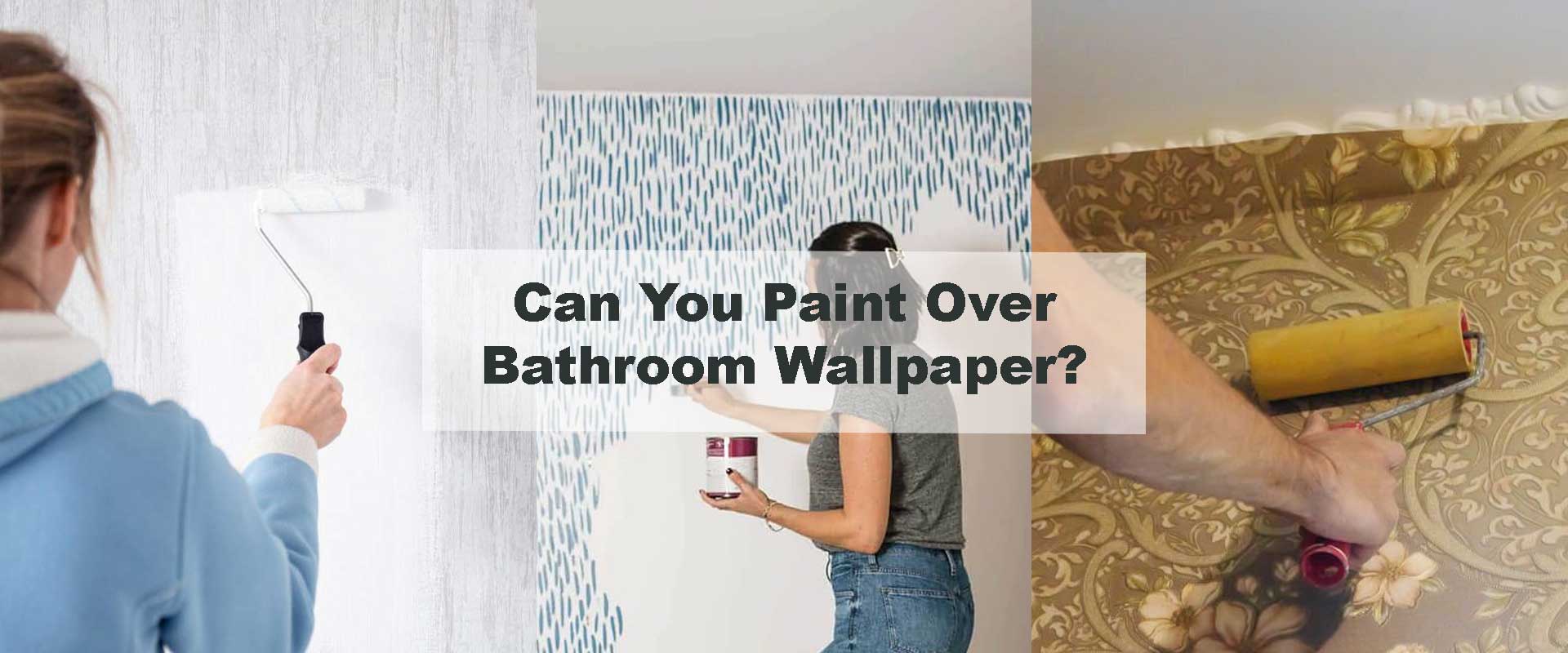
When it comes to updating a bathroom, one of the first questions homeowners ask is: Can you paint over bathroom wallpaper? The short answer is yes—but it depends on the condition of the wallpaper, the type of paint you choose, and how well you prepare the surface. Many people consider painting over wallpaper as a quick way to refresh their bathroom without the mess and cost of tearing everything down. Yet, like most shortcuts, this approach has both advantages and challenges. By understanding what works, what doesn’t, and how to do it correctly, you can achieve a polished look that lasts.
Why People Consider Painting Over Bathroom Wallpaper
Bathroom renovations can be time-consuming and expensive. Stripping wallpaper is especially dreaded because it involves moisture, adhesive, and often hours of scraping. Painting over wallpaper seems like a clever solution for anyone who wants to save time, reduce labor, and still achieve a modern finish. For powder rooms, where humidity is lower, painting over wallpaper is often the fastest way to change the room’s style. Even in larger bathrooms, painting instead of stripping can help refresh outdated patterns with minimal effort.
Homeowners also choose this method when they want to stretch their budget. New tiles, vanities, and lighting may already take up most of the renovation funds, so painting wallpaper allows them to prioritize those bigger updates while still addressing the walls. It’s also appealing for those who enjoy experimenting with colors. Rather than committing to a whole new wallpaper installation, painting gives them a way to test shades and finishes more affordably.
Is It Really Possible to Paint Over Bathroom Wallpaper?
The big question isn’t just can you paint over bathroom wallpaper—it’s should you? The reality is that painting over wallpaper can work beautifully in some situations, but it may create more problems in others. The outcome depends on the wallpaper type, the adhesive used, and the room’s humidity levels.
Bathrooms naturally create challenges for walls. Steam, condensation, and constant splashes put pressure on both wallpaper and paint. If the wallpaper isn’t well-bonded or if seams are loose, adding paint may highlight imperfections rather than hide them. On the other hand, when the wallpaper is in good condition and you use the right primer, the result can be surprisingly smooth and durable.
When Painting Works Well
Painting is most effective when the wallpaper is secure and free of peeling or bubbling. Smooth vinyl-coated wallpaper often takes primer well and provides a strong base for paint. Powder rooms are ideal because they experience far less steam and moisture than full bathrooms with showers. If you have excellent ventilation, such as a strong exhaust fan or windows that open easily, paint has a better chance of lasting.
When You Should Avoid Painting
If the wallpaper is already lifting, bubbling, or peeling at the seams, painting over it will only exaggerate those flaws. Paper-based wallpapers that absorb water are also risky because they expand and shrink with humidity, causing cracks in the paint. Bathrooms with poor ventilation create another red flag. Without airflow, moisture lingers on the walls, making it very difficult for painted wallpaper to hold up over time. In such cases, it’s better to remove the wallpaper entirely before starting fresh.
Preparing Bathroom Wallpaper for Painting
The success of painting over wallpaper depends almost entirely on preparation. Skipping steps or rushing through them leads to uneven finishes, peeling edges, or visible seams. Preparing wallpaper means cleaning thoroughly, smoothing imperfections, and applying primer that seals and bonds the surface.
Cleaning and Degreasing the Walls
Bathrooms collect soap scum, hairspray, and even tiny layers of mildew. All of these reduce paint adhesion. Start by mixing mild soap with warm water to clean the wallpaper. For stubborn areas, a gentle degreaser helps remove residue without damaging the wallpaper. If you notice mildew, scrub with a diluted vinegar solution and let the wall dry completely. No primer or paint should ever go over damp or greasy wallpaper. For deeper maintenance tips, many homeowners look to guides like How to Clean Bathroom Wallpaper Safely, which detail gentle cleaning methods that extend wallpaper life before painting.
Smoothing Seams and Imperfections
Once the surface is clean, turn your attention to seams and edges. Any raised areas will show through paint, so use adhesive to reattach loose spots. Small gaps can be filled with spackle, and then lightly sanded for a smooth surface. For wallpaper with a slight texture, gentle sanding helps create an even finish that primer and paint can grip. The goal is to eliminate bumps and lines that might ruin the final look.
Priming the Wallpaper
Primer is the most critical step. Without it, paint won’t bond properly to wallpaper, especially vinyl-coated varieties. An oil-based primer is often recommended for bathrooms because it resists moisture better than water-based options. Primer also seals the wallpaper, preventing adhesives from bleeding through and protecting against stains. Allow primer to dry fully—usually at least 24 hours—before applying paint.
Choosing the Right Paint for Bathrooms
Bathrooms are unique because of their moisture levels, so the paint you use matters just as much as the preparation. Not all paints perform well in humid conditions. Moisture-resistant paints are designed to withstand condensation and are often labeled for kitchens and bathrooms.
Latex vs Oil-Based Paint
Latex paints are popular because they’re easier to clean up and have low odors. They also resist cracking and are flexible enough to handle minor wall shifts. Oil-based paints, while more durable in some cases, take longer to dry and require strong ventilation during application. If your wallpaper has been properly primed, high-quality latex paint is usually the best choice for bathroom use.
Paint Finish Selection
Finish plays a huge role in performance. Semi-gloss and satin finishes are the most popular for bathrooms because they resist moisture and can be wiped down easily. Flat paints, on the other hand, absorb water and stain more quickly, making them a poor choice for humid rooms. Semi-gloss reflects more light, making it ideal for small bathrooms that need brightness, while satin offers a softer, more subtle sheen.
Step-by-Step Guide: How to Paint Over Bathroom Wallpaper
Painting wallpaper is not complicated, but skipping a step can ruin the project. Here’s a straightforward process:
- Clean wallpaper thoroughly with soap and water.
- Repair all seams, bubbles, and imperfections.
- Sand lightly for a smooth base.
- Apply a high-quality oil-based primer.
- Let primer cure completely before painting.
- Apply the first coat of moisture-resistant paint.
- Allow drying time, then add a second coat for durability.
With patience and careful preparation, painted wallpaper can last for years.
Common Mistakes to Avoid
Some mistakes are so common they almost guarantee failure. One is painting over damp wallpaper. Moisture trapped beneath paint leads to bubbling and peeling. Another is skipping primer altogether. Primer not only helps paint stick but also prevents stains and adhesive from bleeding through. Using flat interior paint is another frequent mistake, since it cannot handle humidity. Finally, rushing between coats prevents proper bonding and results in uneven coverage.
Alternatives to Painting Over Wallpaper
For those unsure about painting, there are alternatives that may work better long-term. Removing wallpaper completely ensures a clean base for new paint or tiles. This takes more effort upfront but eliminates the risk of bubbling. Another option is installing peel and stick bathroom wallpaper. These modern designs are moisture-resistant and easy to remove later, making them ideal for renters or anyone who likes to update décor frequently. For a balance of durability and style, many homeowners combine half-wall tiling with wallpaper above, creating a sophisticated design that resists moisture while still showing personality. In humid spaces, considering moisture risks is vital—resources such as Does Bathroom Wallpaper Get Moldy? can help guide decisions before committing to paint.
Pros and Cons of Painting Over Bathroom Wallpaper
| Pros | Cons |
|---|---|
| Saves time and labor | Risk of peeling or bubbling |
| Quick style update | Seams may remain visible |
| Budget-friendly | Future removal is harder |
| Works in low-moisture spaces | Not ideal in humid bathrooms |
Related Design Ideas for Bathroom Walls
Sometimes, painting over wallpaper is just one option among many. For those who want texture and depth, textured wallpaper paired with coordinating paint offers a layered look that adds dimension. If you prefer something timeless, floral wallpaper above wainscoting creates a charming, classic bathroom that works well with painted trims. Homeowners looking for something sleek and bold may explore modern bathroom wallpaper that pairs bold patterns with paint accents for dramatic effect. Even small bathrooms benefit from geometric wallpaper, which adds visual space while keeping the design crisp and modern.
FAQs About Painting Over Bathroom Wallpaper
Can you paint over peel and stick bathroom wallpaper?
Yes, you can, but primer is absolutely necessary to help the paint bond to the slick surface. Without primer, paint will peel quickly.
How long does painted wallpaper last in a bathroom?
On average, painted wallpaper lasts between 2 and 5 years, depending on ventilation. In well-ventilated powder rooms, it can last longer.
Is painting wallpaper better than replacing it?
It’s a short-term solution. Painting is faster and easier, but if you plan to redecorate again in the near future, replacing wallpaper or using moisture-resistant designs will give you better long-term results.
Conclusion
So, can you paint over bathroom wallpaper? The answer is yes—if the wallpaper is in good condition, if you take time to prepare the surface properly, and if you choose the right paint and primer. For quick updates in powder rooms or well-ventilated spaces, this method works well. But for bathrooms with constant steam or poorly adhered wallpaper, removal and replacement remain the smarter option.
For those who want to skip painting altogether, today’s bathroom wallpaper collections offer stunning designs built for moisture and durability. From peel and stick options for renters to luxury wallpapers for spa-like retreats, there’s a design for every need. If you’re considering your next renovation, explore the full bathroom wallpaper range to see why many homeowners prefer wallpaper over paint for long-lasting style.