Can You Paint Over Floral Wallpaper?
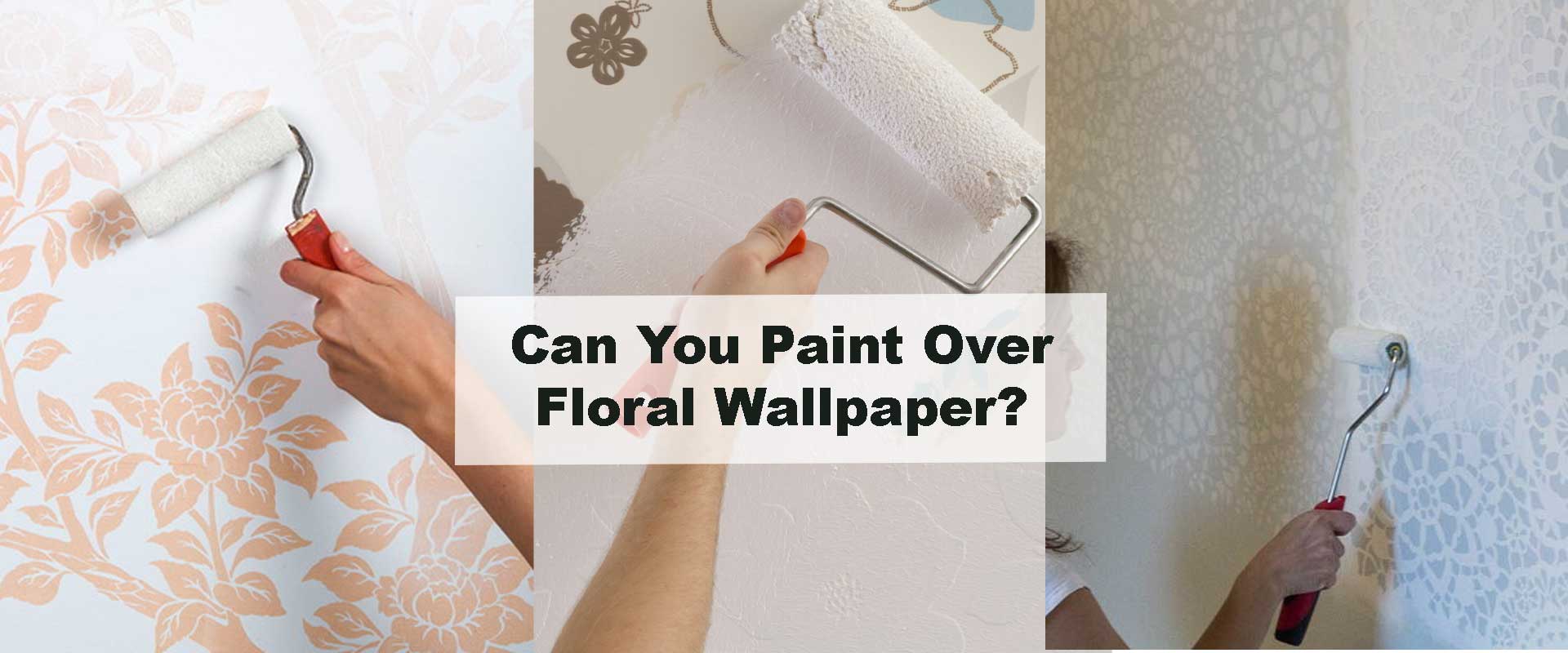
Floral wallpaper can bring nostalgic beauty and character to any home. Yet, as tastes evolve, those vintage roses or botanical blooms might feel a little too bold for your current aesthetic. Instead of stripping it all away, many homeowners ask: Can you paint over floral wallpaper without damaging the walls?
Yes, you can — and with the right preparation, your results can look as seamless as a professionally finished wall. This guide explains how to paint over floral wallpaper properly, which primers and paints to use, and when it’s better to remove wallpaper entirely. You’ll also find expert tips, visual styling ideas, and a detailed comparison table to help you make the right choice for your space.
When Painting Over Floral Wallpaper Makes Sense
Painting over wallpaper works best when the paper is in good condition — firmly attached, dry, and smooth. It’s especially practical if:
- You want to avoid the mess and time of wallpaper removal.
- Your walls have delicate plaster or drywall underneath.
- The wallpaper has no bubbling, peeling, or mold.
- You prefer a quick refresh that hides strong floral patterns.
Painting can also give walls a subtle fresco effect, where the texture of the old floral print adds depth beneath matte paint. This layered look is ideal for romantic or vintage interiors transitioning into a modern tone.
If you discover weak glue or moisture spots, you’ll benefit from reading Removing Old Wallpaper Before Installing Florals — it outlines proper surface repair and preparation before painting.
What You’ll Need Before Starting
Gathering high-quality materials ensures a professional finish and prevents color bleed or seam lifting later.
Essential tools and supplies:
- Painter’s tape and drop cloths
- Mild detergent and soft sponges
- Fine-grit sandpaper (180–220 grit)
- Wallpaper adhesive and joint compound
- Oil-based or shellac-based primer
- Latex or acrylic wall paint (matte or eggshell finish)
- High-density roller, angled brush, and paint tray
- Microfiber cloths for cleaning
Proper materials create the foundation for a smooth and durable surface that resists bubbling or discoloration.
Step-by-Step Guide: How to Paint Over Floral Wallpaper
Every step counts when it comes to transforming wallpapered walls into elegant painted surfaces. Take your time and treat the process like a fine craft.
1. Clean and Inspect the Surface
Start by gently wiping the wallpaper with a mild detergent solution to remove grease, dust, and residues. Avoid soaking — excess moisture weakens glue and causes bubbling.
Next, inspect for loose seams or lifted corners. Re-adhere them with wallpaper paste, then flatten using a clean putty knife. If there are visible gaps or uneven textures, apply a thin layer of joint compound, let it dry fully, and sand lightly for an even surface.
2. Lightly Sand the Wallpaper
Use fine-grit sandpaper to dull glossy finishes so primer can grip. Work evenly, avoiding excess pressure. This small detail dramatically improves adhesion and helps disguise the floral pattern beneath.
After sanding, wipe away all dust with a microfiber cloth. Cleanliness here determines how flawless your final paint finish will appear.
3. Seal Seams and Smooth Texture
Seams are where painted wallpaper often fails. Apply a smooth, thin coat of joint compound over each seam using a flexible knife. Feather out the edges, let it dry, and sand gently until seamless.
Run your hand across the wall — if it feels consistently smooth, you’re ready to move forward.
4. Prime the Wallpaper
Primer is your invisible hero. Use an oil-based or shellac-based primer — never a water-based one, as it can reactivate wallpaper glue. Roll primer evenly, covering every inch, then use a brush for corners and edges.
Let it dry at least 24 hours in a well-ventilated room. A strong primer seals in floral dyes and prevents the design from showing through, ensuring a durable base for painting.
5. Apply Paint in Thin, Even Layers
Once primed, paint using a matte or eggshell wall paint. These finishes hide texture and imperfections while creating a smooth, elegant result. Apply two light coats instead of one heavy layer for better coverage and durability.
Allow each coat to dry thoroughly before applying the next. For darker or high-contrast floral designs, a third coat may be necessary. The result: a soft, unified surface that feels newly built.
6. Let the Paint Cure and Add Finishing Touches
After the final coat, let the wall cure for at least 48 hours before hanging frames or repositioning furniture. Remove painter’s tape while paint is still slightly tacky to prevent peeling. Once cured, your space will feel refreshed, clean, and completely transformed.
Paint vs. Remove: Which Option Is Better for Floral Wallpaper?
| Aspect | Painting Over Wallpaper | Removing and Repainting |
|---|---|---|
| Time Required | Faster — 1 to 2 days total | Slower — 3 to 4 days (removal + repair) |
| Wall Damage Risk | Low, preserves drywall | Moderate, can damage plaster if rushed |
| Cost Efficiency | Budget-friendly | Slightly higher due to labor & tools |
| Finish Quality | Excellent with proper primer | Perfectly smooth if fully repaired |
| Longevity | 5–7 years average | 8–10 years with repainting |
| Best For | Good-condition walls and temporary updates | Poorly adhered or vinyl wallpapers |
If your wallpaper is stable and smooth, painting is efficient and cost-effective. But if you’re dealing with textured vinyl, bubbling, or peeling corners, removal remains the better long-term choice.
Choosing Paint Finishes That Work Best
The right finish determines whether your wall looks modern or dated.
- Matte: Soft, velvety look that conceals slight imperfections.
- Eggshell: Slight sheen, easy to clean, ideal for living areas.
- Satin: Smooth, elegant finish for hallways or kitchens.
- Semi-Gloss: Only for trims or moisture-prone zones — highlights texture too strongly for walls.
Neutral tones like taupe, ivory, mist grey, or pale sage look sophisticated over floral bases. For those wanting to retain a touch of romantic charm, accent a single wall with vintage floral wallpaper — it pairs beautifully with muted paint finishes.
Pro Tips for Flawless Results
- Never skip primer. It seals the floral print and creates a uniform surface.
- Avoid water-based primers. They can soften wallpaper glue.
- Use light, consistent strokes. Heavy coats increase drying time and cause streaks.
- Keep rooms ventilated. Proper airflow helps primer and paint cure evenly.
- Fix bubbles early. A small air pocket can expand once painted.
Attention to these small details ensures a professional, long-lasting outcome that looks like a total renovation — without one.
Common Mistakes to Avoid
- Painting directly on glossy surfaces without sanding first.
- Using water-based primer, which causes bubbling or peeling.
- Skipping joint compound over seams and edges.
- Rushing through drying stages. Patience leads to perfection.
- Ignoring humidity levels, especially in kitchens or bathrooms.
Even if your floral wall looks flat at first, these errors can appear later as small blisters or uneven sheen.
Maintaining Painted Wallpaper Walls
Painted wallpaper requires gentle care. Dust weekly using a soft microfiber cloth, and wipe occasionally with mild soap and water. Avoid abrasive pads or harsh cleaners. Keep humidity balanced to prevent reactivation of the wallpaper adhesive.
These same care practices are emphasized in Cleaning & Maintaining Floral Wallpaper, which highlights how delicate surfaces retain their finish best when maintained with light, regular care.
Alternative Design Approaches
Painting isn’t your only option. You can:
- Add decorative wall panels to half-cover floral patterns while keeping vintage texture.
- Apply modern floral wallpaper on one accent wall to contrast freshly painted tones.
- Use artwork or framed botanicals to bridge the old and new aesthetic gracefully.
This combination of painted and patterned elements balances freshness with timeless charm — especially when drawn from the floral wallpaper collection known for modern reinterpretations of classic motifs.
FAQs About Painting Over Floral Wallpaper
1. Can vinyl wallpaper be painted?
Yes, but only with a bonding primer that adheres to slick surfaces. Light sanding beforehand is crucial.
2. Will the floral design show through paint?
Not if properly primed. Bold or dark prints may need an extra coat for complete coverage.
3. What’s the best paint type?
Latex or acrylic wall paint in matte or eggshell finish provides excellent adhesion and hides subtle textures.
4. Can I remove wallpaper later if it’s been painted?
Yes, but it’s harder. The paint seals the wallpaper, requiring more moisture and effort to strip.
5. How long should I wait before painting over primer?
Let primer cure for at least 24 hours to ensure complete sealing and adhesion.
Conclusion
Painting over floral wallpaper combines practicality with creativity. It’s an elegant solution for homeowners who love transformation without chaos. With thorough preparation, high-quality primer, and mindful technique, your walls can evolve from patterned pasts to smooth, modern canvases.
If you’d like to keep the romance of florals while refreshing your look, explore watercolor floral wallpaper for artistic softness, or browse rich tones within our floral wallpaper collection to inspire your next style direction.
When done right, painting over floral wallpaper isn’t just covering the past — it’s turning it into something beautifully new.