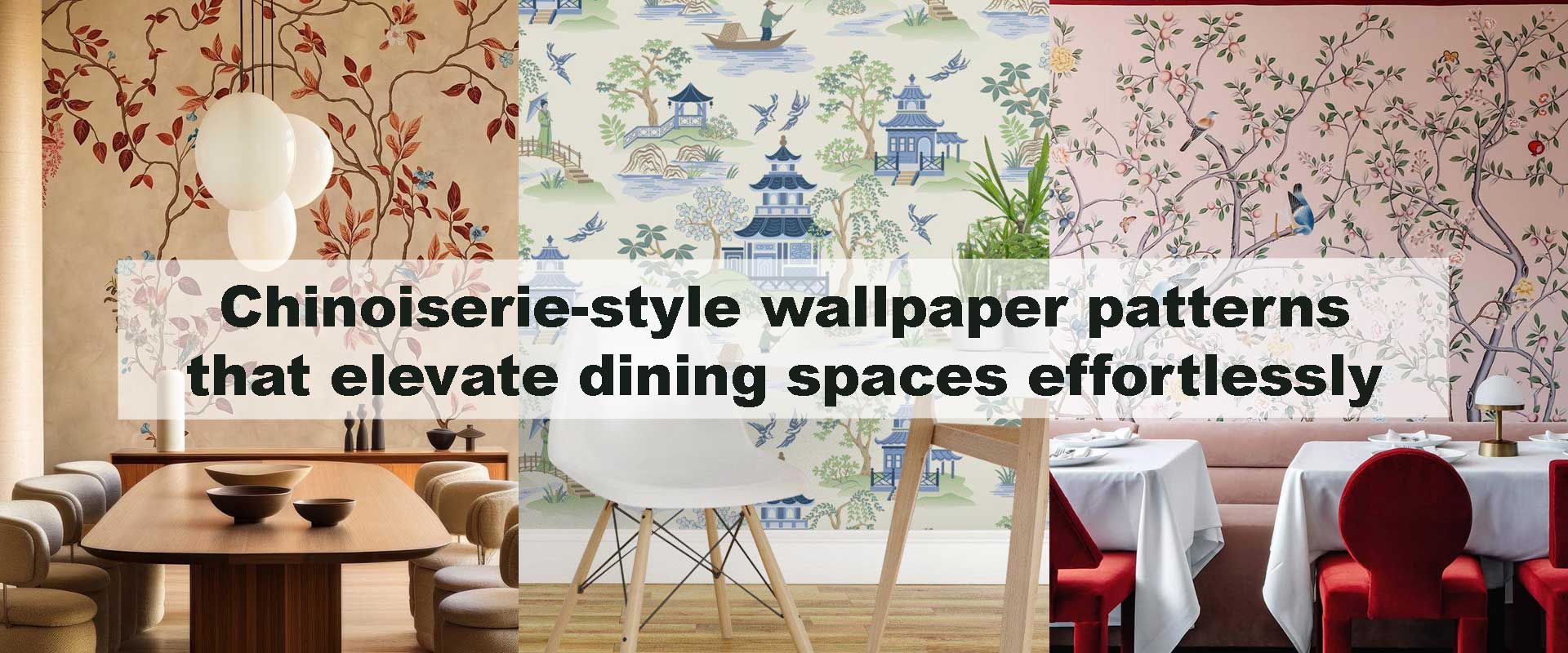
Chinoiserie-style wallpaper patterns that elevate dining spaces effortlessly
Chinoiserie wallpaper brings a level of elegance to dining rooms that feels both timeless and refreshingly current. With its expressive brushwork, flowing botanical motifs, scenic vignettes, and intricately layered storytelling, it creates an atmosphere where meals linger longer and conversations feel richer. Homeowners gravitate toward Chinoiserie because it offers the emotional depth of hand-painted art while still functioning as a cohesive backdrop that doesn’t overpower the room. Whether used with classic wooden furniture or minimalist contemporary pieces, its balance of softness and detail instantly elevates the dining space while echoing the refined charm found in Vintage Wallpaper styles.
Designers often note that Chinoiserie’s immersive quality is what sets it apart from simpler patterns. Instead of repeating a tight motif, it stretches gracefully across the wall—branches reaching outward, cranes poised delicately mid-flight, mountains fading into mist—giving the room visual rhythm without creating clutter. Its gentle movement pairs particularly well with warm evening lighting, which amplifies the soft gradients and metallic accents typical of traditional Chinoiserie dining room wallpaper. For homeowners wanting a dining room experience that feels curated yet effortless, Chinoiserie emerges as one of the most enduring artistic choices.
Why Chinoiserie Wallpaper Complements Dining Rooms So Naturally
Chinoiserie thrives in dining rooms because the space benefits from environments that feel welcoming, atmospheric, and subtly dramatic. Unlike bold geometric prints that demand attention, Chinoiserie patterns invite the eye to wander gently. They strike a unique design balance—ornate enough to elevate the atmosphere yet calm enough to enhance relaxation during meals.
A Soft, Storytelling Backdrop
Chinoiserie scenes often incorporate sweeping landscapes, flowering branches, birds, or serene lakes. These elements evoke a transportive feeling that mirrors the calm storytelling highlighted in references such as interior designers are leaning toward panoramic nature murals to build visual depth this year, where broader scenic compositions create breathing space within a room. The same principle applies here: Chinoiserie expands the perception of the dining area through its painterly flow.
Harmonious Color Palettes for Mealtime Ambiance
Classic Chinoiserie tones—jade greens, powder blues, blush pinks, muted golds, and earthy neutrals—blend effortlessly with common dining room materials. Wooden tables, upholstered chairs, ceramic dinnerware, and brass accents all find a natural equilibrium against such palettes.
Flexible Styling Across Design Eras
Though historically rooted, Chinoiserie seamlessly coexists with a wide spectrum of interiors:
- Traditional dining rooms embrace its formal elegance
- Modern settings use it as a subtle contrast to minimalist furniture
- Transitional spaces rely on its botanical softness
- Japandi or Nordic dining rooms benefit from its delicate strokes
This adaptability is part of why Chinoiserie wallpaper continues to influence today’s dining room ideas just as strongly as centuries ago.
The Defining Characteristics of Chinoiserie Dining Room Wallpaper
To design a dining space that feels refined and cohesive, it helps to understand what makes Chinoiserie so distinctly captivating.
1. Botanical Storytelling Across the Wall
One of Chinoiserie’s most recognizable characteristics is its sweeping branches and foliage that glide across the surface organically. These motifs echo the soft rhythm celebrated in collections like Botanical Vintage Wallpaper, but with a more artistic, hand-painted aesthetic.
How This Enhances the Dining Room
- Adds height and movement
- Helps compact spaces feel more open
- Introduces a calming natural presence
- Balances ornate dining furniture
Botanical Chinoiserie is especially ideal for homeowners who prefer elegance without too much visual weight.
2. Scenic Views That Feel Like Painted Murals
Many Chinoiserie wallpapers function almost as murals—depicting imagined landscapes, pagodas, winding rivers, clouds, or faraway mountains. When placed in a dining room, these scenic designs function as conversational art pieces.
Scenic Chinoiserie pairs beautifully with heritage furniture, antique consoles, or softly textured linens. Its narrative depth aligns with design themes often referenced in titles such as Vintage floral wallpaper ideas that transform classic living rooms, where visual storytelling enriches the surrounding décor.
3. Metallic Highlights Adding Soft Radiance
Gold, silver, champagne, and pewter detailing enhance Chinoiserie’s luxurious effect. As evening lights dim, these metallic accents catch and reflect light gently, giving the dining space a sophisticated glow.
Metallic Chinoiserie works particularly well during:
- Holiday gatherings
- Dinner parties
- Candlelit meals
Its quiet glimmer adds warmth without appearing flashy.
4. Minimalist Chinoiserie for Modern Dining Rooms
Contemporary homes often opt for cleaner interpretations of Chinoiserie. These versions maintain the gesture of traditional brushwork but present it with reduced detailing and softened tones.
Minimalist Chinoiserie offers:
- A more understated elegance
- Compatibility with neutral dining palettes
- A calming flow that never overwhelms
- Adaptability for open-concept living layouts
Paired with slender wooden chairs or Scandinavian lighting, it creates a serene, art-forward dining environment.
Choosing the Right Chinoiserie Wallpaper for Your Dining Room
Selecting the ideal Chinoiserie wallpaper for a dining room is as much about understanding the room’s architecture and lighting as it is about appreciating the artwork itself. Because Chinoiserie carries narrative detail, brushwork, and fluid motion, the choices you make in pattern scale, tone, and placement influence not only how the space looks but also how it feels during gatherings. The dining room becomes a stage where delicate scenery and soft gradients work in harmony with furniture lines, natural light, and evening ambience.
Match Pattern Density to Room Size With Intention
Pattern scale plays a powerful role in whether a dining room feels intimate, airy, expansive, or immersive. Airy botanical Chinoiserie works beautifully in compact spaces because its branches and florals open up the wall rather than enclosing it. The negative space between motifs gives the eye room to rest, making the entire dining experience feel calmer and more spacious.
Larger dining rooms, especially those with generous wall height or wide expanses behind long dining tables, can handle richly illustrated Chinoiserie scenes. Mural-like landscapes with bridges, distant hills, or layered foliage create depth that gently anchors the room. These more expressive designs bring an atmosphere similar to heritage dining salons, enveloping guests in soft storytelling without overwhelming the senses.
General Rule of Proportion
- Small rooms: Choose airy compositions with flowing branches, open backgrounds, and soft transitions
- Large rooms: Embrace panoramic illustrations or more intricate scenic detailing to give the wall presence and dimension
This approach ensures that pattern and space work together rather than compete.
Choose Colors Based on Lighting Conditions for Maximum Atmosphere
Lighting shapes how Chinoiserie reads throughout the day—especially during evening meals. Warm lighting enhances blush tones, champagne accents, sage greens, and botanical gold detailing, giving the room a soft, glowing ambiance that feels welcoming and elegant. These palettes look most beautiful under dimmed chandeliers or candlelight, where their subtle shimmer gently comes forward.
Dining rooms with abundant natural light lean toward cooler or neutral palettes. Powder blue, pale silver, cloud-like greys, and jade are ideal choices here because they maintain clarity and depth even under bright conditions. These hues evoke a peaceful daytime mood, making brunches and afternoon gatherings feel light and airy.
Coordinate Thoughtfully With Dining Furniture for Visual Harmony
Chinoiserie blends effortlessly with a range of furniture materials, but an intentional pairing creates the most cohesive effect. Wooden dining tables—whether walnut, oak, or darker polished finishes—feel grounded against the painterly softness of Chinoiserie. Cane-backed chairs, marble surfaces, and upholstered seating introduce layers of texture that complement its organic flow.
To create balance:
- Warm wood tones pair beautifully with botanical greens, muted golds, and delicate floral interpretations
- Contemporary furniture with slender silhouettes works best alongside minimalist Chinoiserie featuring softer outlines and reduced detailing
- Deep blues, jade, and smoky tones harmonize with darker wood furniture, creating a rich, moody dining atmosphere
This thoughtful pairing ensures that the wallpaper supports the room’s aesthetic rather than overpowering it.
Keep Tabletop Styling Light So the Walls Remain the Centerpiece
Chinoiserie brings its own quiet drama, so tabletop décor should enhance rather than compete with it. Overly layered settings can distract from the flowing imagery, but understated styling allows the eye to appreciate the room as a whole.
A refined approach includes:
- Monochromatic dinnerware that keeps the look clean and uncluttered
- Slim candle stands that add vertical elegance without blocking the wall’s artwork
- Simple floral arrangements—single stems or soft greenery—that echo the wallpaper’s botanical flow
This minimal styling keeps the focus on the Chinoiserie itself, turning the dining room into a subtly curated space where every element feels purposeful.
Chinoiserie Styles for Dining Spaces
| Chinoiserie Style | Visual Mood | Best For | Strength |
|---|---|---|---|
| Botanical Chinoiserie | Airy, nature-infused, elegant | Small–medium dining rooms | Enhances height and openness |
| Scenic Chinoiserie Landscapes | Immersive and narrative | Feature walls, formal dining | Adds depth and storyline |
| Metallic-Accented Chinoiserie | Radiant, luxurious | Evening entertaining | Soft glow and upscale feel |
| Minimalist Chinoiserie | Calm and modern | Japandi, Nordic, contemporary | Subtle artistry without clutter |
How Chinoiserie Interacts With Dining Room Architecture
Chinoiserie becomes even more compelling when it interacts with architectural elements, allowing the space to feel thoughtfully composed rather than simply decorated. Its painterly gestures, organic silhouettes, and layered scenic depth respond beautifully to the lines and proportions of a dining room, transforming structural features into part of the visual story.
Enhancing Molding and Paneling With Artistic Flow
Crown molding, chair rails, and wainscoting gain a refined softness when paired with Chinoiserie’s sweeping shapes. The wallpaper’s branches, cranes, and landscape contours seem to float around these details rather than compete with them, giving the impression that the artwork was created directly onto the architectural surface. This integration elevates traditional dining rooms, where molding frames the pattern like a built-in gallery, while also enriching modern dining spaces by adding history-inspired texture and depth.
Chinoiserie’s asymmetrical balance works especially well here—the gentle arcs and flowing botanicals feel deliberately choreographed against the room’s structured lines, making the architecture feel more alive and expressive.
Creating Height and Openness Through Vertical Movement
Chinoiserie excels at manipulating perception. Vertical elements—tall branches, elongated blossoms, drifting clouds, or rising mountain silhouettes—naturally guide the eye upward. This visual lift makes the dining room feel more open, easing any sense of heaviness from substantial furniture or low ceilings.
Even a modest dining room benefits from this vertical emphasis. The wallpaper introduces a sense of expansion without requiring bold colors or dramatic contrasts, relying instead on delicate upward motion to create spatial grace.
Defining Zones in Open-Concept Layouts Through Gentle Structure
In open-plan settings, the dining area often struggles to feel grounded. Chinoiserie resolves this by acting like a soft architectural boundary. Instead of using partitions, the wallpaper itself creates a sense of place—its sweeping imagery gently encloses the dining zone, distinguishing it from adjacent living or kitchen spaces.
Because Chinoiserie functions much like a mural, it brings structure without rigidity. The transition remains fluid, allowing the dining area to feel connected yet comfortably defined. Minimalist interpretations work beautifully in contemporary open layouts, while scenic versions create a dramatic focal point in larger shared spaces.
Design Pairings That Complement Chinoiserie Wallpaper
Thoughtful pairings allow Chinoiserie wallpaper to reach its full expressive potential in a dining room. Because its artistry unfolds across the wall with quiet movement and painterly depth, the décor that surrounds it should echo this softness while adding layers of texture, warmth, and elegance. When the right materials, finishes, and accessories accompany Chinoiserie, the dining space transforms into a curated environment where every detail feels intentional.
1. Wood Finishes That Add Sculpture and Warmth
Walnut, oak, ash, and other richly grained woods provide an earthy counterbalance to Chinoiserie’s delicate brushwork. The natural texture of wood grounds the space, ensuring the wallpaper’s pastel botanicals or scenic motifs feel anchored rather than floating. Darker finishes such as wenge or espresso create a dramatic mood that intensifies cool-toned Chinoiserie palettes, while lighter woods introduce a breezy, sunlit quality that suits soft blossom or crane-inspired designs. Together, they build a harmonious dialogue between structure and art.
2. Brass and Gold Accents for Evening Elegance
Metallic elements—whether brushed brass, aged gold, or polished champagne tones—bring out the luminous qualities of Chinoiserie. These warm metals echo the subtle highlights often found in traditional motifs, helping the wallpaper glow during evening meals. A gilded mirror frame, slender brass candlesticks, or a warm metal chandelier reflects ambient light back into the room, creating a soft shimmer that complements the wallpaper’s layered depth. This pairing works especially well in formal dining rooms designed for intimate gatherings or celebrations.
3. Pastel Upholstery That Enhances Calm Ambience
Pastel upholstery in sage, blush, dusty lavender, or dove grey supports Chinoiserie’s gentle atmosphere without competing for attention. These tones reference the mural-like softness of the walls, allowing seating to feel integrated rather than separate. Tufted velvet, smooth linen, or matte woven fabrics add subtle tactile contrast while preserving calmness. When these hues are repeated in table linens or drapery, the dining room benefits from a serene, cohesive palette that amplifies the wallpaper’s refined mood.
4. Modern Dining Furniture With Clean Silhouettes
Contemporary dining tables and minimalist chairs offer an elegant counterpoint to Chinoiserie’s expressive detailing. Their clean silhouettes create breathing room around the wallpaper, allowing it to read as art rather than pattern. Slim metal legs, sculptural wood frames, or smooth stone tabletops prevent visual clutter and enhance the wallpaper’s fluid motion. This pairing is ideal for homeowners who want to merge historic charm with modern sophistication, creating a dining space that feels balanced, curated, and effortlessly stylish.
5. Nature-Inspired Accessories for Organic Harmony
Accessories inspired by natural textures and forms deepen the connection between Chinoiserie and the rest of the room. Branch-like chandeliers echo the sweeping limbs painted on the walls, while ceramic art pieces mirror the handcrafted feel of traditional motifs. Linen tablecloths and subtly textured runners soften the setting, reinforcing the wallpaper’s tranquil aura. A single vase with seasonal foliage or a minimalist arrangement of stems can complement the wallpaper’s botanical gestures without overshadowing them, completing the space with quiet elegance.
Chinoiserie Wallpaper vs. Other Dining Room Styles
To help homeowners understand why Chinoiserie stands out, here is a detailed comparison with common dining room wallpaper styles:
| Wallpaper Style | Pros | Cons | Best Use Case |
|---|---|---|---|
| Chinoiserie Wallpaper | Artistic, elegant, calming; works with modern + traditional spaces | Can appear formal if color not chosen carefully | Dining rooms needing refined storytelling |
| Geometric Prints | Bold, energetic, modern | May distract from mealtime | Contemporary dining with minimal décor |
| Striped Wallpaper | Classic, structured | Less expressive | Architecture-focused dining rooms |
| Textured Neutrals | Understated and sleek | Lacks visual interest | Minimalist or small rooms |
| Botanical Wallpaper | Calming and organic | Less narrative depth than Chinoiserie | Nature-inspired interiors |
| Ornamental Vintage Wallpaper | Heritage-rich elegance | Can feel heavy in small rooms | Formal dining with traditional furnishings |
With its balance of artistry and tranquility, Chinoiserie provides one of the most versatile and emotionally rich dining room experiences.
Incorporating Chinoiserie Wallpaper Into Various Dining Room Themes
Chinoiserie adapts remarkably well to different dining room identities because its expressive nature can shift from delicate to dramatic with subtle changes in color, scale, and motif. Whether the home leans formal, rustic, modern, or globally inspired, Chinoiserie acts as the thread that connects mood, texture, and architecture into one unified dining experience. Carefully adjusting finishes, furniture shapes, and palette tones allows the wallpaper to feel tailor-made for each theme.
1. Classic Luxury Dining That Feels Grand but Never Overstated
Scenic Chinoiserie, with its layered landscapes and graceful silhouettes, immediately elevates a traditional dining room. When paired with carved wooden chairs, velvet upholstery, and warm metal chargers, the entire space gains depth and ceremony. Tall candlesticks, fluted glassware, and heirloom-style accents echo the wallpaper’s historic gesture, creating a dining environment that feels rich without becoming visually heavy. The key is balance: letting the wallpaper tell a poetic story while surrounding elements reinforce its sophistication with texture and warm light.
2. Modern Minimal Dining With Sculptural Clarity
A contemporary dining room benefits from Chinoiserie’s softer artistic movement, especially when the palette is kept monochromatic or gently desaturated. This refined version of Chinoiserie—free from dense detailing—allows the wallpaper to behave like a tonal art wash behind clean-lined furniture. Sculptural pendant lights, matte ceramics, slim table frames, and quiet textiles give the space crisp clarity, while the wallpaper introduces gentle flow that prevents the room from feeling rigid. The result is a serene, gallery-inspired dining setting where every line and brushstroke feels intentional.
3. Cottage-Inspired Dining With Soft Storybook Warmth
Pastel Chinoiserie works beautifully in a cottage-inspired dining room, where its delicate blossoms and branching silhouettes reinforce a feeling of handmade comfort. The wallpaper’s gentle rhythm echoes the charm found in styles like Cottage Vintage Wallpaper, creating a deeply inviting atmosphere. Pairing it with painted wood finishes, woven textures, floral ceramics, or lightly distressed furniture encourages a dreamlike softness. This theme benefits from natural light, loose greenery, and cozy linens, transforming the dining room into a warm, storybook-like setting where meals feel intimate and slow-paced.
4. Transitional Dining That Blends Heritage and Modern Ease
Transitional spaces thrive when traditional motifs meet streamlined furniture. Chinoiserie is uniquely suited for this approach because its brushwork holds the charm of heritage interiors while its fluid motion feels relevant in modern homes. Pair classic Chinoiserie with contemporary dining tables, soft neutral textiles, and subtle metallic accents to create harmony between eras. This fusion allows the room to feel fresh while still carrying the historical romance that makes Chinoiserie timeless.
5. Asian-Inspired Dining With Cultural Grace and Soft Symbolism
Chinoiserie naturally aligns with Asian-inspired dining themes, drawing from shared elements such as cranes, bamboo, garden motifs, and misty landscapes. These motifs introduce calmness and symbolic richness into the space. When paired with low-profile seating, warm wood tones, ceramic tea sets, or lantern-style lighting, the dining room gains a quiet authenticity. The wallpaper becomes more than a backdrop—it becomes a setting that honors heritage while offering a refined, serene environment for gatherings.
How to Use Chinoiserie Wallpaper as a Feature Wall
Chinoiserie has an exceptional ability to reshape a dining room’s mood depending on where it is placed. Its sweeping branches, layered scenery, and elegant silhouettes behave almost like curated artwork, and positioning becomes a powerful tool for controlling ambience. Whether used sparingly or in full-room coverage, the placement determines how guests experience the dining space—subtle, immersive, intimate, or theatrical. Thoughtful placement ensures that each brushstroke supports both the architecture and the dining ritual that unfolds within the room.
Behind the Dining Table
Positioning Chinoiserie directly behind the dining table remains the most impactful and enduring choice. This wall naturally frames the seating arrangement, allowing the wallpaper to act as a refined backdrop while also guiding the room’s visual focus. Botanical branches stretching outward or scenic elements rising softly behind the table add a sense of depth, almost as if the dining set is situated inside a tranquil painting. Metallic accents shimmer gently during evening meals, and soft gradients glow under pendant lighting, making every gathering feel elevated. This placement achieves the perfect balance of drama and harmony—striking enough to define the room but calm enough to support conversation.
Behind a Buffet or Sideboard
Placing Chinoiserie behind a buffet or sideboard creates an elegant display zone that feels curated and intentional. Scenic landscapes, delicate florals, or gentle horizon lines form a layered backdrop for ceramics, textured glassware, sculptural vases, or collected décor. The result is a visual vignette that behaves like a composed still life—one that shifts throughout the day as natural light passes across the wall. This placement works beautifully in both narrow dining rooms and wide formal ones, as it visually stabilizes the room by anchoring one long plane with rich artistic presence. Guests naturally gravitate toward this area, making it ideal for gatherings that involve serving stations or decorative pieces.
Covering All Four Walls
For homeowners who want a deeply immersive dining experience, wrapping the entire room in Chinoiserie creates a luxurious enclosure reminiscent of classic mural-lined salons. Rather than dominating the space, full-coverage Chinoiserie forms a softened envelope of scenery that surrounds the dining area with atmosphere and graceful continuity. Horizontal movement in landscapes or the gentle rise of botanical motifs builds a subtle visual flow around the room, allowing guests to feel fully enveloped in the artwork without overwhelming their senses. When paired with warm lighting, sculptural furnishings, and a restrained palette, the effect becomes transcendent—an entire dining room that feels like a serene world of its own.
Maintenance and Longevity of Chinoiserie Wallpaper
Chinoiserie wallpaper may appear delicate due to its painterly detail, yet it remains remarkably resilient when crafted with modern printing techniques and durable backings. In a dining room—an environment with stable humidity and minimal exposure to harsh elements—Chinoiserie thrives effortlessly. Its colors hold their clarity, metallic accents retain their gentle sheen, and the intricate brushwork stays crisp as long as the surface receives thoughtful care. The goal is to preserve not only the wallpaper’s physical condition but also the atmosphere it creates, ensuring that the room continues to feel refined and inviting over time.
A few gentle habits help extend its life and keep the artwork looking vibrant:
- Remove dust regularly with a soft microfiber cloth so the wallpaper maintains its smooth, luminous finish
- For vinyl-backed variations, use light, occasional cleaning to prevent buildup while keeping the surface intact
- Keep the walls free from moisture or splashes, especially near serving areas, to avoid dulling pigments
- Avoid abrasive tools or harsh scrubbing that can disrupt the fine detailing or subtle sheen
With these simple practices, Chinoiserie wallpaper retains the elegance, depth, and visual softness that define its charm. When cared for with intention, it continues to age gracefully—allowing its artistic presence to enrich the dining room for many years.
Frequently Asked Questions
Is Chinoiserie wallpaper too ornate for small dining rooms?
Not necessarily. Choosing lighter backgrounds, open botanical designs, or minimalist Chinoiserie styles helps smaller rooms feel airy rather than busy.
Can Chinoiserie pair well with modern dining furniture?
Absolutely. Its organic brushwork softens the sharp lines of contemporary furniture, creating a balanced and visually engaging dining room.
Does Chinoiserie work best as a feature wall or full-room design?
Both approaches are effective. A feature wall introduces elegance without overwhelming the space, while full-room coverage creates an immersive, gallery-like dining ambiance.
What colors work best for Chinoiserie dining rooms?
Powder blue, sage green, jade, blush, champagne gold, and muted neutrals all complement classic Chinoiserie themes.
Is Chinoiserie suitable for open-concept dining areas?
Yes. It helps define the dining zone visually, providing separation while staying harmonious with surrounding spaces.
Can I mix Chinoiserie wallpaper with patterned dining upholstery?
Yes, as long as one pattern remains subtle. Small-scale or tone-on-tone upholstery pairs beautifully with more expressive Chinoiserie scenes.
Conclusion
Chinoiserie wallpaper offers a transformative way to elevate dining spaces with refined, narrative-driven artistry. Its sweeping botanicals, scenic landscapes, and quietly shimmering details create an environment that feels both serene and luxurious. Whether homeowners prefer classic elegance, light feminine florals, or modern pared-down interpretations, Chinoiserie brings depth and character that few other wallpaper styles can replicate. Paired with complementary décor, warm lighting, and thoughtful styling, it delivers a dining room experience that feels intimate, elevated, and beautifully timeless.