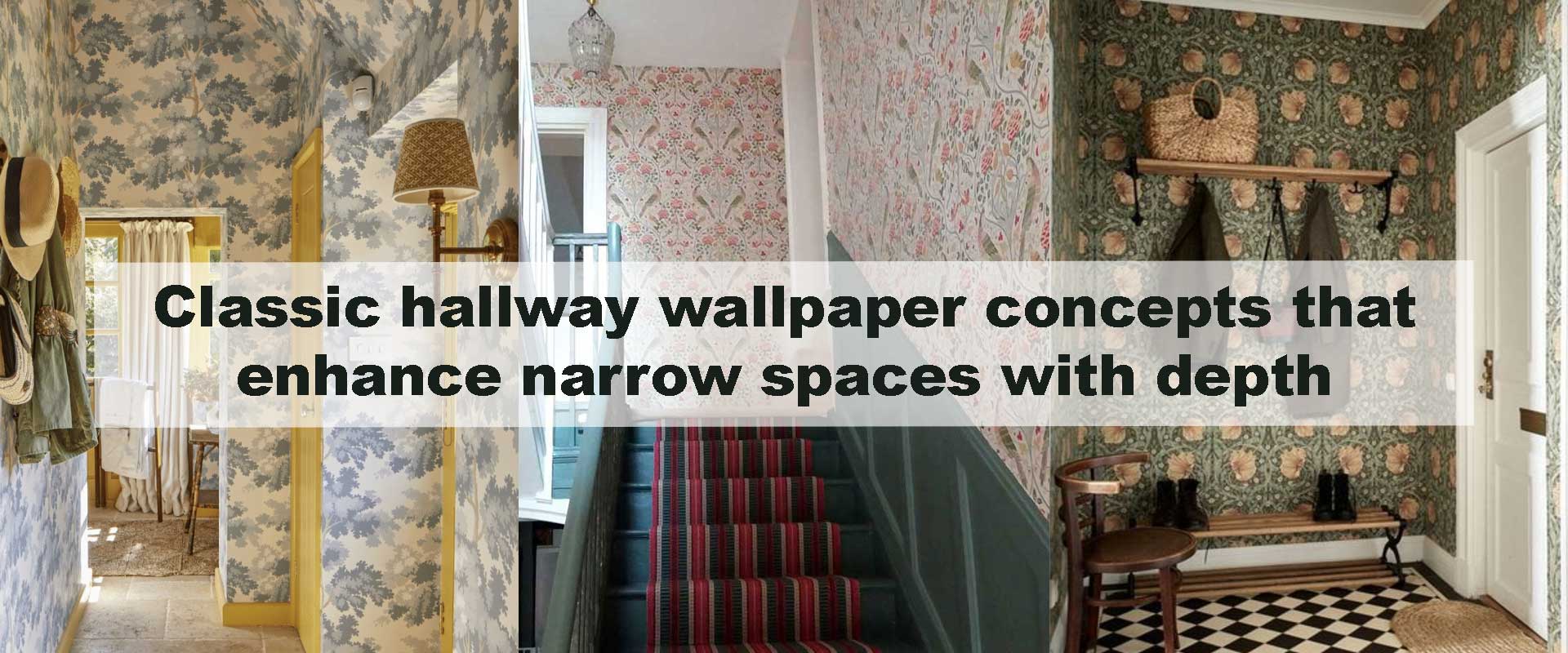
Classic hallway wallpaper concepts that enhance narrow spaces with depth
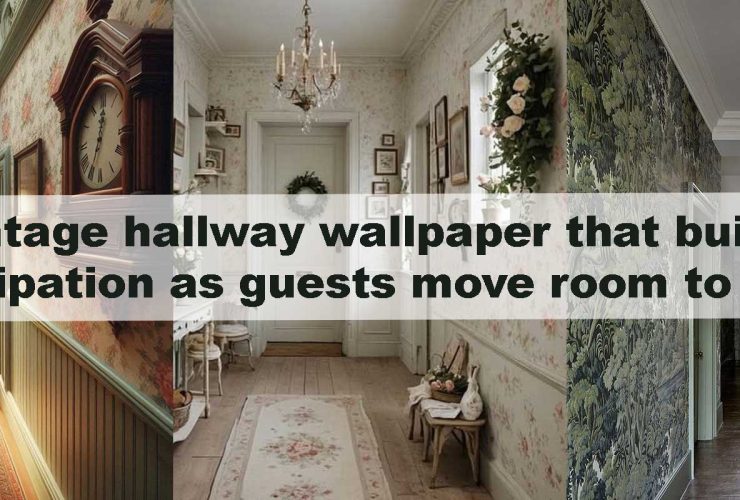
Narrow hallways often feel like closed passages rather than design opportunities, yet the right classic wallpaper can transform them into elegant transitions filled with depth and character. Classic hallway wallpaper concepts that enhance narrow spaces with depth rely on pattern flow, tonal balance, and visual rhythm to stretch the corridor naturally. When timeless motifs—whether floral, ornamental, or softly geometric—run along the walls in a measured way, the space feels longer, calmer, and more connected to the rest of the home. Many homeowners also find that classic designs pair beautifully with warm woods, brass accents, and framed art, making the passage feel curated rather than compressed. A single well-chosen print can replace the need for heavy décor, especially when refined patterns reference the quiet charm found in Vintage Wallpaper.
Why Classic Wallpaper Works So Well in Tight Hallways
Classic motifs have a remarkable ability to reinterpret constrained spaces. Their repeating structures, subdued palettes, and graceful detailing create flow rather than interruption. Instead of calling attention to the hallway’s limited width, they encourage the eye to move forward, producing a sense of continuity. This visual softness is especially impactful in older homes where hallways tend to be long and narrow. When carefully chosen, a vintage pattern can blur harsh edges, smooth architectural irregularities, and introduce warmth without overwhelming the corridor.
Patterns featuring soft florals, delicate filigree, or airy botanical silhouettes naturally give the impression of layered depth. Likewise, slender geometric repeats reminiscent of traditional woodblock printing help elongate the passage. These designs also integrate seamlessly with styles outlined in Vintage floral wallpaper ideas that transform classic living rooms, where graceful repetition becomes a subtle companion to transitional architecture.
Choosing the Right Classic Pattern for Narrow Hallways
Subtle Florals That Create Movement
Soft florals offer a timeless approach that feels graceful, familiar, and endlessly welcoming. The key in narrow hallways is choosing florals with fine stems, dispersed petals, or vertical lean. These elements draw the eye lengthwise rather than side to side. A design inspired by Floral Vintage Wallpaper introduces quiet bloom-like movement that never feels busy. Pale blues, dusty roses, antique creams, or sage tones allow the wallpaper to brighten the hallway without dominating it.
Ornamental Accents for Heritage Appeal
Ornamental motifs—damask curls, scrollwork, or classical linework—enhance narrow hallways by giving them a dignified spine. These patterns echo historic craftsmanship found in heritage buildings, instantly elevating even the simplest corridor. The secret is scale: choose medium or small repeats so the motif supports the space rather than crowds it. The powdery neutrals and soft golds associated with Ornamental Vintage Wallpaper introduce depth through delicate shadowing and layered tone-on-tone details.
Botanical Line Art for Layered Lightness
Botanical sketches are ideal for hallways with low light because their slender detailing reflects subtle luminosity. Designs from Botanical Vintage Wallpaper work beautifully when paired with matte wall sconces or candle-style lighting. The combination produces a glowing ambience and transforms a once-dim corridor into a warm connecting room. The spacing within these sketches allows the base color of the wallpaper to shine—another trick that visually enlarges the space.
How Color Influences Perceived Depth in Hallways
Light Tones That Expand the Corridor
Classic prints in beige, parchment, dove grey, and chalky pastel shades help narrow hallways feel wider. Gentle tonal shifts offer subtle gradation that mimics natural daylight. Warm neutrals from ranges like Beige Vintage Wallpaper soften the edges of the passage. Pale peach or dusty green patterns work especially well in corridors leading to living rooms or kitchens, ensuring the transition feels seamless.
Deep Shades That Add Elegant Mystery
Many assume dark hallways become heavy, but classic motifs in midnight blue, walnut brown, or charcoal can actually enhance depth when applied thoughtfully. Rich hues recede visually, which makes the side walls appear farther apart. The key is pairing these deeper shades with fine-line detailing or tone-on-tone ornamentation. Collections similar to Brown Vintage Wallpaper lend a moody sophistication that feels deliberate rather than confining. This approach echoes the atmosphere discussed in Why retro wallpaper is making a dramatic comeback in contemporary homes, where expressive tones reshape modern interiors with emotional resonance.
Monochrome Classics for Clean Continuity
Black-and-white or cream-and-charcoal palettes transition effortlessly between contemporary and traditional homes. Their simplicity stretches space by removing visual clutter. Designs inspired by Black and White Vintage Wallpaper are especially effective when the corridor leads to modern rooms, helping bridge stylistic contrast with quiet refinement.
Pattern Direction and Scale—The Secret to Hallway Depth
Vertical Patterns That Lift Low Ceilings
Vertical motifs act like architectural extensions, drawing the eye upward and subtly correcting low or compressed ceilings. Slim stripes, elongated floral stems, and upward-tilting ornamental scrolls create an elegant lift that grants the passage a sense of airiness. These patterns are particularly effective in dim hallways, where natural light is limited, because their vertical rhythm mimics the feeling of rising daylight. Each upward movement encourages the eye to travel, reducing the visual weight near the ceiling and giving the entire corridor a more graceful, elevated presence.
Horizontal Repeats That Stretch the Length
For hallways that feel abruptly short or visually divided, horizontal patterning offers a quiet but powerful solution. Gentle linear banding, botanical vines that flow from end to end, or classic frieze-style repeats elongate the corridor by guiding the gaze forward in one continuous sweep. This creates a longer visual pathway, smoothing the transition between rooms and making the hallway feel more open. Horizontal directionality also softens any architectural breaks, turning a once-compact passage into a more fluid, extended route.
Small-Scale Motifs for Discreet Elegance
Small-scale classic motifs create a soft visual field that works beautifully in transitional hallways connecting multiple rooms. Their discreet repetition fades into an elegant texture rather than becoming the focal point, ensuring that the pattern enhances the space without crowding it. Fine florals, miniature damask curls, or delicate botanical sketches bring a sense of refinement while maintaining openness. Because the details read as a gentle backdrop, these motifs support various adjoining interior styles, from traditional sitting rooms to modern dining spaces, making the hallway feel harmoniously integrated into the overall home design.
Lighting and Wallpaper Interaction in Narrow Hallways
Lighting shapes how classic wallpaper reveals its texture, softness, and dimensional character—an effect that becomes especially transformative in tight corridors. Warm wall sconces graze the surface, catching raised ink, metallic tracings, and delicate botanical outlines, allowing intricate motifs to glow subtly without overwhelming the eye. Pendant globes and diffused ceiling lights spread illumination evenly across repeating patterns, smoothing the hallway’s rhythm and guiding movement forward. Classic wallpapers often contain fine tonal shifts and micro-shadows created by historic-style detailing, and soft ambient lighting brings those subtleties to life, making the surface appear quietly layered. When gentle light interacts with timeless motifs, even the narrowest hallway gains an intimate, elongated elegance that feels both comforting and visually expanded.
Pairing Classic Wallpaper With Hallway Decor and Architecture
Soft Wood Tones for Timeless Harmony
Light oak, walnut, and mellow mid-tone woods introduce natural warmth that complements classic prints beautifully. Their organic grain softens any sharp lines in the passage and allows refined motifs to take center stage. The pairing echoes traditional craftsmanship, creating a grounded yet graceful visual balance that suits both period homes and thoughtfully updated spaces.
Mirrors for Enhanced Spatial Illusion
Strategically placed mirrors amplify the hall’s depth by reflecting both light and pattern. When positioned opposite a sconce, mirror reflections create a luminous rhythm that stretches the passage visually. Mirrors also echo the wallpaper’s repeat, creating gentle repetition that doubles the sense of movement and gives the corridor a more airy, elongated feel.
Slim Consoles and Framed Art
Narrow hallways benefit from furniture that respects their scale. Choose slim consoles in understated finishes so the wallpaper remains the main architectural feature. Framed art—especially in antique brass, slim black, or muted gold profiles—adds moments of interest without fighting for attention. The goal is to let the wallpaper set the tone while art introduces curated accents that feel integrated rather than competing.
Wallpaper Approaches for Narrow Hallways: Comparison Table
| Concept | Visual Effect | Best For | Why It Works |
|---|---|---|---|
| Light Classic Florals | Airy expansion | Narrow, dim hallways | Adds gentle movement and brightness |
| Ornamental Damask | Heritage depth | Traditional interiors | Fine detailing mimics carved textures |
| Deep-Toned Wallpaper | Elegant recession | Long hallways | Dark tones visually widen tight spaces |
| Botanical Line Art | Soft luminosity | Transitional homes | Light linework supports layered openness |
| Monochrome Classics | Clean alignment | Modern-classic blends | Minimizes visual noise and elongates hallways |
Timeless Styling Ideas for Hallways With Classic Wallpaper
The End-Wall Accent Trick
Applying classic wallpaper only on the end wall creates a powerful vanishing point that subtly stretches the hallway’s perspective. This method guides the eye forward, making the corridor feel longer without altering its footprint. A botanical panel, an ornate damask medallion, or a gently framed ornamental motif turns the end wall into a focal moment that feels curated rather than abrupt. Because this treatment concentrates pattern in one area, it keeps the side walls visually light while still bringing depth and personality to the transition zone.
Continuous Wallpaper for Full Immersion
Covering all walls in a small-scale vintage pattern creates a beautifully enveloping effect that is ideal for hallways lacking architectural detail. The repeat becomes a soft, uniform texture that visually dissolves boundaries, helping the corridor feel cohesive and less restricted. Florals with fine stems, delicate scrollwork, or airy monochrome sketches work exceptionally well for full coverage. Continuous wallpaper also allows adjoining rooms to shine by offering a gentle contrast—acting almost like a refined fabric backdrop that introduces charm without overwhelming the senses.
Layering With Runners and Sconces
Layering textiles and lighting over classic wallpaper enhances both functionality and mood. Runners with washed Persian motifs or soft geometric rhythms anchor the floor plane and introduce warmth underfoot without competing with the wall pattern. Slim sconces placed at measured intervals along the hall reflect softly across intricate lines, bringing out subtle shadowing within botanical or ornamental prints. This pairing creates a quiet corridor glow, turning the passage into a gently lit walkway that feels intentionally styled. When combined, the wallpaper, runner, and lighting create a trio of depth-building elements that elevate even the most compact hall.
Conclusion
Classic hallway wallpaper concepts that enhance narrow spaces with depth rely on scale, color, and flow to adjust the visual rhythm of the corridor without structural changes. By choosing patterns that elongate, brighten, or soften the passage, homeowners can turn a once-overlooked stretch into a sophisticated connection between rooms. Whether the appeal lies in florals, ornamental curves, botanical sketches, or monochrome palettes, classic wallpaper remains one of the most impactful ways to reimagine a narrow hallway. Its ability to add harmony and dimension ensures the space feels intentional and welcoming. Subtle vintage references also tie beautifully into broader interior schemes, offering a timeless design solution with effortless charm.
FAQ
1. Which classic wallpaper patterns suit very narrow hallways?
Small-scale florals, delicate botanical line art, and fine ornamental repeats work best because they create motion without overwhelming the walls.
2. Can dark wallpaper make a narrow hallway feel larger?
Yes. Deep shades recede visually, which can make side walls feel farther apart when paired with fine detailing.
3. Are stripes good for classic hallway designs?
Vertical stripes lift low ceilings, while slim horizontal repeats elongate the hallway. Both can enhance depth depending on placement.
4. How do I pair lighting with classic hallway wallpaper?
Warm wall sconces highlight classic motifs beautifully, especially when prints have raised detailing or tonal shading.
5. Should hallway wallpaper match adjoining rooms?
The patterns don’t need to match, but complementary tones or shared vintage inspiration help create a cohesive transition between spaces.