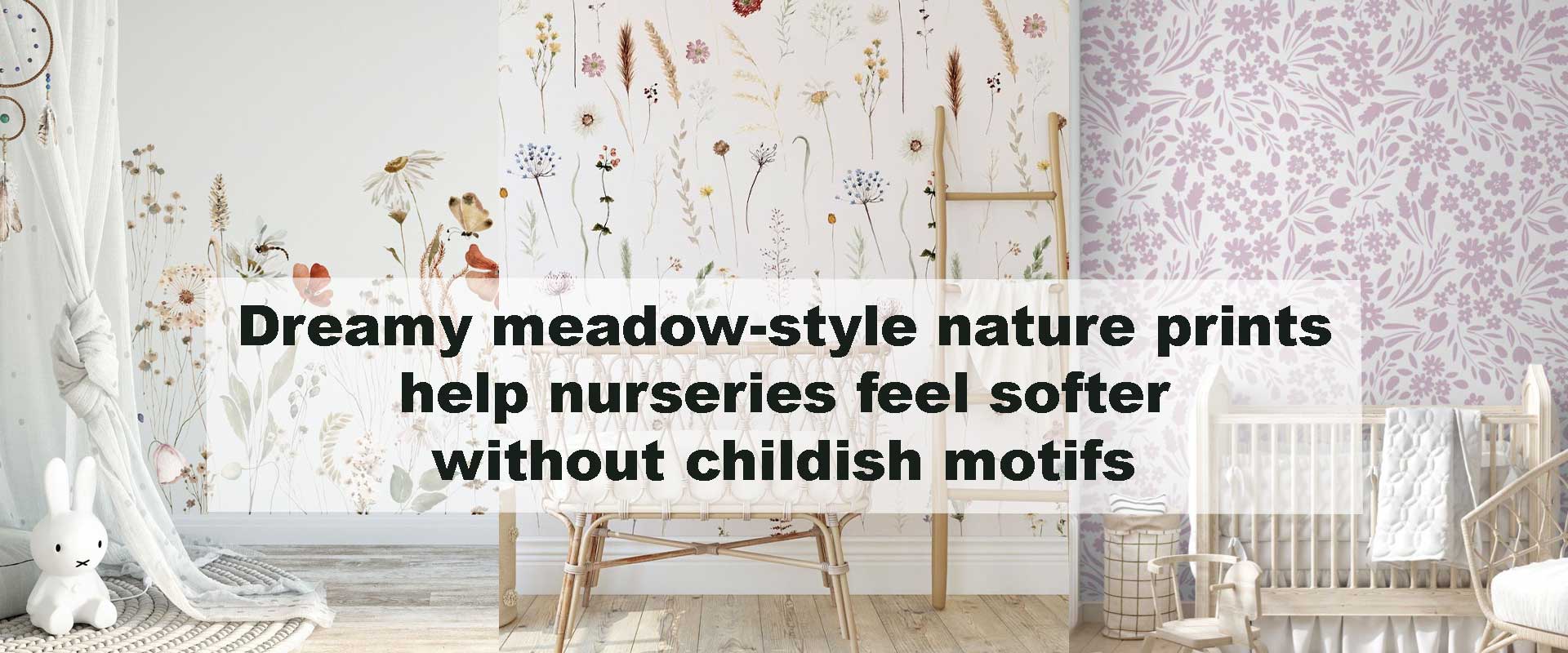
Dreamy meadow-style nature prints help nurseries feel softer without childish motifs
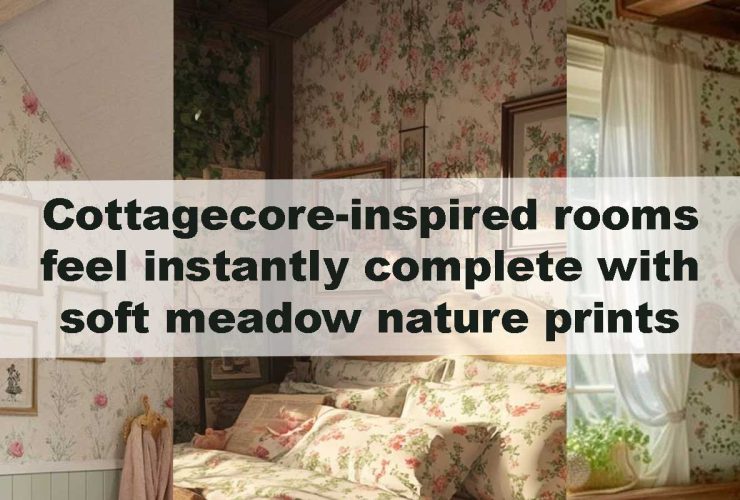
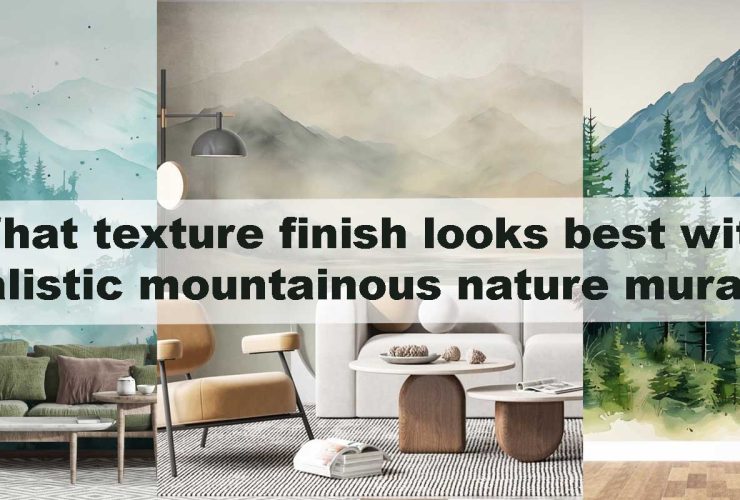
Soft, calm, and emotionally grounding—dreamy meadow-style nature prints are quietly reshaping how modern nurseries are designed. Instead of relying on cartoon animals or theme-heavy visuals, parents are choosing nature-led walls that feel gentle, timeless, and emotionally supportive. Meadow-inspired scenes introduce openness and calm, creating spaces that nurture rest, bonding, and quiet moments without visual noise.
In early childhood, visual environments matter deeply. Gentle meadow landscapes filled with grasses, drifting florals, and softened horizons provide comfort without overstimulation. When thoughtfully selected, meadow designs grow effortlessly with a child, supporting long-term use while maintaining a refined, soothing identity.
Why Meadow-Style Nature Prints Feel Naturally Gentle in Nurseries
Meadow imagery carries an innate softness that aligns beautifully with nursery environments. Open fields and flowing grasses feel breathable and light, helping rooms feel emotionally safe rather than enclosed. This sense of openness becomes especially valuable in nurseries where calm transitions and restful routines matter most.
From a design psychology standpoint, wide natural scenes reduce visual tension. Soft movement and blurred edges encourage the eye to rest, allowing the space to feel emotionally balanced throughout the day and night. Parents often notice how these environments support calmer routines in ways louder motifs cannot.
Moving Away From Childish Motifs Without Losing Warmth
Stepping away from overtly playful nursery themes does not mean creating a space that feels distant or impersonal. Meadow-style prints replace novelty with emotional depth, using tone, texture, and atmosphere to create warmth that feels instinctive rather than performative. Soft botanicals, drifting grasses, and distant fields offer comfort through familiarity, allowing the room to feel nurturing without relying on literal imagery.
This design choice naturally supports longevity. A nursery shaped around meadow-inspired Nature wallpaper evolves gracefully as a child grows, eliminating the pressure to redesign as preferences change. The space remains emotionally relevant, offering the same sense of calm and reassurance through infancy, toddlerhood, and beyond, all while maintaining a gentle, grounded foundation.
The Role of Color in Meadow-Inspired Nursery Walls
Color is one of the most influential elements in how meadow-style designs are experienced. Instead of vivid greens or high-contrast florals, successful nursery meadows lean into softened sage, warm cream, pale olive, and lightly muted floral notes. These hues mirror nature at its quietest moments, reflecting light softly and keeping the room bright without visual intensity.
This restrained palette supports emotional regulation by reducing overstimulation. When combined with natural wood furniture, woven textures, and soft textiles, meadow tones create warmth that feels organic rather than decorative. The result is a nursery that feels emotionally steady throughout the day, gently shifting with light while remaining consistently soothing.
How Meadow Prints Support Emotional Calm and Sleep
Restful environments depend on visual stability, especially during early childhood. Meadow-style nature prints offer low-contrast imagery that signals rest rather than activity, helping the nervous system settle as routines slow down. Flowing grasses, open skies, and gentle horizons encourage the eye to drift instead of focus sharply, supporting a sense of ease during evening hours.
Many parents find that bedtime routines feel smoother when the surrounding visuals remain soft and predictable. This calming effect echoes broader observations often noted when Bedrooms transform instantly when mountain-inspired nature wallpaper sets the mood, reinforcing how nature-led walls support emotional calm well beyond the nursery years. Meadow imagery becomes part of the child’s sense of safety, quietly reinforcing rest through familiarity and softness.
Meadow Imagery vs Traditional Nursery Patterns
| Design Aspect | Meadow-Style Nature Prints | Traditional Nursery Motifs |
|---|---|---|
| Visual Stimulation | Low and soothing | High and playful |
| Longevity | Grows with the child | Quickly outgrown |
| Emotional Tone | Calm and grounding | Energetic |
| Design Flexibility | Works with many styles | Theme-dependent |
| Sleep Support | Strong | Limited |
This comparison explains why meadow designs are increasingly preferred for nurseries focused on emotional balance rather than novelty.
Creating a Balanced Nursery With Meadow-Style Walls
Meadow-inspired walls feel most effective when the rest of the nursery is designed with thoughtful restraint. Natural materials such as pale woods, woven fibers, and soft textiles echo the organic language of open fields, allowing the wall to remain the emotional center of the room. Rather than competing patterns, subtle texture takes the lead, creating visual interest without disrupting calm.
This balance helps the space feel cohesive and emotionally grounded. Parents are often drawn to carefully considered options like Nature wallpaper for nursery, where scale, spacing, and composition are designed to feel open, soothing, and adaptable as children grow. The result is a nursery that feels complete yet unforced, offering comfort without visual excess.
Supporting Sensory Development Without Overstimulation
Early sensory development thrives in environments that invite engagement without demanding it. Meadow-style prints offer gentle stimulation through layered grasses, soft depth, and tonal variation instead of sharp contrast or busy detail. Babies can follow shapes and movement intuitively, allowing their gaze to settle rather than scatter.
This visual quiet supports longer moments of calm observation and emotional regulation. Unlike novelty-led designs that constantly seek attention, meadow imagery encourages children to interact with their surroundings at their own pace. The space feels nurturing and safe, fostering curiosity while preserving the softness essential to early developmental comfort.
Meadow Prints and Modern Nursery Design Direction
Nursery design is increasingly shaped by a desire for continuity rather than separation from the rest of the home. Instead of feeling like a temporary or isolated space, modern nurseries now reflect the same calm design language found in living areas and bedrooms. Meadow-style nature prints fit seamlessly into contemporary, Scandinavian, and Japandi interiors because they rely on atmosphere rather than theme.
Their gentle openness complements clean architectural lines and minimal furnishings, adding softness without disrupting visual order. Painterly interpretations found in Watercolor nature wallpaper strengthen this approach by translating meadow landscapes into fluid, art-led expressions. These designs feel warm and emotionally refined, allowing nurseries to feel thoughtfully composed rather than overtly decorative.
Choosing the Right Scale and Composition
Scale plays a subtle yet powerful role in how meadow-style prints affect nursery comfort. Designs feel most calming when elements remain airy and well-spaced, giving the eye room to move without interruption. Open compositions allow negative space to breathe, preventing the wall from feeling crowded or visually demanding.
Horizontal flow is especially effective, echoing the natural rhythm of open fields and distant horizons. This orientation gently widens the room, creating a relaxed visual balance that supports calm routines. Overly detailed foregrounds can pull attention too sharply, while the most soothing meadow prints suggest depth and movement without defining every detail, keeping the space emotionally light.
Why Meadow Prints Age Gracefully With Children
As children grow, their emotional and imaginative engagement with their surroundings naturally shifts. Meadow imagery adapts effortlessly to this evolution, beginning as a soothing backdrop in infancy and gradually becoming a landscape for quiet imagination. What once offered calm becomes a space for daydreaming, storytelling, and gentle curiosity.
This graceful adaptability reflects broader interior insights often noted when Nature wall mural scenes of lakeside sunrises slow the pace of busy primary bedrooms, showing how nature-led environments continue to support emotional balance beyond early childhood. Rather than being outgrown, meadow prints mature alongside the child, remaining relevant, comforting, and quietly inspiring through changing stages of life.
Integrating Meadow Walls With Furniture and Storage
Meadow-inspired walls set a gentle visual rhythm, and furniture choices should quietly support that softness rather than compete with it. Rounded crib edges, softly curved seating, and pale wood finishes echo the organic flow of grasses and open fields, allowing the room to feel emotionally unified rather than styled in parts. Fabric-based storage, woven textures, and matte finishes add warmth without introducing visual noise.
Practical elements blend best when they feel visually light. Floating shelves, low-profile storage, and neutral-toned cabinetry maintain function while allowing the meadow wall to remain the emotional anchor of the room. When contrast is kept subtle, the nursery feels calm, organized, and intuitively restful—supporting both daily routines and quiet moments of connection.
Meadow-Style Prints and Light Balance
Light plays a defining role in how meadow-style prints are experienced throughout the day. Natural daylight brings out soft tonal shifts in grasses and florals, allowing the wall to feel gently dynamic without ever becoming busy. As the light changes, the imagery remains soothing, reinforcing a sense of stability and comfort.
In spaces with limited daylight, warm ambient lighting preserves this softness. Gentle illumination prevents shadows from feeling harsh and allows meadow tones to glow rather than fade. Because these designs reflect light subtly, even smaller nurseries feel more open and breathable from morning through evening, supporting both alert daytime moments and calm nighttime routines.
Why Parents Are Choosing Meadow Prints Over Short-Term Trends
More parents are moving away from trend-driven nursery designs in favor of spaces that feel emotionally lasting. Meadow-style nature prints offer comfort through familiarity rather than novelty, creating environments that feel safe, grounding, and quietly nurturing. Their softness never feels staged, allowing the room to support real life rather than visual statements.
Contemporary adaptations such as Abstract nature wallpaper distill meadow elements into gentle forms and muted palettes, blending emotional calm with modern refinement. This balance allows nurseries to feel current without being time-bound, offering a sense of permanence that continues to feel right as children grow and routines evolve.
Conclusion: Softness That Grows With the Child
Dreamy meadow-style nature prints help nurseries feel softer without relying on childish motifs. Their open compositions, muted colors, and gentle movement support emotional calm, sleep routines, and long-term design relevance. By choosing meadow-inspired walls, parents create nurturing spaces that remain comforting well beyond the nursery years.
For families seeking timeless warmth and emotional balance, meadow-style nature prints offer a refined, lasting foundation that grows alongside childhood itself.
Frequently Asked Questions
Do meadow-style nature prints work in small nurseries?
Yes. Open compositions and soft horizons help small rooms feel wider and less enclosed, supporting a calm atmosphere even in compact spaces.
Will meadow prints feel too neutral for a baby’s room?
Not at all. Their warmth comes from color harmony and organic movement rather than bold themes, making them emotionally engaging without overstimulation.
Can meadow-style walls adapt as children grow?
Absolutely. These designs remain relevant through toddler years and beyond, avoiding the need for frequent redesign.
Are meadow prints suitable for low-light nurseries?
Yes. Soft, light-reflective tones help maintain brightness and emotional comfort even when natural light is limited.
Do meadow designs support better sleep routines?
They do. Low-contrast imagery and gentle visual flow help signal rest, supporting smoother transitions into sleep.