Educational Nursery Wallpaper Designs for Learning-Focused Parents
Parents who want their nursery to feel calm, inspiring, and developmentally supportive often turn to Educational Nursery Wallpaper as a gentle way to introduce early learning cues. Babies absorb information visually long before they speak, and well-chosen wall designs can quietly shape curiosity, recognition, emotional comfort, and environmental awareness. For learning-focused parents, wallpaper becomes more than decoration—it becomes a teaching tool that grows alongside a child’s understanding of the world, similar to how many Montessori environments approach visual learning, an idea beautifully reinforced in Montessori-Friendly Nursery Wallpaper to Support Learning.
Because nurseries are naturally cozy spaces, choosing walls that balance education and softness is essential. Parents often begin by browsing styles such as Nursery Wallpaper to see how different palettes, shapes, and elements contribute to a child’s developmental journey. When curated thoughtfully, these learning-driven designs do more than brighten the space—they help your child make sense of colors, animals, numbers, alphabets, and nature themes with a sense of calm and delight.
Why Educational Nursery Wallpaper Matters
Early Visual Learning Begins in the Nursery
During a baby’s earliest months, their world is shaped almost entirely through gentle visual cues. This is why thoughtful Educational Nursery Wallpaper can do more than decorate—it can support those first layers of recognition. Soft alphabets, simple numbers, animals, and pastel maps introduce foundational shapes without overwhelming newborn eyes. Predictable patterns create a sense of stability, helping babies feel safe as they begin making sense of their surroundings.
Parents often notice tiny shifts—longer gazes, repeated interest, early pointing—because babies naturally gravitate to visuals they recognize. When the nursery includes friendly animals or simple transport icons similar to those discussed in High-Contrast Baby Room Wallpapers That Support Visual Learning, children begin engaging with their environment in meaningful ways. These gentle introductions form the earliest steps toward vocabulary, emotional comfort, and visual memory.
A Calm Way to Introduce New Concepts
Educational wallpaper creates a quiet, nurturing form of learning—one that lets toddlers interpret their space slowly and joyfully. Whether the room features a forest filled with named creatures, watercolor alphabets, or softly illustrated counting shapes, each element becomes a steppingstone for natural curiosity. Children absorb the environment at their own pace, which aligns beautifully with developmental guidance that favors gentle exposure over structured teaching.
Parents often amplify this effect by choosing soothing animal themes through designs such as Animal Nursery Wallpaper or nature-inspired illustrations like Botanical Nursery Wallpaper. These visuals offer early sensory comfort, turning the nursery into both a safe retreat and a subtle learning landscape.
Key Benefits of Educational Nursery Wallpaper
1. Supports Cognitive Development
Educational wallpapers highlight the building blocks of early understanding—shapes, letters, creatures, and gentle sequences. Babies begin linking these visuals to spoken words through daily repetition, and over time, this simple pairing strengthens memory. Soft labels and friendly illustrations act as early anchors, helping children recognize categories long before they step into a classroom setting.
2. Encourages Independent Discovery
As toddlers begin exploring their environment, educational wallpaper becomes a quiet partner in their curiosity. Numbers, world maps, or nature-labeled scenes offer endless opportunities for self-directed observation. Children often revisit the same images repeatedly, forming their own stories and questions. This mirrors the developmental approach emphasized in Montessori-Friendly Nursery Wallpaper to Support Learning, where visual order and clarity stimulate independent thought without overstimulation.
3. Builds Environmental Awareness
When nursery walls display oceans, forests, seasons, or global landscapes, young children start developing an early relationship with the natural world. These scenes create tiny, memorable introductions to animals, habitats, and weather patterns. Many parents who value sustainability gravitate toward nature-themed educational murals because they nurture environmental curiosity gently. Patterns found in Woodland Nursery Wallpaper, for example, help children recognize creatures and landscapes they will later connect to real outdoor experiences.
4. Enhances Emotional Comfort
Emotional well-being is deeply tied to what a child sees every day. Soft colors, rounded characters, and simple educational elements help reduce visual noise—an essential factor for newborn sleep rhythms. Gentle murals encourage slower visual processing, which calms the mind and helps children settle during bedtime and naps. This balance of learning and serenity reflects early-childhood recommendations that encourage soothing environments for healthy emotional development.
Types of Educational Nursery Wallpaper for Modern Families
Alphabet & Letter-Themed Wallpapers
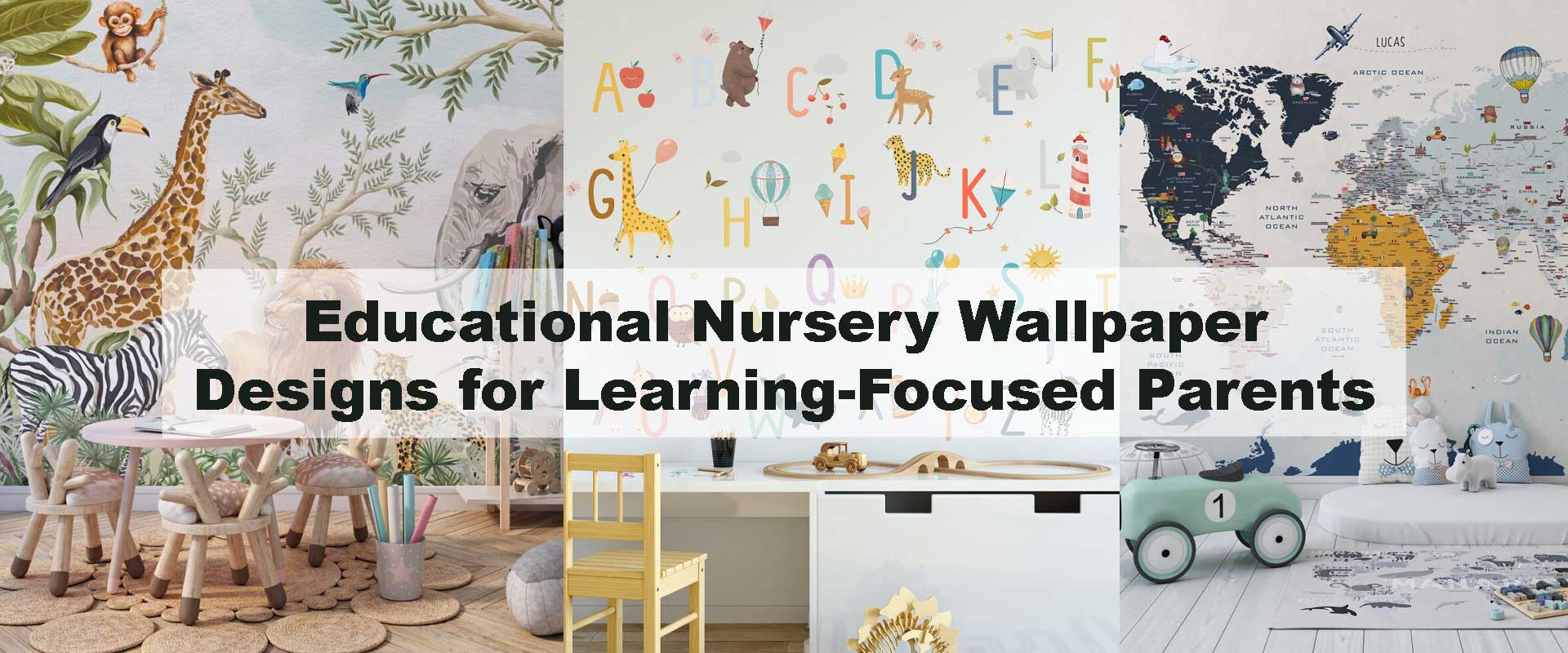
Alphabet designs gently introduce early phonics in a way that feels playful rather than instructional. Softly rendered letters in watercolor washes or whimsical scripts help toddlers recognize shapes before linking them to sounds, laying the foundation for early literacy. These wallpapers also become easy conversation starters during daily routines, turning morning diaper changes or bedtime cuddles into natural naming moments. Because the visuals feel gentle and artistic, they support learning without sacrificing the nursery’s calming mood.
Number & Counting Themes
Number-themed wallpapers bring early math concepts to life through simple, friendly illustrations. Designs featuring sequential animals, clusters of dots, or charming shape arrangements help toddlers understand quantity, order, and grouping. Instead of abstract symbols, numbers are integrated into scenes that feel approachable, making early counting an intuitive part of the environment. During playtime, parents can point to elements on the wall to encourage counting aloud, turning everyday moments into effortless learning prompts.
Animal Identification Wallpaper
Animal-themed educational wallpapers remain one of the most beloved choices because children naturally gravitate toward living creatures. Softly named illustrations—whether whales drifting across pastel seas or woodland friends nestled beneath gentle trees—help babies begin identifying animals with confidence. As toddlers grow, these visuals expand into early vocabulary, sound association, and imaginative storytelling. Parents who want a nature-rooted space often choose peaceful designs such as Woodland Nursery Wallpaper or subtly illustrated Animal Nursery Wallpaper to give little ones a steady, comforting connection to the natural world.
World Map & Geography Themes
World map wallpapers encourage children to understand the world around them in a soft and accessible way. With continents painted in pastels, gentle labels, and playful icons marking animals or landmarks, toddlers begin noticing differences in shapes and regions long before they learn formal geography. These murals introduce the idea that the world is large, diverse, and full of wonder. As children grow, they often return to these maps with new curiosity—asking questions about oceans, mountains, or cultures they notice for the first time.
Space & Science-Inspired Wallpapers
Space-themed educational wallpapers spark imagination by bringing the universe into the nursery with soothing charm. Planets, rockets, constellations, and dreamy galaxies create a sense of wonder that inspires children to look upward—literally and figuratively. Many families choose Space Nursery Wallpaper because its gentle visuals help babies settle at bedtime, offering a peaceful sense of vastness without overstimulation. As toddlers grow, these murals subtly encourage curiosity about science, exploration, and the night sky.
Montessori-Inspired Minimal Educational Prints
Minimalist educational wallpapers designed with Montessori principles in mind focus on clarity, calmness, and quiet stimulation. Soft shapes, neutral tones, and simple labeled objects allow babies to absorb information slowly, supporting independence and concentration. These designs avoid unnecessary clutter so that each element on the wall serves a clear purpose. By offering visuals that are easy to interpret, they help children develop confidence, order, and self-guided learning—core ideas echoed deeply in Montessori environments.
Educational Wallpaper Themes
| Wallpaper Type | Best For | Key Development Benefits |
|---|---|---|
| Alphabet Prints | Early readers | Letter recognition, vocabulary |
| Number Themes | Toddlers | Counting skills, sequencing |
| Animal Prints | Babies & toddlers | Environmental awareness, naming |
| Map Murals | Growing toddlers | Global awareness, curiosity |
| Space Themes | Preschoolers | Science exposure, imagination |
| Montessori Neutrals | Newborns | Calm focus, predictable patterns |
How to Choose the Right Educational Wallpaper
Balance Learning With Calmness
Educational wallpaper should feel nurturing before anything else, so choose designs that teach without overwhelming little eyes. Soft palettes, rounded illustrations, and clear spacing help babies process information slowly and comfortably. While high contrast aids newborn focus, it must still feel soothing enough for naps and bedtime routines. Think of the wallpaper as a quiet teacher—present, helpful, and never overstimulating.
Keep the Space Age-Adaptable
A well-chosen educational theme grows with your child instead of being outgrown in a year. Alphabet prints remain useful from infancy through early literacy, while number sequences support counting milestones later on. Themes like world maps, animals, or space continue to feel relevant as toddlers transition to preschool curiosity. Choosing adaptable motifs ensures the nursery feels intentional, not temporary.
Use One Feature Wall for Stronger Focus
Educational murals work beautifully when placed on a single, dedicated wall—often behind the crib, reading nook, or a floor-seating corner. This placement allows little ones to engage visually without turning the entire room into a learning board. A feature wall also becomes a natural storytelling zone, helping parents guide conversations while keeping the rest of the room soft, breathable, and restful.
Match Wallpaper With Toy & Book Choices
When the wallpaper theme connects gently with picture books, soft toys, or Montessori materials, the nursery becomes a unified learning landscape. Repetition across visuals helps babies form stronger associations, whether they’re naming animals, identifying shapes, or recognizing letters. This harmony across materials makes early learning feel effortless—woven into playtime, bedtime, and every quiet moment in between.
Popular Educational Styles for Different Parenting Approaches
For Montessori-Inspired Parents
Montessori-focused families often gravitate toward wallpapers with gentle neutrals, soft shapes, and clear labeling that mirror the principles of order and independence. These calm visuals encourage children to interpret the environment at their own pace, supporting quiet observation and self-guided learning. When paired with natural wood furniture and low, accessible shelving, these wallpapers feel like an extension of a purposeful, child-led space.
For Parents Who Love Colorful Learning
Families who enjoy lively rooms often prefer alphabet or counting wallpapers in cheerful palettes that spark curiosity instantly. Soft rainbow gradients, illustrated letters, or playful numerical characters add joyful energy without overwhelming the senses. These designs help keep learning moments spontaneous—perfect for toddlers who respond well to bright, friendly visuals during early recognition phases.
For Nature-Loving Families
Parents who want their children to form an early bond with nature often choose woodland, botanical, or ocean-inspired educational murals. These themes help toddlers identify animals, plants, and ecosystems with gentle familiarity. Over time, they naturally transition into early conversations about seasons, weather, habitats, and outdoor experiences, making the nursery feel connected to the world beyond the window.
For Science-Focused Parents
Space, planets, and gentle science illustrations are ideal for families who want to nurture big-picture thinking from an early age. Celestial wallpapers—stars, moons, tiny rockets, or soft constellations—spark wonder even in newborns. Many parents layer these themes with bedtime stories about space discovery or add small glow-in-the-dark accents to make the evening routine magical and mind-expanding.
How Educational Wallpaper Shapes Everyday Routines
Storytime Becomes Interactive
Storytime transforms into a shared learning ritual when children see familiar characters or objects on their walls. Parents can point to letters, animals, or scenes to create improvised questions and stories. This interaction strengthens vocabulary and confidence while nurturing the child’s natural desire to connect words with imagery.
Helps During Quiet Play
During solo play, educational wallpaper provides gentle visual cues that guide imagination. Toddlers often touch, name, or describe what they see, practicing verbal skills without needing prompts. Because the designs are calming, they help maintain focus and encourage longer periods of independent, mindful play.
Supports Bedtime Comfort
Softly illustrated learning wallpapers offer predictability—a powerful element in bedtime routines. Gentle alphabets, cozy animal scenes, or calm space themes create an environment that feels familiar and safe. By avoiding harsh contrast and busy visuals, these designs help children settle more easily, reinforcing the room as a place of comfort and rest.
Conclusion
Educational Nursery Wallpaper offers parents a beautiful way to introduce early learning without sacrificing warmth, comfort, or design. From alphabets to animals, maps to space, these visuals quietly support developmental milestones while creating a gentle atmosphere babies love. With soft palettes, age-adaptable themes, and nature-inspired illustrations, educational wallpapers transform a simple room into a nurturing environment filled with endless discovery. Parents seeking a balanced blend of style and early learning foundations will find that thoughtful wallpaper choices can shape curiosity from day one and continue inspiring a child through the early years.
Frequently Asked Questions (FAQ)
1. Is educational nursery wallpaper suitable for newborns?
Yes. As long as the design uses soft tones and gentle illustrations, educational wallpaper is perfectly suitable for newborns. Simple shapes, animals, and low-contrast alphabets help babies feel calm while supporting early visual awareness.
2. Will educational wallpaper overstimulate my baby?
No. Overstimulation typically occurs with busy, high-contrast, or overly detailed prints. Educational nursery wallpapers are usually designed with soothing palettes and predictable patterns, making them ideal for balanced visual engagement.
3. Which themes work best for early learning?
Alphabet murals, soft number sequences, labeled animals, world maps, and nature themes all work beautifully. These designs introduce recognition skills, vocabulary, and environmental understanding without overwhelming little ones.
4. Can educational wallpaper support toddlers as they grow?
Absolutely. Many educational wallpapers—especially maps, alphabets, and space themes—remain relevant throughout toddlerhood and early preschool years. They serve as long-term visual prompts for reading, naming, and curiosity-led learning.
5. How do I choose the right educational wallpaper for my nursery?
Pick designs with clear illustrations, soft tones, and age-adaptable learning elements. Choose a feature wall to maintain a calm environment and match the theme with toys or books to reinforce the same concepts naturally.
6. Does educational wallpaper help with bedtime routines?
Yes. Gentle educational imagery creates familiarity and comfort, helping babies settle more easily. Softly drawn animals, stars, or alphabets provide predictable visuals that support smoother nighttime transitions.