
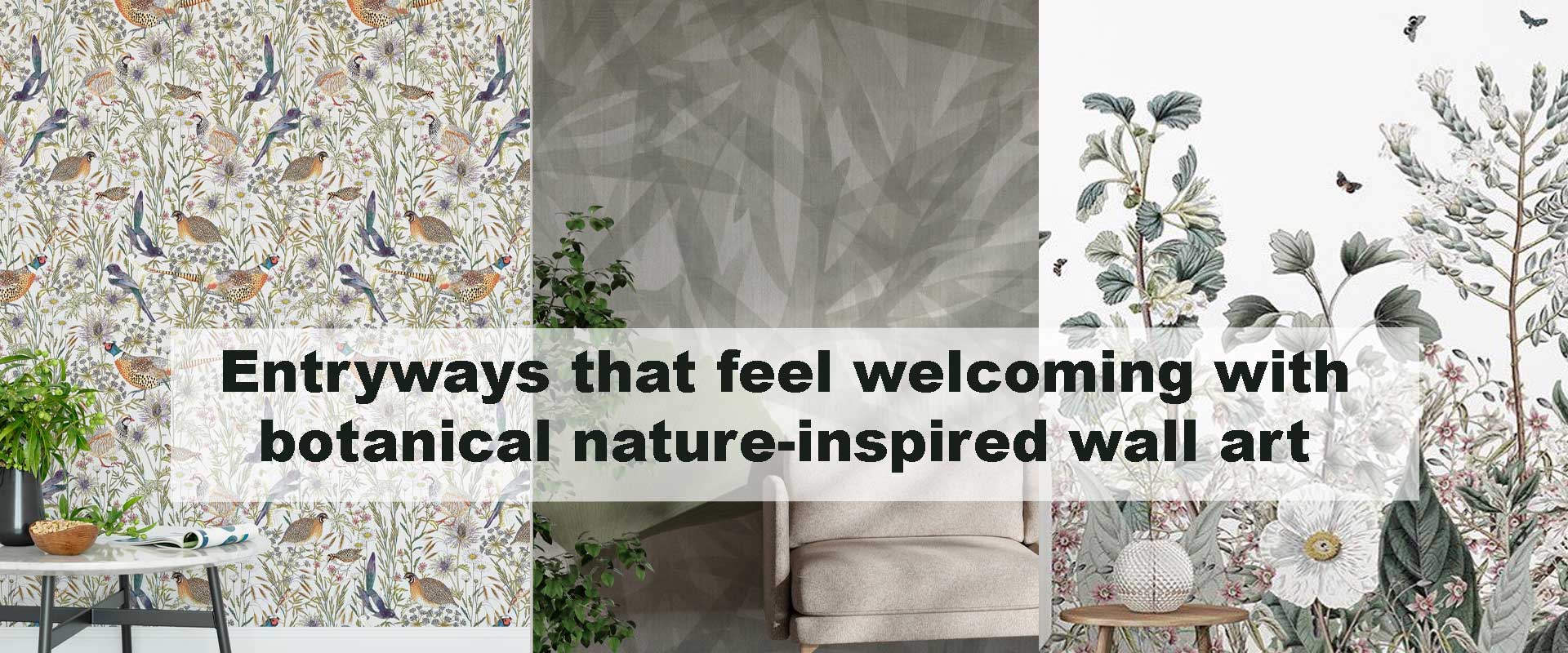
Entryways that feel welcoming with botanical nature-inspired wall art
Stepping through the front door sets the emotional tone for the entire home, which is why creating an entryway that feels warm, grounded, and naturally inviting matters more than most people realize. When the first few seconds determine whether a space feels rushed or relaxed, botanical nature-inspired wall art becomes one of the easiest ways to introduce calm energy. These designs connect guests to the outdoors, guide the eye upward, and instantly shape a mood that feels refreshingly authentic. Incorporating the primary theme of botanical nature-inspired wall art early in the layout helps the entryway feel intentional, uplifting, and visually balanced.
Botanical walls also give smaller foyers a sense of softness and depth without overwhelming the senses. Clean lines, organic curves, or layered leaves can help expand tight hallways while providing the gentle motion that many homes need right at the threshold. Whether you prefer soft watercolor botanicals, sculptural leaf forms, or immersive tropical accents, the right nature-inspired wall art makes the entryway feel like a visual welcome gesture—all without adding clutter to one of the busiest pathways in the home.
Why Botanical Nature-Inspired Wall Art Works So Well in Entryways
Botanical walls carry a quiet charm that aligns beautifully with the purpose of an entryway. This transitional space moves people from the outdoors into the heart of the home, making nature-inspired imagery a natural fit. The organic shapes bring comfort, while the controlled palettes add visual clarity. When paired with warm lighting or wooden accents, the effect becomes even richer, turning the entry into a small sanctuary rather than a pass-through.
Patterns with elongated silhouettes can also create height, giving narrow entryways more vertical presence. This is especially effective when using elegant flowing foliage or vertical leaf arrangements—an approach often found in Botanical Wallpaper, which easily creates the feeling of an inviting gallery wall. As guests step inside, they experience a calm shift in pace, something subtle but emotionally resonant.
A second advantage is the ability of botanical styles to guide the eye. Soft lines encourage forward movement toward the living room, while bold contours create a clear focal point where furniture may not fit. Because most entryways lack space for larger décor pieces, nature-inspired art becomes a functional alternative that brings personality without sacrificing flow.
The Best Botanical Styles for a Warm, Welcoming Entryway
Choosing the right botanical atmosphere offers a chance to set the tone for the rest of your home. Below are the most entryway-friendly styles and how they shape the mood.
Soft Watercolor Botanicals for Calm Transitions
Watercolor botanicals create a diffused, airy feeling that makes even compact foyers feel more open. Their blended edges feel approachable, allowing the space to remain bright and relaxed. Subtle green gradients, gentle florals, or washed neutrals bring softness without stealing attention from furniture or lighting. Designs like Watercolor Botanical Wallpaper support natural light beautifully, turning the first steps indoors into a soothing experience.
Tropical Botanicals for an Energetic, Uplifting Start
Entryways that thrive on personality can benefit from tropical leafwork. Broad leaves, layered palms, and deep shadows create a bold welcome without feeling overwhelming when used thoughtfully. Tropical themes pair well with rattan, light oak, or matte black accents, giving the front area a modern organic energy. Using a small zone of Tropical Botanical Wallpaper behind a console table adds immediate presence—a striking yet balanced entrance.
Vintage Botanical Themes for Charming First Impressions
When the goal is character and quiet nostalgia, vintage botanical illustrations provide the perfect mood. Their delicate linework and aged coloration feel timeless while remaining clean enough for modern homes. A single wall covered in Vintage Botanical Wallpaper creates a moment of visual storytelling that suits traditional, cottage-inspired, or eclectic entryways.
How Different Botanical Styles Influence Entryway Mood
| Botanical Style | Mood Created | Best Entryway Type | Visual Strength |
|---|---|---|---|
| Watercolor Botanicals | Soft, airy, calm | Small or narrow entryways | Gentle depth with diffused light |
| Tropical Botanicals | Energetic, vibrant | Contemporary or warm-toned foyers | Strong presence, bold shape |
| Vintage Illustrations | Nostalgic, charming | Traditional or cottage-style entryways | Fine detail, quiet personality |
| Dark Botanicals | Dramatic, intimate | Spacious entry halls | Sculptural contrast with warm lighting |
| Minimal Line Art | Clean, modern | Compact layouts or neutral homes | Light structure, elevated simplicity |
How Botanical Wall Art Shapes the Flow of a Home
The entryway often acts as a crossroads connecting several rooms. Botanical wall art can subtly direct movement while improving the natural rhythm of your home. Organic shapes help the eye travel smoothly, encouraging guests to walk forward rather than pause awkwardly. This gradual visual motion makes the home feel intentional from the moment you step inside.
Large leaves or soft gradients can also enhance the sense of daylight. Designs that mimic natural shadows add a gentle playfulness that pairs well with console mirrors or wall-mounted sconces. These harmonious relationships between art and structure create a balanced first impression that feels cohesive with interior styles that follow.
Some homeowners incorporate ideas similar to those in How oversized botanical leaves turn simple walls into maximalist statements to build scale in their entryway. Even subtle botanical features can introduce dimension without heavy décor, allowing the space to feel both striking and manageable.
Using Color to Build a Welcoming Entryway Mood
Color plays one of the most transformative roles in botanical wall art, especially in an entryway where first impressions shape the emotional identity of the entire home. Each palette brings its own type of welcome—some soft and restorative, others rich and expressive. Thoughtful color choices allow the entryway to feel like a natural pause between the outside world and your interior environment, using foliage-inspired imagery to invite a sense of calm, curiosity, or depth the moment the door opens.
Soft Greens for Natural Warmth
Soft greens carry an innate sense of renewal, making them one of the most universally comforting palettes for an entryway. Gentle fern tones, muted eucalyptus washes, or pale sage botanicals mimic the quiet freshness of a garden path. In tight foyers or narrow corridors, these hues introduce a breath of green without overwhelming the senses, helping the space feel light, open, and reassuring. Their natural softness works especially well when balanced with warm wood accents or linen textures.
Earth Neutrals for Subtle Sophistication
Earth-neutral botanicals offer a warm, grounded elegance that suits homes aiming for a calm, curated welcome. Beige leaf silhouettes, soft taupe shading, and champagne-toned florals create a refined visual field without competing with furniture, lighting, or flooring. These shades reflect light beautifully, enhancing the gentle glow of sconces or table lamps placed nearby. The atmosphere feels composed and timeless, making it a strong choice for entryways that serve as quiet connectors to larger living spaces.
Deep Tones for Moody Elegance
Deep botanical tones introduce a moment of drama that feels intentional and sophisticated. Charcoal leaves, forest greens, and inky layered botanicals build a cocooning mood that works especially well in wider foyers or entry halls with tall ceilings. When paired with warm diffused lighting, these tones generate sculptural shadows that add depth and character, echoing the same richness described in Why dark botanical floral walls feel luxe in moody interior styling. The result is an entryway that feels luxurious yet grounded—bold without ever becoming heavy.
Where to Place Botanical Wall Art in an Entryway
Placement determines how botanical art interacts with movement, light, and architecture within the entryway. Selecting the right location ensures the design feels seamlessly integrated into the space, guiding guests with clarity and intention while supporting practical flow. Each placement option offers its own emotional impact, from bold focal points to delicate transitional cues.
Behind the Console Table
Placing botanical wall art behind the entry console creates an immediate focal point that sets the tone for the home. This approach frames the table, mirror, or curated objects placed on top, allowing the foliage to function like a natural backdrop. The effect feels elevated yet effortless, especially when the design incorporates soft gradients or gentle leaf arrangements that echo the textures of baskets, vases, or wooden décor.
On the Narrow Side Walls
Long, hallway-style entryways often feel too linear or empty. Adding botanical designs to one or both side walls softens that corridor effect, giving the space a more curated, lived-in rhythm. Light, upward-moving foliage visually widens the corridor, while darker, sculptural botanicals add structure without interrupting movement. This placement subtly transforms a simple pass-through into an intentional transition zone.
As a Large Vertical Panel
Vertical botanical panels bring height and elegance to compact foyers. A single elongated leaf composition, watercolor cascade, or slim nature-inspired mural draws the eye upward, helping the space feel taller and more defined. This approach works beautifully when wall space is limited, adding presence without requiring a full feature wall. Vertical panels also pair well with minimal entry furniture, preserving balance.
Surrounding the Door Frame
For a delicate artistic touch, botanical motifs surrounding the door frame create a soft visual threshold. These designs act like a natural archway, guiding guests from the exterior into the home with a gentle, nature-inspired gesture. Subtle vines, airy foliage, or watercolor shadows around the frame add personality without overwhelming the entryway. It’s an ideal choice for those who prefer a light, poetic interpretation of botanical styling.
Minimalist vs. Layered Botanical Looks: Which Works Best?
A minimalist botanical approach works beautifully in homes that rely on clean lines and soft neutrals. When the entryway feels tight or narrow, delicate leaf outlines and gentle stems introduce structure without adding weight. These quiet designs help the eye glide smoothly from the doorway toward the rest of the home, keeping the space open and airy. Patterns similar to those used in Minimal Line Art Botanical Wallpaper provide subtle character, allowing natural textures, mirrors, or warm lighting to take the lead.
A layered botanical look, however, offers a more expressive welcome. This approach suits entryways meant to make an impression the moment someone steps inside. Sculptural palms, watercolor depth, or large-leaf formations work especially well when the foyer flows directly into open living areas, letting the visual energy continue without interruption. In these layouts, the botanicals feel like an extension of the home’s personality rather than a decorative moment placed near the door. Layering also adds motion to wide entry halls, helping large surfaces feel curated rather than empty.
Choosing between the two comes down to how you want the entryway to behave: calm and understated, or bold and communicative. Both options bring warmth, but each guides the emotional tone differently.
Practical Tips for Styling an Entryway With Botanical Art
Pair With Warm, Diffused Lighting
Warm, diffused lighting enhances the softness of botanical curves, turning the entryway into a space that feels considered rather than purely functional. Sconces that cast downward glows, concealed LED strips along a console, or frosted glass pendants help highlight the natural contours of the artwork. This type of lighting prevents shadows from becoming harsh, allowing the foliage to maintain its gentle dimension.
Keep Furniture Simple
Entryways benefit from simplicity, especially when botanical walls introduce visual movement. Clean-lined tables, natural wood tones, or a single woven basket help maintain balance while letting the wall art remain the primary feature. Too many forms or surfaces can interrupt the flow created by organic shapes, so keeping furniture streamlined helps the space feel restful and welcoming.
Add Organic Accessories
Accessories made from natural materials reinforce the botanical theme without overwhelming it. A textured runner in soft neutrals, a clay planter with a single leafy stem, or a set of matte black hooks can quietly ground the entryway. These elements echo the mood of the wall art, creating a cohesive transition from the outdoors into the home’s interior character.
Maintain Clear Pathways
Because the entryway is constantly used, the layout should support movement above all else. Botanical art carries enough personality on its own, so keeping the floor area clean strengthens the sense of openness. A clear pathway also ensures the artwork remains visible and appreciated from the moment the door opens, making the welcome feel intentional and composed.
Conclusion
Botanical nature-inspired wall art brings warmth, character, and a subtle sense of calm to entryways, transforming the first steps into a home into something reassuring and grounded. Whether you prefer watercolor softness, vintage charm, tropical vibrancy, or minimalist contours, each style adds its own layer of welcome. By using the space thoughtfully and aligning patterns with lighting and furnishings, any entryway can reflect the atmosphere you want guests to feel instantly. Botanical wall art remains one of the most elegant ways to shape a first impression that lasts.
FAQs: Botanical Entryway Design
1. Do botanical designs suit small entryways?
Yes. Soft botanicals and vertical leaf structures expand the look of compact areas by creating gentle motion and upward flow.
2. Which botanical palette feels most welcoming?
Warm greens, soft taupes, or blended neutrals offer the most universally approachable entryway atmosphere.
3. Can bold tropical leaves work in a narrow foyer?
They can, especially when balanced with simple furniture and warm lighting. One feature wall often feels energetic without becoming heavy.
4. Are dark botanicals too dramatic for a front door area?
When paired with soft lighting, dark botanicals create an inviting, luxurious feel. They add depth and richness that suits both modern and classic homes.
5. What accessories pair well with botanical wall art in an entryway?
Natural wood, woven textures, clay accessories, and subtle metal accents maintain the organic balance and elevate the welcoming mood.