How Can Tropical Wallpaper Make Small Rooms Feel Larger?
Small rooms often struggle with the feeling of confinement, especially when natural light is limited or when the layout creates visual blockages. Tropical wallpaper offers an impressive solution because it blends airy foliage, layered textures, and nature-inspired depth to open up the visual field. When applied skillfully, tropical wallpaper makes small rooms feel larger, brighter, and more inviting, creating an atmosphere that paint or minimal décor simply cannot achieve. Whether you prefer soft botanical watercolor styles or lush rainforest motifs, the right tropical pattern can reshape your perception of space.
Designers frequently recommend tropical wallpaper for compact living rooms, bedrooms, or hallway walls because of how effectively it expands surfaces. This guide dives deep into the science, style principles, and practical techniques that make tropical wallpaper a powerful tool for transforming tight spaces into refreshing, spacious environments.
Why Tropical Wallpaper Helps Small Rooms Feel Larger
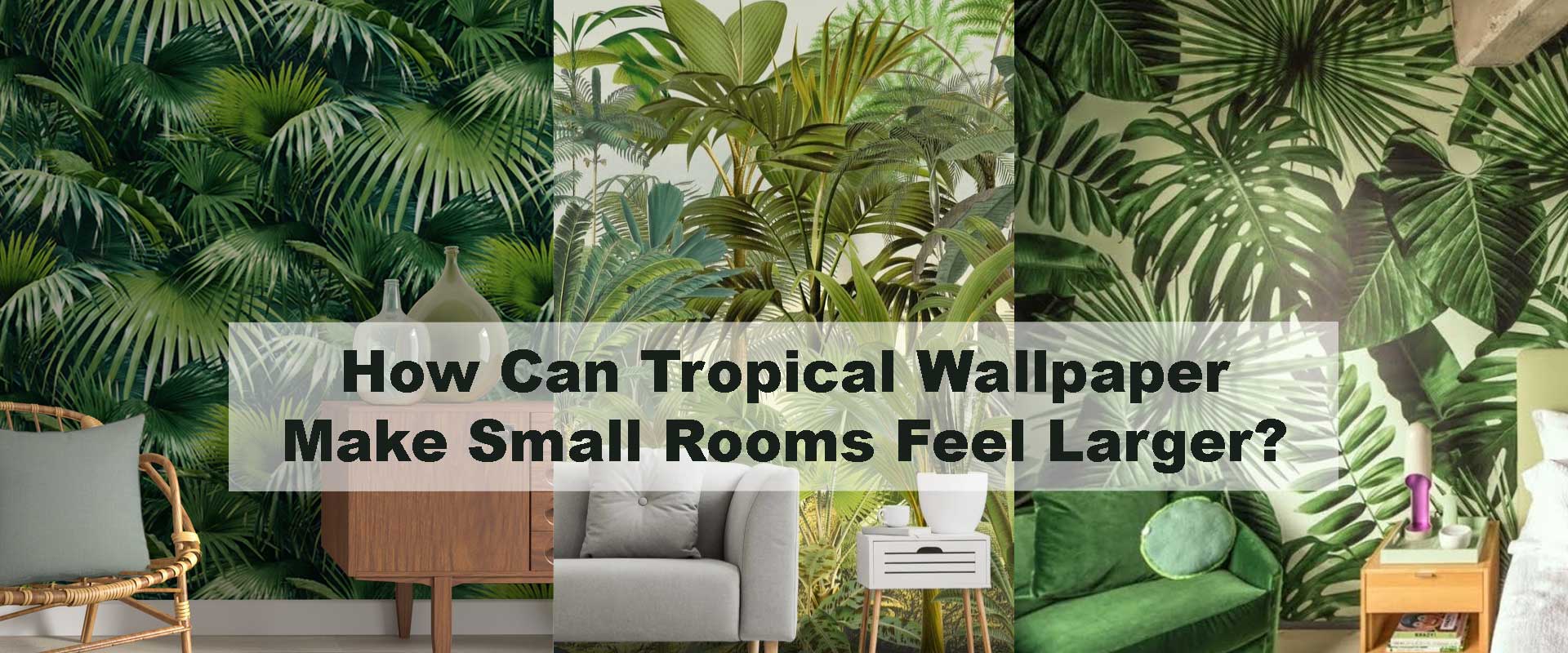
Tropical wallpaper visually enlarges small rooms by using layered botanicals, soft gradients, and open, nature-inspired compositions that guide the eye outward. Unlike heavy geometric prints or dark solids, tropical patterns breathe life into walls and create gentle movement. Many homeowners begin their search through broader styles, especially within the Jungle Tropical Wallpapers collection, where designs naturally soften edges and expand the room’s appearance.
The Visual Science Behind Spacious Interiors
Psychology plays a major role in the perception of space. When the eye sees natural textures and layered foliage, it instinctively interprets depth and openness. Tropical wallpaper takes advantage of this effect by introducing organic shapes, soft shadows, and natural color transitions that visually stretch the room. This approach works well in smaller interiors where flat surfaces can feel limiting or static.
Depth-Enhancing Patterns That Expand Walls
Tropical wallpaper is especially effective at enhancing depth in compact rooms. The interplay of light, layered leaves, and shadowing can create a subtle illusion of three-dimensional space. Patterns resembling forest canopies or dense botanical clusters create the sensation of looking into a natural scene rather than at a flat wall. If you prefer depth-rich styles, browsing the Forest Tropical Wallpapers is a great place to begin.
Layered Leaves Add Natural Dimension
Layered leaf formations replicate the experience of looking through multiple levels of foliage, which naturally draws the eye deeper into the design. This visual layering creates the impression that the wall stretches further than its physical limits. In small rooms, such layered structures help soften sharp corners and reduce the sense of enclosure by opening a visual pathway into a lush, seemingly endless landscape.
Soft Shadows Increase Perceived Depth
When botanical patterns incorporate gentle shading or diffused light, they introduce soft shadow effects that mimic natural outdoor lighting. These shadows visually separate each leaf or frond, encouraging the eyes to travel across several planes instead of stopping abruptly at the wall. By distributing these shadows throughout the pattern, the room gains a sense of calm expansiveness, making even the narrowest space appear more layered and open.
Tonal Variations Create Gradual Expansion
Tropical wallpapers that use smooth tonal transitions help blend the boundaries between foreground and background elements. These gradients guide the eye gently upward, sideways, or into the pattern without sudden visual interruptions. As a result, small rooms feel less boxed in because the walls appear softer, deeper, and more continuous. This approach works particularly well when the wallpaper incorporates light greens, soft blues, or muted tropical neutrals.
Light and Color Choices That Broaden Space
Color plays a crucial role in creating the illusion of spaciousness. Tropical wallpapers featuring brighter tones, soft greens, airy blues, and watercolor washes brighten up tight interiors and bring a sense of movement. Lighter palettes reflect both natural and artificial light, allowing the room to feel more open.
Designs from the Tropical Watercolor Collection are especially beneficial for small rooms because their diffused backgrounds and gentle color transitions blend seamlessly without weighing down the space.
Light Greens for Freshness
Light green tones evoke the feeling of fresh morning sunlight filtering through leaves. These colors brighten small rooms and reduce visual heaviness, giving even compact corners a vivid sense of natural freshness. The airy effect works well in spaces lacking windows or areas where you want to mimic a breezy, outdoor atmosphere.
Cool Blues for Visual Calm
Soft blues bring clarity and relaxation to smaller interiors by creating a cool, open backdrop. When paired with tropical motifs, blues extend the perceived distance between the viewer and the wall. They help small rooms feel balanced and soothing, especially when the goal is to create a calm reading nook or a gentle bedroom retreat.
White or Beige Backgrounds for Airiness
Neutral backgrounds such as white, cream, or sandy beige help tropical motifs stand out without overwhelming the room. These tones visually recede, allowing the botanical elements to create subtle movement. The combination helps create a breathable, open environment where the wallpaper complements rather than competes with the room’s layout.
Using Scale and Pattern to Expand Your Room
Pattern scale is one of the most powerful factors in manipulating how spacious a room feels. Tropical wallpapers with medium or delicately detailed motifs create a steady flow of movement that expands the perception of surface area.
Medium-Scale Foliage Balances Space
Medium-scale patterns strike the ideal balance between visual richness and spacious clarity. Leaves or fronds that are not too large or too small create a comfortable rhythm that expands the room without overwhelming it. This scale ensures the design feels engaging yet open, making the space appear both artistic and airy.
Gradient-Based Tropicals Add Vertical Height
Gradients that shift from darker to lighter tones help direct the gaze upward. This creates a sense of stretched vertical height, lowering the perceived heaviness of the ceiling. Such gradients work beautifully in low-ceilinged rooms, where subtle fading effects lend the illusion of increased height.
Directional Prints Guide the Eye
Directional botanical patterns—such as angled fronds or upward-moving vines—give the eyes a path to follow. When prints move diagonally or vertically, they guide attention around the room more smoothly. This visual journey reduces clutter, creating a sensation of openness and elongation across walls.
The Role of Contrast in Spatial Illusion
Contrast is a subtle but essential tool in spatial design. The right contrast helps define shapes while preventing walls from appearing visually compressed. Tropical wallpaper excels at using soft or moderate contrast to form depth without creating visual barriers.
High Contrast for Focus
High-contrast tropical patterns, such as dark foliage on a pale background, direct attention and add clarity to a small room. When used strategically, this contrast draws the gaze toward specific walls, creating a focal point that anchors the space without overwhelming it.
Low Contrast for Subtle Expansion
Low-contrast designs allow colors and shapes to blend smoothly, creating gentle transitions that make walls look wider and lighter. This is ideal for very compact rooms where you want to avoid visual clutter and maintain soft openness.
Balanced Contrast for Natural Harmony
Balanced contrast enhances the natural flow of botanical elements without creating sharp visual interruptions. When patterns use mid-tones and harmonious blends, they encourage a soothing rhythm that expands the perception of space and adds quiet sophistication.
Placement Strategies for Small Rooms
Proper wallpaper placement can make a dramatic difference in how large a room feels. Strategic placement ensures that the design enhances rather than confines the space.
Feature Walls Expand Depth
A single feature wall with tropical wallpaper can immediately expand the perceived depth of a room. It creates a “view” that draws attention forward, giving small areas an anchor that feels inviting instead of restrictive. Feature walls are especially effective behind beds, sofas, or dining tables.
Opposite-Wall Application Doubles Space
When tropical wallpaper is applied to opposite walls, it creates a mirrored sense of continuity. The visual repetition helps widen narrow spaces such as hallways or compact living rooms. This technique works best with delicate, airy botanical patterns.
Corner Applications Add Soft Expansion
Wrapping wallpaper around a corner softens the room’s architectural transitions. Instead of creating hard separations, the botanical patterns flow gently, making the room feel more united and consequently larger. This effect works beautifully in reading corners or small study nooks.
Creating Continuity With Furniture and Décor
Furniture and décor play an important role in emphasizing the spaciousness created by tropical wallpaper. Choosing the right textures, finishes, and layouts ensures that the wallpaper becomes part of a balanced, visually spacious environment.
For inspiration on pairing décor with tropical themes, you may enjoy the article “Tropical Leaf Patterns That Refresh Clean, Neutral Spaces”, which offers styling guidance based on botanical elements.
Use Minimalist Furniture
Minimalist furniture with streamlined shapes reduces the amount of visual obstruction in a small room. Clean silhouettes support the wallpaper’s openness and prevent the space from feeling overwhelmed by too many objects.
Light Textures Enhance Airiness
Textiles such as linen, cotton, jute, or rattan complement tropical themes and create a naturally light atmosphere. These materials allow the room to feel breathable while harmonizing with the softness of the botanical wallpaper.
Simple Artwork Complements Patterned Walls
When the wallpaper already contains detailed patterns, it is best to keep artwork simple. Minimalist frames or monochrome sketches reinforce the wallpaper’s depth without adding unnecessary complexity, maintaining a clean, open aesthetic.
The Importance of Natural Lighting
Lighting transforms how tropical wallpaper interacts with your space. Natural or warm artificial light enhances foliage textures, tonal variation, and depth, improving the illusion of openness.
Use Sheer Curtains
Sheer curtains allow maximum natural light to enter the room while creating a soft visual transition between the outdoors and the wallpaper. This promotes brightness and allows botanical patterns to glow naturally.
Mirror Placement Doubles Space
Mirrors magnify both light and the wallpaper’s depth-enhancing qualities. Positioned opposite a wallpapered wall, they reflect the tropical scene, creating the perception of doubled space and extending the room visually.
Warm Lights for Cozy Freshness
Warm lighting adds a gentle glow to tropical wallpaper, highlighting leaf contours and soft gradients. This enhances the openness of the room while creating a cozy, relaxing environment.
Tropical Murals for Maximum Expansion
Murals are incredibly effective in expanding small spaces because they introduce panoramic compositions that simulate windows into lush landscapes. They naturally widen and elongate walls, adding drama and depth.
You can explore more mural styling ideas in “Jungle Leaf Murals That Add Depth to Modern Interior Corners” , which discusses how murals can transform interior corners and create dimensional movement.
Panoramic Views Expand Distance
Murals with panoramic scenes—such as tropical coastlines, dense jungles, or layered canopies—create a sense of vastness. They visually push the walls outward by extending your sightline into an imaginary landscape.
Organic Flow Makes Corners Feel Soft
Murals with natural motion—flowing leaves, rising vines, or drifting botanicals—smooth out architectural edges. This soft flow reduces the harshness of corners, making tight spaces feel rounder and more comfortable.
Vertical Murals Make Ceilings Look Higher
Murals with strong vertical compositions draw attention upward. This effect elongates the wall and adds height to rooms where ceilings may feel low or oppressive.
Texture & Foliage Designs for Micro-Spaces
Texture and foliage-based tropical wallpapers are perfect for micro-spaces such as small entries, compact offices, or narrow utility areas. Their subtle surface complexity enhances depth without creating clutter.
The Texture & Foliage collection offers designs with delicately layered patterns that suit even tiny spaces.
Raised Textures Add Soft Complexity
Textural designs introduce a subtle tactile appearance that catches light at different angles. This complexity gives the illusion of layered depth, especially helpful in tight corners lacking architectural variation.
Light Foliage Creates Movement
Light, delicate foliage produces a sense of gentle visual movement. This movement makes the wall feel dynamic rather than static, expanding the visual field with soft rhythm.
Soft Lines Keep Rooms Bright
Designs with fluid, soft lines allow colors to blend naturally, preventing any section from appearing too dense. This keeps micro-spaces feeling bright, open, and delicately detailed.
Fresh Green Themes for Airy Small Rooms
Fresh green tropical designs are especially helpful in brightening up small rooms that may otherwise feel enclosed or dim. These wallpapers evoke energy, nature, and freshness.
The Fresh Green collection features designs that balance vibrant energy with soft visual openness.
Gentle Greens Add Brightness
Gentle greens reflect natural light exceptionally well, making any small room feel more lively and illuminated. Their refreshing tones visually expand walls and add an uplifting outdoor effect.
Pastel Green Leaves Reduce Density
Pastel greens soften dense patterns, ensuring the room doesn’t feel overloaded with detail. Their subtlety introduces a spacious calmness to the environment.
Combined Greens Enhance Movement
When tropical wallpapers mix multiple shades of green, they create variations that mimic real foliage. This layered movement adds dimension and makes compact spaces feel visually engaging but not overpowering.
Choosing the Right Tropical Style for Your Space
Different rooms benefit from different types of tropical wallpaper depending on their size, shape, and lighting. Understanding how each style affects spatial perception helps you make the right choice.
Minimal Tropicals for Ultra-Tight Rooms
Minimal tropical patterns offer subtle hints of greenery without overwhelming the room. These delicate prints add softness and openness ideal for extremely compact spaces such as powder rooms or small bedrooms.
Botanical Panels for Structured Spaces
Botanical panels break up wall surfaces into elegant sections that maintain order and balance. This structure helps avoid visual clutter while still creating an airy, refreshing feel.
Dark Tropicals for Cozy Depth
Dark tropical designs add richness and dimension when paired with good lighting. They make small rooms feel intimate but not tight by using depth-focused shadows. This style works well in spaces where you want moodiness without losing openness.
FAQs About Tropical Wallpaper for Small Rooms
1. Does tropical wallpaper make a small room feel bigger?
Yes. Tropical wallpaper expands visual depth through layered foliage, soft shadows, and natural gradients. These elements make walls feel farther away, helping small rooms appear larger and more open. Light botanical palettes also brighten compact spaces, reducing the sense of enclosure.
2. Which tropical wallpaper style is best for tiny spaces?
Subtle tropical wallpapers with medium-scale leaves or watercolor botanicals work best. These styles add movement without overwhelming the eye. Designs from soft green or pastel collections also reflect more light, making ultra-small rooms feel more breathable and airy.
3. Will bold or dark tropical prints make my room look smaller?
Not necessarily. Bold or deeper tropical patterns add rich depth when paired with balanced lighting. As long as the wallpaper includes layered shadows or soft gradients, it can actually create a cocooning spaciousness rather than making the room feel cramped.
4. Can I use tropical wallpaper on every wall in a small room?
Yes, if the pattern is light, airy, and not overly dense. Full-room applications work well when the design uses gentle tonal variations and moderate contrast. Continuous botanical flow prevents visual breakup and makes the room feel unified and larger.
5. How do I choose the right color for better space perception?
Choose colors that mimic nature—soft greens, pale blues, sand tones, or white-based tropical designs. These shades naturally brighten interiors and create smooth transitions that visually expand small rooms. Watercolor tropicals are especially effective for this purpose.
6. Should I add mirrors with tropical wallpaper?
Absolutely. Mirrors reflect both light and the wallpaper’s depth-enhancing design, doubling the spacious effect. Placing mirrors opposite a tropical feature wall helps create strong visual expansion and multiplies the sense of openness.
7. Which wall should I wallpaper to make my room look bigger?
A feature wall behind a bed, sofa, or focal furniture piece works best. Positioning tropical wallpaper on a main wall draws attention forward, creating a feeling of depth. In narrow rooms, wallpapering opposite walls can widen the space visually.
8. Do tropical murals work better than regular patterns for small rooms?
Often, yes. Murals with panoramic jungles, tropical forests, or watercolor foliage create large-format illusions that widen and elongate the room. The immersive scene acts like a visual “window,” opening up compact interiors dramatically.
9. Can tropical wallpaper help brighten dark, cramped rooms?
Definitely. Light leafy designs and watercolor botanicals brighten small areas by reflecting more light. When paired with warm lighting or soft curtains, tropical wallpaper diffuses brightness across walls, making dark rooms feel larger and more inviting.
10. How do I avoid overwhelming my small room with patterns?
Choose designs with soft gradients, light backgrounds, and gentle foliage spacing. Avoid overly dense or high-contrast patterns if the room is extremely tight. Keep décor minimal so the wallpaper can breathe and expand the space naturally.
Conclusion
Tropical wallpaper is a powerful design choice for making small rooms feel larger, brighter, and more inviting. Its natural layering, soft gradients, and depth-enhancing foliage open up the room visually without requiring structural changes. From subtle watercolors to lush tropical murals, every design introduces movement and spaciousness that refreshes compact interiors. To achieve the best effect, explore your preferred tropical style and choose one that complements your room’s lighting, layout, and personality. A well-chosen tropical wallpaper can transform any small space into a vibrant, airy retreat filled with natural beauty and welcoming depth.