How to Choose Hypoallergenic Wallpaper for Baby Rooms
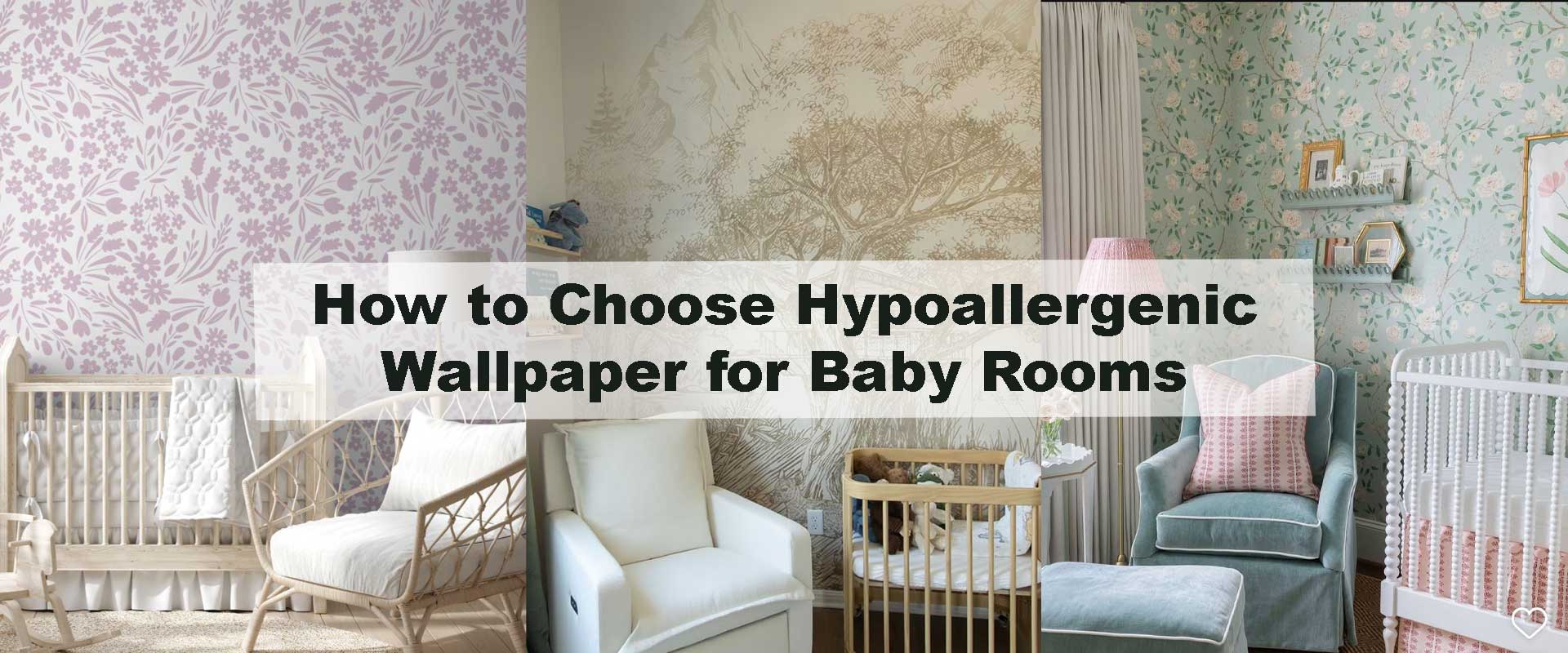
Creating a baby room that feels peaceful, nurturing, and safe starts with the surfaces that surround your child every day. How to choose hypoallergenic wallpaper for baby rooms is a question many parents ask when they want beauty without compromising comfort. Wallpaper plays a major role in air quality, visual calm, and long-term wellbeing, especially during the earliest years. With thoughtful material choices, gentle finishes, and carefully selected designs, walls can support a healthier nursery atmosphere while still feeling warm and expressive.
Designing with intention means looking beyond pattern alone. From inks and finishes to texture and breathability, every detail contributes to how a nursery feels over time.
What Makes Wallpaper Hypoallergenic in Baby Rooms
Hypoallergenic wallpaper is defined less by marketing terms and more by how it performs in everyday nursery conditions. In baby rooms, walls sit close to cribs, play areas, and changing spaces, making surface behavior especially important. Wallpaper that limits airborne irritants, reduces chemical release, and discourages dust buildup helps maintain an interior that feels calmer, cleaner, and more comfortable for sensitive early development.
Designs created with low-emission inks, breathable base layers, and smooth finishes contribute to this balance. These features work quietly in the background, supporting better air comfort without drawing attention to themselves. Many parents naturally gravitate toward the Nursery Wallpaper collection for this reason, as these designs pair gentle visual language with thoughtful construction suited to early-life environments. Rather than relying solely on labels or claims, observing how wallpaper settles, smells, and feels after installation offers the clearest indication of its nursery suitability.
Material Choices That Support Gentle Interiors
Material selection plays a foundational role in how nursery wallpaper interacts with the room over time. Some wallpaper bases encourage airflow and visual lightness, while others can feel dense or sealed, subtly affecting comfort. For baby rooms, materials that allow walls to breathe tend to create a more relaxed and balanced atmosphere.
Non-woven wallpapers are widely favored because they combine structure with breathability, helping walls feel fresh rather than enclosed. Paper-based options offer another gentle route, bringing minimal synthetic content and a naturally soft surface quality that suits quiet spaces. Natural fiber textures can also be appealing when used thoughtfully, as long as they are properly sealed to prevent dust retention. Parents drawn to organic themes often find that Woodland Nursery Wallpaper captures this harmony well, blending calming imagery with materials that support visual and physical ease.
Low-Emission Inks and Finishes Matter
The inks and finishes applied to wallpaper influence how a nursery feels long after the walls are complete. Low-emission, water-based inks help limit lingering scents and contribute to a room that feels breathable rather than chemically present. Finishes also play a subtle role—matte and softly washed surfaces diffuse light gently and tend to show less dust than high-gloss alternatives.
In baby rooms, muted tones and gradual color shifts do more than please the eye. They reduce visual overstimulation and support a restful atmosphere throughout the day and night. Smooth finishes further simplify upkeep, allowing dust to be removed easily without aggressive cleaning. This approach is especially effective in styles like Neutral Nursery Wallpaper, where understated hues and minimal contrast create a backdrop that feels soothing in infancy and remains relevant as children grow.
Breathability and Moisture Balance in Nurseries
Healthy nursery walls rely on a sense of equilibrium rather than heavy surface coverage. Breathable wallpaper allows underlying walls to naturally release moisture, helping prevent damp conditions that can lead to stale-feeling air. This quality becomes especially valuable in homes where temperature shifts or seasonal humidity changes are part of everyday living, as it supports a fresher, more comfortable nursery atmosphere over time.
Wallpapers designed with airflow in mind tend to feel visually lighter and less enclosing, which subtly improves how the room is experienced throughout the day. Careful wall preparation strengthens this effect by ensuring the surface beneath is clean, dry, and stable before application. Families thinking ahead often take cues from How to Switch Nursery Wallpaper as Kids Grow Without Redecorating Entire Rooms, where adaptable wall decisions support both wellbeing and long-term flexibility.
Texture, Pattern, and Allergy-Friendly Design
Texture brings personality to nursery walls, but moderation is essential in baby-focused spaces. Heavily embossed or deeply grooved designs tend to hold dust more easily, which can complicate upkeep. Smooth or lightly textured wallpapers offer a more practical balance, delivering visual warmth without creating surfaces that require constant attention. Soft illustrations, gentle repeats, and generous spacing help maintain a calm visual flow that feels settled rather than busy.
Pattern scale further influences how restful a room feels. Smaller, evenly distributed motifs promote order and visual clarity, while larger patterns succeed best when they remain muted and thoughtfully spaced. Styles created for boys’ rooms, such as Boy Baby Nursery Wallpaper, often rely on simplified forms and gentle contrast, creating environments that feel composed, clear, and easy to live with as children grow.
Peel-and-Stick Options for Sensitive Spaces
Removable wallpaper has gained popularity in baby rooms because it combines visual softness with practical adaptability. High-quality peel-and-stick designs typically use lighter adhesives and carefully controlled ink application, making them well suited for nurseries where comfort and flexibility matter equally. Their smooth finishes also contribute to easier maintenance, helping walls feel cleaner and more manageable over time.
Another advantage lies in how easily these designs can be refreshed. Without the need for repeated surface treatments, parents can update walls as styles change while limiting exposure to multiple layers of materials. This balance between practicality and gentle design is why many families gravitate toward removable options, as reflected in Why Peel-and-Stick Nursery Wallpaper Is a Life Saver for New Parents, where evolving nursery needs are met with ease and care.
Hypoallergenic Wallpaper Options for Baby Rooms
| Wallpaper Type | Air Comfort | Ease of Cleaning | Visual Softness | Long-Term Flexibility |
|---|---|---|---|---|
| Non-woven wallpaper | High | Easy | Soft and balanced | Long-lasting |
| Paper-based wallpaper | Medium–High | Moderate | Natural and warm | Stable |
| Peel-and-stick wallpaper | Medium | Easy | Gentle and adaptable | Highly flexible |
| Heavy vinyl wallpaper | Low | Easy | Often bold | Limited |
This comparison shows why breathable, low-emission options consistently perform best in baby-focused interiors.
Choosing Colors That Support Rest and Comfort
Color plays a quiet yet powerful role in how a baby room feels from morning through night. Soft neutrals, warm pastels, and nature-inspired shades help slow visual movement, allowing the space to feel grounded rather than stimulating. Muted greens echo the calm of foliage, gentle creams soften light without glare, and powdery blues introduce coolness that feels steady and reassuring rather than cold.
Designs within Pastel Nursery Wallpaper collections are especially effective because they create depth through tonal variation instead of contrast. These palettes transition beautifully with changing daylight, feeling fresh in the morning and soothing in the evening. When layered with natural light, pale woods, and uncluttered furnishings, the room maintains a balanced rhythm that supports rest, comfort, and emotional ease throughout the day.
Installation Choices That Enhance Healthy Spaces
Even the most thoughtfully chosen wallpaper reaches its full potential through careful installation. Allowing walls to breathe before application ensures the surface is fully dry and receptive, while proper airing afterward helps any mild scent fade quickly. This process supports a cleaner-feeling nursery environment from the very beginning.
Using a light hand with adhesive and maintaining steady airflow during installation reduces lingering residue in the room. Open windows, gentle circulation, and a short settling period allow the space to feel calm and ready rather than closed-in. This attention to detail reflects a design approach that respects both visual harmony and everyday comfort, helping baby rooms feel soft, welcoming, and naturally supportive from the first days onward.
Final Thoughts on Hypoallergenic Nursery Wallpaper
Understanding how to choose hypoallergenic wallpaper for baby rooms empowers parents to design spaces that feel both comforting and visually inspiring. By prioritizing breathable materials, low-emission finishes, and calm design language, nursery walls can quietly support healthier everyday living. Thoughtful wallpaper choices grow with your child, offering flexibility, beauty, and peace of mind as their world begins to unfold.
Frequently Asked Questions
What wallpaper materials are best for babies with sensitivities?
Breathable non-woven and paper-based wallpapers with smooth finishes are widely preferred for their gentle presence and easy upkeep.
Are removable wallpapers suitable for baby rooms?
High-quality removable options work well when designed with low-emission inks and light adhesives, offering flexibility without visual heaviness.
Do textured wallpapers increase allergy concerns?
Deeply textured designs can collect dust more easily, so lightly textured or smooth surfaces are better suited for allergy-aware nurseries.
Which colors support calm baby environments?
Soft neutrals, muted pastels, and nature-inspired shades help create restful spaces that feel balanced throughout the day.
Can nursery wallpaper adapt as children grow?
Yes. Choosing timeless designs and adaptable materials allows walls to evolve naturally alongside changing needs.