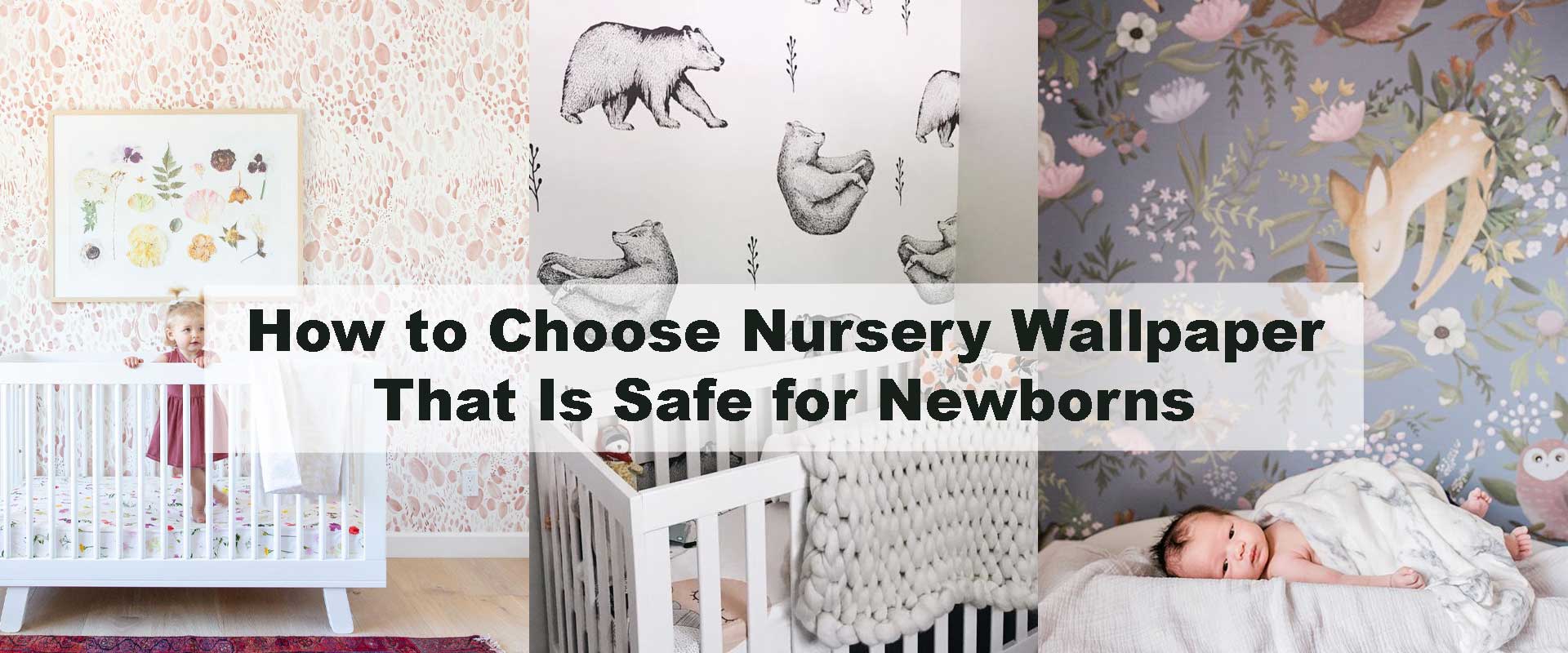
How to Choose Nursery Wallpaper That Is Safe for Newborns
Setting up a newborn’s nursery is one of those memorable moments every parent cherishes, but safety must guide every design choice from the very beginning. Wallpaper, in particular, plays a larger role than most parents expect because it influences air quality, visual stimulation, room texture, and long-term comfort. When learning how to choose nursery wallpaper that is safe for newborns, it’s essential to think beyond aesthetics and evaluate materials, adhesives, finishes, and even the placement of the design itself. The right wallpaper supports a healthy indoor environment while gently shaping how your newborn interacts with their space.
Thoughtfully selected nursery wallpaper can work beautifully alongside soft textiles, dimmable lighting, and calming bedtime habits. This is why many parents explore categories such as Botanical Nursery Wallpaper and Pastel Nursery Wallpaper, which naturally lend themselves to soothing atmospheres. Safety, however, remains the foundation of every decision. By understanding certifications, material behavior, breathable adhesives, and newborn-friendly color psychology, you can create a space that is as secure as it is beautiful. Many families find additional reassurance when reading guides such as choosing safe cleaning habits referenced in Choosing Safe Cleaning Products for Nursery Wallpaper—a helpful resource that expands on ongoing nursery maintenance without exposing newborns to harsh substances.
Below, you’ll find a detailed guide that walks you through every essential step. From chemical emissions to pattern density, this article covers everything you need to feel confident about your nursery wallpaper selection while keeping your newborn’s environment protected from avoidable irritants.
Understanding What “Safe for Newborns” Really Means
A newborn’s world is shaped largely by sensory impressions and air quality because their immune system, lungs, and skin barrier are still developing. Any wallcovering in close proximity must avoid contributing unnecessary stress to their environment. Safe nursery wallpaper refers to products free from harmful chemicals, low in emissions, and designed to maintain stability in varying humidity and temperature levels.
You’ll find that peel-and-stick materials can be newborn-safe when produced responsibly, especially those categorized under Peel-and-Stick Nursery Wallpaper. These wallpapers reduce the need for strong liquid adhesives and allow for easier adjustments without releasing persistent fumes. Safety also includes soft visual environments, something many parents appreciate when browsing soothing patterns similar to those featured in Nursery Wallpaper Ideas That Fit Any Parenting Style, which highlights calm and adaptable design qualities suitable for early development.
Choosing the safest option begins by reviewing manufacturer details, material certifications, and transparency around product testing. If a wallpaper brand provides third-party air quality verification, it’s typically a strong indicator of trustworthy production practices.
Prioritize VOC-Free or Low-VOC Wallpaper
Volatile Organic Compounds (VOCs) are some of the most overlooked culprits affecting indoor air quality, yet they play a significant role in how safe a nursery environment truly is. Because newborns breathe more rapidly than adults and spend the majority of their early days in a single room, even minor off-gassing can influence their comfort and respiratory ease. Modern nursery wallpapers formulated with zero-VOC or ultra-low-VOC standards provide parents with peace of mind by minimizing harmful emissions throughout installation and long-term use.
When evaluating options, prioritize wallpapers that clearly state their VOC rating and avoid PVC or vinyl blends known to release higher levels of emissions. It’s equally important that the adhesive system matches the same safety commitment, as even the gentlest wallpapers can become problematic when paired with strong solvent-based glues. Collections like Neutral Nursery Wallpaper often use eco-focused pigments and water-based materials that naturally align with newborn safety, while their softer hues also help prevent overstimulation during bedtime routines.
Even after installation, VOC behavior continues to matter. High-quality low-VOC wallpapers stabilize quickly, meaning any initial scent dissipates rapidly and does not linger in the air your newborn breathes daily. This faster stabilization creates a healthier, more predictable environment for feeding, napping, and nighttime settling.
Safe Adhesives Matter as Much as Safe Wallpaper
Choosing a newborn-safe wallpaper is only half of the equation—its adhesive must be just as gentle and non-toxic. Traditional wall pastes may contain solvents, plasticizers, or additives that extend drying time and leave behind odors unsuitable for a baby’s developing lungs. Fortunately, today’s safer adhesive alternatives make it easy to achieve a secure installation without sacrificing air quality.
Water-Based Adhesives
Water-based pastes are considered a gold standard for nurseries because they create a strong bond while drying cleanly and emitting almost no detectable odor. Their simple composition makes them compatible with most traditional wallpapers, offering both safety and versatility.
Pre-Pasted Wallpapers
Pre-pasted substrates contain dried adhesive that activates with water, eliminating the need for additional glue. This reduces chemical exposure during installation and ensures consistency in coverage—an important detail for rooms designed for newborn comfort.
Peel-and-Stick Options
Peel-and-stick wallpapers rely on pressure-sensitive adhesives that are typically low-odor and removable without chemical cleaners. When responsibly manufactured, they serve as one of the easiest and safest wallpaper choices for nurseries and are widely featured in styles like Modern Nursery Wallpaper.
Understanding adhesive safety begins with transparency. A trustworthy brand will openly state whether its products are free from toxins, phthalates, heavy solvents, and unnecessary additives. If such information is difficult to find, consider it a sign to look elsewhere.
Choose Wallpapers Certified for Indoor Air Quality
Certification labels provide a reliable way to verify whether a wallpaper has undergone thorough testing for chemical safety and emission control. These third-party evaluations eliminate guesswork, ensuring the product meets stringent standards suitable for newborns who will spend countless hours in the nursery.
Look for trusted certifications such as:
- GREENGUARD Gold, which confirms extremely low chemical emissions and is recognized as one of the safest benchmarks for enclosed rooms
- OEKO-TEX® Standard 100, ensuring every component—from substrate to ink—has been tested for harmful substances
- Blue Angel, which evaluates eco-friendly production and material purity
- CE Marking for European compliance and product stability
- EcoLabel certifications, which highlight environmentally responsible and health-conscious manufacturing
Wallpapers part of calming collections like Animal Nursery Wallpaper often feature certified inks and substrates tested for nursery environments. These certifications reassure parents that the wallpaper will remain stable under everyday temperature shifts, gentle cleaning routines, and prolonged indoor use without compromising air quality.
Evaluate the Role of Color and Visual Stimulation
Safety isn’t limited to chemical considerations; visual comfort matters deeply for newborns. High-contrast, busy patterns can over-activate a baby’s developing visual system. Choosing soothing designs helps avoid sensory overload.
Best Color Tones for Newborn Calmness
- Dusty blues
- Soft greens
- Muted peach and blush
- Warm beige and cream
- Lavender and pastel purples
These tones support sleep and emotional regulation, which is why many of the most restful choices fall under categories like Pastel Nursery Wallpaper or woodland-themed designs that balance softness and familiar shapes.
In-depth discussions about how color and pattern influence sleep can be found in Picking Wallpapers That Match Long-Term Children’s Décor, which touches on creating adaptable visual comfort that doesn’t overwhelm growing babies.
Select Washable Wallpapers That Avoid Harsh Cleaners
Newborn nurseries require frequent maintenance as small messes are inevitable. The safest wallpapers allow for gentle cleaning without introducing strong chemicals. Look for:
- Stain-resistant finishes without PVC
- Durable washable coatings using water-based formulas
- Matte textures that don’t require solvent-based care
This becomes even more important when evaluating textured or illustrated designs found in woodland, botanical, or safari-themed nurseries. Parents often rely on insights shared in Choosing Safe Cleaning Products for Nursery Wallpaper to ensure upkeep doesn’t compromise newborn air quality.
Cleaning compatibility should be listed by the brand, and when in doubt, choose wallpapers that specify a “light wipe with water” as a feasible long-term care method.
Avoid Wallpapers with Glitter, Metallic Foils, or Loose Particles
Although visually appealing, wallpapers with glitter or metallic particles pose safety risks for babies. Over time, loose fragments may detach, settle into bedding, or circulate in the air. Newborns are especially vulnerable to particulate irritation because of their developing respiratory systems.
Instead of embellished designs, choose matte or soft watercolor-style wallpapers found in categories like Woodland Nursery Wallpaper. These deliver charm, character, and storytelling without relying on surface treatments that decrease safety.
If shimmer or depth is desired, opt for printed metallic ink rather than physical foil. Printed accents stay permanently bonded and do not pose a hazard.
Check for Smooth Texture and Non-Abrasive Surfaces
Newborns may eventually crawl, touch walls, or brush against corners. Wallpapers with raised fibers or rough textures can irritate sensitive skin. The safest designs feature:
- Smooth-touch finishes
- Soft matte coatings
- Non-fibrous surfaces that do not shed
Smooth finishes prevent accidental scratches and reduce dust settling. These characteristics are especially beneficial for nurseries that incorporate minimal cleaning products and rely primarily on soft cloth wiping.
Consider Breathability and Moisture Resistance
Proper airflow behind wallpaper helps prevent mold, a major concern for newborn health. Non-breathable wallpapers combined with humid nursery environments may lead to trapped moisture. To ensure safety:
- Choose breathable natural fiber papers or mesh-backed substrates
- Avoid overlapping seams, which restrict airflow
- Use anti-fungal, water-based primers when necessary
Mold is odorless in early stages and harmful for infants; selecting breathable wallpapers dramatically reduces this risk.
Match Wallpaper Placement to Functional Nursery Zones
Not every wall in a nursery serves the same purpose, which is why thoughtful wallpaper placement adds an extra layer of safety and comfort for newborns. Strategic zoning ensures the most sensitive areas—where your baby sleeps, rests, or spends extended periods—receive the gentlest, safest treatments, while more active corners gain slightly richer visual interest without overwhelming the space.
Behind the Crib
This wall usually becomes the room’s visual anchor, so choosing the safest, most certified wallpaper here is essential. Soft storytelling designs—such as watercolor animals, gentle woodland silhouettes, or dreamy landscapes—help regulate newborn visual stimulation. These calming motifs encourage steady relaxation, allowing babies to settle more easily during feeding and bedtime rituals.
Changing Area
The changing station invites both practicality and resilience. Washable, low-VOC wallpapers are ideal in this zone because they can handle the occasional mess without compromising air quality. Opt for smooth, stable finishes that clean easily with water, ensuring routine wipe-downs never require harsh chemicals.
Play Corner
This area can gradually introduce patterns with a bit more expression, but the key is moderation. Choose friendly shapes, soft colors, and low-contrast illustrations to support early curiosity without overstimulation. As your baby grows, these designs encourage visual engagement while remaining gentle enough for long periods of play. Even when choosing bolder motifs within styles like Jungle Safari Nursery Wallpaper, newborn-safe materials ensure the room remains healthy and breathable across every activity zone.
Check the Brand’s Transparency and Ingredient Disclosure
A reliable nursery wallpaper brand should be open and detailed about its materials, manufacturing, and safety standards. Transparency is a strong indicator that the company prioritizes family health and stands confidently behind its production practices. When evaluating a brand, look for clear explanations of:
- Substrate materials
- Ink formulations
- Adhesive composition
- Emission testing results
- Manufacturing location
- Confirmed safety certifications
If any of these details are missing or vaguely presented, it’s wise to reconsider the product. Premium nursery wallpaper makers typically emphasize their safety credentials directly on product pages because parents value clarity and reassurance. A simple comparison across collections—such as browsing Girl Baby Nursery Wallpaper or Boy Baby Nursery Wallpaper—helps you quickly spot whether a brand consistently provides ingredient disclosures and responsible sourcing information. When transparency is strong across the entire catalog, it’s a good sign you’re choosing from a trustworthy and newborn-safe range.
The Importance of Patch Testing Before Full Installation
Patch testing is one of the simplest yet most overlooked steps in ensuring your chosen wallpaper is truly newborn-safe. Applying a small sample to the nursery wall allows you to observe how the material behaves before committing to a full installation. This quick test helps you evaluate:
- Adhesion quality and stability
- Any noticeable odor during the first few hours
- Color accuracy under natural and artificial nursery lighting
- Sensitivity to humidity changes
- The baby’s comfort once they begin spending time in the room
Allow the patch to sit for at least 48 hours. A safe wallpaper should emit little to no detectable odor, show no signs of off-gassing, and remain firmly secured without curling edges. Patch testing gives parents peace of mind and ensures the wallpaper’s behavior aligns with expectations in a newborn’s controlled environment.
Eco-Friendly Wallpapers Benefit Both Babies and Parents
Eco-friendly nursery wallpapers do far more than reduce environmental impact; they actively support healthier indoor air and promote long-term well-being for both newborns and parents. These designs are typically crafted from natural fibers, water-based inks, and gentle adhesives that avoid introducing unnecessary toxins into the nursery. Because newborns spend most of their early months breathing in close proximity to walls and soft furnishings, choosing sustainably made wallpaper helps minimize their exposure to irritants that could affect delicate respiratory systems.
Another advantage is that eco-conscious wallpapers often pair beautifully with calming design styles. Organic textures, soft botanical lines, pastel washes, and understated neutrals naturally complement serene nursery environments where babies can relax without overstimulation. These wallpapers also maintain color stability without relying on synthetic additives, ensuring your nursery remains visually soothing throughout changing seasons. When it’s time for an update years down the line, eco-friendly materials are typically easier to recycle or dispose of responsibly, making them a thoughtful choice for families who value both wellness and sustainability.
Try Designs That Grow with Your Baby
A truly newborn-safe wallpaper is one that remains functional, stable, and visually supportive well into toddlerhood. Designs that grow with your baby reduce the need for frequent wall updates, which means fewer adhesive applications, fewer installation odors, and fewer disruptions to the nursery environment. Long-lasting patterns also help your child form visual familiarity—something that strengthens their sense of security as they begin discovering the world around them.
When selecting a wallpaper meant to evolve with your baby, look to timeless themes that maintain charm beyond the earliest months. Gentle alphabet illustrations, soft botanical outlines, nature shapes, and dreamlike pastel landscapes offer both visual comfort and longevity. These motifs encourage early learning without overwhelming the room, striking a balance between beauty and practicality. This approach echoes insights shared in Picking Wallpapers That Match Long-Term Children’s Décor, emphasizing how well-chosen designs can carry your child through multiple developmental stages while keeping the environment safe and calm.
Common Safety Mistakes to Avoid
Some nursery wallpaper choices may look appealing at first glance but come with hidden safety drawbacks. Recognizing these pitfalls early helps parents make confident, newborn-friendly decisions that prioritize indoor well-being. One of the most common mistakes is selecting inexpensive PVC wallpaper, which often contains plasticizers or chemicals that release unwanted emissions over time. Another oversight is assuming all adhesives are equal—many traditional glues contain strong solvents that can linger long after installation.
Ventilation is another crucial factor. Installing wallpaper in a room that remains closed for hours can trap odors and slow down the off-gassing process, especially if the materials are not low-VOC. Glitter finishes, metallic flakes, or wallpapers that shed particles should also be avoided, as loose fragments pose a respiratory risk for newborns. Parents sometimes forget to check washable requirements as well, which can later lead to the use of harsh cleaners. High-contrast visuals can overstimulate newborns, and skipping a mold inspection behind old walls may expose infants to unseen allergens. Avoiding these mistakes ensures a nursery that feels not only beautiful but deeply safe, gentle, and emotionally grounding—especially during bedtime routines.
Safe vs. Unsafe Nursery Wallpapers
| Feature | Safe for Newborns | Unsafe for Newborns |
|---|---|---|
| Materials | Natural fiber, non-PVC, low-VOC | PVC vinyl, solvent-coated |
| Adhesives | Water-based, non-toxic | Industrial-strength solvents |
| Finish | Matte, smooth, non-shedding | Glitter, foil particles, abrasive |
| Odor | Minimal to none | Strong chemical smell |
| Certifications | GREENGUARD Gold, OEKO-TEX | No safety certification |
| Cleaning | Light water wipe | Requires strong cleaners |
| Visual Effect | Soft, low-contrast | High-contrast overstimulation |
FAQ
1. Is peel-and-stick wallpaper safe for newborn nurseries?
Yes—when it’s PVC-free, low-VOC, and uses water-based adhesive. Many modern peel-and-stick substrates are designed for baby-friendly environments and emit minimal odor.
2. How long should I ventilate the room after installing nursery wallpaper?
Most low-VOC wallpapers require only a few hours to a day of ventilation. Always follow the brand’s instructions and keep windows open whenever possible.
3. Can newborns be sensitive to wallpaper smells?
Absolutely. Newborns have developing respiratory systems, so any lingering smell—even mild—may lead to discomfort. This is why VOC-free materials are recommended.
4. Should wallpaper be placed directly behind the crib?
It can be, provided it’s certified safe and low-emission. Softer patterns work best here because newborns spend significant time facing the wall behind or beside the crib.
5. What wallpaper themes are best for newborn calmness?
Pastels, botanicals, gentle space designs, and soft woodland scenes help regulate visual comfort and reduce overstimulation.
Conclusion
Choosing nursery wallpaper that is safe for newborns involves more than selecting a pretty pattern—it requires thoughtful research into materials, adhesives, certification standards, and newborn sensory needs. Soft colors, responsibly sourced substrates, and non-toxic adhesives form the foundation of a newborn-safe environment. By focusing on well-tested products and calm, breathable designs, parents can create a nursery that supports restful sleep and healthy development. And as your child grows, these safe wallpapers continue to offer comfort, stability, and long-lasting appeal. When in doubt, refer to reliable resources and trusted categories across the world of Nursery Wallpaper to make confident, protective design decisions that your newborn will enjoy from their earliest days onward.