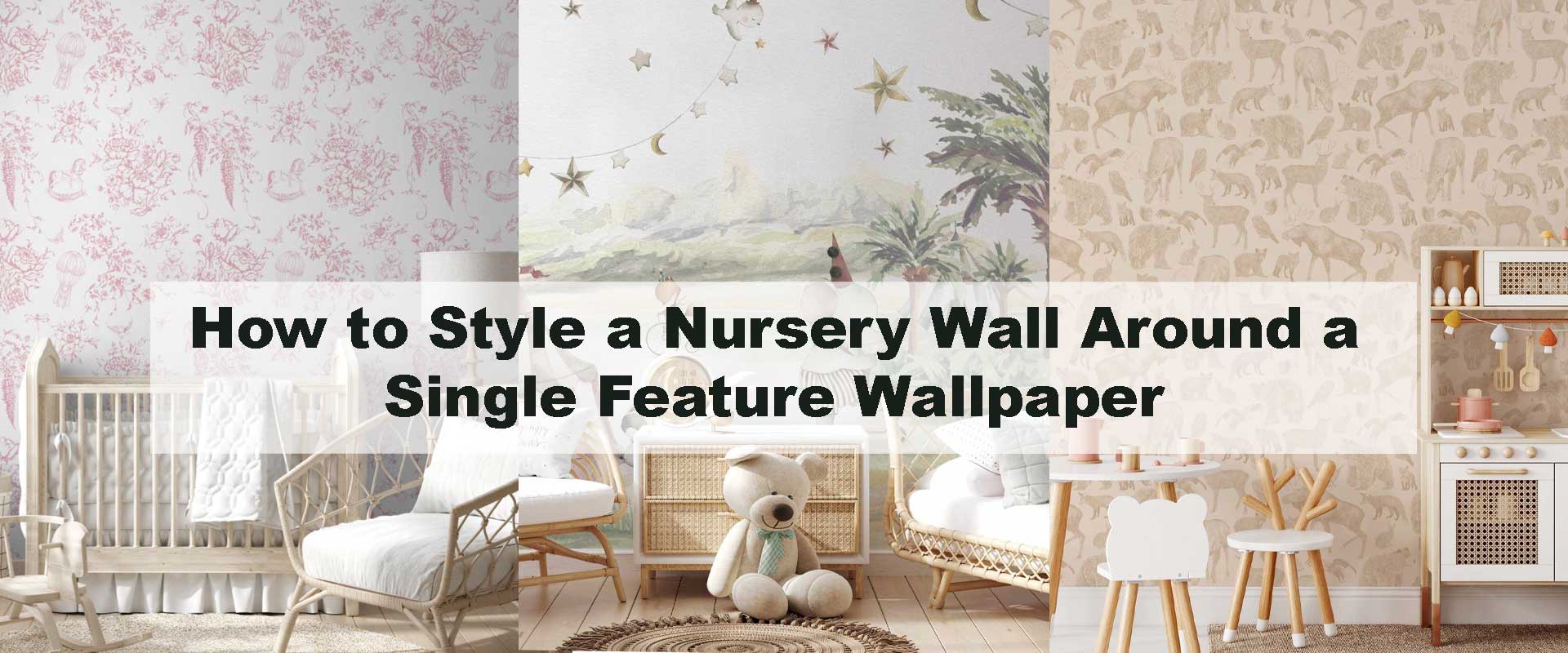
How to Style a Nursery Wall Around a Single Feature Wallpaper
One thoughtfully chosen wallpaper can define an entire nursery—if it’s styled with intention. Knowing how to style a nursery wall around a single feature wallpaper helps transform one beautiful surface into a calming, cohesive space that feels designed rather than decorated. When done well, the feature wall becomes a gentle visual anchor that supports sleep, play, and early development without overwhelming the room.
Parents today are moving away from fully papered nurseries and toward focused design moments that feel softer and more flexible. A single wallpapered wall allows pattern, color, and storytelling to shine while the rest of the room stays light and breathable. This approach also grows beautifully with your child, making it easier to refresh the space over time without starting from scratch.
Why a Single Feature Wallpaper Works So Well in Nurseries
A nursery is one of the most emotionally sensitive spaces in a home, where calm, comfort, and visual harmony matter more than bold design statements. A single feature wallpaper introduces just enough visual interest to engage a newborn’s curiosity while keeping stimulation gentle and controlled. Rather than surrounding a baby with pattern on every surface, this approach offers a clear focal point balanced by plenty of visual rest.
From a design standpoint, feature wallpapers also offer freedom without overwhelm. Parents can confidently choose detailed illustrations, softly layered murals, or delicate textures without worrying that the room will feel busy or overstimulating. This restraint is why feature-wall nurseries feel timeless rather than trendy—and why they continue to look serene in everyday use as well as in cherished photographs long after the newborn stage has passed.
Choosing the Right Wall for Your Feature Wallpaper
Focus on Natural Sightlines
The most effective wall for a feature wallpaper is typically the one your baby naturally looks toward during daily routines. Walls behind the crib, changing table, or nursing chair draw attention effortlessly, allowing the wallpaper to become part of comforting, repeated moments rather than a purely decorative backdrop. This placement helps the design feel emotionally connected to the space rather than visually dominant.
Avoid walls interrupted by doors, large windows, or bulky furniture that break up the surface. A clean, uninterrupted wall allows the wallpaper’s pattern or illustration to read clearly and maintain its soothing presence. When the design has room to breathe, even the most subtle details feel intentional and refined.
Consider Light Direction and Mood
Light plays a defining role in how a feature wallpaper is experienced throughout the day. Walls bathed in soft, indirect daylight allow gentle colors and fine details to glow naturally without appearing washed out. If the chosen wall receives strong sunlight, muted tones and low-contrast designs help prevent the wallpaper from feeling harsh or overpowering during bright hours.
In dimmer corners, lighter palettes and open, airy motifs keep the wall from feeling heavy or enclosed. This thoughtful balance ensures the feature wallpaper enhances the nursery’s mood from morning brightness to evening calm, supporting both daytime activity and nighttime routines with equal ease.
Selecting a Wallpaper Design That Anchors the Space
Keep Patterns Soft and Scaled Thoughtfully
When styling a nursery wall around a single feature wallpaper, scale matters. Large illustrations and flowing scenes create a soothing rhythm, while tiny repeated motifs can feel busy when isolated. Look for designs with breathing room—gentle spacing between elements that allows the eye to rest.
Nature-inspired themes, watercolor textures, and subtle storytelling scenes work especially well. These designs encourage imagination without locking the room into a short-lived trend, making them ideal as a long-term foundation.
Choose Colors That Guide the Entire Palette
Your feature wallpaper should quietly inform every other design decision in the nursery. Pull two or three secondary colors from the wallpaper to use across textiles, furniture accents, and accessories. This repetition creates cohesion without obvious matching.
Soft greens, warm neutrals, misty blues, and powdery pastels are particularly effective because they adapt easily as your child grows. If you’re working with a broader selection of Nursery Wallpaper, focusing on adaptable color stories makes the feature wall feel like a natural part of the room rather than a decorative statement.
Styling the Surrounding Walls for Balance
Let Neutral Walls Do the Supporting Work
Once the feature wallpaper is in place, the surrounding walls should quietly recede, allowing the focal design to lead the room. Soft whites, warm creams, and pale gray-beige tones create a gentle frame around the wallpaper, offering visual breathing room rather than competition. These hues keep the nursery feeling open, calm, and emotionally settled.
Rather than creating sharp contrast, choose neutrals that subtly echo the wallpaper’s background tone. This tonal continuity helps the space feel cohesive and enveloping instead of segmented—an effect that’s especially valuable in smaller nurseries where visual flow can make the room feel larger and more serene.
Add Subtle Texture Instead of Pattern
If plain walls feel too bare, texture is the most effective way to add depth without disrupting balance. Painted paneling, softly finished wood accents, or lightly textured wall treatments introduce warmth and dimension while keeping the visual environment quiet. These tactile elements enrich the space without pulling focus from the feature wall.
This layered restraint ensures the nursery feels thoughtfully complete rather than under- or over-styled. Texture adds character in a way that supports a baby’s developing senses, maintaining calm while still delivering visual interest.
Coordinating Furniture With a Feature Wallpaper
Keep Large Furniture Calm and Grounded
Furniture placed near a feature wall should feel steady, understated, and visually grounding. Cribs, dressers, and wardrobes with clean lines and solid finishes allow the wallpaper to remain the focal point rather than competing for attention. Light woods, soft matte whites, and warm neutral finishes blend seamlessly into the background, reinforcing a restful atmosphere.
Highly ornate shapes or bold colors can disrupt this balance, especially when placed directly against the wallpapered wall. When furniture visually recedes, the room feels more spacious and composed, and the wallpaper’s design can be appreciated without interruption.
Use Placement to Frame the Feature Wall
Thoughtful furniture placement can elevate a feature wallpaper from decorative to architectural. Centering the crib or a key furniture piece against the wallpapered wall creates a natural sense of symmetry and intention, making the design feel integrated rather than applied.
For mural-style wallpapers or scenic illustrations, negative space is essential. Leaving portions of the wall unobstructed allows the artwork to unfold naturally and preserves its visual rhythm. Avoid crowding the wall with shelving or bulky décor, as uninterrupted space helps the feature wall retain its calm, immersive presence.
Layering Soft Furnishings That Echo the Wallpaper
Textiles as Gentle Connectors
Soft furnishings are where a feature wallpaper quietly extends its influence throughout the nursery. Curtains, rugs, and cushions offer an opportunity to echo the wallpaper’s color story without copying it directly. Rather than exact matches, choose tones that feel related—slightly lighter, warmer, or more muted versions of the hues found on the wall. This subtle repetition creates visual flow while keeping the room from feeling overly styled.
Texture plays an equally important role. Natural fabrics like linen, cotton, and wool absorb light and soften edges, helping balance the visual presence of a feature wall. These materials introduce warmth and tactility, ensuring the wallpaper feels integrated into the room rather than standing apart as a decorative statement.
Bedding That Supports, Not Competes
When a nursery includes a feature wallpaper, crib bedding should act as a calming counterpoint. Solid colors, gentle neutrals, or barely perceptible patterns allow the wallpaper to establish mood without distraction. This restraint keeps the sleep zone visually quiet, which is especially important for newborns and young infants.
By allowing the wallpaper to carry the room’s visual narrative, bedding can prioritize softness, comfort, and ease. The result is a space that feels restful and intentional, where every element plays a supportive role rather than competing for attention.
Styling With Art and Décor Around a Feature Wall
Less Is More Near the Wallpaper
A feature wallpaper already functions as artwork, which is why restraint is essential when styling the wall itself. Overloading the surface with frames, decals, or decorative pieces can dilute the wallpaper’s impact and create visual clutter. Giving the design space to breathe allows its pattern, color, and movement to remain the clear focal point.
If décor is added, it should be minimal and thoughtfully placed. A slim shelf, a softly textured wall hanging, or one meaningful object can enhance the wall when used sparingly. The intention is to complement the wallpaper, not compete with it.
Use Adjacent Walls for Personality
Personal details often feel more balanced when placed on surrounding walls rather than the feature wall itself. Name signs, family photos, or playful accents can live comfortably on adjacent surfaces, keeping the feature wall visually calm while still allowing the nursery to feel personal and lived-in.
This approach also adds flexibility over time. As your child grows, décor can be updated, rotated, or removed without disturbing the foundational design. The feature wallpaper remains a steady visual anchor, while the rest of the room evolves naturally around it.
Lighting That Enhances the Feature Wallpaper
Soft, Layered Lighting Matters
Lighting has a powerful influence on how a feature wallpaper is perceived, often more than the wallpaper itself. Relying solely on overhead lighting can flatten colors, mute subtle details, and make even the most beautiful design feel lifeless. Instead, a layered lighting approach brings depth and warmth, allowing the wallpaper to shift gently throughout the day.
Wall sconces, table lamps, and low-glow ambient lights create a soft visual rhythm that complements nursery wallpapers beautifully. Warm-toned lighting enhances gentle hues and organic patterns, preventing the wall from feeling stark or overly defined at night. This softness is especially important during bedtime routines, where calm lighting supports relaxation and helps transition the room into a restful state.
Highlight Without Spotlighting
A feature wallpaper should feel integrated into the room’s atmosphere, not dramatically displayed. Rather than aiming lights directly at the wall, use indirect illumination that washes softly across the surface. This approach allows patterns, textures, and color transitions to reveal themselves naturally without sharp contrasts or glare.
When light feels diffused and intentional, the wallpaper becomes part of the room’s overall glow rather than a visual focal point demanding attention. This subtle highlighting maintains a soothing environment, ensuring the feature wall enhances comfort and calm—never overpowering the gentle purpose of the nursery.
Matching the Feature Wall With Nursery Themes
Nature-Inspired Nurseries
Nature-led themes pair beautifully with single feature wallpapers because they feel instinctively calming and visually grounded. Illustrations inspired by forests, gentle wildlife, or botanical forms introduce a sense of rhythm and softness that mirrors the natural world, helping the nursery feel nurturing rather than styled. When used on one wall, these designs create a quiet focal point that anchors the room without visually enclosing it.
Many parents are drawn to styles such as Woodland Nursery Wallpaper or delicately illustrated animal scenes because they tell a story without demanding attention. These themes feel open-ended and timeless, allowing the nursery to evolve effortlessly from newborn serenity into a space that still feels relevant during early childhood.
Soft Color Narratives for Gender-Neutral Spaces
Feature wallpapers are especially effective in gender-neutral nurseries, where color and mood take priority over defined themes. Muted palettes—think warm greiges, soft sages, misty blues, or powdery neutrals—create emotional warmth while keeping the room flexible. Abstract forms or nature-inspired motifs add interest without assigning a specific identity to the space.
Options like Neutral Nursery Wallpaper help the feature wall feel calm, inclusive, and enduring. When paired with adaptable furniture and layered textiles, these designs make it easy to refresh the nursery over time without reworking the core aesthetic.
Playful Accents Without Overload
A nursery can still feel joyful and imaginative with a single feature wallpaper—as long as playfulness is handled with restraint. Softly rendered illustrations, watercolor-style characters, or dreamy narrative scenes add charm without overwhelming the room. When these elements remain gentle in scale and color, they support curiosity rather than overstimulation.
Parents drawn to lighter, whimsical touches often find that Animal Nursery Wallpaper works best as a feature wall rather than an all-over pattern. Used this way, it preserves a sense of wonder while allowing the rest of the nursery to remain visually calm, balanced, and sleep-friendly.
Creating a Photo-Friendly Nursery Feature Wall
Think About Visual Longevity
A feature wallpaper in a nursery often becomes the quiet backdrop for life’s earliest memories—first-week portraits, sleepy cuddles, and milestone moments captured over time. Because these images live on long after the nursery evolves, visual longevity matters more than short-term trends. Designs with soft contrast, fluid movement, and gentle spacing photograph gracefully, allowing faces, expressions, and emotions to remain the focus.
Avoid wallpapers built around bold characters, heavy outlines, or highly graphic motifs that can quickly feel dated in photos. Instead, lean toward calming compositions that age naturally, maintaining their beauty from newborn portraits through early childhood—much like the philosophy behind Best Nursery Wall Murals for Gentle Bedtime Routines, where understated visuals support both emotional calm and meaningful memory-making.
Keep the Surroundings Photo-Ready
The way the feature wall is styled within the room directly affects how it appears in photographs. Clear visual space around the wallpaper allows it to frame moments rather than compete with them. Furniture with simple silhouettes, softly layered textiles, and minimal surface clutter help keep attention where it belongs—on the child and the interaction being captured.
Lighting also plays a subtle but powerful role. Diffused, warm light softens shadows and enhances wallpaper tones, ensuring photos feel gentle and timeless instead of stark or over-contrasted. When the surrounding environment is intentionally restrained, the feature wallpaper becomes a natural stage for everyday moments, turning spontaneous snapshots into keepsakes that feel calm, intimate, and enduring.
Feature Wallpaper Maintenance and Flexibility
Planning for Easy Updates
One of the biggest advantages of styling a nursery around a single feature wallpaper is how effortlessly it adapts over time. As your child grows, you can update accessories, soft furnishings, or furniture finishes without disturbing the wallpaper itself, allowing the room to evolve naturally rather than requiring a full redesign. This makes the original wallpaper choice feel like a long-term design foundation rather than a short-lived trend.
Selecting wallpapers with open-ended themes, gentle storytelling, or abstract-natural elements further strengthens this flexibility. Instead of locking the space into a specific age or phase, the feature wall quietly supports each stage—from newborn calm to toddler curiosity—acting as a consistent visual anchor rather than a restrictive design decision.
Keeping the Look Fresh Over Time
Refreshing a nursery doesn’t require dramatic changes when the feature wallpaper is thoughtfully chosen. Small updates—such as swapping rugs, adjusting lighting warmth, or rotating wall décor—can subtly shift the room’s mood while keeping the wallpaper intact. These light-touch updates maintain visual interest without disrupting the soothing atmosphere that a nursery needs.
This layered approach to design ensures the room feels current and cared for without becoming overstimulating. The feature wall remains the emotional constant, while surrounding elements gently adapt to new routines, preferences, and developmental stages, creating a space that matures alongside your family.
Common Mistakes to Avoid When Styling a Feature Wallpaper
Overcrowding the feature wall is one of the most common styling missteps. Adding too many shelves, frames, decals, or decorative accents can dilute the wallpaper’s impact and create visual noise. A feature wall works best when given room to breathe, allowing its pattern, color, or illustration to remain the clear focal point.
Another frequent issue is mismatched color temperature. Warm-toned wallpapers paired with cool white lighting or conflicting furniture finishes can make the space feel disjointed rather than calming. Always consider how light, materials, and tones interact throughout the day, especially in a room designed for rest and comfort.
Finally, avoid treating the feature wallpaper as a decorative afterthought. It should inform decisions around color palette, furniture style, lighting choices, and décor placement. When every element responds to the feature wall rather than competing with it, the nursery feels intentional, balanced, and emotionally grounding.
Conclusion
Learning how to style a nursery wall around a single feature wallpaper is about balance, intention, and long-term comfort. A thoughtfully chosen wallpaper can anchor the entire room, creating a soothing focal point that supports both design and daily routines. By keeping surrounding elements calm, coordinating colors subtly, and allowing the wallpaper to lead the visual story, you create a nursery that feels cohesive and nurturing.
This approach not only enhances your baby’s environment but also makes the space easier to adapt as your child grows. When styled with care, a single feature wallpaper becomes more than décor—it becomes the heart of a nursery designed to evolve beautifully over time.
FAQs About Styling a Nursery With a Feature Wallpaper
Is a single feature wallpaper enough for a nursery?
Yes, a single feature wallpaper is often more than enough for a nursery. It provides a clear visual anchor while keeping the overall environment calm and uncluttered. This balance is especially important for newborns, as it avoids overstimulation while still creating a thoughtfully designed space.
Which wall is best for a nursery feature wallpaper?
The best wall is usually one that aligns with daily routines, such as the wall behind the crib, changing area, or nursing chair. These natural sightlines allow the wallpaper to be experienced gently and repeatedly without dominating the room. Walls with minimal interruptions work best to preserve the design’s flow.
Can a feature wallpaper work in a small nursery?
Absolutely. In small nurseries, a single feature wallpaper can actually make the room feel more spacious by creating depth and focus. Keeping surrounding walls light and neutral helps prevent visual crowding while allowing the wallpaper to add character without overwhelming the space.
Should nursery furniture match the feature wallpaper?
Furniture doesn’t need to match the wallpaper exactly, but it should complement it. Calm finishes, simple silhouettes, and tones drawn subtly from the wallpaper’s palette help create harmony. When furniture remains visually understated, the feature wall retains its intended impact.
Is a feature wallpaper suitable as my child grows?
A well-chosen feature wallpaper adapts beautifully over time. Designs with soft patterns, nature-inspired themes, or neutral color stories remain relevant beyond the newborn stage. As accessories and décor change, the wallpaper continues to act as a timeless backdrop rather than a limiting theme.
How do I keep a feature wallpaper from feeling overwhelming?
Restraint is key. Limit additional décor on the feature wall, use soft lighting, and avoid introducing competing patterns nearby. When the wallpaper is allowed to breathe and guide the room’s palette, it enhances calm rather than creating visual noise.