How traditional striped wallpaper adds refined symmetry to bedroom walls
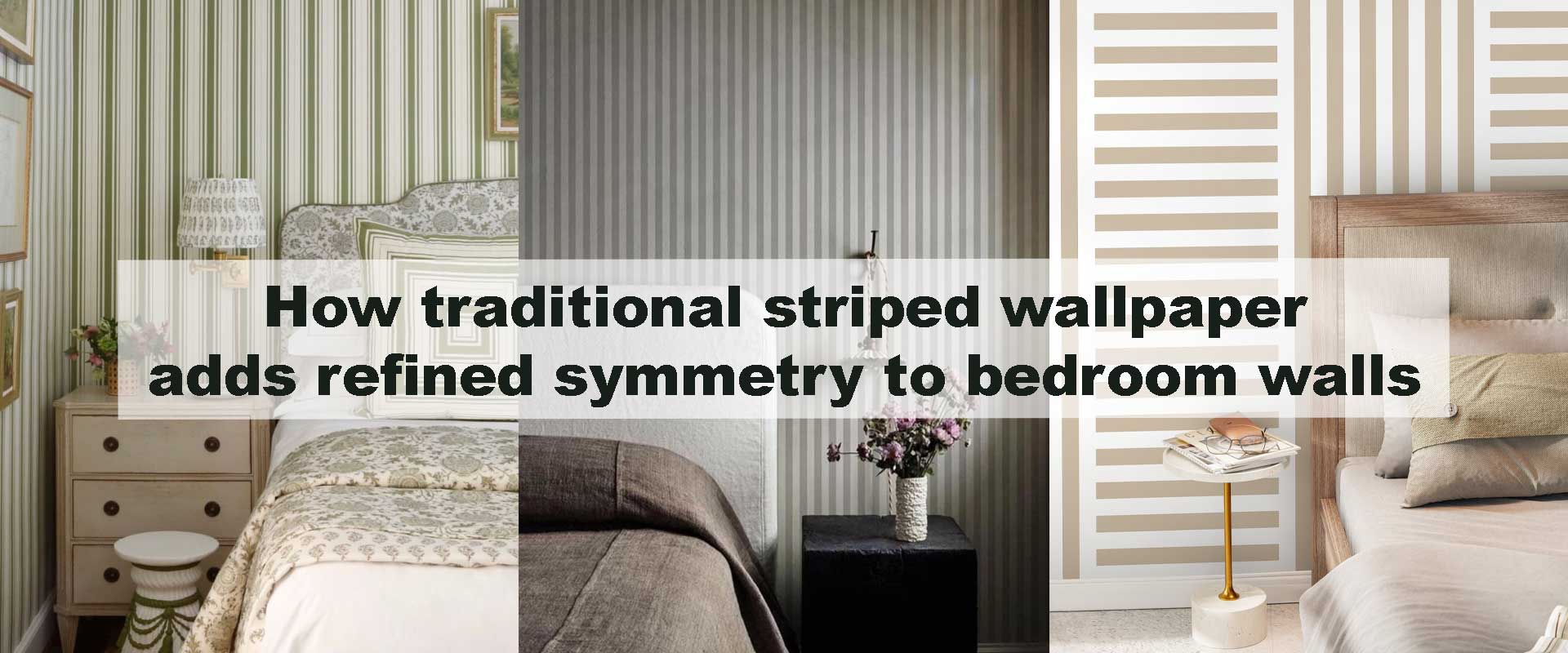
Traditional striped wallpaper has a unique way of bringing order, rhythm, and quiet refinement into bedroom interiors. Even in spaces with asymmetrical layouts, stripes introduce a balanced vertical or horizontal flow that feels intentional and composed. This subtle structure appeals to homeowners seeking timeless design, especially when paired with vintage-inspired choices like Vintage Wallpaper that highlight classic detailing. By guiding the eye in smooth, repeated lines, striped patterns anchor the room with a visual cadence that feels both restful and sophisticated.
Why Stripes Bring Natural Symmetry to Bedroom Spaces
Traditional stripes introduce a sense of equilibrium that feels almost architectural, giving bedroom walls a calm, ordered presence. Their predictable repetition acts like a visual metronome—steadying the room, guiding movement, and softly correcting any imbalance created by uneven windows or off-center layouts. Rather than dominating the space, stripes behave like a quiet structural element, offering a backdrop that gently frames furnishings and deepens the room’s sense of intention. This measured rhythm encourages relaxation, turning the wall into a soothing visual cadence that supports both classic and modern-traditional bedroom styles.
Vertical Stripes for Height and Structure
Vertical stripes lend bedrooms a graceful lift, drawing the eye upward as if extending the walls beyond their natural height. This effect works exceptionally well in rooms with lower ceilings, heavy furniture, or architectural elements that visually weigh down the space. Their ascending flow introduces a feeling of airiness and refinement, offering a soft architectural boost without altering the room’s footprint. When paired with calm, gentle tones such as Beige Vintage Wallpaper, vertical stripes become even more serene, allowing the room to feel taller, brighter, and beautifully aligned.
Horizontal Stripes for Width and Balance
Horizontal stripes stretch the gaze outward, creating the impression of a wider, more expansive bedroom. This orientation distributes visual weight along the wall, helping to balance oversized headboards, elongated dressers, or panoramic artwork. By pulling the eye from one side of the room to the other, horizontal stripes create a grounded, cohesive sweep that feels relaxed rather than rigid. Their calming flow mirrors the way directionality influences harmony in classic interiors—an approach often reflected in Vintage floral wallpaper ideas that transform classic living rooms, where controlled pattern movement shapes traditional balance. In bedrooms, this same horizontal rhythm delivers a sense of spaciousness that feels intentional and quietly elegant.
How Stripes Interact With Bedroom Furnishings
Striped wallpaper establishes visual order long before the furniture comes into play. Its repeated lines act like a quiet architectural framework, guiding the eye toward the most harmonious placement for the bed, side tables, wardrobes, and accent décor. Even in bedrooms where windows, radiators, or off-center niches interrupt the layout, stripes introduce a steady rhythm that gently stabilizes the entire composition. The room begins to feel curated rather than improvised, shaped by a backdrop that subtly influences how each furnishing settles into place.
Anchoring the Bed Wall
A striped backdrop behind the headboard creates a beautifully structured anchor point that instantly defines the room’s center of gravity. The lines rise or stretch behind the bed like a tailored panel, helping the headboard feel grounded even when architectural constraints force slight asymmetry. The stripes visually “straighten” the wall by directing attention toward a central alignment, allowing the bed to read as intentional rather than compromised. Soft palettes such as Pastel Vintage Wallpaper enhance this effect by blending structure with calmness, lending the bedroom a refined, balanced atmosphere.
Harmonizing Mixed Furniture Styles
Bedrooms often combine heirloom pieces with contemporary silhouettes, and stripes excel at bridging these differences. Their consistent rhythm becomes a unifying thread, smoothing transitions between ornate dressers, modern nightstands, minimalist lamps, or upholstered benches. This harmony mirrors principles often highlighted in Vintage floral wallpaper ideas that transform classic living rooms, where steady pattern repetition brings cohesion to varied forms and finishes. In a bedroom, this same continuity allows each furnishing to feel thoughtfully placed, contributing to a unified and polished whole.
Choosing the Right Type of Traditional Striped Wallpaper
Classic Pinstripes
Classic pinstripes offer a whisper-light rhythm that instantly elevates bedroom walls with subtle sophistication. Their slim, evenly spaced lines add refinement without dominating the space, making them perfect for minimalist or modern-traditional bedrooms that rely on quiet structure rather than bold patterning. When placed behind a statement headboard or paired with soft linens, pinstripes create a tailored backdrop that feels composed, airy, and effortlessly elegant.
Wide Regency Stripes
Wide Regency stripes bring a more pronounced sense of symmetry—broad, confident bands that echo the grandeur of historic interiors. Their generous scale introduces visual authority, allowing master bedrooms to feel taller, more sculpted, and architecturally deliberate. These stripes highlight crown molding, accentuate ceiling height, and ground larger furniture pieces with a stately rhythm that enriches the room’s traditional character.
Tone-on-Tone Stripes
Tone-on-tone stripes deliver the calmest and most understated interpretation of symmetry, offering texture without sharp contrast. Because these stripes play with light rather than color, they create a soft visual cadence that gently shapes the room’s proportions. Their quiet elegance is ideal for smaller bedrooms or spaces seeking a serene, almost hotel-like atmosphere where balance is important but visual noise is not. This style gives the walls dimension while maintaining a peaceful, unobtrusive flow.
How Different Stripe Styles Influence Bedroom Symmetry
| Stripe Style | Visual Impact | Best Bedroom Use | Symmetry Effect |
|---|---|---|---|
| Pinstripe | Light, elegant | Minimal or contemporary traditional | Creates gentle order |
| Wide Stripe | Strong, classic | Large or tall rooms | Defines bold symmetry |
| Tone-on-Tone | Soft, subtle | Small or serene spaces | Adds quiet alignment |
| Two-Tone Contrasted | Eye-catching | Feature walls | Frames architectural lines |
Color Pairings That Enhance Symmetry
Neutrals for Soft Balance
Neutral striped palettes—think cream, warm sand, linen beige, or muted taupe—bring an immediate sense of calm structure to bedroom walls. Their understated contrast allows the stripes to guide the eye gently rather than assertively, which strengthens the room’s natural symmetry without overwhelming it. These hues sit gracefully behind layered textiles, upholstered headboards, or wood furniture, creating a quiet foundation where every piece feels grounded and proportionate.
Blues and Greens for Restful Order
Shades of misty blue, powder navy, and soft sage are ideal for bedrooms seeking both visual order and atmospheric serenity. These tones echo natural horizons and botanical landscapes, giving striped patterns a rhythm that feels soothing rather than formal. When paired with vintage artwork, botanical fabrics, or lightly distressed furnishings, blue and green stripes reinforce a restful balance that makes the entire room feel structured yet effortlessly tranquil.
Burgundy and Gold for Classic Grandeur
Deep, heritage-inspired colors—such as burgundy, merlot, and antique gold—introduce a refined sense of symmetry rooted in traditional design. Their richness adds depth to the stripe pattern, making architectural lines appear more pronounced and intentional. When used with restraint, these tones lend an elegant cadence to the room, evoking the timeless charm often found in classic European bedrooms. The result is a balanced interplay of warmth, stately rhythm, and vintage sophistication.
Practical Tips for Using Striped Wallpaper Symmetrically
Aligning striped wallpaper with key architectural lines is one of the most effective ways to create a bedroom that feels intentionally balanced. When the stripes rise directly behind the headboard, echo the vertical rhythm of a window frame, or sit neatly beneath a ceiling chandelier, the entire space gains a quiet architectural coherence. These small alignment choices help the room feel naturally ordered even before furniture is added.
Centering or balancing furnishings is equally important. Stripes act like visual guides, so placing nightstands, lamps, or wall art slightly off-center can interrupt the pattern’s rhythm. When the furniture layout follows the natural flow of the stripes—whether through a perfectly centered bed or evenly distributed side décor—the room reads as cohesive and thoughtfully styled.
Choosing patterns with consistent spacing elevates the effect even further. Evenly spaced stripes create a steady cadence that feels classic and tailored, reinforcing symmetry without overwhelming the senses. Tone-on-tone or softly contrasted stripes add depth while keeping the atmosphere restful, making them ideal for bedrooms where calm structure is the goal.
Finally, pairing striped walls with simplified bedding and textiles ensures the pattern remains the room’s anchor rather than competing with other visuals. Soft linens, gentle textures, and restrained palettes allow the stripes to shine, giving the bedroom a polished sense of balance and refined harmony.
Frequently Asked Questions
Do striped wallpapers make a bedroom look bigger?
Yes. Vertical stripes add height, while horizontal stripes visually widen the space, making the room feel more proportionate.
Can stripes work in a small bedroom?
Absolutely. Thin stripes or tone-on-tone designs are ideal because they introduce symmetry without overwhelming the room.
Should striped wallpaper be used on all walls or just one?
Both work. A single feature wall creates gentle structure, while full coverage offers immersive symmetry.
Which colors work best for classic striped wallpaper?
Neutrals, soft blues, greens, and heritage tones like burgundy or gold maintain timeless elegance.
Can stripes pair well with patterned bedding?
Yes, as long as one element remains subtle. Stick to simple or textured linens when working with bold stripes.
Conclusion
Traditional striped wallpaper brings a level of symmetry to bedroom walls that feels both effortless and enduring. Its rhythmic lines guide the eye, steady the room’s proportions, and create a structured calm that supports restful interiors. Whether used in subtle pinstripes or classic wide bands, stripes offer a timeless way to unify furnishings and elevate the room’s overall balance. By choosing the right direction, palette, and scale, homeowners can shape a bedroom that feels intentionally aligned, visually soothing, and beautifully refined.