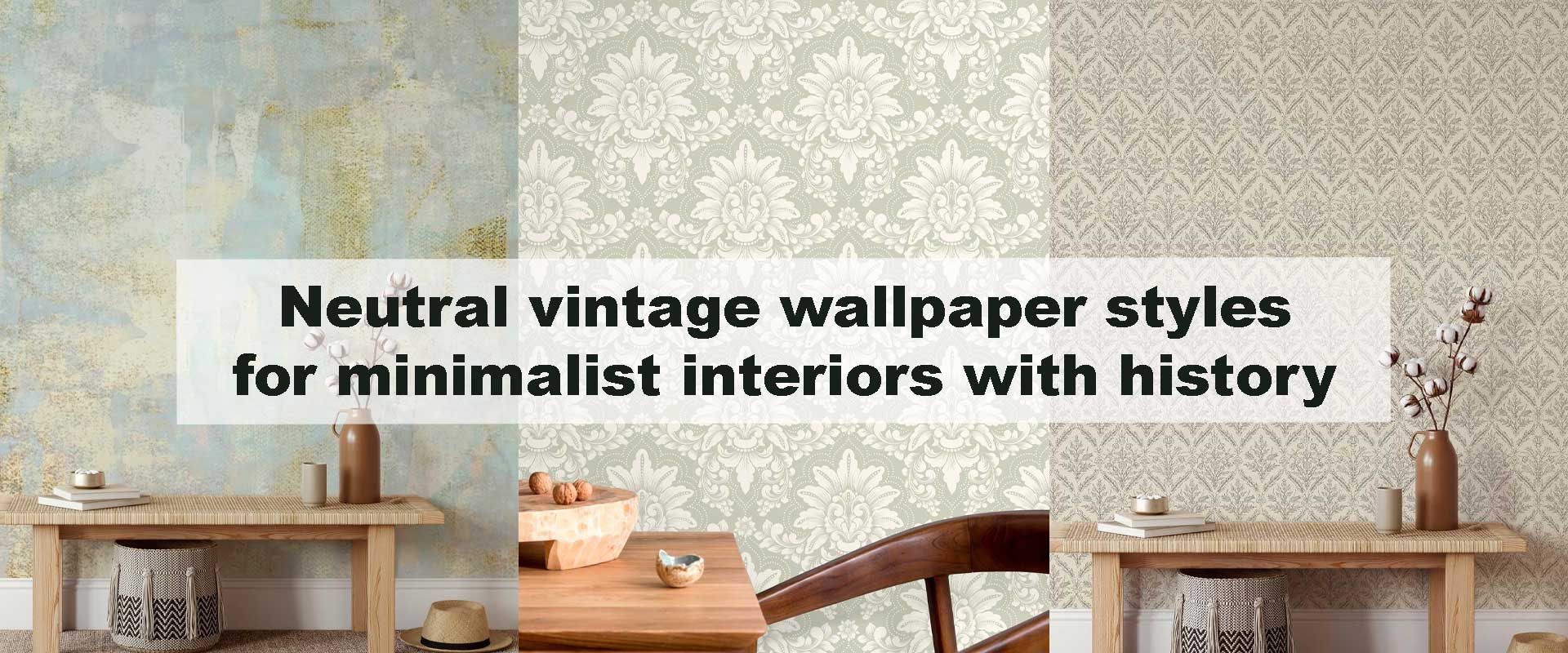
Neutral vintage wallpaper styles for minimalist interiors with history
Minimalist homes often rely on calm silhouettes and gentle palettes, yet many people want deeper character without disturbing visual clarity. Neutral vintage wallpaper answers this need by blending soft tones with quiet historical cues that enrich spaces effortlessly. These delicate motifs echo the charm highlighted in Vintage floral wallpaper ideas that transform classic living rooms, where layered patterns shape mood while maintaining balance. When neutralized, these same influences become perfect companions for minimalist layouts seeking warmth and subtle storytelling.
Why Neutral Vintage Wallpaper Works Perfectly in Minimalist Interiors
Neutral hues—beige, taupe, washed charcoal, dusty brass—build a steady foundation for pared-back rooms. They merge seamlessly with contemporary silhouettes while adding historical richness in controlled doses. This blend is particularly effective in homes that value intention over decoration. Patterns sourced from Antique Vintage Wallpaper introduce curated depth that feels authentic rather than overstated.
Many minimalists appreciate how quiet motifs soften the structure of a room without breaking its symmetry. This balance reflects ideas shared in Why retro wallpaper is making a dramatic comeback in contemporary homes, where timeless patterns anchor modern living spaces with gentle rhythm.
Soft Patterning as a Bridge Between Past and Present
Neutral vintage wallpaper works beautifully as a translator between eras, carrying gentle echoes of historical craft into rooms defined by restraint. Instead of bold lines or saturated hues, these patterns lean into softened edges, delicate outlines, and tones that feel naturally faded—much like archival prints touched by time. A washed damask or a tender botanical sketch becomes a quiet companion to minimal wooden furniture and streamlined architectural profiles, bringing emotional resonance without disrupting the room’s serenity.
These soft motifs allow the past to participate in modern design without overwhelming it. Their subtlety creates a sense of continuity, as though the room evolves organically from history rather than imitating it. Surfaces with mild texture—like those within Textured Vintage Wallpaper—enhance this conversation between old and new. As daylight shifts, gentle shadowing moves across the wall, giving the room an ever-so-slight sense of motion. Instead of stillness turning into sterility, the space feels alive, warm, and quietly layered.
Balancing Minimalism With Vintage History
Minimalist design depends on intention, clarity, and a feeling of openness. Yet, when every surface is purely functional, a room can lose emotional depth. Neutral vintage wallpaper solves this by introducing historical nuance in a way that feels curated rather than decorative. The motifs—traces of earlier artistry, softened scrolls, faint botanical silhouettes—act as whispers of heritage that soften the geometry of modern spaces.
This balance enriches rooms that rely on simplicity. A minimal living area gains quiet intimacy when paired with a subtle archival floral; a bedroom feels more grounded when softened by a barely-there ornamental curve. Instead of competing with furniture, the wallpaper becomes the room’s atmosphere—present but gentle. These patterns function almost like a memory embedded within the walls, shaping the identity of the home without adding visual weight.
Designers choose these styles because they support minimalism’s clarity while offering something that plain surfaces cannot: story, emotion, and the comfort of visual familiarity. In rooms where efficiency dominates, such details prevent the space from feeling distant or overly rigid.
Subtle Geometry for Minimalist Balance
Geometric vintage motifs deliver a beautiful structural counterpoint to the soft lines of minimal interiors. When these patterns are softened into beige, warm stone, or lightly weathered charcoal, they become frameworks rather than focal points. Understated trellis lines, faint latticework, and sepia hexagon repeats introduce order and rhythm that guide the eye gently through the space.
These geometric neutrals are particularly powerful in minimalist homes because they echo the discipline and alignment that minimalism values, but with a touch of history woven in. Instead of the sharp, high-contrast look often associated with modern geometry, these vintage-inspired shapes feel mellow and lived-in, allowing rooms to breathe.
Designers often turn to styles similar to Geometric Vintage Wallpaper to create visual grounding, especially in open layouts or rooms with strong contemporary lines. The patterns establish quiet structure without interfering with furniture silhouettes or architectural clarity. The result is a room guided by subtle geometry—calm, cohesive, and balanced in a way that feels effortless.
The Role of Botanical Neutrals in Soft Minimalism
Botanical motifs become especially elegant when translated into muted, earthy tones that echo the softness of natural landscapes. When florals are rendered in quiet sepia, warm ivory, or gentle charcoal outlines, they bring an organic stillness that blends effortlessly with minimalist rooms. Instead of commanding attention, these motifs drift across the wall like a whisper—adding natural depth, emotional comfort, and a sense of timeless ease.
The beauty of botanical neutrals lies in their ability to soften the straight lines and crisp surfaces that minimalism often relies on. Their subtle movement introduces gentle rhythm, creating a peaceful backdrop that supports slow living. When paired with light woods, soft linen textures, rattan accents, or sculptural ceramics, the wallpaper enriches the space with grounded warmth. This harmony between natural details and pared-back design feels soulful, serene, and effortlessly balanced.
Creating Visual Warmth Without Clutter
Neutral vintage wallpaper excels at forming layers of atmosphere without creating visual weight, making it a key choice for spaces that crave warmth while remaining clean and open. Even intricate motifs feel understated when softened by beige, taupe, washed gold, or ash-toned palettes. This gentle color approach keeps the room bright and breathable, allowing the eye to rest while still enjoying subtle historical charm.
Such wallpapers shine in compact interiors where every detail must feel intentional. Their quiet shading and airy spacing help small rooms stay open and welcoming. In dim spaces, the soft tonal variations create gentle glow rather than stark contrast, adding warmth through natural light play. Larger rooms benefit from the cohesion these patterns provide, allowing expansive walls to feel connected and composed.
Collections like Beige Vintage Wallpaper bring enduring elegance, offering tones that adapt gracefully to evolving furniture, textures, and lighting choices. Their neutrality ensures the space feels timeless, calm, and beautifully balanced—proving that warmth doesn’t require clutter, only thoughtful design.
Neutral Vintage Wallpaper in Key Minimalist Spaces
1. Living Rooms
Living rooms often serve as the heart of a minimalist home, and neutral vintage wallpaper brings a quiet sense of history that feels intentional rather than decorative. Soft botanical repeats, faded damasks, or gently worn geometric lines create an elegant backdrop that supports open layouts. The patterns introduce warmth and depth, preventing the room from feeling overly sparse while keeping silhouettes clean and uninterrupted. When paired with natural wood, muted textiles, and sculptural furnishings, the wallpaper shapes atmosphere with a soft glow that enhances simplicity rather than competing with it.
2. Bedrooms
Bedrooms thrive on serenity, making neutral vintage wallpaper an ideal companion for soft minimalism. Subtle motifs—sepia leaves, ivory florals, or understated ornamental curves—wrap the room in a calm, almost meditative presence. Their quiet detailing complements unembellished bedding and warm lighting, creating a restorative setting that feels grounded yet airy. Because the patterns are gentle, the wallpaper supports relaxed mornings and peaceful evenings without overwhelming the senses, helping the room maintain a tranquil rhythm that minimalism relies on.
3. Entryways
Entryways shape first impressions, and neutral vintage wallpaper introduces tone and character before the rest of the home unfolds. These smaller spaces benefit from patterns that convey history without crowding their limited dimensions—washed botanicals, linen-inspired textures, or light ornamental traces work beautifully here. The wallpaper brings gentle warmth to transitional zones, helping visitors feel welcomed while keeping pathways open and uncluttered. Paired with a slim console or a simple mirror, the overall composition feels intentional and balanced.
4. Home Offices
Home offices require clarity, focus, and emotional comfort—qualities that neutral vintage wallpaper delivers with ease. Soft motifs create a quiet frame around desks, shelving, or reading nooks, offering visual interest without introducing distraction. The historical undertones add depth to the workspace, making it feel thoughtful and uplifting rather than purely functional. Neutral tones ensure the room stays calm and bright, supporting long work sessions while maintaining a sense of ease. When combined with clean-lined furniture and warm ambient light, the wallpaper enhances both productivity and comfort.
How to Choose the Right Neutral Vintage Wallpaper for Minimalist Interiors
Tone
Tone is the foundation of every minimalist room, and neutral vintage wallpaper works best when its palette feels calm, grounded, and timeless. Choose muted hues—soft taupe, warm ivory, quiet mushroom, gentle stone, or a washed charcoal that barely whispers its presence. These colors settle naturally into minimalist layouts, allowing the room to stay open while introducing the emotional warmth often missing from stark surfaces. When the tone carries a subtle patina or a naturally faded look, it adds depth without disturbing clarity.
Pattern Scale
Scale shapes how the eye reads space, making it a crucial factor in minimalist rooms. Small or medium repeats create a gentle rhythm that enriches walls without demanding attention, ideal for areas that rely on stillness. Larger motifs can work beautifully but require intention; they should feel airy, spacious, and softly drawn so they don’t overpower the room’s quiet lines. A well-chosen scale should guide the gaze smoothly, supporting the room’s proportions rather than crowding them.
Texture
Texture is where minimalist spaces gain their soul. Matte surfaces absorb light softly, creating a serene atmosphere, while linen-inspired grains add subtle movement that feels handcrafted and intimate. Light embossing or gently raised details create shadows that shift throughout the day, bringing natural dimension into rooms that prioritize simplicity. These textures allow vintage character to appear refined and understated, blending history with the softness minimalism demands.
Styling Compatibility
Harmony is essential when mixing heritage with minimalism. Choose wallpaper motifs that feel like quiet companions to the room’s architecture—delicate botanicals, simplified damask lines, or faint geometric frameworks pair effortlessly with clean furniture silhouettes. Natural materials such as warm wood, soft textiles, and hand-finished ceramics reinforce the connection between past and present. Soft lighting—especially warm, diffused glows—helps the wallpaper breathe, highlighting its subtle details while preserving the calm essence of minimalist design.
Neutral Vintage Wallpaper Styles for Minimalist Homes
| Style Type | Visual Impact | Best For | Character Notes | Minimalist Compatibility |
|---|---|---|---|---|
| Faded Botanical Neutrals | Low–Medium | Bedrooms, living rooms | Soft organic forms | Excellent |
| Washed Damask | Medium | Dining rooms | Heritage refinement | High |
| Linen-Texture Prints | Low | Hallways and quiet zones | Subtle depth | Excellent |
| Soft Geometry | Medium | Modern living rooms | Structured rhythm | High |
| Sepia Ornamental Repeats | Medium | Feature walls | Quiet historical charm | Moderate–High |
Styling Tips for Integrating Neutral Vintage Wallpaper
1. Blend With Warm, Natural Materials
Neutral vintage wallpaper feels especially harmonious when paired with materials that soften modern minimalism. Oak, rattan, cane, warm-toned timbers, and stone bring organic warmth that echoes the quiet history within the wallpaper’s motifs. These natural textures help the space feel grounded and elevate the subtle character already present in the pattern.
2. Keep Decorative Elements Intentional
Minimalist spaces thrive when every object has meaning. Instead of filling shelves or surfaces, choose sculptural pieces, handcrafted pottery, or a single vintage accent that complements the wallpaper’s tone. This ensures the vintage motif acts as a quiet anchor while decorative accents reinforce, rather than compete with, the design.
3. Use Lighting to Reveal Soft Depth
Warm, diffused lighting transforms neutral vintage wallpaper by highlighting its delicate textures and gentle shading. Wall sconces, soft-glow bulbs, and natural daylight help cast subtle shadows that bring the pattern to life. Instead of bright, stark lighting, opt for ambient layers that enhance the wallpaper’s historical charm without breaking minimalist calm.
4. Support the Look With Clean-Lined Furniture
The beauty of neutral vintage wallpaper lies in its ability to introduce heritage without overwhelming the room. Clean silhouettes—slim sofas, modern wooden tables, light metal frames—allow the motif to remain the visual storyteller. This contrast between vintage softness and contemporary structure creates a balanced environment where both elements shine.
5. Allow Negative Space to Breathe
Minimalism relies on spaciousness, and wallpaper becomes more impactful when it has room to breathe. Leave intentional gaps on walls, choose open shelving instead of closed units, and resist filling every corner. The wallpaper’s subtle detail becomes a feature when surrounded by calm, open space.
6. Pair With Soft Textiles for Added Comfort
Muted throws, linen drapes, wool rugs, and neutral cushions reinforce the gentle palette of vintage wallpaper. These materials soften the architectural edges of minimalist spaces and create a layered atmosphere that feels nurturing yet visually quiet.
Conclusion
Neutral vintage wallpaper weaves soft history into minimalist interiors, helping rooms feel grounded, emotional, and visually balanced. With muted palettes and historical motifs, these wallpapers enrich spaces without disrupting their stillness. Whether botanical, geometric, or ornamental, neutral vintage designs create timeless environments that support both clarity and character.
FAQ
1. Does neutral vintage wallpaper fit modern minimalist homes?
Yes. Neutral vintage wallpaper blends historical character with gentle tones that complement the clarity of minimalist layouts. Soft motifs add warmth without disrupting clean lines or visual calm.
2. Will vintage patterns make a minimalist room feel busy?
Not when chosen in muted shades or small-to-medium repeats. Neutral palettes reduce visual noise, allowing historical designs to feel quiet, refined, and perfectly balanced with minimal furnishings.
3. Which rooms benefit most from neutral vintage wallpaper?
Spaces such as living rooms, bedrooms, entryways, and home offices respond beautifully. Soft historical motifs bring grounding warmth while keeping the overall design intentional and uncluttered.
4. Can neutral vintage wallpaper pair with contemporary furniture?
Absolutely. Clean-lined furniture enhances the contrast between modern structure and vintage charm. The combination feels curated, calm, and harmonious when materials and tones remain consistent.
5. How do I maintain a minimalist look when using vintage motifs?
Choose palettes like beige, taupe, ivory, soft charcoal, or faded gold. Keep accessories purposeful, rely on natural textures, and let the wallpaper serve as the room’s primary decorative element.
6. Is textured neutral wallpaper better for minimalist spaces?
Light textures—like linen finishes or matte surfaces—add depth without complication. They enrich minimalist rooms subtly by reacting gently with natural or warm lighting.