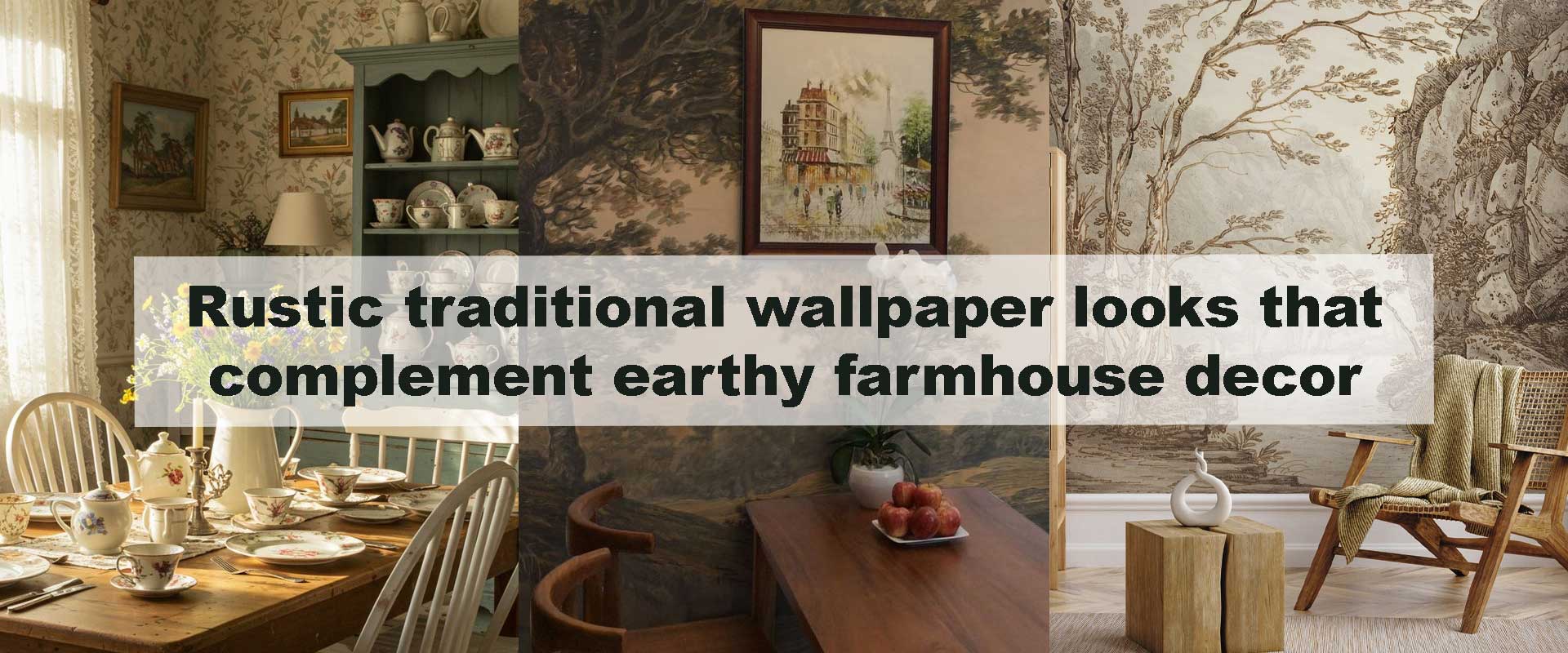
Rustic traditional wallpaper looks that complement earthy farmhouse decor
Earthy farmhouse décor thrives on warmth, simplicity, and authentic character, which is why rustic traditional wallpaper has become a go-to choice for homeowners who want rooms that feel timeworn yet deeply welcoming. Whether styled with handcrafted wood furniture or soft woven textiles, the right wallpaper grounds the entire space in charm. Many farmhouse lovers look for wallpapers that echo heritage details, something you see woven throughout Vintage Wallpaper collections where organic textures and aged finishes feel genuinely lived-in. The aim is never to overwhelm; instead, it’s to let pattern and patina work together in harmony.
Rustic wallpapers feel especially fitting in interiors guided by reclaimed elements—antique dressers, plank floors, iron lighting—and this pairing creates spaces that are warm without being visually heavy. Think of how a subtle floral repeat whispers nostalgia or how a faded damask elevates a corner with just enough refinement. These qualities explain why many designers refer back to inspirations shared in pieces like Vintage floral wallpaper ideas that transform classic living rooms when designing farmhouse rooms rooted in tradition. The farmhouse palette—creamy whites, wheat-tone neutrals, warm browns—invites pattern, texture, and understated color in measured amounts. When applied thoughtfully, rustic wallpaper becomes one of the most expressive storytelling tools in the entire room.
Rustic traditional wallpaper also pairs beautifully with natural materials such as clay pottery, old-world woven baskets, and iron fittings. It brings depth to walls without distracting from the organic textures that define farmhouse living. Even a muted trellis or gently weathered botanical can shift a space from plain to poetic. The growing interest in meaningful, heritage-forward décor also resonates with insights shared in Why retro wallpaper is making a dramatic comeback in contemporary homes, where personal expression and warmth rise to the forefront. Farmhouse decorating embraces these same values, making rustic traditional wallpapers the perfect anchor.
Rustic Aesthetics and Their Roots in Farmhouse Design
Rustic farmhouse style springs from rural homes where practicality shaped beauty. These homes aged naturally—sun-worn beams, mellowed paint, and heirloom furniture carrying years of memory. Rustic traditional wallpaper channels this charm by evoking time-tested patterns and coloring them in earthy shades that look right at home with handcrafted décor.
The key to achieving this look is restraint. Patterns should feel rooted in history yet softened enough to remain inviting. Farmhouse décor never strives for pristine perfection; instead, it treasures surfaces that show character, textures that feel storied, and finishes with subtle unevenness. Rustic wallpaper bridges these preferences by adding pattern depth without competing with the organic heart of the space.
This makes wallpapers featuring botanicals, damasks, trellises, and weathered motifs essential tools for cultivating farmhouse authenticity. The atmosphere becomes layered but never cluttered—exactly what a warm, rural-inspired interior calls for.
Wallpaper Patterns That Enhance Earthy Farmhouse Spaces
Farmhouse interiors flourish when pattern, texture, and timeworn charm come together in a way that feels effortless. Rustic traditional wallpaper plays a key role in shaping this atmosphere by echoing craftsmanship, heritage, and the lived-in comfort that defines rural-inspired design. These wallpapers don’t simply decorate walls—they breathe character into them, allowing the room to feel both nostalgic and deeply grounded. Below is a more immersive look at the patterns that enrich earthy farmhouse styling with warmth, balance, and inviting visual rhythm.
Faded Florals for a Soft, Lived-In Look
Faded florals have an unmatched ability to soften a room with gentle, familiar charm. Their time-worn edges feel like they’ve been touched by years of sunlight, lending a poetic warmth to the space. These florals often echo old farmhouse linens, pressed wildflowers, or heirloom fabrics passed down through generations. When paired with rough-sawn wood, woven baskets, or muted cotton textiles, the effect is both tender and comforting.
Patterns reminiscent of Floral Vintage Wallpaper excel in farmhouse settings because they strike the balance between romantic nostalgia and understated simplicity. They never compete with the room’s natural textures; instead, they calm visual weight and allow furniture and accents to shine. This gentle storytelling quality makes faded florals ideal for living rooms, bedrooms, or breakfast nooks where warmth and softness take center stage.
Worn Damasks That Add Understated Elegance
Damask motifs, historically associated with refinement and luxury, take on an entirely new personality when interpreted through a rustic lens. Softly distressed versions feel approachable, relaxed, and richly textured without carrying the formality of traditional damask. The pattern becomes a whisper rather than a statement, offering elegance wrapped in comfort.
A worn damask wallpaper gently elevates farmhouse interiors by adding visual depth through its shadowed detailing and aged finishes. Subtle neutral palettes and faded silhouettes make it especially beautiful behind dining room buffets, bedroom headboards, or entryway consoles. These rustic damask styles enrich the space with a sense of quiet heritage—perfect for farmhouse décor where refinement and authenticity coexist peacefully.
Vintage Botanicals for Earth-Connected Warmth
Vintage botanicals celebrate the essence of farmhouse life by drawing the outdoors inward. Inspired by meadow grasses, foraged leaves, wildflowers, and old botanical etchings, these patterns embody natural calm. They instantly ground a room by reflecting the colors and shapes found just beyond the farmhouse porch.
Designs in the spirit of Botanical Vintage Wallpaper pair beautifully with hand-thrown pottery, linen table runners, rustic ceramics, and salvaged wood furniture. Sepia tones, sage greens, muted golds, and parchment creams create harmony with everything from woven baskets to wrought iron details. Their gentle movement also blurs the line between built interiors and the open landscape—a cornerstone of farmhouse design that prizes organic flow and soft transitions.
Weathered Geometric Motifs for Structure and Simplicity
Geometric patterns may seem modern at first thought, but rustic versions embrace farmhouse softness through chalky textures, irregular shading, and gently worn edges. These motifs bring subtle structure to a space without imposing sharp formality. Instead, they complement familiar architectural lines such as plank walls, window grids, or barn-inspired beams.
Aged trellises, faint diamond patterns, and distressed latticework provide visual rhythm while keeping the mood calm and uncluttered. These designs are especially striking in transitional areas—hallways, mudrooms, reading corners—where natural light interacts with their quiet geometry. Their presence adds balance, guiding the eye through the space without overpowering its farmhouse soul.
Wood-Inspired or Textured Looks for Immersive Warmth
Textured wallpaper embodies one of the strongest values in rustic design: surfaces that look and feel storied. Whether inspired by timber grain, brushed plaster, linen fibers, or aged paint, these wallpapers bring intimacy and character to flat walls. They mimic the tactile richness of natural materials, creating depth without requiring architectural change.
Designs similar to Textured Vintage Wallpaper enrich rooms where authentic texture is needed most—behind shelving, in kitchens with smooth cabinetry, or in living rooms with simple architectural lines. The transformation is immediate: what was once a plain wall becomes a surface with soul, complementing farmhouse beams, handcrafted décor, antique hutches, or weathered flooring. These wallpapers serve as supporting actors that magnify the room’s warmth, atmosphere, and timeless appeal.
Color Palettes That Pair Perfectly with Rustic Traditional Wallpaper
Earthy farmhouse palettes are celebrated for their calming warmth, lived-in softness, and ability to highlight natural materials. When choosing rustic traditional wallpaper, color becomes the quiet storyteller that ties the room together. The right palette deepens the connection between pattern, wood grains, textiles, and handmade décor, allowing every element in the space to feel intentional and grounded. These hues aren’t loud; they whisper comfort, echo the outdoors, and remind you of long afternoons spent in sunlit rooms. Below is an enhanced, richly layered take on the most harmonious farmhouse-friendly color families.
1. Warm Neutrals
Warm neutrals are the backbone of rustic farmhouse design. Shades like oat, wheat, mushroom, parchment, and warm beige feel sun-warmed and naturally mellowed over time. They create a gentle backdrop that lets wood textures, woven baskets, and vintage furniture breathe. Wallpapers similar to Beige Vintage Wallpaper blend into farmhouse interiors like they’ve always belonged—soft enough to stay understated, yet warm enough to enhance every material around them. These hues help rooms feel open, slow-paced, and deeply restful, echoing the quiet rhythm of countryside living.
2. Weathered Blues
Weathered blues—dusty sky, slate, denim wash, and antique enamel blue—bring subtle depth without overwhelming the rustic palette. They feel naturally faded, as though sun and time have softened their intensity. These hues evoke old farmhouse ceramics, worn quilts, and metal-touched barn tools. When used in rustic wallpaper, weathered blues pair beautifully with grainy woods, pewter accents, and blackened iron fixtures, offering a balanced contrast that feels both calming and storied. The result is a peaceful, steadying backdrop ideal for bedrooms, kitchens, and living spaces craving gentle moodiness.
3. Muted Greens
Muted greens are essential for capturing the organic heart of farmhouse style. Soft sage, herb green, olive wash, and meadow tones mirror fields, foliage, and the natural landscape just beyond the windows. These shades introduce a quiet whisper of the outdoors without overpowering rustic materials. In wallpaper, muted greens create harmony with clay pots, linen textiles, wicker baskets, and raw timber. They breathe life into farmhouse rooms and add a natural freshness that feels grounding, wholesome, and deeply connected to nature.
4. Rustic Browns
Rustic browns—cinnamon, chestnut, pecan, tobacco leaf, and deep walnut—offer warmth and soulful richness. They ground rooms with the same honest appeal found in farmhouse beams, hand-finished tables, and aged hardwood floors. Wallpapers inspired by palettes like Brown Vintage Wallpaper bring an anchoring presence that compliments ironwork, stoneware, and cozy textiles. These tones add depth without heaviness, giving rooms a rooted, heritage-inspired character that feels inviting year-round.
5. Soft Greys
Soft greys—chalk, stone, dove, and ash—serve as calming neutrals that balance rustic décor without diluting its warmth. These muted tones have a gentle atmospheric quality, especially when used in wallpapers with aged textures or subtle patterns. They help older motifs feel timeless rather than old-fashioned and pair well with natural materials like distressed wood, caramel leather, and woven fabrics. Soft greys bring peaceful stability to farmhouse interiors, making them ideal for spaces where subtle refinement is desired.
How to Match Rustic Wallpaper with Farmhouse Materials and Décor
Pairing rustic traditional wallpaper with farmhouse materials is what turns a room from “styled” to deeply soulful. Each texture, finish, and element has its own way of interacting with pattern. When chosen thoughtfully, these combinations form a layered environment where every surface feels connected, authentic, and warm. Below is an expanded, more immersive version of how these materials work in harmony with rustic wallpaper to build an earthy farmhouse atmosphere.
1. Reclaimed Wood
Reclaimed wood may be the most iconic farmhouse material, and rustic wallpaper elevates its charm beautifully. Barn-board ceilings, hand-hewn beams, weathered mantelpieces, and repurposed shelving create natural drama through grain and age. When set against botanical or damask wallpaper, a compelling contrast forms—pattern softens wood’s ruggedness, while the wood itself grounds the wallpaper in history. The pairing feels genuinely collected rather than coordinated, embracing the farmhouse belief that beauty comes from what has lasted through time. Even the slightest patina in wood plays off the faded edges of rustic motifs, making both materials feel warmer and more dimensional.
2. Iron, Pewter, and Aged Metals
Farmhouse interiors rely on metal not for shine, but for structure and authenticity. Aged iron light fixtures, pewter drawer pulls, vintage lanterns, and distressed brackets carry a utilitarian charm that complements rustic wallpaper extremely well. When placed near a worn damask or muted botanical repeat, these metals add balance—just enough ruggedness to keep the look grounded. Their matte, time-softened surfaces enhance the wallpaper’s heritage feel, helping the space feel comfortably lived-in rather than overly polished. The interplay between cool metal and warm, tactile pattern enriches the farmhouse narrative.
3. Stone and Clay Elements
Stoneware, terracotta, handmade pottery, and natural stone pieces echo the earthy tones often found in rustic wallpaper palettes. These elements introduce texture with organic irregularities—speckles, mineral flecks, uneven glazes—that pair seamlessly with patterns inspired by nature or history. Clay and stone reinforce the grounded quality of rustic design, making the wallpaper feel even more authentic. In kitchens, dining areas, and entryways, these materials add quiet weight, giving the room a humble sophistication that aligns perfectly with farmhouse charm. Their natural imperfections mirror the gentle aging present in weathered wallpaper motifs.
4. Woven Textiles and Natural Fabrics
Farmhouse décor depends on textiles for softness, comfort, and visual balance. Woven fabrics—linen, jute, wool, muslin, cotton—introduce subtle movement through threads, fibers, and weaves. When layered over rustic wallpaper, these materials dampen the pattern’s intensity while adding warmth to the room. A jute rug beneath a botanical wall, linen drapes against a textured print, or quilted bedding set against a faded floral creates a beautifully cohesive scene. These textiles support the wallpaper’s storytelling, making the room feel tactile, inviting, and thoughtfully layered. Their organic hues—creams, browns, soft greys—blend effortlessly with rustic palettes.
5. Handmade or Heirloom Pieces
Farmhouse style thrives on décor that feels personal and storied. Handmade pottery, vintage chests, heirloom furniture, repurposed crates, antique clocks, or weathered picture frames all deepen the rustic ambiance. When paired with traditional wallpaper, these pieces amplify the sense of history and craftsmanship. Rustic motifs echo the lines, carvings, and patinas present in heirloom furniture, making the entire room feel curated over years rather than assembled at once. These combinations highlight the heart of farmhouse design: authenticity, memory, and understated elegance. With rustic wallpaper as the backdrop, each heirloom becomes more meaningful and visually expressive.
Room-by-Room Guide to Using Rustic Traditional Wallpaper
Different rooms reveal rustic charm in distinct ways, and each space responds beautifully when wallpaper is chosen to match its function, light, and furnishings. Rustic traditional wallpaper strengthens farmhouse design by adding visual depth, warmth, and a sense of place that feels naturally collected over time. Below is an expanded guide showing how each room transforms when pattern, texture, and color work in harmony with earthy décor.
Farmhouse Living Rooms
Farmhouse living rooms thrive on comfort, connection, and soft visual rhythm. Rustic traditional wallpaper plays a vital role by setting a foundational warmth that enhances natural textures such as reclaimed benches, linen sofas, and wooden coffee tables. Soft florals bring gentle movement, while weathered damasks add a heritage undertone that makes the space feel grounded. Textured neutrals—chalky plaster looks, linen weaves, or aged patinas—offer a backdrop that supports décor without competing with it. When placed behind open shelving or framing a central seating arrangement, rustic wallpaper helps the room feel not just decorated, but deeply lived-in and welcoming.
Bedrooms
Farmhouse bedrooms achieve their charm through quiet serenity and layered softness. Rustic traditional wallpaper enriches this atmosphere by introducing subtle pattern work that calms the eye. Faded florals echo vintage quilts, worn baskets, and soft throws, creating a gentle cocoon effect. Softened stripes or heritage prints add a sense of order without formality, and their muted palette blends effortlessly with weathered dressers or antique bedside tables. When paired with warm bedside lighting or textured bedding, rustic wallpaper deepens the cozy, settled feeling that farmhouse bedrooms are known for.
Dining Rooms
Dining rooms in farmhouse homes hold emotional value—they’re spaces where meals are shared, stories are swapped, and gatherings take place. A worn damask or understated geometric wallpaper elevates this room with a sense of quiet refinement, offering just the right amount of rustic elegance. These patterns feel rooted in history, which aligns beautifully with farmhouse furniture like long wooden tables, spindle-back chairs, and vintage hutches. They introduce depth without overwhelming the table setting, creating a welcoming environment that feels both special and familiar.
Kitchens
Farmhouse kitchens shine when charm and functionality blend, and rustic traditional wallpaper helps achieve that balance. Small-scale botanicals, faded leaf motifs, or textured repeats introduce gentle pattern movement that pairs well with open shelving, apron sinks, and classic cabinetry. These wallpapers warm up the kitchen’s harder surfaces—stone counters, iron hooks, wooden boards—while keeping the room visually light. When placed behind shelving or used as a soft accent wall, rustic patterns create intimacy without taking attention away from cookware or everyday essentials.
Entryways
The entryway is the home’s first impression, and rustic traditional wallpaper helps shape that welcome with warmth and sincerity. Textured designs, faded florals, or softly weathered motifs immediately communicate farmhouse character, making guests feel at ease the moment they step inside. These wallpapers pair well with narrow benches, woven baskets, coat pegs, and vintage mirrors, forming a harmonious vignette that reflects the home’s overall charm. Even in compact spaces, rustic wallpaper creates depth and personality, turning a simple passage into a memorable introduction.
Rustic vs. Contemporary Farmhouse Wallpaper
| Feature | Rustic Traditional Wallpaper | Contemporary Farmhouse Wallpaper |
|---|---|---|
| Mood | Warm, heritage-driven, nostalgic | Clean, airy, simplified |
| Texture | Weathered, distressed, tactile | Smooth, subtle, minimal |
| Patterns | Florals, damask, botanicals, trellises | Stripes, soft geometrics |
| Best Use | Cozy rooms, historic homes, layered décor | Modernized farmhouses, open layouts |
| Color Palette | Earthy tones, warm neutrals, muted hues | Crisp whites, greys, soft pastels |
FAQs
1. What makes rustic traditional wallpaper ideal for farmhouse décor?
Its aged textures, soft palettes, and timeless motifs blend naturally with handcrafted materials and heritage-inspired furnishings, making rooms feel warm and grounded.
2. Which rustic patterns work best in small farmhouse rooms?
Soft botanicals, small-scale florals, and lightly textured neutrals keep compact areas airy while still adding character.
3. Can rustic wallpaper complement modern farmhouse styles?
Absolutely. When balanced with cleaner furniture lines, rustic wallpaper adds warmth and story without overwhelming the refreshed aesthetic.
4. Does rustic wallpaper pair well with dark wood furniture?
Yes—earthy tones and weathered motifs soften the depth of dark wood, helping the space feel cohesive and serene.
5. Which colors create the most authentic farmhouse feeling?
Warm neutrals, muted greens, dusty blues, and gentle browns work beautifully with farmhouse textures and lighting.
Conclusion
Rustic traditional wallpaper is one of the most transformative design elements available to farmhouse interiors. Its ability to add heritage, softness, and natural warmth makes it invaluable in spaces built around earthy décor. Whether through vintage florals, worn damasks, textured neutrals, or weathered botanicals, these wallpapers act as visual storytellers—connecting today’s homes with the cozy past. By balancing pattern, texture, and organic materials, your farmhouse becomes a sanctuary filled with depth, harmony, and time-honored charm.
If you’re building a farmhouse interior filled with character, rustic traditional wallpapers offer the perfect foundation for warmth, beauty, and memory-rich design.