Soft Watercolor Florals for Relaxing Sleep Spaces
Gentle Hues, Peaceful Dreams
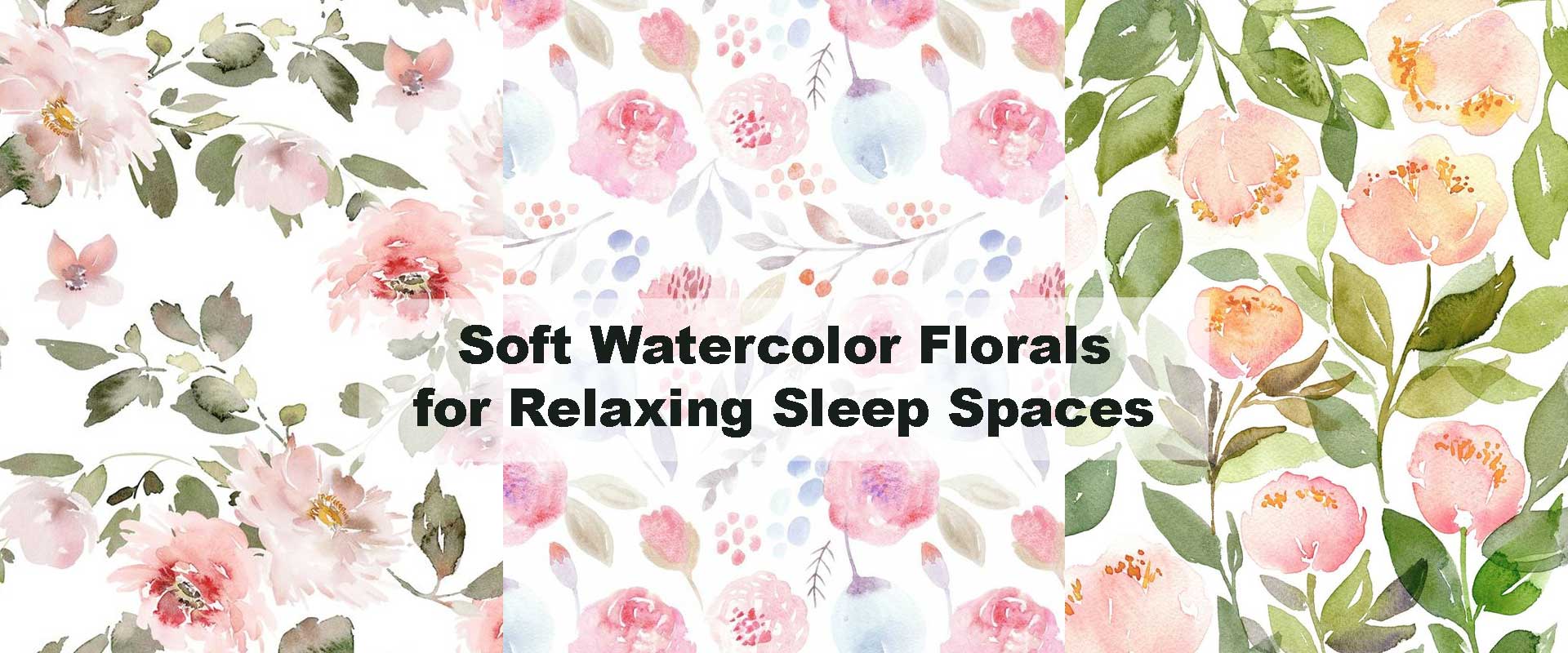
Soft watercolor floral wallpapers create the kind of calm that every bedroom deserves. Their delicate brushwork, pastel tones, and organic flow transform ordinary rooms into restful sanctuaries. Using soft watercolor floral wallpaper allows natural artistry to guide the mood — one that invites serenity, warmth, and slow moments of peace.
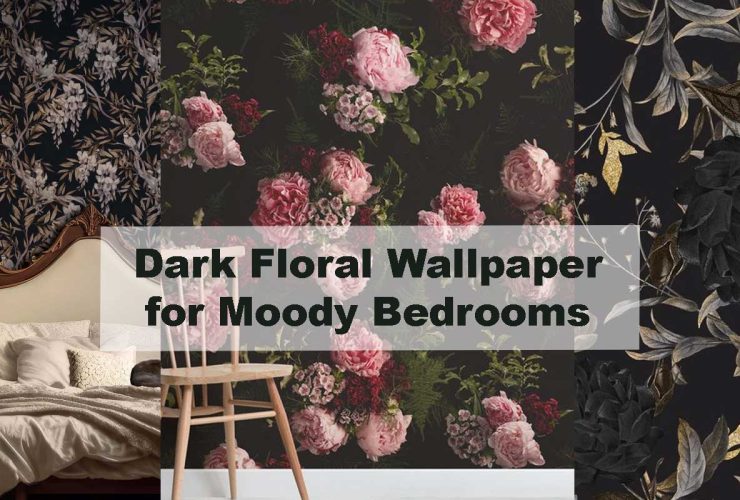
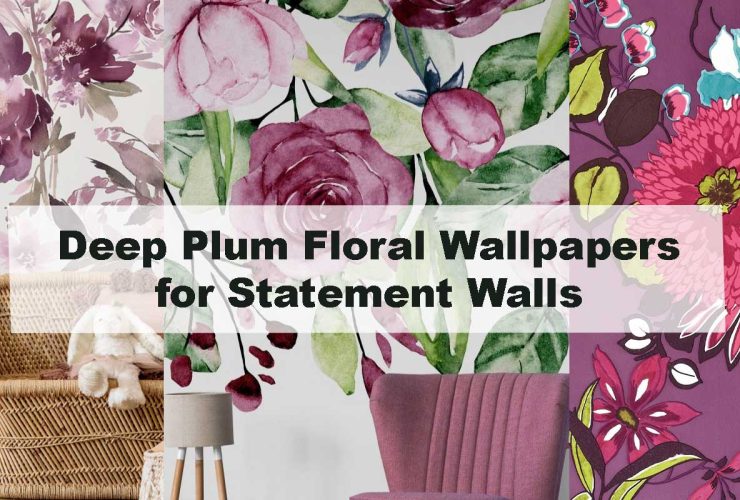
Whether you prefer muted botanicals or flowing watercolor blooms, these patterns offer a restful balance that encourages deeper sleep and lighter mornings. Pairing this look with wooden furniture or cream textiles further enhances its tranquil charm, creating a space that feels soft both visually and emotionally. For added inspiration, you can see how subtle tones uplift intimate settings in Romantic Floral Wallpapers for Couples.
Why Watercolor Florals Feel So Calming
Unlike bold graphic prints, watercolor florals bring a sense of light movement to walls. The gradients of color and gentle fading mimic the rhythm of nature — like petals dissolving in morning light. This soft motion naturally soothes the eye, reducing visual noise and helping your mind unwind.
Soft watercolor floral wallpaper designs are especially loved for bedrooms because they promote psychological relaxation. Pale pinks, lavender mists, or mint greens often evoke associations with air, water, and dawn — natural cues for the brain to rest. When combined with minimalist decor, these florals create a cocoon of comfort ideal for evening retreat.
Patterns like subtle hydrangeas or hand-painted peonies on off-white backgrounds, such as those in our floral wallpaper collection, are excellent choices for crafting harmony between art and atmosphere. Similar ideas appear beautifully expressed in Floral Wallpaper Ideas for Cozy Bedrooms, where soft pastels bring soothing warmth to sleep spaces.
Choosing the Right Palette for Sleep
Color psychology plays a powerful role in bedroom design. Soft watercolor florals often work best when they remain within a pastel range — hues that mimic natural light and fade seamlessly into the wall. Think of gentle lilac, faded sky blue, or pale blush tones that quiet the space rather than energize it.
For smaller bedrooms, opt for light backgrounds that open up the visual field. White floral wallpapers and pale watercolor greens amplify light while keeping the room airy and fresh. On the other hand, if you prefer warmth and intimacy, taupe, sand, and rosewater shades create an enveloping calm that feels cozy without heaviness.
Texture also matters — matte or linen finishes pair beautifully with watercolor designs, maintaining softness across both sight and touch.
Pairing Watercolor Florals with Furniture & Textiles
Harmony defines restful spaces. Choose wooden bed frames, soft linen bedding, and warm lighting to enhance the watercolor aesthetic. The softness of the walls should flow through every layer of the decor. Avoid high contrast or shiny metals; instead, embrace materials that feel organic.
Consider mixing watercolor floral wallpaper with sheer curtains and woven rugs to create continuity in tone and texture. A pale sage wallpaper with delicate wildflowers can look exquisite behind a rattan headboard or paired with a neutral jute rug. For added dimension, blend in one subtle accent color from the wallpaper — like soft coral cushions or faded gold lampshades — to tie everything together.
Designs like blue floral wallpapers or blush-toned watercolor peonies infuse charm without cluttering the senses, making the bedroom an effortless space for sleep and reflection.
Balancing Light and Shadow in Watercolor Designs
Lighting deeply influences how watercolor florals appear. Natural light during the day enhances their fluid brushwork, while warm evening lamps soften contrasts. Bedrooms facing east benefit from soft pinks and creams that glow gently at dawn. West-facing rooms, on the other hand, can handle slightly cooler tones like silver-blue or lilac to balance golden light.
Positioning your wallpaper strategically — perhaps on the wall opposite your window — can allow the shifting daylight to animate the patterns subtly. This gentle interaction between light and art enhances the immersive calm watercolor florals are known for.
If your sleep space lacks sunlight, opt for warmer tones in your wallpaper’s palette — peach, honey, or blush will add a quiet glow even under low light.
Soft Watercolor Florals in Different Bedroom Styles
1. Modern Minimalist Bedrooms
In minimalist settings, soft watercolor florals act as gentle art pieces. Their natural asymmetry adds soul to otherwise clean, structured spaces. Use a single feature wall — perhaps behind the bed — for an elegant, gallery-like effect.
2. Cottagecore and Vintage Retreats
Soft watercolor designs easily complement vintage furniture, lace bedding, and rustic accents. Try vintage floral wallpapers in washed rose or cream tones to build a nostalgic and restful charm reminiscent of countryside mornings.
3. Contemporary Urban Bedrooms
Even sleek apartments can embrace this aesthetic. Soft watercolor magnolias or abstract blooms pair beautifully with light oak furniture, giving balance between artistic softness and urban simplicity. The style adds an emotional warmth to modern geometry.
4. Romantic Suites
To create intimacy, pair blush or lavender watercolor florals with dimmed sconces and velvet accents. The blurred brushwork symbolizes softness — perfect for setting a tender, loving tone in shared bedrooms.
How to Use Watercolor Florals in Small Bedrooms
When space is limited, visual lightness is key. Large, detailed florals may overwhelm compact rooms, but watercolor patterns — with their diffused edges — maintain openness. Use one statement wall to add personality without clutter. Complement the pattern with pale furnishings and translucent fabrics that continue the theme of softness.
Designs like bedroom floral wallpapers are crafted for this very balance — ensuring the beauty of florals without compromising calmness or space efficiency. Soft watercolor motifs can even make ceilings appear higher when patterns are vertically aligned. These principles align closely with the approach shared in How to Choose Floral Wallpaper for Small Bedrooms, where balanced tones and scale guide design harmony.
Combining Watercolor Florals with Other Patterns
Mixing patterns requires delicacy, much like watercolor itself. The trick is maintaining tonal unity. Pair watercolor florals with stripes, checks, or even subtle geometrics in complementary hues. For example, soft grey florals work beautifully with pale pinstripes in ivory, while dusty pink florals blend harmoniously with woven textures.
Keeping one dominant pattern (the wallpaper) ensures the eye rests naturally without confusion. Accent cushions, throws, or artwork can echo the same palette to strengthen continuity.
Maintaining Timeless Elegance
Soft watercolor floral wallpapers remain timeless because they evoke craftsmanship and artistry. They are not trend-dependent — their appeal comes from emotional resonance. In today’s fast-paced design world, their gentle rhythm brings balance and permanence.
Even as design preferences evolve, watercolor florals adapt effortlessly. They can align with modern decor, romantic interiors, or minimalist layouts, making them one of the most versatile wallpaper styles for bedrooms.
FAQs About Soft Watercolor Floral Wallpaper
1. Are watercolor floral wallpapers good for sleep spaces?
Yes. Their soothing colors and blurred forms reduce stimulation, helping create a calming environment conducive to better rest.
2. Which colors work best for relaxation?
Pale blues, soft lavenders, blush pinks, and muted greens promote tranquility. These tones mirror nature’s gentlest light transitions.
3. Can I use watercolor floral wallpaper in a small bedroom?
Absolutely. Their diffused patterns visually expand the space without harsh contrasts, making small rooms feel larger.
4. How can I style furniture with watercolor florals?
Stick to soft, natural textures — linen, cotton, wood, and matte metals — to maintain harmony with the wallpaper’s airy tone.
5. Are watercolor florals a passing trend?
No. They’re timeless, offering a painterly elegance that remains relevant across decades of interior design.
Conclusion
A bedroom adorned with soft watercolor floral wallpaper is more than just aesthetically pleasing — it’s emotionally restorative. These gentle hues and painterly strokes transform sleep spaces into quiet sanctuaries of peace and grace. Whether paired with linen textures, neutral furniture, or natural light, watercolor florals always radiate calm.
To find inspiration that fits your personal mood, explore soothing patterns like aesthetic floral wallpapers or timeless pieces from the floral wallpaper collection. Every pattern brings a touch of artistry to your nightly retreat — where beauty softly fades into rest.