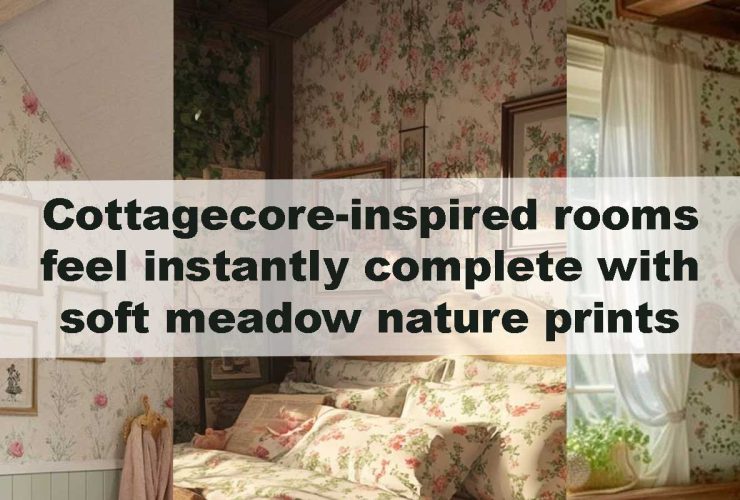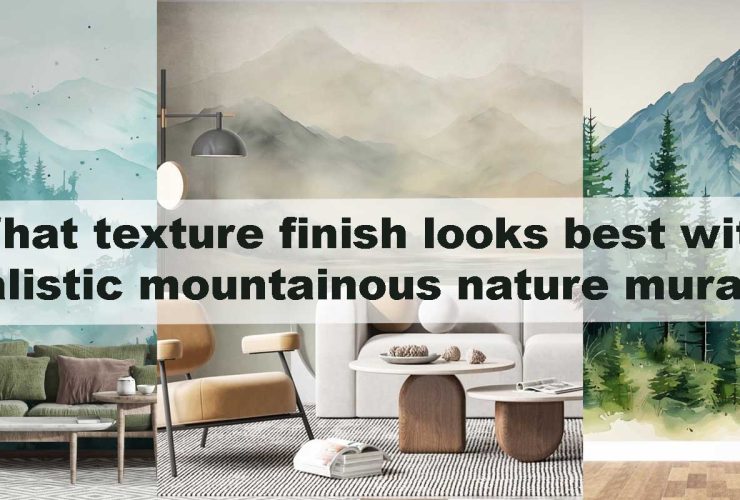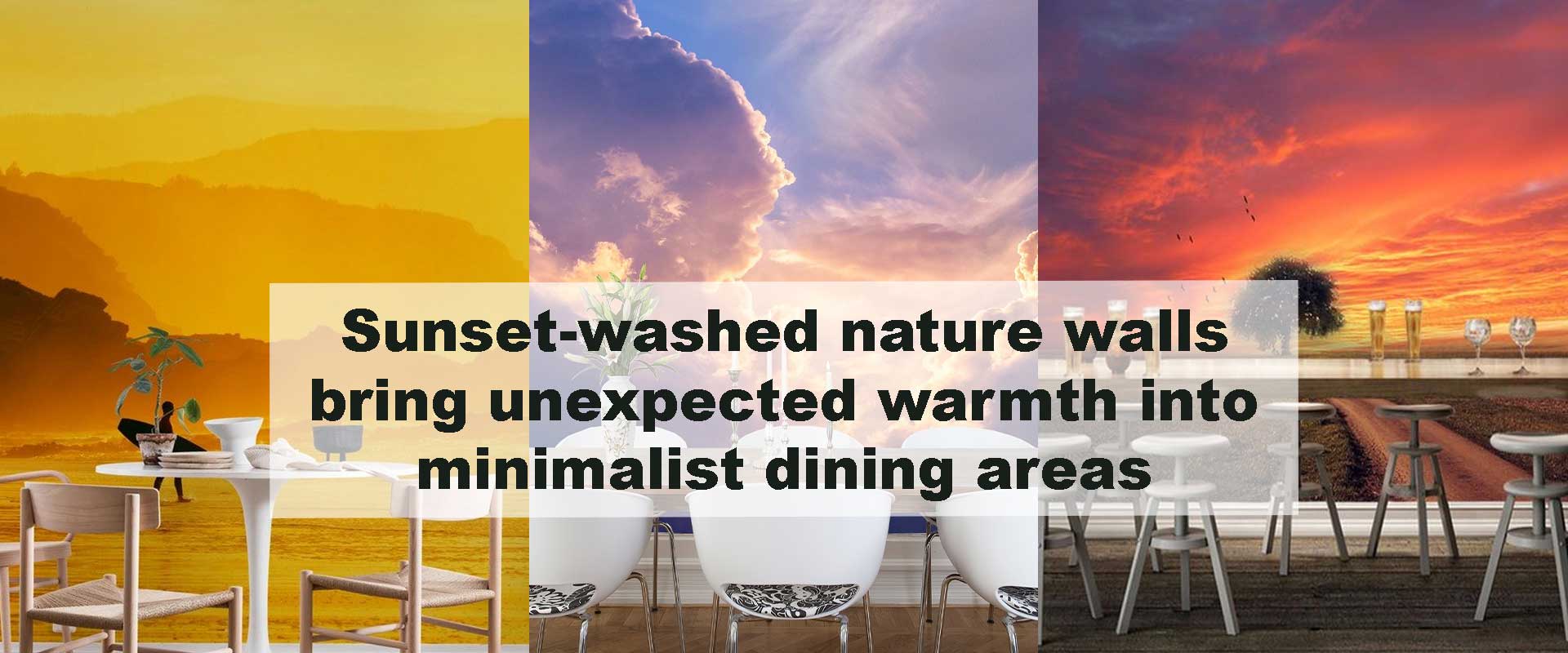
Sunset-washed nature walls bring unexpected warmth into minimalist dining areas
Soft, sunset-washed nature walls have become a quiet favorite in minimalist dining interiors because they introduce an emotional glow without breaking the clean lines that define the space. As warm gradients move from coral to amber, the room feels instantly more grounded, and this change becomes even more expressive when paired with gentle textures similar to those found in Nature wallpaper. Homeowners often prefer this palette because it lifts evening meals with subtle warmth while keeping clutter at bay, offering a perfect balance of serenity and visual depth.
Minimalist dining rooms sometimes risk feeling stark, especially during late hours when natural light fades. Sunset tones solve this by acting as a built-in atmospheric dimmer, influencing how shadows play, how wood furniture appears, and how reflective surfaces soften. These twilight-inspired murals create calm transition zones between kitchen and living areas, allowing the dining space to glow with a warm, inviting identity.
Even subtle themes—soft hills, blurred lakes, and long horizon lines—can shift the mood. Rooms that incorporate gentle gradients often feel enveloped in a slow-moving landscape, making meals feel quieter and more meaningful. Sunset-washed palettes work especially well alongside pale linens and unpolished ceramics, where warm hues intensify subtle details that might otherwise stay unnoticed.
Why Sunset-Washed Nature Walls Work So Well in Minimalist Dining Rooms
Warm gradients offer a sense of depth that minimalist layouts typically lack. By introducing light-to-dark transitions, a flat dining wall begins to read as a slow-moving scene rather than a static surface, giving the space quiet fluidity. Sunset hues also flatter natural materials, especially oak, rattan, and stone. When light hits these surfaces, their undertones come to life, creating visual harmony across the room.
Many homeowners find that sunset palettes make the dining area feel more personal without adding décor pieces. Instead of extra objects filling the space, the mural itself becomes a soft emotional anchor. This principle aligns with insights mentioned in Interior designers are leaning toward panoramic nature murals to build visual depth this year —a topic that highlights how scale and scenery bring calm breadth to rooms through transitional gradients.
When minimalist interiors rely on few elements, every detail matters. A sunset-washed wall provides mood, softness, and warmth while staying loyal to the dining room’s clean aesthetic. The mural becomes the single expressive gesture that defines the entire space.
The Emotional Effect of Twilight-Inspired Gradients in Dining Spaces
Sunset scenery has a naturally calming rhythm. Even illustrated or watercolor versions mimic the gentle descent of the day, which encourages relaxation during evening meals. Soft gradients reduce visual tension, making the room feel welcoming even when lit only by candlelight or a single pendant lamp.
Minimalist spaces thrive when colors feel intentional rather than decorative, and sunset tones achieve that by being atmospheric rather than busy. The blurred boundaries of light replicate the outdoors’ natural dimming, which helps the room feel alive and connected to nature.
These qualities echo the sense of warmth referenced in Lake-reflection nature wall mural tones create a soft evening ambience in master spaces, where layered light creates a gentle nighttime mood. In dining rooms, these effects become social—they encourage slower meals, softer conversations, and lingering moments.
How Color Temperature Shapes Sunset Murals in Minimalist Dining Areas
Color temperature is a quiet but powerful tool in setting the room’s emotional rhythm. Most sunset-washed murals blend warm tones—apricot, terracotta, soft rose, muted gold—each affecting the space differently.
Warm tones offset the coolness often found in minimalist layouts. Even matte black chairs and stainless-steel accents feel softer when placed against sunset gradients because the wall color compensates for metallic coolness. This synergy becomes more striking when natural textures, such as linen runners or stoneware, amplify the warmth through their earthy undertones.
Lighting plays a crucial role here. Soft white or warm white bulbs can shift the mural’s mood dramatically, reinforcing or softening the sunset effect. This interaction mirrors principles highlighted in How does lighting temperature influence the mood of forest-themed nature wallpaper?, where interior ambiance evolves based on the color cast of the light source.
Design Pairings That Strengthen the Warmth of Sunset-Washed Nature Walls
Sunset-washed murals thrive when paired with materials and finishes that echo their warmth or contrast their glow with quiet sophistication. In minimalist dining spaces, the goal is to build harmony without adding clutter, allowing the mural to carry emotional strength while the room maintains clean edges and calm rhythm.
Pairing with Light Woods
Oak, birch, ash, and light maple naturally respond to warm color gradients because the golden undertones in the wood resonate with the mural’s twilight palette. When placed together, the dining room feels instantly more grounded, almost as if the warmth of the setting sun is soaking into the grain itself. Minimalist interiors—where wood surfaces are often celebrated for their purity—benefit immensely from this pairing, since the mural elevates the material’s character without adding visual weight. Even simple wooden chairs or a streamlined dining table feel more expressive under the soft glow.
Pairing with Matte Black Accents
Matte black provides the perfect counterbalance to sunset hues. Its velvety depth grounds the dining room, offering a sculptural contrast that feels refined rather than bold. Thin-framed chairs, linear pendant lights, and minimalist shelving in matte black seem to soften against the warm wall, creating silhouettes that feel intentional and elegantly understated. This interplay of dark accents against warm gradients enhances the room’s modern clarity while keeping the atmosphere inviting.
Pairing with Textured Neutrals
Linen, cotton, wool blends, natural fiber runners, stone ceramics, and jute textures introduce quiet tactility that harmonizes beautifully with the softness of a sunset-washed wall. These materials bridge the warmth of the mural with the cool restraint of minimalist furniture, helping the room feel layered without appearing decorated. Textured neutrals also diffuse light gently, ensuring that the warm glow of the mural remains the emotional center of the space.
Pairing with Simple Centerpieces
Minimalist dining rooms depend on thoughtful restraint, and sunset murals reward that approach. A single ceramic vase, a slender branch, or a subtle arrangement of dried stems becomes more expressive when placed against the mural’s amber and coral tones. These quiet gestures bring life to the dining table without distracting from the wall, reinforcing the room’s calm, balanced character. Simplicity becomes a strength when every element feels intentionally aligned with the mural’s warmth.
Choosing the Right Nature Wallpaper Style for Sunset Effects
Sunset-inspired walls don’t need to depict a literal sky to deliver evening warmth. Many homeowners prefer abstract blends, soft-edged horizons, or nature-driven gradients that evoke twilight’s emotion without overwhelming the minimalist setting. The right choice depends on room size, architecture, and the level of visual softness you want to achieve.
1. Watercolor Landscapes
Watercolor murals offer a fluid, painterly calm that suits minimalist dining rooms where crisp lines and structural geometry dominate. The soft diffusion of color creates a translucent wash of warmth that instantly relaxes the space. These murals feel almost weightless, allowing the room to maintain openness while still enjoying gentle mood shifts. Similar diffused transitions can be found in Watercolor nature wallpaper, where gradients drift seamlessly across the wall, supporting an airy dining atmosphere.
2. Mountain Horizons
Soft mountain silhouettes washed in sunset light introduce quiet drama without disrupting minimalism. Their layered shapes stretch the dining room visually, encouraging a sense of distance and breath. This horizontal flow complements modern dining layouts, especially long tables or linear lighting. Designs with a similar effect appear in Mountain nature wallpaper, where the calm depth of distant peaks brings emotional stillness and structure to the space.
3. Forest Silhouettes
Forest silhouettes warmed by twilight gradients bring gentle vertical movement that softens minimalist architecture. Their abstract outlines add texture without clutter, making them ideal for dim-lit dining corners or narrow rooms that need a lift. The vertical rhythm echoes natural growth, subtly grounding the space while keeping the composition quiet. Comparable tonal layering appears in Forest nature wallpaper, where soft transitions create a sense of calm closeness to nature.
4. Landscape Scenes
Wide plains, lakeside views, and rolling hills provide emotional distance that expands the dining area visually. These scenes stretch the eye horizontally, encouraging the room to feel open, steady, and restful. Because the imagery remains gentle, it never disrupts minimalist lines; instead, it adds a quiet narrative flow that enriches the dining experience.
How Sunset-Washed Murals Improve Small or Narrow Dining Areas
Minimalist homes often include compact dining corners or slender alcoves that struggle with natural light, leaving the space feeling compressed or visually flat. Sunset-washed murals correct this instantly by introducing a built-in glow—soft, radiant warmth that replaces the stillness of plain walls. Even the gentlest blend of apricot or muted coral lifts the entire room, giving it the sense of quiet brightness that small spaces rarely achieve on their own.
Warm color transitions naturally push boundaries outward. Because the tones fade gradually across the wall, the eye perceives the surface as wider and more open, allowing narrow dining areas to feel broader and less confined. This optical expansion is emotional as much as visual—homeowners often find that one warm, gradient-driven wall becomes an all-day mood enhancer, adding softness without additional décor or objects.
Horizontal sunset scenes are especially powerful in compact dining zones. Their long, stretched light bands guide the eye from side to side, giving the impression of a wider dining footprint. Within minimalist layouts, where too many elements disrupt clarity, this single expressive feature becomes the defining layer of warmth that reshapes the room without complicating it.
Creating a Dining Atmosphere That Encourages Connection
Comfortable dining spaces feel unhurried, and sunset-washed murals naturally set that pace. Their soft radiance blends with evening lighting—pendants, sconces, candlelight—creating an atmosphere that feels intentionally calm. As warm tones deepen with nightfall, the mural behaves almost like a gentle dimmer, softening the room’s edges and encouraging slow, lingering meals.
This glow creates a sense of refuge, subtly hugging the dining area with warmth. Minimalist dining rooms, which sometimes risk feeling too open or emotionally neutral, regain intimacy through the warm gradients of a sunset wall. Each tone shift becomes part of the dining ritual, helping people settle in, speak softly, and stay longer at the table.
Because the mural sets the emotional tone, furniture can remain minimal without the room feeling unfinished. A quiet feature wall with warm twilight hues does the emotional lifting, allowing the space to feel complete, expressive, and balanced—without relying on extra décor pieces.
How to Balance Minimalism and Warmth Without Adding Clutter
Minimalist dining rooms depend on clarity, and the shift toward warmth must be intentional rather than decorative. Sunset-washed murals excel at this balance because they serve as both art and atmosphere—a single installation that carries the emotional depth of the entire space.
Instead of layering accessories, homeowners can maintain clean surfaces while still achieving a vivid sense of mood. The mural becomes the expressive gesture, giving the dining area color, glow, and texture without adding objects that disrupt simplicity. Plates, table settings, and even the empty negative space feel more meaningful when framed by warm gradients.
This equilibrium—warmth without weight—is exactly why sunset murals integrate seamlessly into minimalist design. They honor the philosophy of “less,” yet give more through tone, softness, and emotional presence. The result is a dining space that feels refined, uncluttered, and quietly luxurious.
Comparing Sunset-Washed Wallpapers: A Quick Overview
| Feature | Watercolor Styles | Mountain Horizons | Forest Silhouettes | Landscape Scenes |
|---|---|---|---|---|
| Mood | Soft & dreamy | Calm drama | Grounded warmth | Open & airy |
| Best for | Small or bright rooms | Medium spaces needing depth | Dim-lit dining areas | Wide dining walls |
| Visual Movement | Gentle flow | Layered distance | Subtle vertical rhythm | Horizontal expansion |
| Works With | Light neutrals | Matte black metal | Natural textures | Wooden furniture |
How Minimalist Dining Lighting Enhances the Mural’s Warmth
Lighting shapes the entire personality of a sunset-washed mural, turning a simple gradient into a living backdrop that shifts with the rhythm of the day. In minimalist dining rooms—where every detail must earn its presence—light becomes the quiet partner that helps the mural reach its full emotional depth. The same wall can read airy, glowing, or deeply intimate depending on how illumination touches the warm pigments.
During the Day
Natural daylight draws out the mural’s higher, gentler hues—soft peach, pale rose, and muted gold. As sunbeams move across the surface, these tones brighten the dining room and create an uplifting atmosphere that feels clean and weightless. In minimal interiors, this daylight interaction prevents the space from feeling stark, allowing the wall to act as a soft lens that diffuses brightness into a warm, inviting glow.
Evening Hours
As sunlight fades, artificial lighting becomes the storyteller. Warm bulbs enrich the deeper portions of the gradient—rust, auburn, coral—adding emotional depth to the room. This evening interplay wraps the dining area in a gentle cocoon, turning mealtimes into lingering, intimate moments. The warmth softens edges, settles the room visually, and harmonizes effortlessly with natural materials like wood, stone, and linen.
Candlelight
Nothing complements a sunset mural quite like candlelight. The soft flicker travels across the surface in delicate waves, activating movement within the gradient and giving the impression of shifting twilight. This dynamic glow introduces a romantic, almost meditative quality to the dining space. Each flame adds a subtle shimmer that makes the mural feel alive—quietly breathing warmth into the minimalist architecture without overwhelming its simplicity.
Integrating Sunset Murals with Minimalist Dining Layouts
Minimalist dining rooms thrive on intention, and every decision must feel purposeful. Sunset-washed nature murals support this philosophy beautifully because they add emotional warmth without interrupting the clarity that defines the space. Their soft gradients act like a quiet visual conversation—present, expressive, and serene, but never intrusive.
Selecting one feature wall is essential. The wall behind the dining table typically works best because it naturally frames seated gatherings and becomes the atmospheric anchor of the room. When the mural remains uninterrupted by shelving, art, or added décor, its warm blend of tones can unfold gracefully, delivering the kind of quiet sophistication minimalism values. This uninterrupted backdrop also enhances evening dining moments when subtle lighting brushes over the gradient, deepening its gentle glow.
Furniture should echo the mural’s softness. Clean silhouettes, tactile materials, and restrained color palettes ensure the room maintains its sense of airiness. A single sculptural bowl, a slender candle, or a modest ceramic vase becomes more meaningful against the warm twilight tones, standing out with understated elegance instead of competing for attention. With fewer elements in play, the dining room feels organized, intentional, and emotionally grounded—proof that a minimalist layout can still feel richly expressive when the right mural sets the tone.
Common Mistakes to Avoid When Using Sunset Nature Murals
Avoiding a few common missteps ensures the mural enhances rather than complicates the room’s atmosphere.
- Choosing overly detailed artwork can disrupt minimalist balance. Busy prints introduce too much visual movement, while soft gradients maintain calm flow and work naturally with pared-back interiors.
- Filling the space with too many warm accents may tip the palette into heaviness. Sunset murals already establish a warm foundation, so complementing them with cooler neutrals, soft blacks, or muted whites keeps the room visually breathable.
- Mixing multiple scenic themes in one zone can dilute the calm rhythm of the dining space. A single sunset scene is most effective when treated as the clear focal point.
- Using cool lighting unintentionally may flatten the warmth of the mural. Sunset tones respond best to warm or soft-white lighting that enhances their glow and preserves their evening-inspired character.
Small decisions shape the whole room in minimalist design, so these adjustments ensure the mural feels effortless and cohesive.
Enhancing Visual Serenity Through Horizon-Based Scenes
Horizon-led sunset murals carry an emotional clarity that suits minimalist dining rooms exceptionally well. Their long, steady lines subtly guide the eye outward, encouraging the space to feel more expansive and grounded. This gentle visual direction widens narrow dining areas and helps calm the overall atmosphere, much like a slow exhale across the wall.
These low horizons echo the horizontal silhouettes commonly found in modern furniture—rectangular tables, slim benches, linear lighting—creating a natural alignment between architecture and artwork. When the shapes in the room mirror the movement of the mural, the entire space feels unified, centered, and composed.
This quiet harmony is what gives sunset-washed dining areas their signature glow. The warm gradient softens the structure of the room, the horizon stabilizes it, and the overall composition delivers polished intimacy without relying on extra décor. It’s minimalism at its warmest—simple, intentional, and deeply soothing.
When to Choose Watercolor vs. Photographic Sunset Wallpapers
Selecting between watercolor and photographic sunset murals depends on how you want the dining room to feel as much as how you want it to look. Both styles create warmth, but they communicate it differently, shaping the entire atmosphere of a minimalist dining area.
Watercolor Murals
Watercolor sunset murals bring a soft, painterly glow that feels effortless in minimal interiors. Their gentle washes of coral, apricot, and muted rose blur into one another, giving the dining space a serene drift of color. Because watercolors avoid hard lines and defined shadows, they never overpower clean architecture; instead, they soften it. This makes them especially effective in smaller rooms where visual spaciousness matters, letting the wall feel like a gentle backdrop rather than a dominant picture. Their diffused edges also pair beautifully with ultra-minimal furniture, creating a calming field of color that supports rather than competes with the simplicity of the space.
Photographic Murals
Photographic sunset murals, by contrast, deliver clarity and depth. They introduce a sense of realism—rolling hills, reflective waterlines, or glowing twilight skies—that can turn a minimalist dining wall into a cinematic focal point. The crispness of the imagery invites the eye to travel further into the scene, making larger dining rooms feel even more expansive. These murals respond exceptionally well to sculptural lighting, which enhances reflected highlights and deepens the shadows captured in the landscape. For homeowners who want a slightly more dramatic dining atmosphere without losing minimalist balance, photographic sunsets offer an emotionally resonant yet structured statement.
Understanding how each mural type interacts with your room size, lighting, and furniture ensures the wall’s warmth complements the space rather than overwhelming it. Watercolor tones offer fluid subtlety; photographic scenes bring defined presence—both powerful in their own way.
How Sunset Murals Interact With Dining Furniture Shapes
Furniture shape deeply influences how a sunset gradient reads within a minimalist dining layout. Because the mural acts as a visual anchor, the curves and lines of furniture either amplify or soften the wall’s warmth.
Round dining tables introduce gentle movement that mirrors the mural’s flow. Their curved edges reduce sharp geometry and help the sunset wall feel more fluid, almost echoing the softness of evening light settling across the space. When placed near a watercolor-style mural, the combination feels organic, quiet, and beautifully cohesive.
Rectangular tables, on the other hand, emphasize the mural’s horizon lines. Their linear form strengthens the sense of width across the warm sky, making the dining area appear more grounded and architecturally measured. This pairing works especially well with photographic scenes, where defined horizons play an essential compositional role.
Chairs also shape perception. Slim silhouettes—thin metal frames, Scandinavian-style wood profiles, or minimal upholstered seats—maintain visual breathing room so the sunset gradient remains the star. Oversized or bulky seating may feel heavy against the softness of the mural, disrupting its atmospheric quality. In minimalist dining rooms, cleaner shapes keep the gradient uninterrupted and allow its warmth to settle naturally into the space.
Why Sunset Murals Are Becoming a Top Choice for Minimalist Dining Renovations
Sunset nature murals are rising in popularity because they solve a core design challenge: how to bring emotional warmth into a minimalist dining space without adding unnecessary objects. Instead of relying on accessories, layered décor, or intense lighting changes, homeowners can transform the room’s entire atmosphere through one intentional feature wall.
These murals introduce softness, depth, and color in a single gesture. Warm tones shift how wood looks, how shadows fall, and how evening meals feel—all without cluttering surfaces. Renovation projects that once required new furniture or additional lighting now achieve their desired mood simply through the right nature mural.
Another reason for their growing demand is timelessness. Sunset palettes never feel trendy; they hold a universal familiarity rooted in natural rhythm. Whether used in a newly built modern home or a renovated urban apartment, their emotional appeal—calmness, warmth, reflection—remains steady across changing design cycles.
Because sunset-washed walls effortlessly bridge the gap between minimalism and comfort, they have become one of the most reliable ways to update a dining room with atmosphere, elegance, and intention. They elevate the space instantly, turning simple meals into warm, grounding moments—without compromising the clarity and restraint that minimalism celebrates.
Conclusion
Sunset-washed nature walls bring a gentle, emotional glow that perfectly complements minimalist dining environments. Their soft gradients introduce warmth, depth, and connection without adding clutter or disrupting clean architectural lines. Whether choosing watercolor, mountain, forest, or lake scenes, these murals create an inviting space that feels personal and soothing. Sunset tones also enhance natural materials and evening lighting, helping dining areas feel grounded, serene, and beautifully cohesive.
When paired with thoughtful lighting and purposeful furniture choices, these twilight-inspired murals can reshape the entire dining experience. They act as a warm visual anchor, encouraging unhurried meals and intimate connection—all while keeping the simplicity and clarity that minimalist design celebrates.
FAQ
1. Do sunset-washed murals work in small dining rooms?
Yes. Their warm gradients visually widen the space, making small dining corners feel more open and inviting.
2. Are they suitable for modern minimalist interiors?
Absolutely. Sunset murals enhance minimalism by adding emotional warmth without clutter or extra décor.
3. Which furniture works best with sunset nature walls?
Light woods, matte black accents, and clean-lined furniture pair beautifully with warm gradients, enriching the overall dining mood.
4. Will sunset murals clash with cooler color palettes?
Not if balanced thoughtfully. Cool whites, greys, and blacks provide contrast that makes sunset tones glow more vividly.
5. Do these murals look good with pendant lighting?
Yes. Pendant lights create soft highlight zones across the mural, enhancing the warmth and mood of the dining area.