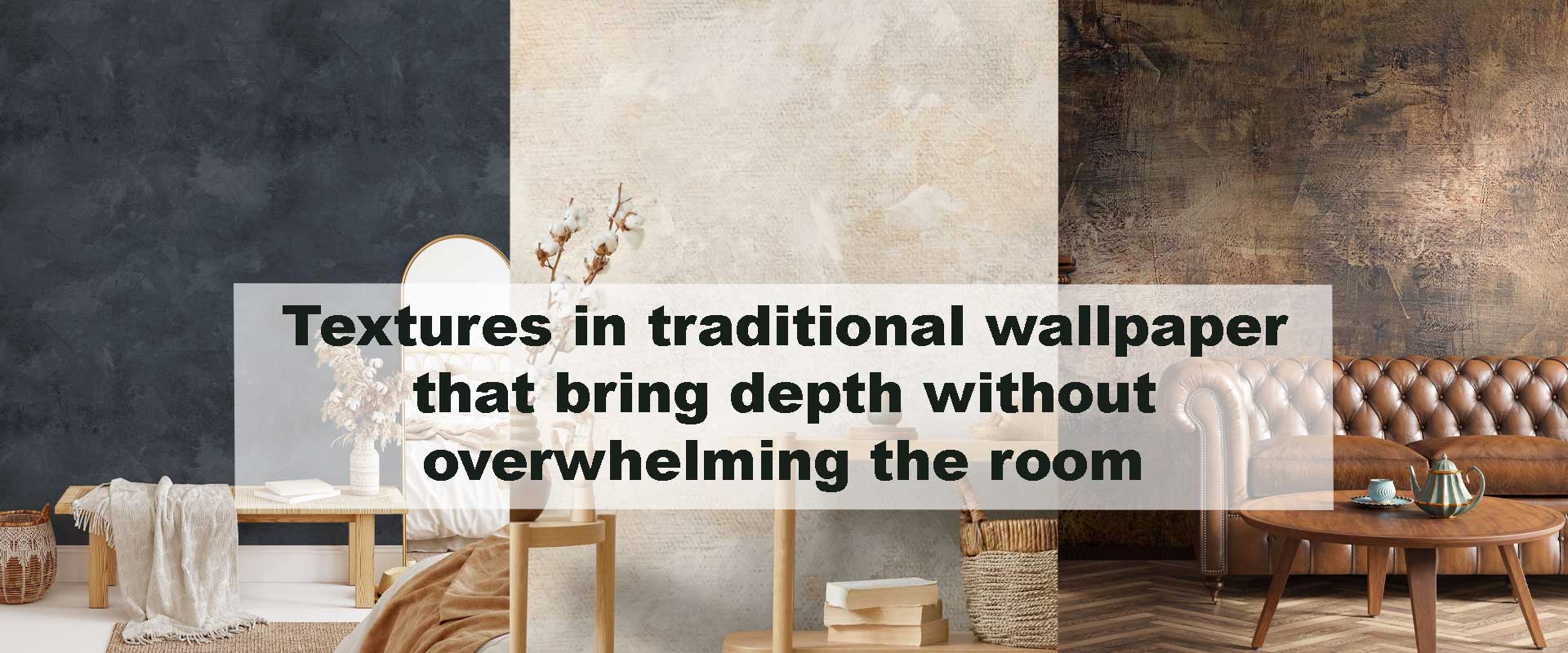
Textures in traditional wallpaper that bring depth without overwhelming the room
Bold patterns often get the spotlight, but it’s texture that quietly shapes how a space truly feels. When chosen thoughtfully, textures in traditional wallpaper can introduce depth, softness, and visual richness without making a room feel heavy or crowded. The beauty lies in restraint—subtle raised details, gentle pattern movement, and tone-on-tone finishes that reward a closer look. For homeowners seeking timeless interiors, textured traditional wallpaper offers a way to add character while preserving calm. Understanding which textures work best, and how to balance them, helps create rooms that feel layered, elegant, and effortlessly welcoming.
Why Texture Matters More Than Pattern in Traditional Spaces
Traditional interiors rely on harmony rather than spectacle. While ornate motifs have their place, texture often does more emotional work than bold pattern. Soft reliefs, woven effects, and lightly embossed surfaces interact with light throughout the day, creating gentle shadow play that makes walls feel alive rather than flat.
Texture also bridges old and new. In spaces with classic furniture lines, moldings, or heritage details, textured wallpaper adds depth without competing for attention. This approach allows walls to support the room’s story instead of dominating it, which is why textured finishes are a hallmark of enduring design rather than passing trends.
Embossed Damask Textures: Depth With Discipline
Damask patterns are synonymous with traditional style, but it’s their embossed versions that truly elevate a space. Raised damask textures create dimension while keeping the color palette restrained. Because the pattern often appears in the same tone as the background, the wall feels rich yet controlled.
These wallpapers work beautifully in living rooms and dining areas where you want visual interest without distraction. Light catches the raised motifs differently across the day, offering quiet movement that feels refined. For those exploring heritage-inspired walls, this approach pairs naturally with curated selections from Vintage Wallpaper, where texture often defines elegance more than color.
Linen and Fabric-Effect Wallpapers for Soft Architectural Depth
Fabric-inspired textures are among the most versatile options in traditional wallpaper design. Linen, silk, and woven finishes introduce warmth and tactility without adding visual clutter. Their appeal lies in subtle irregularity—tiny variations that mimic real textiles and soften architectural lines.
These textures excel in rooms that need calm rather than drama. Bedrooms, reading nooks, and formal sitting areas benefit from fabric-effect wallpapers because they absorb light gently. When paired with warm neutrals or muted pastels, the walls feel layered yet breathable, making the space feel composed instead of ornate.
Grasscloth-Inspired Patterns Without the Weight
Traditional grasscloth can sometimes feel too bold or rustic, but grasscloth-inspired wallpapers reinterpret this texture in a more controlled way. Printed or lightly embossed versions capture the linear rhythm of natural fibers while maintaining uniformity and balance.
These designs are ideal for homeowners who appreciate organic texture but want a polished finish. Used sparingly, they add vertical or horizontal movement that subtly reshapes how a room is perceived. This effect works especially well behind classic furniture silhouettes, where texture enhances depth without introducing competing patterns.
Subtle Plaster and Stucco Finishes for Old-World Charm
Plaster-effect wallpapers evoke the quiet charm of aged European interiors. Their beauty lies in imperfection—soft tonal shifts, faint mottling, and hand-applied character recreated in wallpaper form. These finishes bring history into a space without literal ornamentation.
Because plaster textures are visually calm, they suit both small and expansive rooms. They also pair well with traditional architectural details like cornices or wainscoting, allowing walls to feel authentic rather than decorative. When layered with warm lighting, plaster textures create a serene backdrop that feels lived-in and timeless.
Textured Florals That Whisper Rather Than Shout
Floral wallpaper doesn’t have to be bold to be expressive. Textured florals use raised outlines, flocked petals, or embossed vines to create dimension without high contrast. This approach keeps the motif gentle while adding tactile richness.
Such wallpapers are especially effective in spaces that benefit from softness, such as guest rooms or classic sitting areas. The texture adds romance without visual noise, allowing florals to feel elegant rather than overpowering. Many homeowners drawn to this balance find inspiration in curated options like Floral Vintage Wallpaper, where texture refines tradition.
Geometric Texture in Traditional Interiors
Geometry has long been part of classical design language, appearing in architectural details, floor layouts, and ornamental frameworks. In traditional interiors, subtle geometric textures—such as trellis embossing, lattice repeats, or softly structured grids—introduce order and rhythm without sharp edges or visual tension. These patterns rely on symmetry and repetition rather than contrast, allowing them to feel architectural, composed, and quietly refined.
Geometric texture is especially effective in transitional traditional spaces, where classic furniture meets more contemporary elements. When rendered in tone-on-tone palettes, these textures strengthen wall presence without pulling focus. The result is a backdrop that adds structure and depth while allowing furniture, artwork, and decorative layers to remain visually dominant.
How Texture Influences Room Perception
Texture plays a powerful role in how a room is experienced, often more so than color. Fine, low-relief textures tend to visually recede, making walls feel softer and more expansive, while heavier or deeper textures advance, drawing walls closer to the eye. Understanding this relationship helps prevent rooms from feeling cramped or visually heavy.
In smaller spaces, lighter embossed finishes or fabric-like textures introduce interest without compressing the room. In larger interiors, slightly richer textures help walls feel warmer and more intentional, avoiding a flat or empty impression. This careful balance is essential in traditional interiors, where proportion and visual comfort define timeless appeal.
Pairing Textured Wallpaper With Traditional Furniture
Traditional furniture is defined by craftsmanship—carved wood details, graceful curves, and layered finishes that tell a story of heritage and refinement. Textured wallpaper complements these qualities by echoing depth and tactility without mimicking specific motifs. The aim is resonance, not repetition.
A subtly textured wall allows furniture to breathe visually. Antique wood tones appear richer, upholstered pieces feel more grounded, and decorative accents gain clarity against a softly dimensional backdrop. This pairing creates interiors that feel curated and harmonious rather than ornate or overcrowded.
Color Choices That Enhance Texture Without Noise
Color selection plays a crucial role in allowing texture to shine. Neutral and muted hues—such as warm creams, soft taupes, gentle greys, and dusty pastels—highlight texture through light and shadow rather than contrast. These tones keep walls visually active while maintaining a calm, balanced atmosphere.
Deeper shades can also be effective when paired with fine textures, adding intimacy and richness without overwhelming the room. The key is restraint: avoiding sharp color shifts or high-contrast pairings that compete with texture. When color and texture work together quietly, walls gain depth that feels elegant, controlled, and enduring.
Comparing Popular Traditional Wallpaper Textures
| Texture Type | Visual Impact | Best For | Overall Feel |
|---|---|---|---|
| Embossed Damask | Medium | Living rooms, dining spaces | Elegant, formal |
| Fabric-Effect Linen | Low | Bedrooms, sitting rooms | Soft, calming |
| Grasscloth-Inspired | Medium | Feature walls | Organic, refined |
| Plaster-Effect | Low | Hallways, large rooms | Old-world, serene |
| Textured Floral | Medium | Guest rooms | Romantic, classic |
Where Textured Traditional Wallpaper Works Best
Textured traditional wallpaper truly shines in spaces where mood and comfort take priority over bold visual statements. Entryways benefit from gentle texture because it sets a refined tone without overwhelming the first impression, while living rooms gain a sense of completeness as softly layered walls support furniture, artwork, and lighting. In bedrooms, subtle texture adds a cocooning quality, helping the space feel restful, grounded, and quietly elegant rather than decorative for its own sake.
Designers often turn to texture instead of strong pattern when they want longevity. Textural depth reduces visual fatigue, allowing rooms to feel engaging over time without demanding constant attention. This philosophy is echoed in conversations around Timeless damask motifs bringing heritage elegance to modern interiors, where restraint, tone-on-tone detailing, and tactile interest are used to create richness that feels enduring rather than excessive.
Avoiding Common Texture Mistakes
One of the most frequent mistakes with textured wallpaper is over-layering. Combining multiple heavy textures—such as deeply embossed walls alongside ornate fabrics and carved furniture—can cause visual congestion. Traditional interiors benefit from hierarchy, where one textured surface leads and the surrounding elements remain calmer to support it.
Lighting is another critical factor that’s often overlooked. Texture depends on light to reveal its character, and insufficient or poorly positioned lighting can flatten even the most beautiful wallpaper. Thoughtful lighting placement, especially warm ambient sources, allows raised details and tonal variation to emerge naturally, giving the wall its intended depth and presence.
Blending Textured Wallpaper With Modern Elements
Traditional texture pairs remarkably well with modern design elements when handled with balance. Softly textured walls act as a grounding backdrop for clean-lined furniture, minimalist shelving, or contemporary lighting, preventing modern pieces from feeling cold or disconnected. This contrast creates interiors that feel intentional and layered rather than strictly traditional or overtly modern.
This blended approach reflects ongoing design discussions such as How heritage wallpaper brings character to ordinary rental homes, where texture becomes a unifying element. Rather than anchoring a space to one era, textured wallpaper allows different design influences to coexist naturally, adding warmth and continuity across styles.
Choosing the Right Scale of Texture
Texture scale plays a crucial role in maintaining balance. Fine, fabric-like or plaster-inspired textures are well-suited for full-room coverage, as they enrich the walls without drawing attention away from furnishings or architectural details. Bolder embossing and pronounced reliefs are best reserved for feature walls, where they can be appreciated without dominating the space.
Sampling is an essential step in this process. Observing wallpaper panels at different times of day reveals how texture interacts with shifting light conditions. This practice helps ensure the chosen texture feels soothing and dimensional rather than heavy or distracting, resulting in a room that remains comfortable and visually balanced over time.
Conclusion
Textures in traditional wallpaper offer one of the most effective ways to bring depth without overwhelming a room. By focusing on subtle relief, fabric-inspired finishes, and tone-on-tone detailing, walls gain richness that feels timeless rather than trendy. The key lies in balance—choosing textures that support the room’s architecture, furnishings, and light. When thoughtfully selected, textured traditional wallpaper transforms interiors into layered, welcoming spaces that feel elegant, calm, and enduring.
Frequently Asked Questions
Do textured traditional wallpapers make rooms feel smaller?
Not when chosen thoughtfully. Fine embossing, fabric-like finishes, and tone-on-tone textures tend to recede visually, allowing walls to feel layered without closing in the space.
Which textured wallpaper is best for small traditional rooms?
Linen-effect, subtle plaster, and light damask embossing work especially well. These textures add depth through shadow and softness rather than bold contrast.
Can textured wallpaper work with antique furniture?
Yes. Textured wallpaper complements antique furniture by echoing craftsmanship and material richness without competing with carved details or ornate finishes.
Is textured wallpaper harder to decorate around?
Generally no. Because texture often relies on subtle color shifts, it creates a flexible backdrop that pairs easily with classic furnishings, artwork, and layered textiles.
Should textured wallpaper cover all walls or just one?
Both options work depending on the texture’s intensity. Light, fabric-inspired textures suit full-room coverage, while heavier embossing often feels best as a feature wall.
How does lighting affect textured traditional wallpaper?
Lighting enhances texture by revealing depth through highlights and shadows. Warm, diffused lighting typically brings out texture gently, keeping the room calm and balanced.