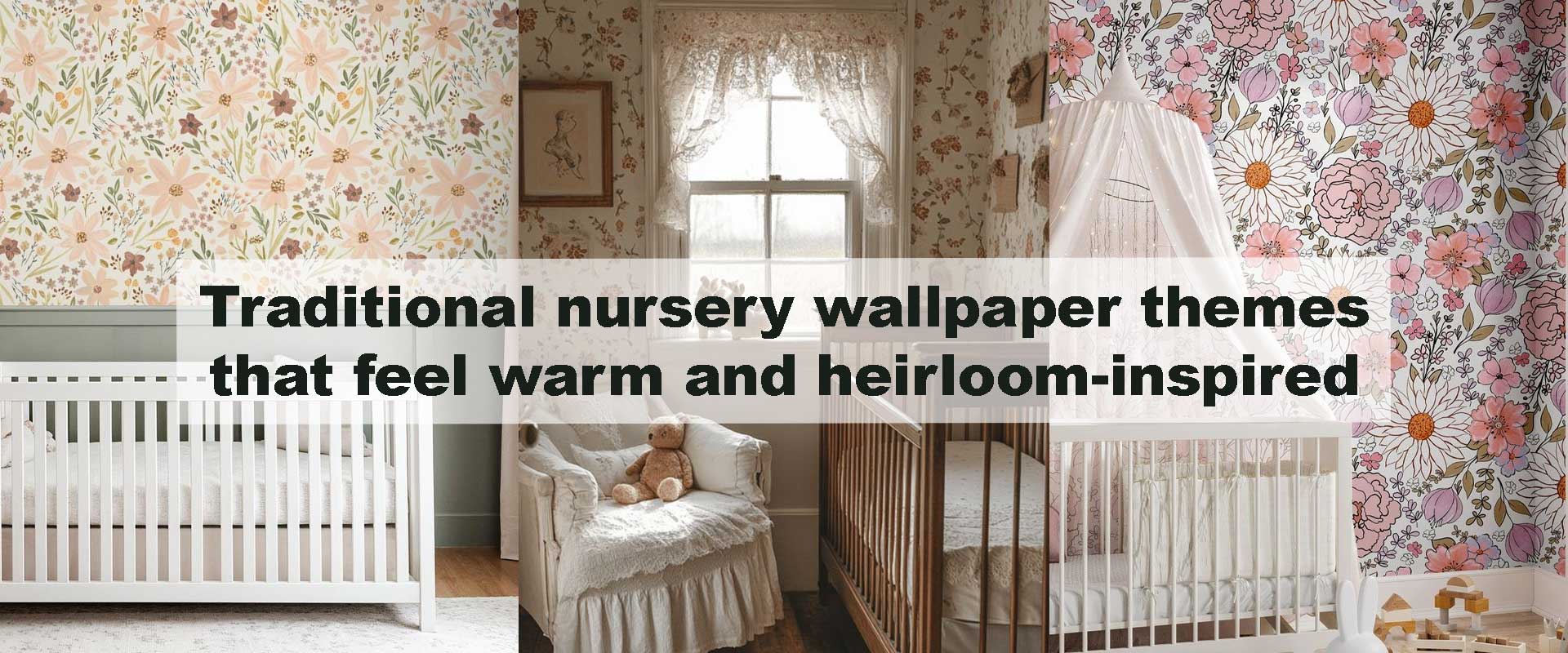
Traditional nursery wallpaper themes that feel warm and heirloom-inspired
Creating a nursery that feels gentle, nurturing, and rooted in family history often begins with the mood set by the walls themselves. Traditional nursery wallpaper themes bring this sense of emotional continuity to life through delicate motifs, soft color palettes, and timeless rhythms that soothe both parents and infants. These designs are not about trends—they are about crafting a room that feels as if it already holds treasured stories, heirlooms, and memories waiting to be passed down. Within the first moment you step inside such a nursery, you sense its calm embrace, shaped by motifs that echo the authenticity of earlier generations.
Traditional themes carry a warmth that feels inherently reassuring. Their charm lies in their small-scale florals, gentle botanicals, toile illustrations, gingham checks, and quiet stripes—motifs that have adorned nurseries for decades without losing their relevance. Many parents find that applying Vintage Wallpaper creates a loving continuity throughout the home, especially when rooms flow into each other with soft historical undertones. This foundation offers not just visual harmony but emotional grounding, allowing the nursery to feel safe and intentional at any time of day.
Part of the appeal of heirloom-inspired nursery wallpaper is how beautifully it blends with natural materials. Handmade quilts, wooden cribs, wicker baskets, embroidered cushions, and vintage toys become storytelling pieces within the space. When paired with calming designs such as Botanical Vintage Wallpaper or soft-textured patterns that mimic handcrafted techniques, the result is a nursery that feels curated with love rather than assembled quickly. That distinction is what gives traditional nursery design its enduring appeal: it feels lived-in, personal, and deeply rooted in comfort.
These design philosophies are echoed in the way classic motifs support emotional calm and visual stillness. Vintage florals, for example, introduce gentle repetition that guides the eye softly rather than stimulating it. Parents often appreciate this effect during late-night feedings or early morning routines, when serene surroundings can subtly reduce sensory strain. This gentle rhythm aligns closely with the nurturing design spirit found in pieces like Vintage floral wallpaper ideas that transform classic living rooms, where soft patterns influence emotional comfort and offer soothing familiarity.
The heirloom aesthetic also appeals to parents seeking longevity. While many modern patterns feel too youthful or too thematic, traditional designs maintain relevance throughout childhood. This enduring appeal mirrors broader interior insights highlighted in Why retro wallpaper is making a dramatic comeback in contemporary homes, where nostalgic motifs adapt gracefully across different stages of life. A nursery rooted in traditional wallpaper themes becomes a room that transitions naturally into toddlerhood and early schooling without visual strain.
Why Traditional Nursery Wallpaper Creates Emotional Warmth
Traditional wallpaper styles have an unmatched ability to evoke comfort. Unlike bold or highly stylized contemporary motifs, classic prints rely on warmth, softness, and gentle detail to shape a nurturing environment. Parents often describe the feeling as “quiet familiarity,” because these motifs resemble handmade fabrics, vintage linens, and cherished keepsakes passed down through generations.
This emotional resonance is carefully woven into every aspect of traditional motifs. Small florals, pastoral toile scenes, or gentle stripes offer structure without introducing tension. They soften harsh corners, balance bold furniture silhouettes, and guide natural light in calming ways. Rooms with heirloom-inspired wallpaper often feel slower, quieter, and more emotionally grounding—qualities that matter deeply during infancy and early childhood.
Many parents also appreciate how traditional wallpaper shapes routines. During bedtime, designs featuring soft illustrations provide a restful backdrop that subtly cues relaxation. During playtime, quiet patterns encourage imagination rather than overstimulation. And during quiet moments, the room’s gentle atmosphere helps reinforce parental intuition, making caregiving feel more fluid and comfortable.
These patterns also tend to age gracefully. While character-themed or hyper-modern designs may lose relevance within a short period, small-scale florals, gingham, botanical sketches, and classic stripes remain beloved for years. Their timelessness ensures that the nursery remains harmonious as the child grows, even through evolving bedding, toys, and décor.
Core Elements of Traditional Nursery Wallpaper
Traditional nursery wallpaper draws from centuries of design history. These themes are time-tested, emotionally warm, and capable of fitting both minimal and richly decorated spaces. Below are the foundational elements that define their charm.
1. Gentle Historical Motifs
Traditional nursery wallpaper frequently features motifs inspired by vintage textiles and handcrafted art. These elements include botanical sketches, toile illustrations, mini florals, and pastoral vignettes. Each motif adds softness to the space, and its subtle repetition supports visual calm.
Parents often choose patterns with small details because they feel soothing rather than high-contrast or overstimulating. For instance, a toile with pastoral animals encourages storytelling and imagination while maintaining a calm tonal balance. Motifs inspired by handwritten sketches or lightly textured surfaces further emphasize the handmade, heirloom quality that traditional nurseries embody.
2. Warm, Soft, and Muted Color Palettes
The colors found in traditional nursery wallpapers typically lean toward warm neutrals, faded pastels, soft greens, dusty blues, buttercream tones, and warm taupes. These palettes support an environment where both natural and artificial lighting feel comforting.
Muted tones also create visual longevity. A floral in faded sage or soft blush will feel just as charming when the child turns six as it did on their first day home. This staying power makes traditional color palettes a wise choice for families seeking durable emotional and aesthetic styling.
3. Fine Repeats That Encourage Calm
Pattern scale plays a crucial role in emotional comfort. Traditional nursery wallpaper often includes small or medium repeats that introduce order and visual harmony without dominating the room. Fine repeats help small nurseries feel cozy, not crowded, while larger rooms feel grounded and balanced.
Parents often gravitate toward these patterns because they create a soft, enveloping atmosphere—perfect for late-night feedings, changing routines, and quiet play.
4. Handcrafted & Textured Aesthetic
Some traditional wallpapers mimic hand-painted strokes, embroidered fabrics, or softly aged textures. These artisanal qualities add depth without introducing visual noise. Designs such as Textured Vintage Wallpaper allow nurseries to feel organically layered and tactile while maintaining a clean, calm look.
Texture-inspired prints also make the room feel warmer and more inviting, especially when paired with natural wood furniture, woven baskets, and cotton textiles.
Popular Traditional Nursery Wallpaper Themes
Traditional nursery themes offer a wide range of emotional tones, from soft romance to gentle structure. Each theme plays a distinct role in shaping an heirloom-inspired space.
1. Vintage Florals
Vintage florals remain one of the most beloved choices for heirloom nurseries. Their soft rhythm and gentle color transitions shape an environment ideal for both rest and imagination. Florals come in countless variations—tiny ditsy patterns, botanical clusters, trailing vines, or sophisticated heritage blossoms.
These motifs blend beautifully with linen curtains, woven baskets, and hand-carved wooden toys. They also pair well with both antique and contemporary furniture styles, making them a flexible long-term investment.
2. Toile Storybook Scenes
Toile patterns introduce artistic storytelling to nursery walls. This theme often features pastoral animals, nature scenes, childhood adventures, or delicate sketches that resemble pages from a vintage storybook.
Their charm lies in their quiet detail. Toile scenes never overpower the space; they gently guide the child’s curiosity and provide a calm backdrop for imagination-filled moments. Paired with muted fabrics and simple furniture, toile designs become the heart of a warm, narrative-driven nursery.
3. Gingham and Classic Checks
Gingham is a classic motif cherished for its clean geometry and nostalgic charm. Small checks in soft pastels or warm neutrals create a structured, balanced feel that complements both traditional and modern décor.
This theme works beautifully when paired with handcrafted quilts, embroidered cushions, or wooden toys. Gingham’s timeless nature ensures it remains suitable well into early childhood, offering a sweet yet refined look.
4. Timeless Stripes
Stripes bring vertical ease and elegance to nurseries. Slim stripes, in particular, create the illusion of taller walls, making compact rooms feel more spacious and airy. Traditional stripe patterns also provide grounding and rhythm without adding busyness.
Parents often choose stripes when seeking a balance between structure and softness. A striped accent wall behind the crib can anchor the room while still maintaining a serene, heirloom aesthetic.
5. Heritage Botanicals
Botanical themes offer a gentle connection to nature. These designs often feature softly drawn leaves, branches, herbs, and subtle greenery that create a calming garden-like effect. Heritage botanicals promote emotional balance and provide a sense of outdoor serenity, even in urban homes.
Botanical themes blend beautifully with natural materials—wood cribs, cotton bedding, jute rugs, and light woven textures. When layered thoughtfully, the nursery becomes a soft, living tableau of warmth and quiet sophistication.
Designing an Heirloom-Inspired Nursery
Creating an heirloom-inspired nursery is less about assembling a room and more about composing a feeling—one filled with calm rhythm, tactile warmth, and treasured family echoes. Every element is chosen with intention, shaping a space that supports early routines while reflecting a sense of history and belonging. By layering gentle patterns, natural textures, meaningful keepsakes, and soft lighting, the nursery becomes a sanctuary where comfort and sentiment unfold with quiet grace.
Step 1 — Use Wallpaper as the Emotional Anchor
Wallpaper is the heart of an heirloom-style nursery. Its motif sets the emotional tone long before furniture or fabrics enter the space. The right traditional pattern evokes tenderness and familiarity, offering a soothing canvas that steadies both parents and infants. Fine botanical repeats create a soft, garden-like hush; miniature florals introduce a delicate rhythm; and toile sketches bring story-rich charm that encourages gentle imagination. When selected with emotional intention rather than trend appeal, the wallpaper becomes the room’s most heartfelt anchor.
Step 2 — Choose a Complementary Color Palette
Warm, heritage-leaning palettes elevate the nostalgic atmosphere of traditional wallpaper. Once the motif is chosen, build a supporting palette that feels cohesive and calm. Muted greens recall vintage garden fabrics; dusty blues bring soft twilight serenity; blush and biscuit tones warm the space without overwhelming it; and creamy ivory softens transitions between textiles and walls. These hues mingle effortlessly with classic motifs, ensuring the nursery maintains an enveloping sense of comfort through changing seasons and milestones.
Step 3 — Layer Natural Materials
Natural materials lend emotional texture to the nursery, deepening the heirloom feel through tactile richness. Wooden cribs with gentle grain patterns echo the organic ease of botanical wallpapers. Wicker baskets add woven warmth that feels handcrafted and timeless. Linen curtains diffuse light into a soft glow, reinforcing the room’s mellow atmosphere. Knitted throws draped over chairs or footstools add touchable softness, creating a layered environment that feels nurturing and grounded. These natural textures keep the space inviting without distracting from the wallpaper’s quiet beauty.
Step 4 — Incorporate Keepsake Elements
The heirloom quality of a nursery emerges most clearly through its sentimental details. These meaningful pieces transform the room from simply styled to personally storied. Embroidered initials bring a handmade touch; family photographs connect generations across time; vintage toys introduce gentle nostalgia; handwritten notes carry emotional depth; and handmade quilts offer both comfort and heritage. Together, these accents form a narrative that intertwines memory with new beginnings, making the nursery feel profoundly personal and filled with love.
Step 5 — Maintain Gentle Lighting
Light shapes the emotional temperature of the nursery. In heirloom-inspired spaces, illumination should feel warm, soft, and diffused to complement vintage patterns rather than compete with them. Warm-glow lamps create cozy nooks for feeding or bedtime rituals. Paper lanterns disperse light evenly, softening the edges of floral or toile designs. Soft-shaded pendants introduce visual calm overhead, helping the room maintain its restful tone during quiet mornings or nighttime soothing. This style of lighting nurtures a peaceful atmosphere that supports both emotional connection and functional ease.
Step 6 — Curate Rather Than Fill the Space
Heirloom design thrives on intention, not volume. Instead of filling the nursery with décor, select pieces that carry meaning, harmony, and emotional resonance. Let the wallpaper guide your choices—its motifs, scale, and palette can inform everything from storage textures to fabric selections. A curated approach ensures that every item has a purpose, supporting a serene visual flow and preserving the room’s gentle character. This leaves space for the child’s story to evolve naturally, allowing meaningful additions to enter the room over time.
Traditional vs Modern Nursery Wallpaper
| Feature | Traditional Nursery Wallpaper | Modern Nursery Wallpaper |
|---|---|---|
| Emotional Tone | Warm, nostalgic, heirloom-inspired | Clean, crisp, stylized |
| Pattern Style | Florals, toile, botanicals, checks | Abstract, geometric, minimal |
| Color Palette | Muted pastels, warm neutrals | Bold contrast or monochrome |
| Longevity | High—timeless appeal | Trend-dependent |
| Best Pairings | Natural textures, vintage décor | Minimal furniture, sleek accents |
| Atmosphere | Cozy, nurturing, calm | Airy, modern, streamlined |
How Traditional Wallpaper Supports Emotional Development
The gentle rhythms of traditional motifs help shape a child’s early sensory experiences. Soft patterns avoid overstimulation and encourage mental stillness, which supports better sleep, calmer routines, and smoother transitions between activities.
When a nursery feels steady and harmonious, infants often respond with greater ease and comfort. Traditional wallpaper contributes to this effect because its visual language is inherently warm and slow-paced. Subtle storytelling motifs—botanicals, miniature animals, gentle scenes—also support early cognitive imagination without overwhelming the senses.
As children grow, traditional patterns remain comforting constants that support familiarity and emotional grounding. This continuity helps create a stable environment that adapts gracefully through developmental stages.
Choosing Traditional Wallpaper for Different Nursery Sizes
Traditional motifs adapt beautifully to nurseries of every scale, shaping each space with a sense of warmth and quiet refinement. From compact rooms that call for softness and intimacy to expansive layouts that benefit from graceful visual anchoring, the right wallpaper pattern can transform proportions, influence light, and create a nurturing balance throughout the room. Understanding how pattern scale and palette interact with spatial dimensions allows parents to design a nursery that feels lovingly tailored rather than simply decorated.
Small Nurseries
Small nurseries flourish with motifs that offer subtle movement without overwhelming the eye. Fine florals, tiny gingham checks, and slim vertical stripes are especially effective because they introduce gentle structure while preserving visual breathing room. These patterns wrap compact rooms in a soft, cocoon-like calm, allowing the space to feel intentional and cozy rather than crowded. Muted palettes enhance this tenderness further, making every corner feel harmonious and nurturing during quiet routines.
Medium Nurseries
Medium-sized nurseries provide the ideal canvas for motifs that carry a bit more narrative depth. Botanical repeats, subtle pastoral illustrations, and toile landscapes across one or multiple walls create a story-driven atmosphere that feels immersive and comforting. These patterns offer enough room to unfold their gentle details without overpowering the space, allowing the nursery to feel layered, expressive, and emotionally rich. When paired with soft fabrics and warm lighting, medium rooms take on an inviting sense of quiet discovery.
Large Nurseries
Large nurseries welcome wallpaper that brings elegant presence and visual grounding. Texture-inspired prints, heritage florals, and softly aged vintage detailing help anchor tall or wide rooms with refined ease. Their deeper motifs add character without disrupting serenity, making expansive spaces feel warm rather than echoing or sparse. Designs such as Ornamental Vintage Wallpaper scale beautifully in these rooms, creating a sense of crafted sophistication while maintaining gentle rhythm. When layered with natural wood furnishings and woven textiles, large nurseries become expansive yet emotionally intimate environments.
Best Furniture & Décor Pairings for Traditional Wallpaper
Traditional wallpaper thrives when paired with décor elements that feel tactile, sentimental, and lovingly collected over time. These combinations amplify the room’s warmth while allowing vintage motifs to remain the quiet visual anchor. By blending natural textures, handcrafted pieces, and gentle lighting, the nursery takes on a layered emotional depth that feels both intentional and timeless.
Natural Wood Furnishings
Warm-toned woods such as pine, birch, and oak introduce an organic foundation that enhances the softness of traditional wallpaper. Their subtle grain patterns echo the gentle movement found in vintage florals and botanical repeats, grounding the room in nature-inspired calm. Whether through a classic crib, a simple dresser, or a rocking chair with light patina, wooden furniture reinforces the heirloom sensibility and adds a comforting, familiar presence.
Handwoven Textiles
Knitted blankets, linen cushions, quilted bedding, and soft drapery extend the tactile charm of the nursery, deepening the emotional warmth created by gentle wallpaper motifs. These handwoven details invite coziness into daily routines, from rocking moments to nap times. Their layered textures—not too bold, not too flat—interact beautifully with fine repeats or toile scenes, building a cocoon-like environment that feels nurturing and handmade.
Soft Lighting
Warm-toned lamps, fabric shades, and diffused ambient lighting enrich the emotional softness of traditional wallpaper. Gentle illumination accentuates intricate detailing, allowing florals, botanicals, or stripes to glow subtly during bedtime or early mornings. This lighting style helps shape a calm rhythm within the room, supporting predictable routines and reinforcing the soothing, heirloom-inspired mood.
Keepsake Accessories
Embroidered wall pieces, framed family photographs, handcrafted toys, or sentimental objects introduce personal history into the nursery. These accents layer meaning onto the traditional wallpaper, creating an environment filled with quiet storytelling. Each piece—whether inherited or newly made—acts as a reminder of family continuity, enhancing the charm and emotional authenticity of the space.
Gentle Storage Solutions
Wicker baskets, linen-lined bins, wooden shelving, and soft fabric organizers support function without interrupting the nursery’s calming flow. Their natural textures and muted tones pair seamlessly with traditional motifs, offering practical storage while preserving visual softness. These solutions allow toys, blankets, and books to be neatly tucked away, keeping the nursery serene and thoughtfully arranged.
Conclusion
Traditional nursery wallpaper themes bring a level of warmth and emotional continuity that few décor choices can match. Their gentle motifs, muted palettes, and handcrafted charm surround the room with a sense of history that feels both comforting and personal. By choosing patterns that echo heirloom textiles and time-honored artistry, parents create a sanctuary that nurtures early routines, fuels quiet imagination, and remains beautifully relevant as the child grows. Whether expressed through soft florals, toile sketches, gingham checks, or subtle botanicals, traditional wallpaper shapes the nursery into a space filled with calm intention and lasting sentiment—a room where memories begin and childhood unfolds with a feeling of quiet, enduring grace.
FAQs
1. What makes traditional nursery wallpaper feel heirloom-inspired?
Motifs rooted in history—florals, toile scenes, gingham, and botanicals—paired with warm palettes create a collected, timeless feel.
2. Can traditional wallpaper work for gender-neutral nurseries?
Yes. Muted greens, beige, dusty blues, and cream-based patterns support a warm, gender-neutral design effortlessly.
3. Do small nurseries benefit from traditional wallpaper?
Absolutely. Fine repeats and soft tones help compact rooms feel intimate without crowding the space.
4. Will these themes still feel relevant as the child grows?
Traditional motifs age gracefully, remaining beautiful and appropriate well into early childhood.
5. Which décor complements heirloom-inspired wallpaper?
Natural materials, wooden cribs, woven textures, and meaningful keepsakes pair beautifully with traditional patterns.