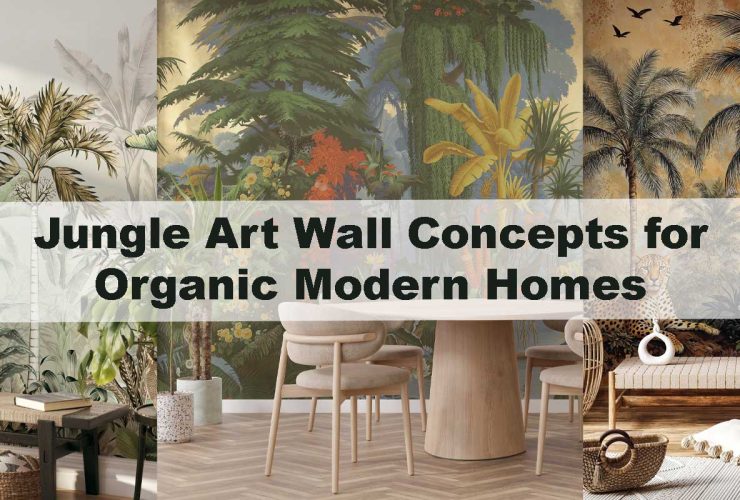
Tropical Forest Depth Patterns Bringing Natural Warmth Indoors
Tropical forest depth patterns have become one of the most inviting design directions for homeowners who want natural warmth without overwhelming the room. These layered foliage visuals bring gentle gradients, soft shadowing, and organic tones that feel both calm and uplifting. Because the primary keyword appears early, this opening establishes instant relevance, helping readers understand why depth-focused forest murals are becoming essential for modern interiors. The layered greenery also aligns beautifully with nature-inspired styles, whether the home leans Scandinavian, contemporary, or transitional.
Depth-rich forest motifs work so well because they recreate the sensation of stepping into a shaded grove—cool, textured, and immersive. When styled thoughtfully, these patterns allow a room to feel grounded and warm at the same time, avoiding the heaviness of dense jungle prints. Many homeowners discover that these visuals also echo the height-expanding cues discussed in How Can Tropical Wallpaper Make Small Rooms Feel Larger?, where vertical flow and carefully spaced foliage help smaller rooms feel taller and naturally open. Through this gentle spatial effect, tropical forest patterns deliver a soothing environment that feels authentically connected to the outdoors.
These designs also intersect beautifully with the softer moods seen in Jungle Tropical Wallpapers, especially when the goal is to introduce warmth without losing clarity. Soft gradients, leafy silhouettes, and subtle lighting transitions create a balanced rhythm that supports both bright, airy rooms and cozy, muted spaces. By pulling the eye inward through layers of foliage, tropical forest depth patterns introduce a sense of natural retreat—a calm refuge that feels reassuring in modern homes.
Why Tropical Forest Depth Patterns Feel Warmer Than Other Nature Styles
Tropical forest wallpapers stand apart because they merge warmth, depth, and clean visual movement. Unlike traditional floral themes that emphasize decorative detail, forest imagery focuses on atmosphere—light filtering between leaves, soft shadows, and elongated silhouettes. This atmospheric quality creates a feeling of warmth, even when cooler tones are used. The warmth doesn’t simply come from colors; it comes from the gentle interplay of light and layered greenery.
Designers often compare these murals with bolder rainforest themes. While rainforest murals can feel dramatic and immersive, their density sometimes overwhelms compact spaces. Forest depth patterns, on the other hand, introduce dimension without visual clutter. They perform exceptionally well when paired with natural wood furniture or linen textures commonly seen in homes that embrace organic minimalism. This balance is ideal for homeowners who want warmth without losing spaciousness.
Because depth-focused prints guide the eye gently inward, they complement the natural flow described in forest collection, where vertical silhouettes create movement rather than stillness. When sunlight touches the wall, these patterns reveal quiet highlights that shift throughout the day, adding a soft warmth that feels almost architectural.
How Depth in Tropical Forest Prints Improves Spatial Perception
Depth is one of the most transformative visual tools in interior styling, and tropical forest prints use it in ways that dramatically shift how a room feels. When these murals layer soft shadows, diffused highlights, and tonal transitions, they create an illusion of distance that expands the wall surface. This subtle visual recession makes even compact rooms feel more open, giving small living rooms, narrow hallways, or modest bedrooms a welcome sense of breathing space. Instead of overwhelming the room, the layers guide the eye gently inward, allowing the walls to become soft backdrops rather than flat boundaries.
Depth-focused forest patterns excel because they balance atmosphere with clarity. The foliage appears to sit in multiple planes, weaving gentle movement across the wall. This effect resembles how natural forests create visual rhythm outdoors—light falling between branches, shadows drifting across the undergrowth. Indoors, this same rhythm introduces calm while improving spatial flow, allowing homeowners to enjoy a refreshing sense of openness without sacrificing warmth.
Depth is achieved through four powerful design principles:
1. Layered Shadows
Layered shadows are responsible for creating the soft, atmospheric pull that makes forest murals feel immersive. Gradients between the foreground and background help the eye travel deeper into the foliage, adding dimension that flat botanical prints cannot replicate. These layered shadows make the mural feel alive, mimicking the sensation of stepping just slightly into a shaded grove. The shading also ensures the design stays gentle, never heavy, keeping the wall visually light even when the palette leans deep or moody.
2. Vertical Growth Cues
Vertical silhouettes—slender trunks, tall leaves, upward-moving branches—help lift the room visually. They draw attention toward the ceiling, making it appear higher and more open. This mirrors the spatial insights described in How Can Tropical Wallpaper Make Small Rooms Feel Larger?, where upward movement is shown to reduce visual compression. In rooms with low ceilings or compact footprints, this verticality becomes especially valuable, guiding the eye upward and creating a smoother transition between furniture, wall, and ceiling.
3. Muted Backgrounds
A softly desaturated background allows the foliage in the foreground to stand out with clarity. When the background stays misty, quiet, or slightly blurred, the mural maintains its depth without overwhelming the room. This contrast between crisp silhouettes and muted layers prevents heaviness and preserves the feeling of space. These controlled backgrounds also pair beautifully with a wide range of interior styles—from warm Scandinavian settings to modern minimalist spaces—making the design adaptable and long-lasting.
4. Tonal Temperature Control
Warm greens, amber glows, soft mossy shadows, and diffused light zones are used to introduce a gentle warmth that feels natural and inviting. These tones replicate the way sunlight filters through dense foliage in late afternoon, adding a cozy undercurrent without increasing brightness. Tonal warmth plays a major role in making forest murals suitable for rooms that need comfort and depth without bold color. When done well, these hues add emotional warmth and subtly flatter natural materials like wood and rattan.
Together, these techniques create murals that feel immersive but never dense. Instead of overpowering the room, the depth enhances comfort, allowing the wall to hold visual interest while supporting a calm, grounded atmosphere. Because these prints pair so well with natural textures—rattan, cane, woven cottons—they’re ideal for homes seeking organic warmth with structured clarity.
Anchoring these visuals behind simple Scandinavian furniture further reflects the quiet, relaxed flow seen in Nordic interiors. The clean lines of the furniture allow the forest layers to introduce softness without losing simplicity. And because the palettes often lean toward serene mid-greens and misty neutrals, these murals blend naturally with botanical themes designed for ease, clarity, and long-lasting calm.
Choosing the Right Color Palette for a Warm Forest Interior
Color is the emotional core of any forest mural. Tropical forest depth patterns come in an impressive range of greens—from gentle sage to intense emerald—and the choice you make sets the entire mood of the room. Because these murals rely on layered tones, each palette tells a different story, shifting the room’s energy from tranquil to dramatic, airy to cocoon-like.
Soft, Warm Greens
Soft greens with warm undertones feel tender and understated, making them ideal for bedrooms, reading corners, or serene living rooms. These palettes echo early morning light drifting through trees, creating a restful glow without strong contrast. Their quiet warmth makes the room feel naturally comforting, especially when paired with light woods or textured fabrics.
Deep Jungle Greens
Deep greens add richness and enveloping warmth, yet forest depth patterns prevent them from feeling heavy. The layered silhouettes and airy spacing keep the wall expressive while maintaining clarity. When paired with warm neutrals, oak tones, or matte black accents, these deeper greens create a refined, earthy elegance that feels grounded and luxurious.
Golden Sunset Greens
Green tones blended with amber, taupe, or golden shadows produce a gentle radiance that transforms a room’s atmosphere. These palettes recall the soft evening light that filters through dense forest canopies, giving the mural a subtle glow. This mood aligns beautifully with the emotional warmth found in sunset tones, making it perfect for intimate dining rooms, cozy lounges, or softly lit bedrooms.
Cool Misty Greens
Cool greens offer a refreshing alternative for rooms with ample sunlight or modern décor. They lighten the space while grounding it with natural depth, balancing brightness and clarity. When used in minimal or Scandinavian settings, misty greens add just enough movement to keep the room from feeling stark, creating a subtle connection to the outdoors.
Each palette reshapes the room’s personality. Even slight shifts—sage vs. olive, emerald vs. charcoal green—change the emotional temperature dramatically. Selecting the right one allows the mural to complement your décor, guide the mood, and create a cohesive, timeless warmth throughout the space.
Styling Tropical Forest Depth Patterns in Living Rooms
Living rooms tend to benefit the most from murals with layered depth. A wall filled with soft forest silhouettes becomes a backdrop that encourages relaxation and conversation. Because this area often serves as the home’s central gathering place, warmth is essential.
A popular approach is placing the mural behind a low sofa to create a grounded horizon. This lets the upper foliage carry the room upward. Homeowners who prefer modern minimalism can choose designs with subtle linework or airy spacing. Those who love natural textures might pair the mural with woven rugs or light wood accents.
This concept aligns with styling insights found in How Can Tropical Wallpaper Make Small Rooms Feel Larger?, where murals soften sharp angles and lighten visual density in multi-purpose spaces. And if the living room has a large window, a forest mural can echo the greenery outside, blending indoors and outdoors effortlessly.
Where Tropical Forest Depth Prints Work Best Indoors
Tropical forest depth murals adapt beautifully across interiors because their layered foliage, soft gradients, and natural warmth settle effortlessly into different room types. Their visual depth eases transitions, brings subtle movement to flat walls, and introduces a grounded calm that feels both stylish and organic. These qualities make them highly versatile, allowing each room to benefit from the depth and warmth in its own unique way.
1. Bedrooms
Bedrooms thrive with depth-rich forest patterns because the layered greenery creates an enveloping calm that encourages rest. Soft shadows and warm undertones mimic early morning light filtering through leaves, giving the room a soothing, cocoon-like atmosphere. Because the visual depth doesn’t overpower, it works beautifully behind the bed, along a feature wall, or even across all four walls in rooms that need warmth without added density.
2. Living Rooms
Living rooms often see the most dramatic transformation because tropical forest murals add structure while keeping the space open. The layered foliage draws the eye inward, grounding large seating areas and giving direction to open-plan layouts. When paired with natural elements—rattan, light wood, linen—the mural becomes a visual anchor that adds warmth to a social space without overshadowing furniture or décor. This balanced depth maintains clarity and keeps the room feeling naturally inviting.
3. Entryways
Entryways benefit significantly from the visual expansion that depth patterns provide. Compact or narrow spaces can feel instantly lifted when vertical silhouettes stretch the wall visually, creating a sense of openness as soon as you step inside. A soft forest mural not only adds character to an overlooked area but also sets a warm, nature-inspired tone for the entire home. Even a small entry hall feels more airy and welcoming with gentle gradients guiding movement forward.
4. Home Offices
Home offices need calm, focus, and visual clarity—qualities that tropical forest depth patterns provide effortlessly. Soft green tones help reduce eye strain, while layered shading adds quiet dimension without becoming distracting. This subtle movement keeps the space from feeling flat or confined, making long working hours more comfortable. A depth-based mural behind the desk creates a peaceful backdrop that encourages concentration, blending aesthetics and productivity seamlessly.
5. Dining Rooms
Dining rooms respond beautifully to depth-focused forest visuals because their warm gradients add intimacy while preserving openness. The layered greenery gently frames the dining area, helping conversations and gatherings feel more grounded. Patterns with vertical movement lend elegance reminiscent of the refined looks in deep jungle designs, making the space feel taller, softer, and naturally sophisticated. Whether paired with warm wood or contemporary matte finishes, the mural supports both casual and formal dining atmospheres.
Tropical Forest Depth vs. Rainforest Murals: A Helpful Comparison Table
| Feature | Tropical Forest Depth Patterns | Rainforest Murals | Jungle Leaf Patterns |
|---|---|---|---|
| Visual Style | Layered, warm, atmospheric | Dense, dramatic | Light to medium density |
| Best For | Warmth + depth | Bold feature walls | Calm organic spaces |
| Mood | Soothing, immersive | Energetic, high-impact | Fresh, airy |
| Color Tendencies | Earthy greens, warm tones | Bright greens, strong contrast | Balanced mid-tones |
| Room Suitability | Bedrooms, living rooms, hallways | Large rooms | Any size |
| Styling Ease | Very high | Medium | Very high |
This comparison shows how tropical forest depth patterns fill a unique gap: warm, dimensional, and calming but never overwhelming.
Enhancing Warmth Through Materials, Lighting, and Décor
Tropical forest murals build the foundation of warmth, but the rest of the room can amplify it beautifully. Materials like rattan, oak, and natural linen bring physical warmth that harmonizes with the mural. Even stone or ceramic accents balance the softness with structure.
Lighting also plays a significant role. Warm, diffused lighting creates a glow that enhances the mural’s soft gradients. Placing lighting slightly off-center helps create natural shadows that echo the pattern’s own depth.
Completing the room with earth-toned cushions, neutral rugs, and simple organic shapes ensures the mural stays the visual anchor. These choices reflect the harmony seen in rainforest styles, where color and texture pair naturally with tropical themes.
Tropical Forest Depth Patterns for Minimalist Homes
Minimalist homes often avoid heavy visual elements. Yet tropical forest murals—when chosen with subtle gradients and calm spacing—fit beautifully within minimalist atmospheres. Their depth provides movement without clutter.
Soft forest silhouettes offer:
- Clean lines without excessive detail
- Gentle tonal transitions
- Calm repetition
- Balanced negative space
This is similar to the effect described in Jungle Tropical Wallpapers, where minimal compositions with natural themes enhance clarity. Homeowners appreciate how forest depth patterns add life to minimal rooms without disturbing their restraint.
Case Study: Transforming a Low-Light Room with Tropical Forest Depth
Many homes have rooms with limited sunlight. These rooms often feel flat, cool, or visually compressed. Tropical forest depth patterns can dramatically change this dynamic by introducing tonal warmth and directional flow.
A low-light bedroom, for example, might benefit from a mural featuring warm olive shadows and diffuse highlights. Even though the room lacks natural light, the foliage suggests a softly glowing environment. Because depth patterns guide the eye inward, they also break the flatness of low-light walls, making the room feel more dimensional.
This spatial trick echoes insights from How Can Tropical Wallpaper Make Small Rooms Feel Larger?, where gentle gradients produce an illusion of expansion. When paired with warm bedside lighting, the transformation can be remarkable.
Maintenance and Longevity of Tropical Forest Murals
One reason homeowners choose depth-focused forest patterns is their timelessness. Because they rely on atmosphere rather than specific motifs, they remain relevant for years. The style works across changing furniture trends, seasonal décor shifts, and color updates.
Soft foliage silhouettes feel elegant even when the interior evolves. They integrate with future décor changes seamlessly, especially in adaptive spaces like living rooms or primary bedrooms. For long-term styling, depth patterns remain one of the most reliable choices.
Frequently Asked Questions
1. Do tropical forest depth wallpapers make a room feel darker?
Not when chosen in balanced tones. Depth patterns often use soft backgrounds and warm undertones, which help create a gentle, inviting atmosphere rather than darkness. The layered foliage also keeps visual movement light.
2. Are these murals suitable for small rooms?
Yes. Depth-focused forest designs perform exceptionally well in compact rooms because they add visual distance. This effect helps small spaces feel naturally larger.
3. What furniture pairs best with forest depth designs?
Wooden furniture, woven textures, matte black accents, and natural fabrics pair beautifully with layered forest murals. These materials enhance warmth and maintain a cohesive atmosphere.
4. Are forest depth patterns too bold for minimalist homes?
Not at all. When selected in soft greens or airy silhouettes, they blend perfectly into minimal interiors, adding life without clutter.
5. Can these murals work in hallways or entryways?
Yes. Narrow spaces benefit greatly from added depth because it increases visual distance and prevents tight corridors from feeling compressed.
Conclusion
Tropical forest depth patterns bring the perfect balance of warmth, space, and organic calm into modern interiors. Their layered gradients create an immersive yet gentle environment, allowing rooms to feel welcoming and naturally connected to the outdoors. Whether used in bedrooms, living rooms, or compact hallways, these murals expand spatial perception while delivering the warmth homeowners crave. With thoughtful pairing of textures, lighting, and natural accents, tropical forest depth patterns can transform any room into a soft retreat. If you’re considering nature-inspired walls that blend atmosphere with warmth, tropical forest depth styles remain one of the most rewarding choices for long-term interior comfort.