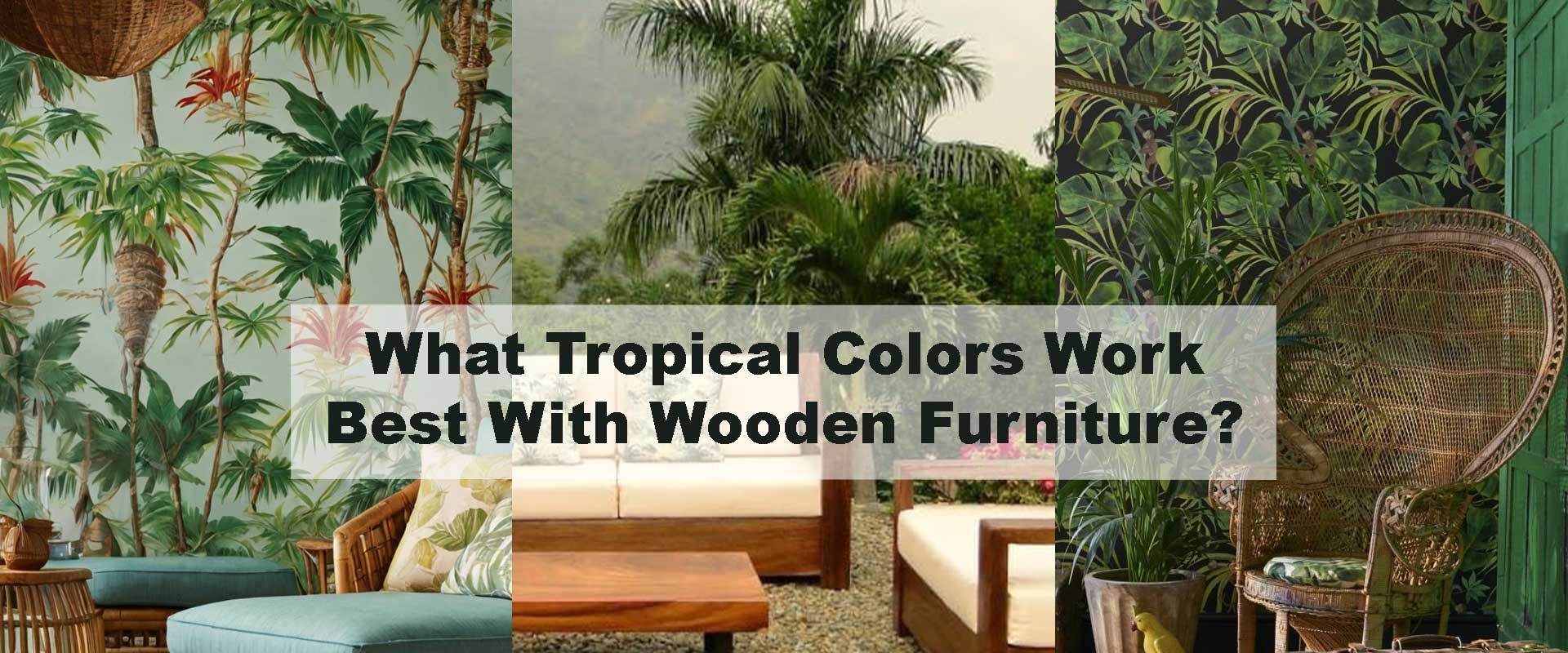
What Tropical Colors Work Best With Wooden Furniture?
Wooden furniture already carries a sense of warmth, grounding, and natural stability—so when paired with tropical colors, the entire space gains a balanced, uplifting character. Many homeowners choose tropical palettes to highlight the grain, texture, and tone of wood because these colors mimic what you’d find outdoors: sunlight, foliage, shadows, water, and botanical depth. When done well, tropical colors don’t overpower wood; they enhance it, creating movement, mood, and harmony. This is why the right palette can transform any interior, whether you’re styling an airy living room or layering soft tones around darker furniture finishes. Even richer combinations, such as those explored in Bright Tropical Patterns That Energize Contemporary Interiors, show how vivid tones complement natural materials when orchestrated carefully.
Tropical colors also open the door to styling opportunities that mix pattern and paint. They blend beautifully with nature-forward wallpapers, especially when you introduce subtle greens, ocean pigments, and modern botanical tones from collections such as fresh green designs or deeper mood-driven palettes from moody palettes. When these hues sit beside warm oak, walnut, teak, rattan, or rustic reclaimed wood, the result feels intentional and layered. And because many tropical palettes echo the same natural rhythm found in Jungle Tropical Wallpapers, they instantly make wooden furniture feel more expressive without losing its authenticity.
Why Tropical Colors Pair So Well With Wooden Furniture
Wood brings innate earthiness to a room, but tropical palettes supply the visual lift that prevents the space from feeling too muted or monochromatic. When combined, they create contrast, energy, and a connection to nature that feels both structured and free-flowing. This is especially powerful in rooms where natural light plays across the grain—every color you add transforms how the wood reads.
How Color Temperature Influences Wood Tones
Tropical palettes often include greens, blues, terracottas, peach tones, sunset corals, or misty teal. These colors hold a mix of warm and cool temperatures that help balance different wood finishes.
- Warm tropical colors—sunset orange, papaya, ochre, mango, coral—brighten darker woods like walnut or mahogany.
- Cool tropical colors—aqua, mist, emerald, palm green, lagoon blue—refresh lighter woods like ash, beech, pine, or white oak.
Because tropical colors mimic outdoor tones, they naturally complement how wood responds to sunlight, shadows, and texture. This is especially true when layered through botanical wallpaper or soft murals drawn from the forest collection, where the interplay between leafy greens and wood warmth becomes instantly cohesive.
Best Tropical Colors for Dark Wooden Furniture
Darker wood species such as mahogany, walnut, ebony, and rosewood already carry strong visual presence, so the tropical colors you introduce must create contrast, definition, and a sense of layered depth. Because these woods naturally absorb more light, they benefit from tropical palettes that introduce clarity, atmosphere, and a touch of vibrancy. When these tones are placed carefully around darker furniture, they highlight craftsmanship, reveal grain movement, and prevent the furniture from feeling too heavy within the room.
1. Emerald Greens and Deep Jungle Shades
Emerald greens provide a rich, grounding presence that enhances the sculptural qualities of dark wood. These deep greens echo the lush density of tropical forests, making the furniture feel rooted and intentional rather than visually overwhelming. Emerald walls behind a walnut media unit or mahogany display cabinet create dimensional contrast that feels luxurious, dramatic, and naturally aligned with botanically inspired settings. This pairing also mirrors the atmospheric tone found in deep jungle designs, where layered shadows and foliage bring out the richness of both the wood and the surrounding palette. When used strategically, these greens allow the room to feel immersive but not enclosed.
2. Lagoon Blue and Deep Teal
Lagoon blue and deep teal cool the warm undertones of dark wooden furniture, creating a striking interplay between warmth and freshness. Because darker woods lean red or brown, cool tones highlight their depth without dulling their natural intensity. Teal brings a refined sophistication to carved wood pieces, polished sideboards, or vintage statement furniture. Lagoon blues, meanwhile, add a calm coastal breathiness that keeps the room from feeling dense. Together, these shades offer drama with restraint, transforming living rooms, dining spaces, or reading corners into richly balanced environments.
3. Sunset Coral, Burnt Orange, and Gold-Infused Peach
Warm tropical tones inspired by sunsets introduce brightness and movement where darker woods may feel visually heavy. Coral and burnt orange add an immediate sense of warmth and energy, lifting the natural weight of mahogany or walnut. Gold-infused peach tones offer a softer glow that mimics early evening sunlight, giving wooden surfaces a subtle radiance. These hues work especially well in social spaces—dining rooms, lounges, and open living areas—where warmth creates inviting flow. By echoing the wood’s warm undertones, these colors ensure the furniture appears intentional, highlighted, and full of presence.
Pairing Tropical Colors With Different Wood Species
Each species of wood carries unique undertones and grain characteristics that influence how tropical colors respond to them. Matching the right color family to the right wood ensures your palette feels cohesive, balanced, and expressive rather than accidental or clashing.
1. Oak
Oak’s soft, neutral undertone makes it adaptable to a wide range of tropical palettes.
- Palm greens and misty greens emphasize oak’s natural tranquility.
- Seafoam blues highlight the wood’s airy freshness.
- Soft sand tones support oak’s subtle warmth without overpowering it.
Avoid very bright yellows or neon tones, which tend to conflict with oak’s refined, understated nature.
2. Walnut
Walnut’s deep chocolate undertones and dramatic grain benefit from strong complementary colors.
- Emerald and teal enhance walnut’s richness.
- Terracotta and coral introduce warmth without blending into the wood’s natural pigment.
- Deep tropical greens frame walnut beautifully in modern or vintage-inspired interiors.
Lighter tropical greens may feel too pale beside walnut, so saturated tones offer the best harmony.
3. Pine
Pine’s yellow undertone requires cool tropical colors to keep the room visually balanced.
- Lagoon blues and eucalyptus greens introduce clarity.
- Seafoam softens pine’s naturally sunny warmth.
- Mint offers vibrant contrast without overwhelming the wood.
Steer clear of yellow-based tropical hues—they exaggerate pine’s golden tone instead of enhancing it.
4. Teak
Teak’s caramel warmth pairs beautifully with coastal and botanical tropical palettes.
- Muted aqua and powder peach provide a serene, breezy pairing.
- Ivory pink softens teak’s richness.
- Leaf green echoes nature while keeping the palette gentle and refined.
For bolder looks, deep jungle greens create sophisticated contrast without overshadowing the wood’s natural glow.
How Tropical Wallpaper Strengthens the Connection Between Color and Wood
Tropical wallpaper is one of the most effective ways to weave wooden furniture and color into a unified visual story. While paint introduces a single note, wallpaper adds depth, movement, and layered detail that echoes the complexity of natural materials. When wooden furniture sits against a tropical mural or botanical pattern, the room gains a curated, immersive quality.
Why Wallpaper Enhances Wood
Wood thrives in environments with complementary textures and tones. Tropical wallpaper brings:
- Gradients that mimic natural shifts in color found in water, sky, or foliage.
- Organic lines that mirror the movement of wood grain.
- Botanical depth that softens sharp edges of wooden pieces.
- Color stories that highlight the undertones already present in different wood species.
These elements allow even varied wooden furniture—old with new, dark with light—to feel harmonized. Wallpapers from texture and foliage are especially effective, adding subtle dimension that helps each piece of wood stand out while remaining connected to the room’s overall rhythm.
Tropical Color Combinations That Work Best With Wooden Furniture
Interior designers often rely on specific color combinations to strike the ideal balance between warmth, energy, and natural harmony. The pairings below highlight how tropical tones and wooden furniture support one another in both mood and structure.
1. Teal + Walnut + Brass Accents
Teal deepens walnut’s dramatic tone, creating a sophisticated foundation. Brass accents bring in a soft glow that connects both elements, resulting in an elevated palette ideal for modern or vintage-style spaces.
2. Seafoam + Oak + White Linen
Seafoam brings freshness to oak’s neutral warmth, while white linen introduces a soft, relaxed atmosphere. This combination is perfect for serene living rooms, breezy coastal interiors, or minimalist bedrooms.
3. Emerald + Teak + Deep Coral
Emerald adds grounded depth, deep coral supplies subtle vibrancy, and teak bridges the two with its warm caramel hue. This palette suits rooms that aim for boldness with balance—stylish, expressive, yet rooted in natural tones.
4. Mint + Pine + Soft Peach
Mint cools pine’s golden undertone, while soft peach adds gentle brightness. The result is playful yet refined, making it a wonderful palette for entryways, light-filled kitchens, or children’s spaces.
Using Pattern to Introduce Tropical Colors Around Wooden Furniture
Patterns play a crucial role in how tropical colors interact with wood, adding layers of visual movement that complement the natural grain. When used thoughtfully, pattern becomes the mediator between color and texture—softening the weight of heavier wood, energizing lighter finishes, and guiding the eye around the room with intention. Pattern choices also allow you to introduce tropical tones without relying solely on paint, making them indispensable for spaces where wooden furniture is the dominant feature.
Botanical Patterns
Botanical designs bring organic flow to rooms with wooden furniture, offering the fluidity that most solid wood lacks. Leaf-based patterns soften strong silhouettes—like chunky sideboards, carved headboards, or substantial dining tables—helping these pieces settle more comfortably into the surroundings. They also introduce depth through layered foliage, which mirrors the complexity of natural wood grain. Botanical wallpapers from rainforest styles often feature sweeping palms, fern textures, and diffused greens that echo the tones of nature, creating harmony between the wall and the wood. The interplay makes even bold wooden pieces appear connected rather than isolated.
Ocean-Inspired Patterns
Ocean-inspired patterns invite fluidity that pairs beautifully with wood’s natural warmth. Aqua gradients, wave contours, and water-brushed transitions introduce cool clarity around darker woods such as walnut, mahogany, or rosewood. These patterns help prevent heavy furniture from dominating the room by bringing in airy, reflective tones that mimic coastal light. When applied behind open shelving, console tables, or reading nooks, ocean themes add emotional calm while spotlighting the craftsmanship and silhouette of each wooden piece.
Sunset and Warm Gradient Patterns
Warm gradient patterns inspired by tropical sunsets offer a glowing counterbalance to wooden textures. These designs mimic late-afternoon light—soft corals, glowing peach tones, ember oranges—which naturally enhance the undertone of teak, oak, and acacia. Using such gradients behind large wooden pieces brings a sense of warmth and dimension, making the furniture feel handcrafted and storied rather than heavy. Sunset palettes are particularly effective in dining rooms and bedrooms where wooden furniture sets the tone, adding richness and a subtle romantic atmosphere.
How Lighting Influences Tropical Color Choices
Lighting is the final layer that determines how tropical colors behave beside wooden furniture. Because wood naturally absorbs warm wavelengths and reflects cooler ones, lighting changes the mood of the palette throughout the day. Understanding this relationship ensures your tropical colors feel intentional and harmonious rather than chaotic.
Warm Lighting
Warm lighting deepens the richness of tropical hues like terracotta, sunset coral, burnt orange, and warm peach. These tones glow under golden light, making them ideal for wood species with warm undertones such as teak, cherry, or mahogany. In living rooms or bedrooms where soft lamps or pendant lights dominate, warm lighting helps the entire color scheme feel cozy and grounded. It also enhances the grain of wooden furniture, adding a gentle sheen that enriches its presence.
Cool Lighting
Cool lighting works best when your palette leans toward greens, aquas, teals, or lagoon blues. These shades appear crisp and refreshing under cooler bulbs, making wood with yellow undertones—like pine, ash, or some oaks—look more balanced. Cool lighting also helps tropical colors maintain definition, preventing the space from leaning too warm or visually heavy. It is especially effective in modern interiors where clarity and structure are important.
Natural Lighting
Natural daylight creates the most dynamic relationship between wood and tropical color. Sunlight highlights the grain, shadow, and contrast within wooden furniture, enhancing how tropical tones interact with it throughout the day. Rich jungle greens appear deeper at dawn, aquas feel fresher at midday, and corals glow softly in the evening light. Natural lighting also amplifies patterns, making botanical wallpapers or ocean murals feel immersive and atmospheric.
Creating a Balanced Tropical Palette Around Wood
Achieving balance is key when combining wooden furniture with tropical colors. Because both elements are strong in personality—one earthy and textural, the other vibrant and expressive—the palette must feel choreographed rather than competing. A thoughtful approach ensures your wooden furniture remains the anchor, while tropical colors provide movement and freshness.
Use the 60–30–10 Rule
The 60–30–10 method is a reliable structure for any dynamic interior palette:
- 60% forms your primary background color—often. tropical wall paint or wallpaper that sets the overall tone.
- 30% comes from wooden furniture and cabinetry, which provide warmth and grounding.
- 10% represents accent tropical shades introduced through décor: cushions, rugs, artwork, ceramics, throws, or lampshades.
This structure ensures no single element overwhelms the others and helps maintain a visually cohesive rhythm.
Let the Wood Decide the Palette
Wood carries natural undertones that should guide your color choices:
- Yellow undertones (pine, birch, ash): pair with cool tones such as seafoam, mint, emerald, or lagoon blue.
- Red undertones (mahogany, cherry): complement with greens, teals, or muted jungle blues to balance warmth.
- Neutral undertones (oak, walnut): work with almost any tropical palette—soft greens, warm corals, misty blues, or even richer emerald shades.
By letting the wood lead, your palette feels naturally integrated rather than forced.
Introduce Color Through Gradients
Gradients bring smooth transitions that mimic patterns found in nature—sunlit leaves, shallow water blending into deep ocean, or tropical sunsets shifting from peach to coral. These gentle shifts help tropical colors nestle into wooden settings without appearing abrupt. When used in murals, wallpapers, or textiles, gradients create a flexible color story that enhances the wood’s natural depth while maintaining visual unity across the room.
Best Tropical Color Matches for Common Wood Finishes
| Wood Type | Best Tropical Colors | Why It Works |
|---|---|---|
| Oak | Seafoam, mist green, aqua | Soft tones highlight oak’s neutral warmth |
| Walnut | Emerald, teal, coral | Bold colors enhance walnut’s rich undertone |
| Pine | Mint, lagoon, eucalyptus | Cool colors balance pine’s golden warmth |
| Teak | Peach, aqua, leaf green | Gentle tropical tones complement caramel wood |
| Mahogany | Deep teal, terracotta | Adds contrast and depth without heaviness |
Conclusion
Tropical colors and wooden furniture are a natural pairing—one grounded and warm, the other lively and atmospheric. When balanced thoughtfully, these palettes highlight the richness of wood while bringing nature’s energy into your space. Whether you prefer mist greens, lagoon blues, sunset corals, or deep emeralds, each tropical hue offers a way to add movement, joy, and harmony around your wooden pieces. By layering colors through paint, textiles, or wallpapers drawn from nature-forward collections, you can shape interiors that feel intentional, balanced, and beautifully connected. Use the warmth of wood as your anchor, and let tropical colors bring the fresh, uplifting character that makes every room feel alive.