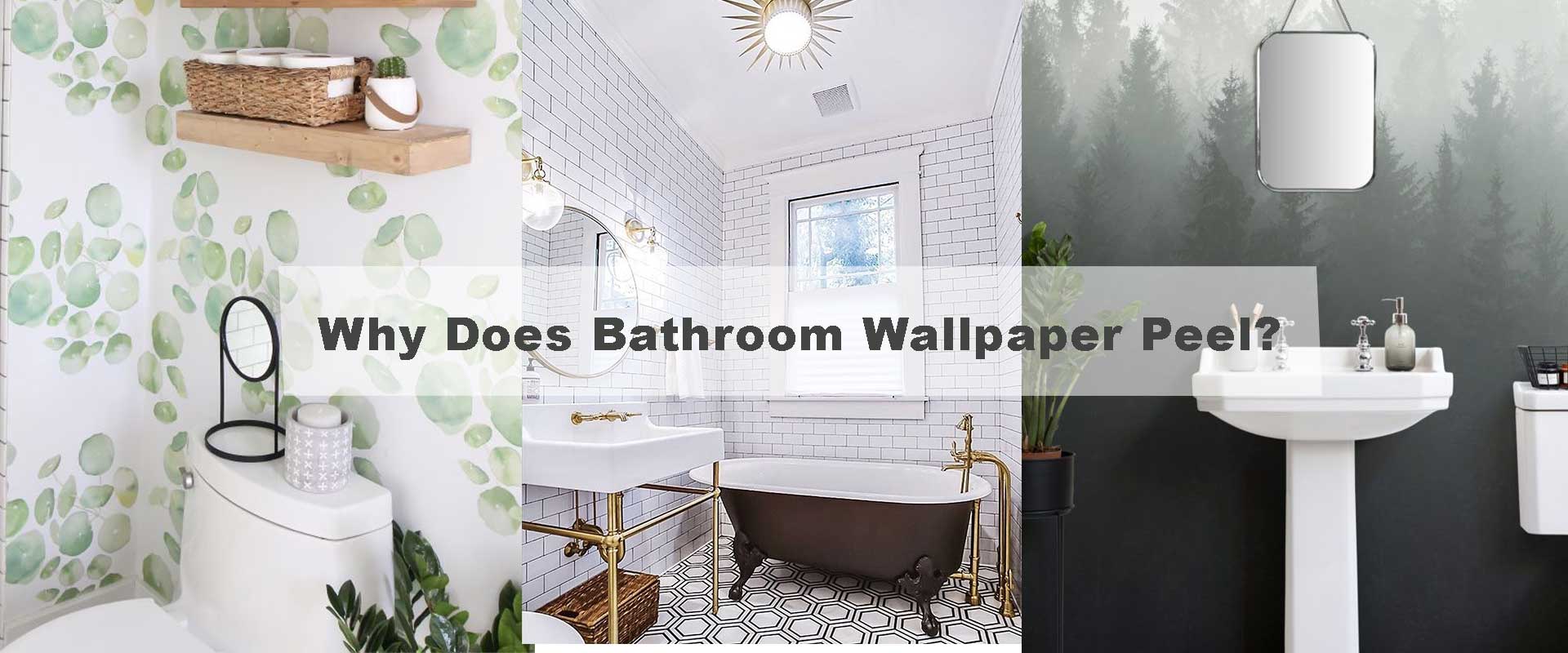
Why Does Bathroom Wallpaper Peel?
Peeling wallpaper is one of the most common (and most frustrating) problems in bathroom design. You put in all the effort to create a polished, stylish space – only to watch your wallpaper bubble, curl, or peel away within months. So, why does bathroom wallpaper peel? And more importantly, how can you stop it from happening again?
This guide dives deep into the causes of peeling wallpaper in bathrooms, how to fix it, and the best strategies to prevent it from coming back. Whether you’re using traditional wallpaper or peel and stick varieties, the rules of humidity, adhesion, and maintenance still apply. Let’s get into it.
The Problem with Bathrooms: Moisture, Heat & Humidity
Bathrooms are hostile environments for wallpaper. They’re filled with:
- Constant humidity from hot showers and baths
- Condensation buildup on walls and ceilings
- Temperature fluctuations that expand and contract surfaces
- Water splashes from sinks, tubs, or toilets
Even the best wallpaper can fail if it isn’t designed to survive in that setting. Most peeling happens when the wallpaper’s adhesive starts to break down – and that process usually starts with moisture infiltration. According to why does bathroom wallpaper peel, these environmental stressors are exactly why specialty wallpaper is crucial in high-moisture rooms.
Check out our bathroom wallpaper collection for high-performance designs made to handle moisture.
5 Common Reasons Why Bathroom Wallpaper Peels
1. High Humidity and Poor Ventilation
The number one culprit? Too much humidity.
When bathrooms aren’t properly ventilated, moisture lingers in the air. This seeps into the wallpaper seams and backing, weakening the adhesive. Many people ask why does bathroom wallpaper peel after just a few months of use, and poor airflow is often the root cause. Incorporating proper venting or dehumidifiers can dramatically extend the life of your wallpaper.
Improving ventilation doesn’t always mean a total remodel. A simple exhaust fan, timed humidity control switch, or even cracking a window during showers can drastically reduce moisture levels.
Common signs:
- Peeling around windows, ceilings, or near the shower
- Edges curling upward or downward
- Wallpaper feeling soft or damp
- 2. Incorrect Adhesive or Low-Quality Wallpaper
Not all wallpapers are equal. Standard paper wallpapers or cheap adhesive types aren’t built for bathrooms.
If you use the wrong kind of adhesive or backing, it simply won’t hold up when exposed to steam. Removable options like peel and stick may also peel if they’re not specifically rated for humid areas. For those questioning whether this style is suitable at all, we recommend reading can you use peel and stick wallpaper in a bathroom? to better understand what works where.
Explore the luxury bathroom wallpaper collection to find premium materials that won’t fail over time.
2. Inadequate Wall Preparation
If you don’t clean and prep the walls, the wallpaper has nothing solid to grip onto. Dust, soap residue, grease, or leftover adhesive from past decor can all interfere with adhesion. The adhesive needs a clean, dry, and smooth surface to maintain a long-term bond. Even small imperfections can reduce grip and lead to gradual peeling.
Use a mild detergent to clean walls before application. Then rinse with water and dry with a lint-free cloth. For painted walls, lightly sanding the surface before priming can also increase grip.
Prep issues that lead to peeling:
- Applying over textured or uneven surfaces
- Skipping the primer or sealer coat
- Leaving behind moisture or cleaner residue
3. Applying Wallpaper on Damp or Dirty Surfaces
Walls must be bone dry and squeaky clean before wallpapering. Even a small amount of moisture left behind during prep can cause bubbling or separation once the adhesive gets wet again. This is especially common in bathrooms that were recently painted or cleaned, where invisible moisture remains trapped beneath the surface.
Pro tip: Use a microfiber cloth and allow at least 24 hours for walls to dry before starting. Also, avoid applying wallpaper directly over mold or mildew stains. Not only does this affect adhesion, but it also traps bacteria beneath the surface.
4. Steam Exposure from Showers
Bathrooms with no window or fan become steam traps. Even the highest-rated wallpaper can begin to peel when it’s subjected to repeated direct steam without a break.
High-risk areas:
- Walls adjacent to or behind a shower
- Low-ceiling bathrooms with poor airflow
- Wallpaper applied above tile that gets hot and damp
If you’re applying wallpaper in any of these zones, using a steam-resistant product is a must. Installing a partial backsplash or tile accent where steam hits hardest can also help protect surrounding wallpapered areas.
5. Using Non-Bathroom-Safe Wallpaper
This one’s self-explanatory. Wallpaper that’s not designed for bathrooms will fail in bathrooms. Period.
Choose wallpaper that specifically says it is:
- Moisture-resistant or waterproof
- Vinyl-coated or made of fabric-backed vinyl
- Rated for high-humidity areas
Looking for inspiration? Our textured bathroom wallpaper collection adds depth and durability.
How to Fix Peeling Wallpaper in Bathrooms
If you’re already seeing peeling wallpaper, don’t panic. Here’s how to fix it:
Step 1: Gently lift the peeling area.
Use a plastic scraper or your fingers to carefully lift the section without tearing it.
Step 2: Dry the wall behind it.
Use a hairdryer on a low setting to remove moisture. If the area is damp, the fix won’t last.
Step 3: Reapply adhesive.
Use a wallpaper seam repair adhesive or peel-and-stick glue. Smooth it down with a roller or your hand.
Step 4: Press and seal.
Apply firm pressure and use a smoothing tool to remove any air bubbles. Let it set for 24 hours.
To avoid future issues, it’s worth checking out this helpful guide on how to stop bathroom wallpaper from peeling.
For widespread peeling, however, it might be better to remove the affected section and reapply entirely. Attempting to spot-repair wallpaper that’s already failing across large areas can often make the problem worse.
Pro Tips to Prevent Bathroom Wallpaper from Peeling
- Ventilate like a pro. Always run a fan or open a window during and after showers. A humidity sensor switch that turns on automatically when steam builds can help maintain a consistent moisture level.
- Seal edges and seams. Use clear wallpaper sealant to protect vulnerable spots, especially around corners and trim.
- Avoid direct splash zones. Don’t wallpaper directly behind a sink or inside a shower stall. Use tiles or waterproof panels in these areas instead.
- Use bathroom-specific wallpaper. Choose peel and stick or vinyl types labeled as water-resistant. Always check product specs for humidity ratings.
- Let adhesive cure fully. Don’t expose fresh wallpaper to moisture for at least 48 hours. This gives the glue time to bond properly.
- Wipe down walls regularly. Prevent mildew and grime buildup that weakens adhesive. Use a damp cloth and avoid harsh chemicals.
- Inspect annually. Every year, check for lifting seams or bubbling and address them early before peeling worsens.
When considering whether removable options are viable, reading is removable wallpaper a good choice for bathrooms? can help you weigh the pros and cons.
Best Types of Wallpaper That Won’t Peel in Bathrooms
Not all removable wallpapers are created equal. Look for these specs:
- Vinyl-coated wallpaper: Resists moisture and easy to clean
- Peel and stick with strong adhesive: Choose high-quality brands only
- Textured or embossed vinyl: Adds durability and masks flaws
- Pre-pasted wallpaper with mold inhibitors
Stick with wallpaper that specifically says it’s designed for kitchens, bathrooms, or wet zones. These products are tested for long-term adhesion in high-moisture environments.
Try our curated botanical bathroom wallpaper collection for long-lasting beauty.
Advanced Tips: Applying Wallpaper in a Humid Bathroom
To increase the longevity of your wallpaper in a bathroom, try these expert techniques:
- Use a lining paper before applying wallpaper. This provides a moisture barrier and creates a smoother surface for adhesion.
- Overlap slightly at the seams, then use a double-cutting technique for a seamless finish.
- Apply wallpaper adhesive even with peel and stick wallpaper. Some pros apply extra glue to the edges for added security.
- Use painter’s tape around ceiling and baseboard edges to catch drips and keep edges sealed tight.
- Avoid wallpapering all four walls. Instead, create an accent wall and use tiles elsewhere.
FAQs: Peeling Bathroom Wallpaper
Can I glue down just the peeling edges?
Yes, but make sure the wall underneath is dry and clean before reapplying adhesive.
Should I avoid wallpapering in a bathroom with no ventilation?
Yes. Without airflow, moisture buildup is guaranteed and peeling will happen faster.
How long does bathroom wallpaper typically last?
With proper installation and care, 3–5 years. Some high-quality wallpapers can last even longer.
Can I seal the wallpaper with a clear topcoat?
Yes, use a clear matte polyurethane or wallpaper sealant to protect the surface.
Is peel and stick better than traditional wallpaper for bathrooms?
It depends. Peel and stick is easier to apply and remove, but high-moisture areas may still require extra sealing.
Will wallpaper work in a small bathroom with no windows?
It can, but only with proper ventilation and moisture-resistant materials. Use fans, dehumidifiers, or passive vents to manage airflow.
Comparison Table: Peeling Causes vs. Fixes
| Peeling Cause | How to Fix It |
|---|---|
| High humidity | Improve ventilation, run exhaust fan |
| Weak adhesive | Use bathroom-safe glue or vinyl-backed wallpaper |
| Dirty or damp walls | Clean, dry thoroughly before installation |
| Poor-quality wallpaper | Upgrade to moisture-resistant or vinyl materials |
| Steam from showers | Install wallpaper away from shower zones |
| No sealing at seams | Use clear edge sealer or wallpaper seam adhesive |
Conclusion: Stop Peeling Before It Starts
So, why does bathroom wallpaper peel? The short answer: moisture and poor prep. The good news? It’s completely avoidable. By choosing the right type of wallpaper, prepping your walls properly, and managing moisture, you can enjoy a stunning bathroom for years without a single peel.