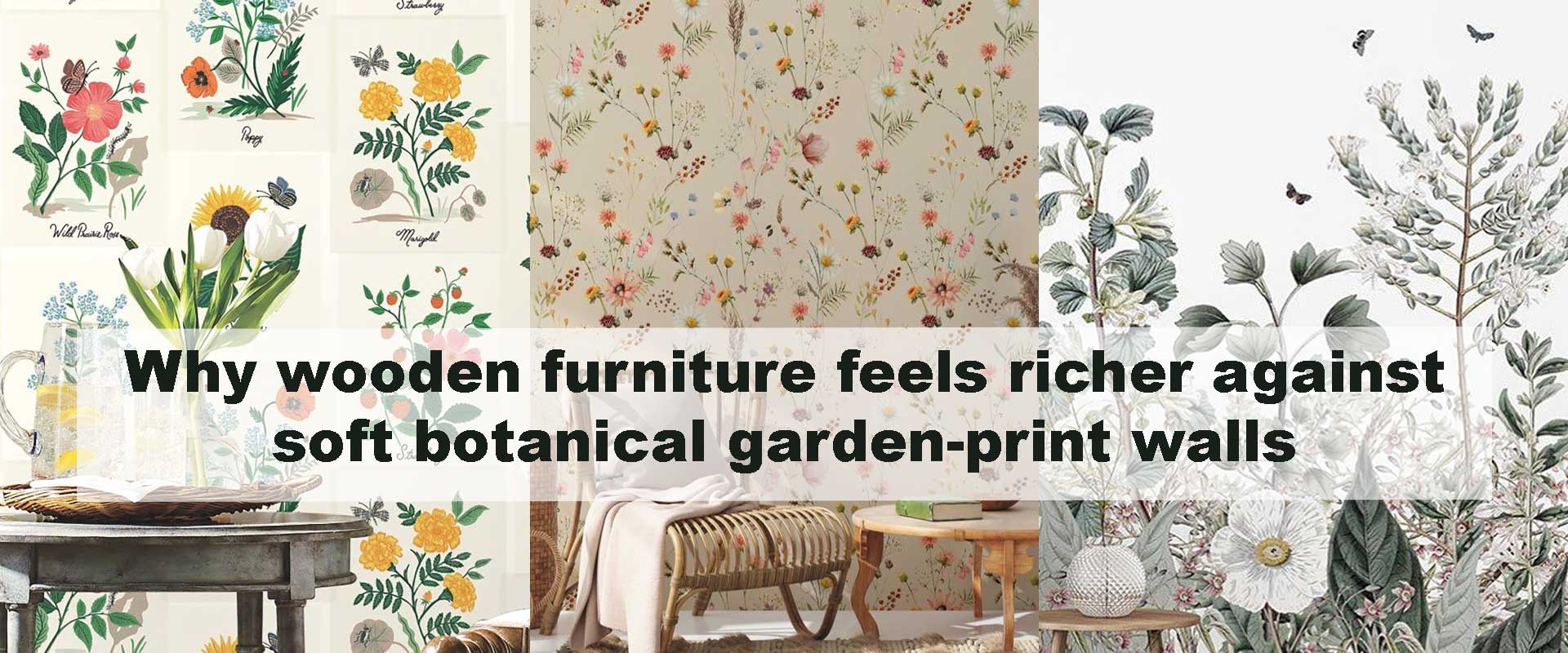
Why wooden furniture feels richer against soft botanical garden-print walls
Soft botanical garden-print walls have an uncanny ability to make wooden furniture look warmer, deeper, and more expressive. When natural textures meet nature-inspired visuals, the entire room takes on a balanced harmony that feels crafted with intention. Many designers treat this pairing as a shortcut to elevating everyday rooms, especially when the goal is to add calm dimension with gentle foliage and warm wood tones. It’s also one of the most effective ways to layer organic materials, creating a look that feels fresh yet timeless from the very first glance. Incorporating elements like Botanical Wallpaper enhances this effect even further by shaping the room around slow-living comfort.
This combination works because both materials share the same design DNA—each carries softness, depth, and a grounding quality that feels instantly welcoming. Whether you’re styling compact interiors or expansive living areas, soft botanical visuals help reveal the natural undertones in oak, walnut, ash, teak, and reclaimed woods. The result is a space that feels curated, cohesive, and enriched by every interplay of tone and texture.
How Botanical Garden-Print Walls Strengthen the Warmth of Wood
Layering wood with soft botanicals creates an atmosphere where calming colors enhance the tactile textures of natural grains. Wooden furniture tends to feel more elevated when its richness is framed by foliage-inspired contours because the backdrop mirrors the warmth and movement already present in the wood. This connection between visuals and materiality subtly magnifies natural details that might otherwise stay unnoticed.
1. Soft Foliage Adds Visual Breathing Room Around Wood
Soft botanical patterns often include muted greens, gentle watercolor strokes, and smooth tonal transitions. These elements serve as visual breathing room, allowing wooden furniture to stand out without feeling heavy. Designers frequently rely on this spacious, airy style to give even chunky tables or wide cabinets a lighter presence. This effect is particularly noticeable in rooms that use light-stained wood or mid-tone walnut, where soft foliage helps balance weight and brighten natural textures.
Gentle patterns also create a slow, calming rhythm that makes wood feel more inviting. This rhythm aligns closely with ideas shared in Bringing calm to modern homes with soft botanical wallpaper themes, where botanicals help rooms adopt a peaceful flow. When both elements work together, the result is a blend of serenity and richness that benefits every room style, from modern minimalism to cottage-inspired interiors.
2. Natural Greens and Organic Shapes Deepen Wooden Undertones
Soft botanical garden-print walls often rely on organic contours that mimic the gentle sway of leaves. This visual softness enriches the natural undertones in wood—especially warm species like oak, teak, and acacia. When the walls incorporate subtle transition areas, the shifting tones reflect onto the wood, creating a gentle glow that feels more curated than any single element used on its own.
This pairing also invites layered neutrals and natural fibers, such as rattan and linen, to enter the composition effortlessly. Interior designers often compare this effect to biophilic layering, where multiple organic elements help build an environment that feels emotionally grounded. When executed thoughtfully, this layered approach helps even simple wooden pieces feel artisan-crafted.
3. Tonal Balance Helps Wood Avoid Visual Weight
A common design concern with wooden furniture is how quickly it can appear too heavy for a room—especially darker woods like mahogany or deep walnut. Soft botanical prints counter this by introducing an uplifting background that lightens the perceived weight of the furniture. Subtle contouring and airy negative space create contrast that brings out smooth curves and carved details, letting heavier pieces feel balanced rather than oversized.
Rooms with soft botanical visuals also absorb sunlight differently. Gentle watercolor botanicals invite diffused light that interacts with wood grains, subtly accentuating highlights without over-brightening the room. This balance is ideal for bedrooms and living areas where natural light shifts throughout the day, letting wooden accents feel warm without overwhelming the space.
The Psychology Behind Wood and Botanical Pairings
Designers often emphasize the emotional impact of natural pairings, explaining that wood and botanical visuals share an inherent calmness. People tend to gravitate toward environments that mimic natural landscapes, and interior spaces benefit from these instinctive preferences. Soft botanical prints create an immediate sense of ease, and wooden furniture reinforces this feeling with tactile textures and grounding warmth.
Soft Botanicals Reduce Visual Noise
Soft botanical prints smooth out harsh transitions in a room, allowing the eyes to rest on natural shapes rather than sharp, contrasting edges. This is especially impactful in modern settings that prioritize mindfulness, as gentle contours help create a slow visual rhythm. When this quiet backdrop meets warm wood, the room instantly feels more comfortable and emotionally balanced.
Wood Introduces Tangible Warmth That Complements Botanical Flow
The emotional depth of wood adds a tactile layer that botanical prints alone cannot provide. Where botanicals may offer visual softness, wood contributes physical warmth and real-world grounding. When layered together, they create a sensory experience—soft to look at, warm to touch—that shapes the entire room’s mood.
This combination often appears in wellness-centered homes and calm-focused interiors. Many designers draw parallels between this pairing and the soothing atmosphere discussed in How oversized botanical leaves turn simple walls into maximalist statements, where natural movement and scale help achieve visual depth without chaos.
Why Soft Botanical Prints Outperform Plain Walls with Wooden Furniture
Plain walls—whether white, beige, or grey—can sometimes make wooden furniture appear flat. Without complementary patterns or tonal movement, wood loses some of its natural vibrancy. Soft botanical garden-print walls counter this by creating gentle dimension that helps reveal the richness within every wooden surface.
1. Color Echoing Creates Natural Harmony
Botanical prints often include delicate green tones, earthy neutrals, and soft shadowing that echo the undertones of wood. When these tones align, the result feels effortlessly cohesive. This color echoing is especially useful when working with mixed wood types, as the botanical backdrop visually connects varying tones, preventing the room from feeling disjointed.
2. Pattern Softness Enhances Wood’s Texture
Textures in wood—whether smooth, knotted, or finely grained—become more noticeable when paired with soft botanical movement. Watercolor botanicals create a gentle flow that draws attention to the natural patterning in the wood, making furniture look more luxurious. This effect is particularly strong when paired with Watercolor Botanical Wallpaper, which blends brush-like strokes with natural gradients.
3. The Right Botanical Style Determines the Mood
Soft botanical garden prints sit within a wide spectrum, giving you control over the atmosphere you want to build:
- Large leafy prints add gentle drama and showcase the sculptural quality of wooden furniture. These pair beautifully with Large Leaf Botanical Wallpaper.
- Muted watercolor botanicals create spa-like calm, ideal for bedrooms and lounges.
- Line-art botanicals offer understated elegance that highlights sleek modern wooden pieces, similar to Minimal Line Art Botanical Wallpaper.
- Vintage botanical styles contribute nostalgia, adding warmth to darker rustic wooden furniture.
Each direction brings a different tone, but all work to enrich wood’s natural character.
How to Style Wooden Furniture Against Soft Botanical Garden-Print Walls
Choose Woods That Echo the Wallpaper’s Undertones
Selecting wood tones that align with your botanical backdrop is the simplest way to create a calm, cohesive space. Soft botanicals with sage, fern, or eucalyptus undertones pair beautifully with cool woods such as ash, driftwood, or grey-washed oak, letting the room feel airy and composed. Garden prints with warmer touches—terracotta blush, muted olive, or soft soil browns—add depth when matched with honey-toned teak, caramel oak, or golden acacia. This undertone harmony creates a subtle but powerful visual thread that pulls the entire room together effortlessly.
Balance Solid Wood with Soft Organic Movement
Large wooden pieces can feel grounded and substantial, and botanical prints introduce the gentle motion needed to keep the room from appearing rigid. When broad dining tables, thick-framed sideboards, or sculptural chairs meet flowing foliage contours, the contrast adds life to the space. Soft botanical movement prevents solid woods from dominating the room, allowing natural grains to feel expressive rather than overpowering. This balance also invites layered elements—ceramics, woven baskets, or neutral vases—to fit seamlessly into the composition.
Use Neutral Textiles to Connect Wood and Botanicals
Neutral textiles serve as the quiet bridge between wooden furniture and botanical walls. Materials like linen, cotton, hemp, and soft wool introduce tactile softness that complements wood’s natural warmth. Shades such as oat, stone, mushroom, or warm sand help connect the wallpaper’s organic forms with the furniture’s grain. Thoughtfully placed throws, cushions, or area rugs add comfort without competing with the patterned wall, resulting in a space that feels grounded and harmonious.
Let Light Shape the Layers
The way light moves through a room dramatically influences how wood and botanical prints interact. Soft daylight enhances the grain in wooden surfaces, while diffused shadows deepen the gentle contours of garden-style foliage. Lampshades in woven rattan, parchment, or natural textiles extend this organic harmony into the evening. Subtle warm lighting creates moments where wood and botanicals glow together, giving the room a layered, lived-in character that feels serene and thoughtfully designed.
Room-by-Room Styling Inspiration
Living Rooms
In living rooms, soft botanical prints act as a natural anchor that frames wooden coffee tables, consoles, and shelving. Curved wooden silhouettes feel especially expressive against flowing foliage, allowing each piece to reveal its character without overwhelming the space. Adding a mix of matte ceramics, textured throws, and soft greenery carries the garden-inspired theme throughout the room while maintaining visual ease.
Bedrooms
Bedrooms benefit from the calming energy produced when wooden bed frames meet botanical garden-print walls. Light-washed woods contribute to an airy, retreat-like feel, while deeper tones such as walnut or chestnut offer a rich, cocooning warmth. Paired with soft neutrals and layered linen bedding, the result is a sanctuary that supports slow mornings and restful evenings, grounding the space with an organic, restorative mood.
Dining Areas
Dining spaces thrive when wooden tables sit against botanical backdrops that introduce gentle movement. Large-scale foliage enriches mealtime settings by adding dimension behind chairs and tableware, creating a layered atmosphere that feels intimate yet fresh. This environment works beautifully with floral-themed prints that offer charm without overpowering the room’s natural textures. Subtle candlelight or warm pendant lighting elevates the entire setting, letting wood and botanicals glow together during gatherings.
Home Workspaces
Wooden desks placed against soft botanical wallpapers help shape work areas that feel both focused and encouraging. The gentle foliage patterns reduce visual strain, offering a calm backdrop that supports long hours of concentration. When paired with natural wood textures and minimal accessories, the workspace feels warm, purposeful, and visually balanced. This blend reinforces creativity while avoiding harsh contrasts that might interrupt the room’s flow.
Soft Botanical Prints vs Plain Walls with Wood
| Feature | Wooden Furniture + Soft Botanical Walls | Wooden Furniture + Plain Walls |
|---|---|---|
| Mood | Warm, layered, calming | Basic, sometimes flat |
| Texture Emphasis | Highlights grain patterns | Grain appears less defined |
| Style Match | Works with rustic, modern, vintage styles | Works best with minimalism |
| Depth | Adds gentle dimension | Can feel static |
| Harmony | High tonal cohesion | Requires careful color matching |
| Light Interaction | Soft reflections and highlights | Strong shadows, less warmth |
| Emotional Impact | Nature-inspired comfort | Neutral but less expressive |
Frequently Asked Questions
1. Do soft botanical prints work with dark wooden furniture?
Yes. Soft botanicals help lighten the visual weight of dark wood by adding gentle movement behind it. This keeps the furniture from appearing overly heavy.
2. Are botanical prints suitable for modern interiors with wooden accents?
Absolutely. Minimalist botanical designs pair beautifully with matte modern finishes, adding subtle texture without breaking simplicity.
3. Will botanical prints clash with mixed wood tones?
No. Soft botanicals often serve as a unifying background, allowing different shades of wood to feel naturally connected.
4. Should botanical prints be used on one wall or all walls?
Either works depending on the mood you want. A single feature wall creates a focal point, while surrounding walls produce an immersive natural atmosphere.
5. Can this pairing work in compact rooms?
Yes. Soft botanical prints introduce depth without overwhelming the space, making wooden furniture feel more balanced and intentional.
Conclusion
Wooden furniture feels richer against soft botanical garden-print walls because both elements share a natural harmony rooted in warmth, texture, and organic flow. This pairing enhances every grain, curve, and contour while allowing the room to adopt a calm, grounded atmosphere. Whether you prefer gentle watercolor foliage, soft line-art botanicals, or large leafy contours, the right nature-inspired backdrop elevates wood in ways plain walls simply cannot. With thoughtful tones, layering, and composition, this timeless combination enriches interiors and creates spaces that feel deeply connected to nature’s quiet beauty.