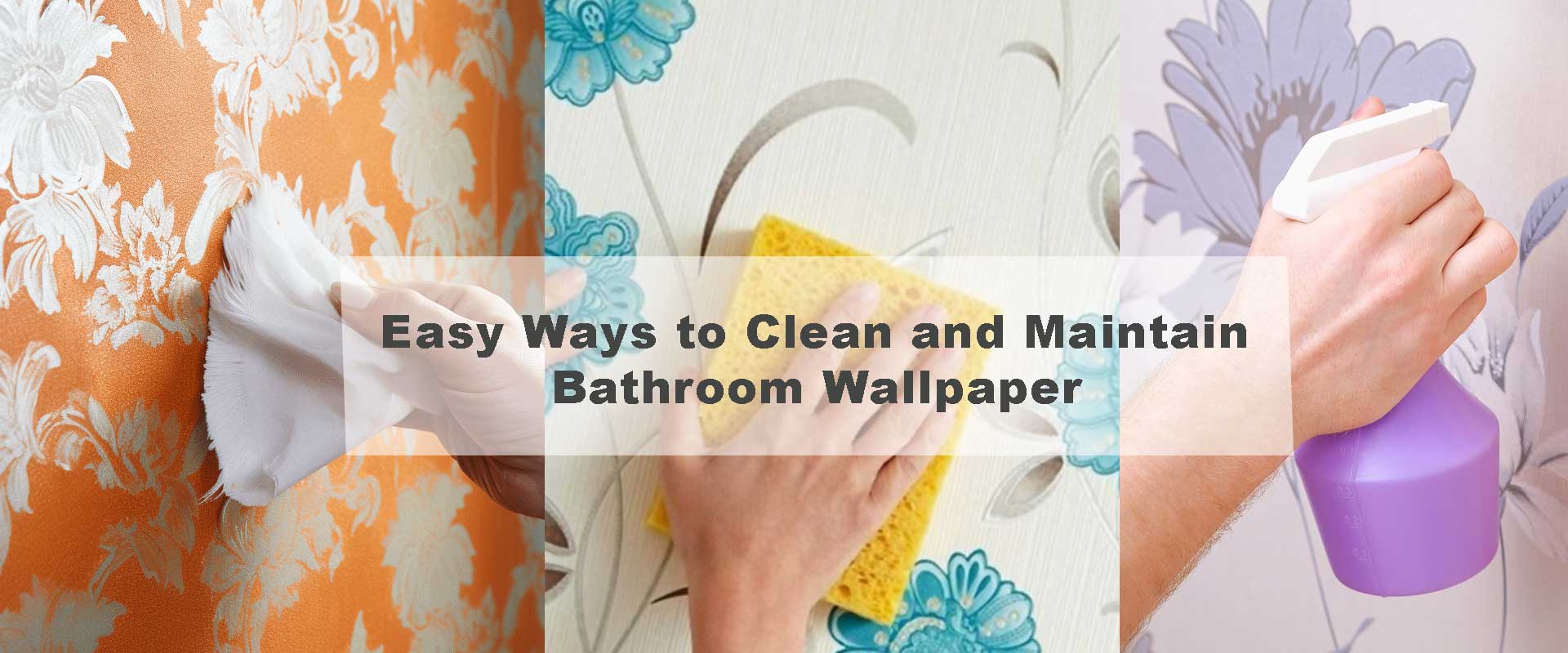
Easy Ways to Clean and Maintain Bathroom Wallpaper
If you’ve invested in beautiful wallpaper for your bathroom, the last thing you want is for steam, soap splashes, or mildew to ruin it. Bathrooms are naturally humid environments, making wallpaper care slightly more challenging—but not impossible. In fact, with the right techniques and a little regular attention, your wallpaper can stay fresh and flawless for years.
This guide shares easy, effective ways to clean and maintain bathroom wallpaper, no matter what type you’ve chosen—whether it’s vinyl, peel and stick, or textured. We’ll also touch on what not to do, how to spot early damage, and when it’s time to reseal or replace sections. Prevention is key, but even existing wallpaper can look like new with a few simple habits.
Understanding Bathroom Wallpaper Materials
Why Material Matters
The first step to maintaining wallpaper in any room—especially the bathroom—is knowing what it’s made of. Vinyl-coated wallpapers are the most common choice for moisture-prone areas because they resist water and are easier to clean. Peel and stick wallpaper, while convenient, needs to be rated specifically for high-humidity spaces to ensure long-term durability. Natural fiber or traditional paper wallpapers, on the other hand, are far more delicate and may not hold up well even with careful maintenance.
If you’re still deciding which type to use or are planning a refresh, explore the peel and stick bathroom wallpaper collection, which includes water-resistant options ideal for DIYers who want style without commitment.
Key Wallpaper Types for Bathrooms
- Vinyl-coated wallpaper: Durable, wipeable, and best for high-moisture areas
- Peel and stick wallpaper: Easy to apply and remove, but must be high quality for bathroom use
- Textured wallpaper: Adds depth but requires more delicate cleaning
- Paper-based wallpaper: Not recommended unless treated and sealed
Understanding your material helps you choose the right cleaning method—and avoid damage during maintenance.
How Often Should You Clean Bathroom Wallpaper?
General Cleaning Frequency
In bathrooms with moderate use, cleaning your wallpaper once a month is usually enough to prevent buildup of dust, moisture stains, and mildew. However, if your wallpaper is near the sink or toilet, weekly wipe-downs may be necessary to avoid watermarks or accidental splashes setting into the surface.
Homes with poor ventilation or high humidity (especially those without exhaust fans) should consider more frequent care. For example, using a microfiber cloth every few days to remove condensation can go a long way in preserving wallpaper integrity. This is especially important if you’re working with delicate designs like those featured in floral bathroom wallpaper collections, where prints can fade or stain if neglected.
When to Deep Clean
Deep cleaning should happen at least twice a year. This involves more than just wiping; you’ll inspect seams, edges, and corners for early signs of peeling, bubbling, or mildew. Don’t wait until visible damage appears—catching issues early will help prevent bigger problems, and extend the life of your wallpaper.
Best Cleaning Tools and Supplies
- Microfiber cloths: Ideal for dusting and light cleaning without scratching
- Mild dish soap: Gentle enough for most wallpaper surfaces
- Warm water: Always use lukewarm—not hot—water
- Soft sponge or sponge mop: For gentle scrubbing on vinyl surfaces
- Spray bottle: To mist cleaning solution evenly without soaking the wallpaper
- Cotton swabs or toothbrush: For small crevices and tricky edges
Avoid using abrasive scrubbers, harsh chemicals, or bleach-based cleaners, especially near seams. They can degrade the adhesive or remove color from printed patterns.
Step-by-Step: How to Clean Bathroom Wallpaper
Step 1: Dust and Dry Wipe
Start with a completely dry cloth or duster. Run it across the wallpaper from top to bottom to remove any loose particles. Pay close attention to upper walls and corners where cobwebs or dust can settle unnoticed. If you’re maintaining textured designs like those in textured bathroom wallpaper styles, be sure to follow the direction of the pattern to avoid snags.
Step 2: Prepare Gentle Cleaning Solution
In a small bowl or spray bottle, mix a few drops of mild dish soap into a quart of warm water. You don’t need anything stronger for most routine cleanings. Test the solution on a hidden spot before applying it to the full surface.
Step 3: Lightly Wipe the Surface
Dampen a cloth or sponge—don’t soak it—and gently wipe the wallpaper in long vertical strokes. Avoid excessive pressure, especially on seams or peeling edges. Never allow moisture to drip or collect at the baseboards.
Step 4: Spot Clean Problem Areas
If you find a splash stain, toothpaste speck, or mildew dot, use a cotton swab dipped in your cleaning solution to treat it directly. For more stubborn spots, try a soft-bristle toothbrush. Rinse the area afterward with a clean damp cloth.
Step 5: Dry Thoroughly
Use a clean, dry microfiber cloth to absorb any remaining moisture. Always finish your cleaning session by ensuring the surface is completely dry to prevent further humidity damage.
Preventative Maintenance Habits
Control Moisture in the Room
The number one reason wallpaper fails in bathrooms is excessive moisture. Here’s how to control it:
- Use the exhaust fan during every shower
- Open a window afterward to ventilate
- Avoid wallpapering areas directly behind sinks or tubs
- Wipe down steamed-up walls daily
Some homeowners even use a dehumidifier in larger bathrooms. These actions can be the difference between wallpaper that lasts a year and wallpaper that lasts a decade.
Seal the Seams
Even peel and stick wallpaper benefits from sealed seams. Use a clear wallpaper seam sealer to protect vulnerable areas from moisture infiltration. It’s a small extra step that prevents curling, bubbling, and eventual peeling. For detailed application tips, check out how to apply peel and stick wallpaper in bathrooms without bubbles.
How to Remove Mold and Mildew from Wallpaper
Identifying Early Signs
Mildew typically appears as faint grayish spots near corners or behind fixtures. Mold, on the other hand, looks darker—green, brown, or black—and may have a musty smell. Both are signs of too much moisture and not enough airflow.
Cleaning Mold Safely
- Mix 1 part white vinegar with 3 parts warm water in a spray bottle
- Lightly mist the affected area (do not soak it)
- Wipe gently with a soft cloth
- Rinse with a damp sponge and dry immediately
Avoid using bleach or ammonia, which can discolor wallpaper or damage adhesive. If mold keeps returning, you may need to improve ventilation or inspect for hidden leaks.
Touch-Up and Repair Tips
Fixing Lifting Edges or Corners
If you spot curling seams or lifting corners, don’t wait. Apply a wallpaper seam adhesive using a cotton swab or small brush. Press the wallpaper back in place with a smoothing tool or cloth and wipe away any excess glue.
Small Tears or Scratches
For small scratches, use a matching touch-up pen or fine-point marker. For minor tears, you can patch the area with a spare strip. Align the pattern carefully and trim cleanly. For inspiration on how pattern alignment can elevate a look, browse luxury bathroom wallpaper designs.
Seasonal Maintenance Checklist
- Spring: Deep clean all walls and check for water damage
- Summer: Inspect for fading due to sunlight through windows
- Autumn: Reseal seams before winter condensation starts
- Winter: Run fans longer to combat indoor humidity buildup
Wallpaper, like any surface in your home, benefits from seasonal attention. Mark your calendar or set a reminder to keep it on track.
FAQs About Bathroom Wallpaper Maintenance
Can I use disinfectant wipes on wallpaper?
No. Most wipes contain alcohol or chemicals that can damage the surface. Stick with mild soap and water.
What should I do if wallpaper starts peeling after cleaning?
Dry the area fully, then use a small amount of seam adhesive to secure it. Press firmly and let it cure for 24 hours.
Is it safe to steam-clean bathroom wallpaper?
No. Steam can weaken adhesive and cause bubbling or peeling. Avoid any high-heat cleaning methods.
How can I prevent wallpaper from yellowing over time?
Use curtains or window film to block UV rays and avoid chemical cleaners. Regular dusting also helps.
Conclusion
Keeping your bathroom wallpaper clean doesn’t require fancy tools or special products. With regular wiping, moisture control, and a few seasonal checkups, you can preserve your wallpaper’s beauty for years. Choose the right material, follow gentle cleaning techniques, and don’t wait until small issues become big problems.