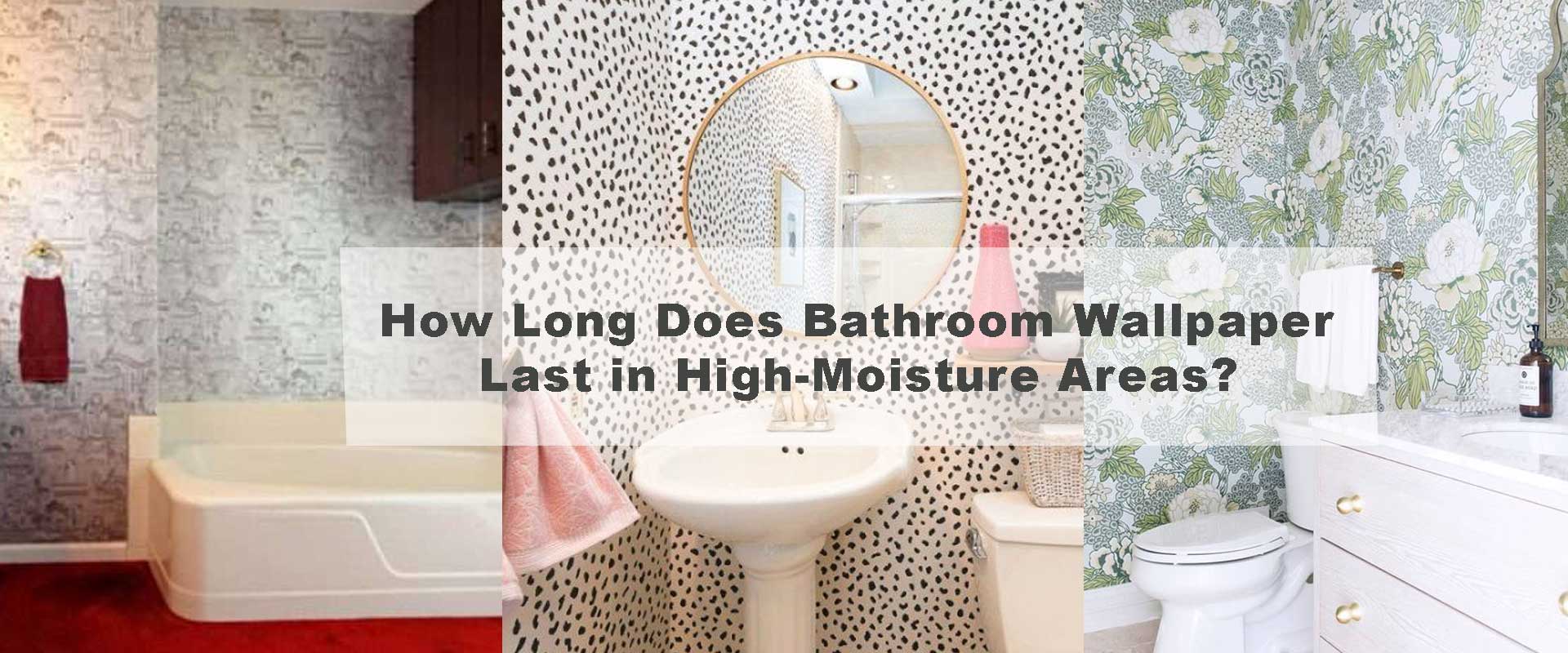
How Long Does Bathroom Wallpaper Last in High-Moisture Areas?
When you think about bathroom upgrades, wallpaper might not be the first thing that comes to mind—but it should be. Modern wallpaper options are more durable than ever, and bathroom-safe designs have made it possible to blend beauty and functionality, even in humid spaces. Still, the question remains: how long does bathroom wallpaper last in high-moisture areas?
The answer depends on several key factors—material type, installation technique, ventilation quality, and ongoing maintenance. While some wallpapers start peeling or bubbling within a year, others can look pristine for up to a decade or more. In this article, we’ll break down what shortens wallpaper lifespan, what extends it, and what to do if things start to go wrong.
What Affects the Lifespan of Bathroom Wallpaper?
1. The Type of Wallpaper You Use
Not all wallpaper is built for bathrooms. Vinyl-coated wallpaper is the gold standard for high-moisture areas because it’s resistant to water, easy to clean, and less likely to absorb humidity. Peel and stick wallpapers, when made from high-quality materials, also perform well—especially if installed correctly and sealed at the seams.
Paper-based or untreated wallpapers, on the other hand, are a poor choice. These types soak up steam and water, causing them to expand, curl, or even disintegrate. If you’re unsure which direction to go, collections like textured bathroom wallpaper offer designs that are made to withstand steam-heavy environments without sacrificing style.
2. Quality of Installation
A perfect wallpaper job doesn’t just look good—it lasts longer. Poor installation is one of the top reasons bathroom wallpaper fails early. Common mistakes include:
- Applying wallpaper to damp or unprimed walls
- Not sealing seams
- Skipping wall liners
- Using adhesives not rated for humidity
If your bathroom wallpaper wasn’t installed with moisture control in mind, its lifespan could be cut in half. That’s why many DIYers reference guides like how to apply peel and stick wallpaper in bathrooms without bubbles to avoid these problems from day one.
3. Bathroom Ventilation
A poorly ventilated bathroom is a wallpaper’s worst enemy. Humidity that lingers in the air after showers and baths penetrates even the most moisture-resistant wallpaper over time. A powerful exhaust fan, cracked windows, or a portable dehumidifier can make a significant difference.
Some users report needing to replace wallpaper every two years due to mildew in bathrooms with no ventilation. Others using the same product have gotten over eight years in well-ventilated spaces. Ventilation isn’t just about comfort—it directly impacts longevity.
4. How Well You Maintain It
Routine maintenance goes a long way in extending the life of bathroom wallpaper. Even vinyl wallpaper needs occasional cleaning, especially in areas prone to splashes or steam. Following tips from guides like easy ways to clean and maintain bathroom wallpaper can prevent buildup, mold, and surface degradation.
If you regularly wipe down condensation, clean grime around the sink, and avoid harsh cleaners, your wallpaper can easily last 5 to 10 years—or longer.
Average Lifespan Based on Wallpaper Type
| Wallpaper Type | Average Lifespan in Bathrooms |
|---|---|
| Vinyl-coated wallpaper | 7–10 years |
| High-quality peel and stick | 4–8 years |
| Fabric-backed vinyl | 8–12 years |
| Paper-based wallpaper | 1–3 years (if sealed) |
| Traditional non-coated paper | Less than 1 year in humid conditions |
These ranges assume proper installation, ventilation, and regular maintenance. Cheaper materials or poor prep can dramatically shorten these numbers.
Signs Your Bathroom Wallpaper Is Nearing the End
Peeling Seams and Edges
This is usually the first sign of failure. When adhesive starts to break down—whether due to humidity, age, or improper sealing—edges begin to curl. If left unaddressed, the peeling can spread quickly and make the wallpaper unsalvageable.
Bubbling and Wrinkles
Air pockets that appear under the surface usually mean water or steam has gotten behind the wallpaper. Bubbling can sometimes be repaired if caught early. If you’re dealing with this now, check out how to stop bathroom wallpaper from bubbling in humid spaces.
Discoloration or Mold Spots
Yellowing, brown water stains, or dark mold patches are warning signs that your wallpaper has absorbed too much moisture. These aren’t just aesthetic issues—they can indicate poor ventilation and even health hazards if left untreated.
Odors or Soft Walls
If the wall behind the wallpaper feels soft or has a musty odor, water may have penetrated past the adhesive. At this stage, replacement is usually necessary.
How to Extend the Lifespan of Bathroom Wallpaper
Prep the Walls Properly
Always start with clean, dry, and smooth walls. Use a mildew-resistant primer and consider adding a wallpaper liner. These steps create a strong, uniform surface that reduces future issues.
Use the Right Tools and Techniques
- Smooth out bubbles during installation
- Overlap and seal seams
- Trim around corners and fixtures precisely
These minor details matter more in high-moisture environments.
Improve Bathroom Ventilation
If your bathroom doesn’t already have an exhaust fan, install one. Keep it running for at least 15–20 minutes after every shower. Open windows when possible and consider using a small dehumidifier during colder months.
Clean Wallpaper Regularly
Wipe down walls with a soft cloth and warm water. For tough spots, use a mild soap. Avoid scrubbing, soaking, or applying too much pressure.
Use Protective Sealants
For long-term durability, apply a clear wallpaper seam sealer. It adds a waterproof barrier along the edges and helps prevent peeling or curling. This is especially helpful for peel-and-stick styles found in the small bathroom wallpaper collection, where tight space makes seam integrity even more important.
When Should You Replace Your Bathroom Wallpaper?
There’s no exact expiration date, but these signs usually mean it’s time for a full replacement:
- Peeling that can’t be re-adhered
- Mold growth or odor behind wallpaper
- Severe discoloration or fading
- Large sections bubbling or detaching
If your wallpaper has lasted 6–10 years and is showing its age, replacing it might be more cost-effective than continual patching. Consider updating with something from the modern bathroom wallpaper collection for a fresh, moisture-resistant look.
FAQs About Bathroom Wallpaper Longevity
Is there a wallpaper that lasts forever in bathrooms?
No wallpaper lasts forever, but vinyl and fabric-backed options can last over a decade with proper care.
Can I wallpaper over old bathroom wallpaper?
It’s not recommended. Trapped moisture or uneven surfaces can cause the new layer to fail prematurely.
Will a dehumidifier help extend wallpaper life?
Absolutely. Lowering humidity reduces stress on adhesive and prevents mold.
How do I know if wallpaper is bathroom-safe?
Look for terms like “vinyl-coated,” “moisture-resistant,” or “suitable for bathrooms” on product descriptions.
Can I seal old wallpaper to make it last longer?
Yes, sealing seams or applying a clear topcoat can help, but it won’t fix underlying issues like mold or water damage.
Final Thoughts
So, how long does bathroom wallpaper last in high-moisture areas? With the right prep, the right materials, and a bit of routine care, you can expect 5 to 10 years of solid performance, even in humid spaces. Skimp on ventilation or installation quality, and that lifespan could be cut in half.
Make sure to select designs made for bathrooms, follow best practices, and stay on top of moisture control. If you’re ready to upgrade your walls, check out the bathroom wallpaper collection to explore styles that are both durable and design-forward.