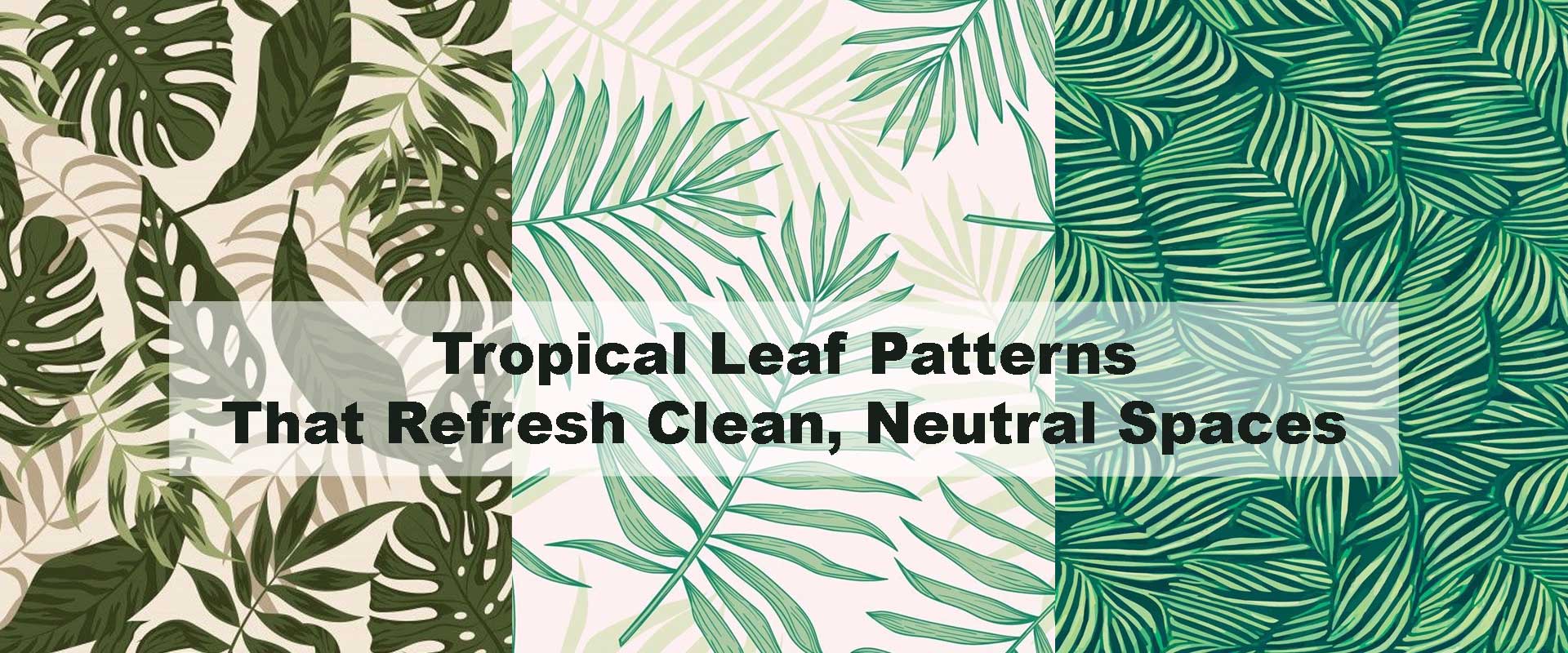
Tropical Leaf Patterns That Refresh Clean, Neutral Spaces
Clean, neutral spaces feel timeless, but they sometimes lack the warmth, depth, and subtle life needed to make a room feel inviting. This is where tropical leaf patterns step in, offering gentle movement, layered texture, and botanical calm. When paired with minimal color palettes, these motifs elevate a room without overpowering it—an approach also seen in Jungle Tropical Wallpapers, which emphasize balance between nature and simplicity. The right leaf pattern can transform a neutral interior into a sanctuary filled with light, softness, and organic rhythm.
Neutral spaces thrive on clarity, but they also benefit from visual grounding. Tropical leaves—whether large palms, soft monstera silhouettes, or painted foliage gradients—introduce this grounding element through shape, shade, and natural asymmetry. Designs such as those discussed in How Can Tropical Wallpaper Make Small Rooms Feel Larger? show how subtle leaf layering can brighten and visually expand spaces, making them ideal for homes that rely on clean finishes and muted tones.
Why Tropical Leaf Patterns Work So Well in Neutral Interiors
1. They Bring Life Without Adding Visual Chaos
Neutral spaces are peaceful, but they can feel sparse if details are too minimal. Tropical leaf wallpaper fixes this by adding soft, organic patterns that maintain simplicity while introducing gentle movement. The curves of banana leaves, the airy edges of palm fronds, and the layered forms of jungle foliage create a soothing rhythm that feels naturally integrated.
Because tropical leaves are inherently familiar, they add comfort without visual overload. Their shapes align beautifully with neutral foundations such as warm whites, light taupe, chalk grey, or soft beige. When a room needs subtle enhancement rather than bold transformation, tropical foliage offers exactly the right balance.
Many homeowners prefer low-density leaf prints or watercolor-style motifs—an approach echoed in Fresh Botanical Wallpaper Themes Inspired by Tropical Leaves, where gentle color transitions allow the pattern to blend rather than dominate.
2. They Amplify Light and Brightness
Neutral rooms shine when light is allowed to bounce freely, and tropical leaf designs support this effect through soft gradients, floating silhouettes, and airier compositions. Pale green palms or watercolor leaf strokes can make a room feel more open, while deeper shadows introduce a subtle three-dimensionality.
Watercolor tropical wallpapers, including those seen in the watercolor murals collection, are especially powerful in this area. Their blurred edges and airy transitions work with natural light, reflecting brightness rather than absorbing it.
This is why tropical leaf wallpaper is often recommended for compact or low-light areas—much like the strategies discussed in Jungle Leaf Murals That Add Depth to Modern Interior Corners, where layered foliage helps optimize the room’s natural illumination.
3. They Add Texture Without Physical Bulk
Modern neutral interiors rely heavily on tactile contrasts—matte walls, timber finishes, woven textiles, and ceramic accents. Tropical leaf wallpaper introduces a new level of texture through visual layering rather than physical texture.
Monstera arches, palm sweeps, or overlapping banana leaves create depth that feels architectural without adding actual structural elements. Designers frequently pair such wallpapers with:
- Natural woods (light oak, ash, or teak)
- Neutral linen upholstery
- Stone-textured ceramics
- Soft ambient lighting
This combination brings warmth and softness to otherwise minimal spaces. Styles found in the texture and foliage collection show how refined leaf structures can make a clean room feel richer and more complete.
Choosing the Right Tropical Leaf Pattern for Neutral Spaces
Neutral interiors rely heavily on balance—clean lines, soft tones, and calm visual flow. The right tropical leaf pattern elevates this balance by introducing shape, subtle movement, and gentle natural contrast. Below is the enhanced, richer version of each subsection with more immersive design language, better transitions, and stronger sensory impact.
Minimal Leaf Motifs for Clean, Airy Interiors
Minimal leaf motifs are ideal for interiors where clarity, openness, and soft visual breathing space matter most. These designs focus on spacious placement, gentle silhouettes, and quiet botanical gestures that support a neutral palette without interrupting it. Instead of dominating the wall, the leaves appear as calm accents—designed to harmonize with modern simplicity.
Soft Palm Silhouettes
Soft palm silhouettes carry an almost weightless elegance. Their translucent shapes allow neutrals to remain prominent while the foliage adds graceful movement. The elongated palm fronds create vertical and horizontal flow, subtly shifting the proportions of the room. This works beautifully in Scandinavian neutrals, Japandi-inspired spaces, and minimal-modern interiors where each design element must feel intentional. The effect is soothing yet architectural—stretching the visual field and giving walls a gentle sense of lift.
Light Watercolor Leaves
Watercolor leaf wallpapers introduce a diffused, artistic atmosphere that blends seamlessly into neutral décor. Their edges fade softly, making the foliage appear almost mist-like. These designs work exceptionally well in bedrooms, reading corners, and hallways where tranquility is a priority. The blurred transitions scatter light gently across the wall, acting like a natural diffuser that makes the entire room feel more illuminated. Instead of standing apart, the leaves merge into the background, producing calm layers that soften every surrounding texture.
Single Foliage Repeats
Repeating a single botanical shape creates a modern rhythm that feels deliberate and refined. Unlike dense tropical prints, these designs maintain breathing room between elements, which helps preserve the clarity of neutral interiors. The simplicity builds a quiet visual tempo that complements sleek furniture lines. This style echoes the calm and measured approach described in Botanical Wallpaper Panels Adding Gentle Jungle Color Movements, where light botanical spacing enhances serenity rather than cluttering the atmosphere.
Moderate Leaf Density for Warm, Neutral Styling
Medium-density foliage introduces a deeper layer of comfort, making neutral interiors feel fuller without creating heaviness. Here, the leaves become more expressive—still structured, still calm, but with richer shape interplay and warmth. These patterns are perfect when you want the room to feel inviting while maintaining a balanced, uncluttered aesthetic.
Monstera-Inspired Layering
Monstera leaf patterns provide gentle drama. Their confident shape adds dimension, grounding the room with natural presence while remaining compatible with neutrals. Muted greens, grey-greens, and soft taupe accents help the pattern blend seamlessly into the overall palette. When placed in living rooms or neutral lounges, monstera layers create depth that feels welcoming and sculptural, giving the room a subtle but noticeable center of gravity.
Banana Leaf Swirls
Banana leaves bring fluid curves that soften the strong lines of minimal furniture. Their sweeping arcs introduce motion without overwhelming the room, making them ideal for clean, streamlined settings. These patterns work particularly well in warm neutrals, where the gentle leaf curves add a relaxed, breezy warmth. The design eases visual rigidity, offering a natural, effortless softness.
Split-Leaf Palms
Split-leaf palm designs strike the perfect balance between structure and openness. The intricate cuts in each leaf create light visual texture, while the overall silhouette stays calm and refined. Soft sand tones, pale greens, and washed botanicals blend beautifully into beachy neutrals or earth-toned rooms. These patterns create a breezy, coastal-inspired tone without shifting the space away from its clean, modern foundation.
Tropical Leaf Murals for Statement Walls in Neutral Rooms
When a neutral room needs a focal point that still aligns with a calm aesthetic, tropical murals offer a refined yet expressive solution. These murals go beyond repeating motifs—bringing depth, horizon-like movement, and organic structure into the space. The result is a carefully curated botanical centerpiece that feels immersive rather than busy.
Oversized Palm Fronds
Oversized palm fronds make an immediate visual impact while still complementing neutral décor. Their large, sweeping forms mimic the gentle shade and scale of real palms, creating an atmosphere that feels open and expansive. These murals elevate vertical proportions, making ceilings feel higher and walls appear taller. The motion of the fronds brings softness to a room that may otherwise feel too still or linear.
Depth-Enhancing Green Gradients
Green gradient murals that feature layered foliage and soft-shadow transitions create a subtle sense of depth. This effect mimics the natural density of jungle greenery but in a more refined, neutral-friendly way. Instead of darkening a space, the gradients sculpt the wall, offering dimensionality without heaviness. These murals are ideal for living rooms or dining spaces where you want immersive botanical character without compromising brightness.
Artistic Botanical Compositions
Hand-painted botanical murals add an elevated artistic expression to neutral rooms. Each brushstroke introduces nuance—soft color shifts, delicate leaf edges, and airy overlays that blur the line between art and interior design. These compositions work beautifully in high-ceiling spaces, modern apartments, or minimalist homes seeking a single standout feature. The painted aesthetic makes the room feel curated, warm, and visually intentional.
How Tropical Leaf Patterns Change the Mood of Neutral Interiors
Adding Warmth to Cool-Neutral Rooms
Cool neutrals can sometimes feel too crisp or sterile. Tropical leaf patterns restore emotional warmth by introducing organic shapes and natural pigments. The curves, shadows, and variations in foliage bring depth that cool palettes often lack.
Using Fresh Green Palettes
Fresh botanical greens—especially those in the fresh green designs sub-collection—revitalize cool-toned interiors. These greens bridge the gap between crisp whites and soft greys, adding chromatic warmth that makes the room feel more approachable. Even pale mint or sage tones can soften harsh edges, bringing gentle harmony to otherwise cool spaces.
Incorporating Earth-Tone Botanicals
Warm-beige interiors pair beautifully with leaf patterns that lean into brown-greens, olive tones, and muted golds. These palettes echo natural landscapes, making the room feel grounded and cohesive. Earth-tone botanicals blend into taupes and creams smoothly, adding visual depth while keeping the mood calm and balanced. Instead of overpowering the room, they enrich it with quiet warmth and subtle texture.
Bringing Calm to Bright, Sunlight-Filled Spaces
Bright, sunlit rooms often feel energizing, but when the light becomes too intense, the space can lose its softness. Tropical leaf patterns help control this effect by introducing shadow work, gentle tonal gradients, and organic movement that diffuse harsh brightness. Instead of letting sunlight wash out the room, botanical motifs add visual balance—softening the glare and grounding the space with natural rhythm. This mirrors ideas explored in What Tropical Wallpaper Style Works Best for Bright Living Rooms?, where leafy gradients help rooms feel less exposed and more soothing.
Gentle Shaded Palms
Shaded palm designs provide an elegant solution for overly bright interiors. Their soft shadows mimic the way sunlight naturally filters through real foliage, creating areas of gentle calm across the wall. This effect keeps the room visually open but adds a subtle depth that reduces the starkness of strong daylight. As the light shifts through the day, the shaded palms maintain a steady, restful atmosphere that feels both airy and grounded.
Deep Green Accents
While neutral rooms usually rely on pale tones, a touch of deeper green can provide much-needed contrast. Darker tropical accents anchor the room by absorbing a small amount of excess brightness, giving the eye a place to rest. Even in a primarily light space, these deeper leaf tones prevent the room from feeling washed out. When paired with breezy neutrals—like soft linen, warm white, or chalk beige—the contrast feels refined rather than dramatic.
Enhancing Warm Neutral Interiors
Warm neutrals like honey beige, latte cream, and sandy taupe carry natural comfort, but they can become visually flat without layered tones. Tropical leaf patterns bring new energy to these interiors by introducing foliage with soft golden shadows, muted olive greens, and terracotta-tinted highlights. Each element adds subtle dimension, helping warm rooms feel enveloping but never heavy.
Sunset Botanical Tones
Sunset-inspired leaf palettes—golds, soft corals, peachy lights—are especially beautiful in warm-neutral interiors. Designs similar to those in the sunset tones collection glow gently across the wall, blending into the surrounding décor like a warm horizon. These hues pair perfectly with rattan pieces, light woods, and earthy ceramics, creating a cohesive atmosphere filled with gentle warmth.
Textured Layers
Leaf patterns with textured gradients or grainy botanical detailing add depth without making the wall look busy. Instead of flat color blocks, these designs feature layered tones that mimic natural leaf veins, subtle shadows, and delicate highlights. The result is a rich yet soft backdrop that enhances warm neutrals, giving the space more authenticity and visual comfort.
Styling Tips for Tropical Leaf Wallpaper in Clean, Neutral Spaces
Pairing With Natural Materials
Clean, neutral spaces benefit most when the elements inside them echo nature. Tropical wallpapers work seamlessly with materials that bring organic warmth and tactile comfort. Light woods such as ash or oak create a gentle earthiness, while rattan, wicker, and cane add a breezy texture that resonates with botanical themes. Jute rugs, linen throws, cotton cushions, and matte ceramic pieces reinforce the natural palette, grounding the entire room in a cohesive style. This balanced approach reflects the calm design sensibility found in Soft Tropical Wallpaper Ideas for Relaxing Bedroom Makeovers.
Integrating With Modern Minimal Decor
Minimal interiors thrive when every element feels intentional. Tropical leaf designs complement this approach by offering subtle visual interest without overwhelming the structure of the room. Keep furniture streamlined and choose matte or soft-touch finishes to maintain clarity. Tone-on-tone neutrals help the leaf patterns blend naturally, while one or two nature-inspired accents—such as a wooden stool or a woven basket—introduce warmth. The wallpaper becomes a quiet anchor rather than a dominating feature, preserving the integrity of minimalistic design.
Balancing With Light Fixtures
Lighting has a major influence on how tropical wallpapers appear. Thoughtfully chosen fixtures enhance the depth and movement of the leaf motifs.
Warm Diffused Lamps
Diffuse light from fabric shades or frosted glass enriches the shadowed areas of tropical leaves. The warm glow reveals the softness of watercolor transitions and natural gradients, making the room feel calm and inviting.
Pendant Lights With Organic Forms
Suspended rattan, woven bamboo, or curved glass pendants pair beautifully with tropical wallpapers. Their organic shapes echo the botanical contours on the walls, strengthening the nature-first atmosphere. These fixtures also cast softer, more varied shadows that enhance the wallpaper’s dimensionality.
Soft White LED Strips
LED strips—placed behind shelves, along ceiling coves, or around art frames—create ambient lighting that works wonderfully with tropical murals. Because they provide consistent illumination without harsh glare, the details of the foliage remain visible and serene throughout the day.
Tropical Leaf Styles for Neutral Interiors
| Feature | Minimal Leaf Prints | Medium-Density Foliage | Artistic Leaf Murals |
|---|---|---|---|
| Visual Weight | Very light | Moderate | Strong |
| Best For | Bedrooms, hallways, minimal rooms | Living rooms, neutral lounges | Feature walls |
| Mood | Calm and airy | Warm and natural | Dramatic yet refined |
| Depth Effect | Soft, gentle | Balanced | High dimensional |
| Styling Difficulty | Very easy | Easy | Moderate |
| Works With | Light neutrals | Warm and cool neutrals | All neutral palettes |
FAQ About Tropical Leaf Patterns for Neutral Interiors
1. Will tropical leaf wallpaper overwhelm a neutral room?
Not when styled correctly. Light or watercolor leaf motifs blend seamlessly into neutral palettes, adding depth without clutter. Choose low-density or airy designs for the calmest effect.
2. What color of tropical leaf wallpaper works best with neutral décor?
Soft greens, grey-greens, muted olive, and pale botanical tones suit neutral interiors best. These shades balance warm and cool neutrals while keeping the overall mood serene.
3. Can tropical leaf patterns work in small neutral rooms?
Absolutely. Leaf gradients or soft silhouettes visually enlarge walls, a concept similar to insights shared in How Can Tropical Wallpaper Make Small Rooms Feel Larger?.
4. Do tropical murals suit minimalist spaces?
Yes. A single, well-balanced tropical mural can serve as an elegant focal point, adding energy without disrupting minimalism.
5. Which leaf pattern feels most calming for neutral homes?
Watercolor palms, soft banana leaves, and thin palm fronds typically create the most soothing effect thanks to their light movement and gentle shadows.
Conclusion
Tropical leaf patterns offer one of the most effortless ways to refresh clean, neutral spaces. Their natural fluidity, soft tonal transitions, and botanical calm enrich minimal interiors without adding clutter or heaviness. Whether you choose airy palm silhouettes, medium-density monstera motifs, or sweeping botanical murals, each style brings new life to neutral rooms while preserving simplicity. By selecting the right palette, density, and composition, these patterns ensure a refined, harmonious, and beautifully balanced atmosphere—proof that a touch of nature can transform even the most understated space.