Natural Tropical Wall Themes Supporting Modern Open Layouts
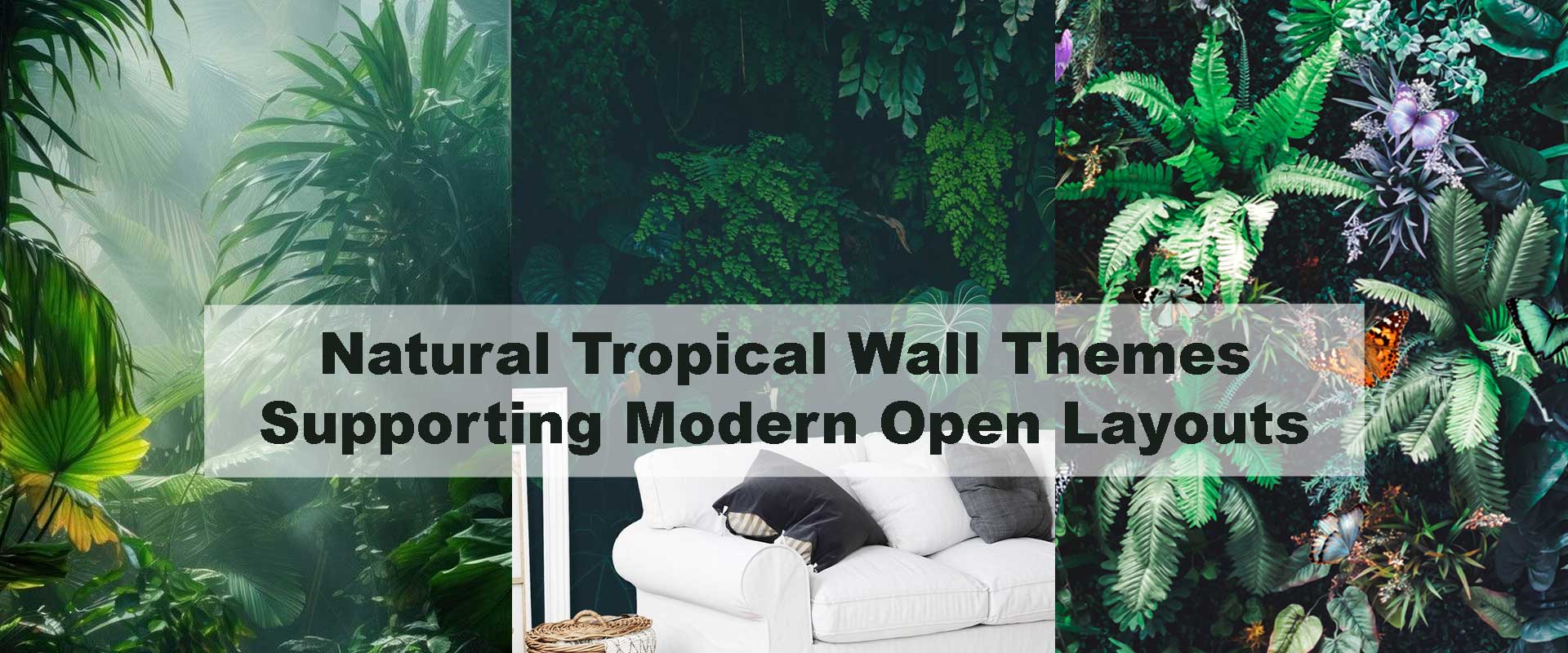
Modern open layouts live on light, movement, and visual balance, and few design elements support that atmosphere as beautifully as natural tropical wall themes. These patterns deliver calm, freshness, and layered depth within the first glance, helping large rooms feel grounded and intimate while giving smaller open-concept spaces a sense of continuous flow. In the first sweep of color and foliage textures, tropical motifs bridge architecture and nature, offering both visual direction and soothing energy that matches the rhythm of contemporary living.
Designers often rely on organic shapes to soften the sharp structural lines typically found in open layouts. That is where tropical patterns shine—curves, leaf silhouettes, and soft gradients invite movement that spreads gently from corner to corner. When placed strategically within busy social zones, these wallpaper styles guide the eye naturally without overcrowding your layout. Insights shared in How Can Tropical Wallpaper Make Small Rooms Feel Larger? show how foliage-based transitions help spaces breathe, and in open plans, this effect becomes even more impactful.
Why Tropical Wall Themes Fit Open Layouts Perfectly
Open layouts benefit from wall themes that introduce continuity rather than sharp visual stops. Tropical designs do this by weaving soft botanical cues across large planes, giving the room one unified sense of motion. Instead of segmenting areas with strong architectural divisions, these wallpapers create blended zones that still feel defined but stay visually connected.
Patterns from our forest collection are especially effective because their structured foliage rhythm helps anchor furniture arrangements without overwhelming them. You can shift moods simply by choosing deeper greens for calm social corners or breezier leaf patterns for spaces facing natural light. This natural flexibility allows tropical wall styles to work harmoniously with modern wood tones, metal accents, and neutral upholstery.
Homeowners also appreciate how tropical patterns bring depth without adding heaviness. Bold rainforest motifs introduce gentle layering that is ideal for large open rooms, while softer botanical gradients stay airy for compact layouts. This balanced density is a core reason tropical themes feel so intuitive in open-plan homes—it’s a visual language built on flow.
To enrich this movement, some designers use light coastal touches that echo breezy outdoor energy. Incorporating motifs from our coastal patterns section can subtly shift a large space from grounded green tones to relaxed beach-inspired openness.
How Tropical Themes Shape Movement in Open Layouts
Guiding the Eye Through Large Shared Zones
Movement is the quiet structure behind any successful open layout, and tropical wall themes naturally reinforce it. Their flowing leaf arcs, layered canopies, and sweeping palm silhouettes create visual momentum that guides the eye effortlessly from one area to the next. Instead of feeling scattered or undefined, the room gains a mapped sense of direction where each zone transitions gently without abrupt stops.
Designers frequently emphasize how layered greens help shape open-plan spaces, much like insights shared in What Tropical Wallpaper Style Works Best for Bright Living Rooms. In open settings, these patterns work almost architecturally—soft vertical foliage can elongate ceilings, while horizontal leaf sweeps can subtly frame dining paths or lounge edges. Even in loft-style layouts, tropical walls create movement that feels intentional yet relaxed, acting as silent visual cues that guide people through the environment without the need for physical dividers.
Defining Areas Without Hard Boundaries
Open layouts demand freedom, but they still need recognizable structure. Tropical themes excel at creating that balance by adding gentle zoning through variations in density, tone, and scale. Each shift in foliage becomes a visual marker that signals a new purpose or mood within the space.
Natural Clusters for Social Corners
Leaf clusters with slightly deeper tones or richer textures form inviting “pockets” ideal for seating areas or conversational spots. These clusters create micro-atmospheres that feel cozy without breaking the openness of the layout. Their layered detail naturally draws people inward, making small corners feel intentional rather than leftover.
Atmospheric Gradients for Dining Areas
Soft botanical gradients introduce warm transitions that complement dining zones beautifully. Patterns from our rainforest styles collection often feature gentle vertical depth, which encourages a sense of grounding and focus during meals. Instead of a flat backdrop, the dining area gains an atmospheric quality that feels serene yet connected to the rest of the layout.
Soft Tones for Transitional Walkways
Open layouts rely heavily on transitional passageways—spaces that connect one zone to another. Gentle green-washed motifs from the fresh green designs section create subtle shifts that guide movement without overwhelming the eye. These lighter tones help maintain brightness while supporting the room’s overall visual rhythm, ensuring walkways feel intentional rather than merely functional.
Adding Texture, Warmth, and Modern Calm
Tropical wallpapers also bring a much-needed layer of texture to open layouts, especially those leaning toward modern or minimal design. Their foliage patterns soften straight architectural lines and introduce natural variation that warms the room without clutter. Patterns inspired by texture and foliage strike a perfect balance—detailed enough to add character yet gentle enough to maintain clarity.
If your open plan embraces minimalist principles, wallpapers in the sunset tones range provide subtle washes of color that add warmth without drawing too much attention. These tones mimic the softness of late daylight, offering a quiet elegance that enhances spatial calm. Used across long connector walls or behind streamlined furniture, they bring modern serenity while preserving openness.
Choosing the Right Tropical Theme for Your Layout
When Space Is Large and Sun-Filled
Generous natural light paired with an open layout creates the perfect backdrop for immersive botanical themes. Bold foliage, layered greens, and canopy-inspired motifs thrive in these conditions, expanding the visual field without overshadowing sunlight. The height-enhancing effect of canopy patterns makes large layouts feel even more spacious, delivering striking depth that still feels breathable.
When Space Is Compact but Open
Smaller open-concept designs benefit from tropical themes with moderate density and smooth tonal transitions. Too much detail can overwhelm the room, but soft botanicals with airy spacing amplify openness. Water-inspired foliage from our watercolor murals collection adds artistic softness that feels perfect for compact living-dining combinations or cozy multi-use spaces. These diffused gradients create a floating sense of movement that enhances spatial clarity.
When You Need Subtle Mood Shifts
Not every open layout needs bold definition—some require quiet atmosphere changes that support different activities or times of day. Designs from the moody palettes range introduce grounded tones ideal for reading corners, evening relaxation zones, or intimate dining areas. Their deeper greens and shadowed foliage offer emotional warmth without interrupting the room’s overall flow. These moody hues act like gentle visual pauses, adding dimension and contrast to brighter parts of the layout.
Tropical Wall Themes for Open-Concept Homes
| Feature | Soft Botanical | Rainforest Dense | Watercolor Tropical |
|---|---|---|---|
| Visual Weight | Light | Medium to High | Very Light |
| Mood | Calm, airy | Energizing, layered | Artistic, soft |
| Best Use | Compact open rooms | Large, bright spaces | Transitional zones |
| Texture Effect | Subtle | Strong | Gentle wash |
| Styling Ease | Very easy | Moderate | Very easy |
Styling Tips for Blended Tropical Open Layouts
Use Natural Materials to Support the Theme
Tropical walls thrive when paired with finishes that echo the warmth of nature. Wood, rattan, cane, and woven grass textures introduce soft organic contrast that keeps open layouts from feeling overly architectural. Light oak, driftwood, and matte bamboo pair especially well with soft botanical wallpapers from the botanical themes section, because their gentle tones magnify the calming green palette without crowding the room. When combined with beige linen, cotton, or neutral stone accents, the entire layout gains a balanced harmony where natural surfaces and foliage patterns feel seamlessly connected.
Balance Scale With Minimal Furnishings
Open-plan rooms rely heavily on rhythm and proportion, so choosing the right furniture scale is essential. Large, bulky pieces can dominate the visual field and compete with the wallpaper’s layered greenery. Slim silhouettes, clean-lined sofas, and raised-leg furniture create visual breathing room that lets tropical motifs flow uninterrupted across the space. This works beautifully with deeper shades or expressive palms from collections such as deep jungle designs, where bolder foliage needs space to be appreciated. When the furniture footprint is minimal, the wallpaper becomes part of the architecture rather than a competing artistic element.
Bring in Plants to Enhance the Natural Flow
Nothing connects tropical walls with modern living more gracefully than indoor plants. They extend the color palette of the wallpaper into the room, making the entire layout feel immersive and cohesive. In open-plan settings, even a few large statement plants—like a fiddle-leaf fig, kentia palm, or bird-of-paradise—mirror the upward leaf movement found in many rainforest motifs, enhancing continuity between décor and pattern. If your wallpaper features soft watercolor botanicals, consider potted ferns or trailing vines to complement their airy energy. Plants also help shape subtle zoning within open layouts, reinforcing the natural pathways created by the wallpaper’s flow.
Blend One Feature Wall With Connector Walls
In open layouts, feature walls must feel intentional rather than isolated. When one wall showcases a bold tropical print, the surrounding connector walls should support the design with softer tones or lighter foliage transitions. This keeps the room visually open while giving the layout a strong anchor point. Wallpapers in sunset-washed gradients or muted botanical washes can wrap around adjacent walls, encouraging continuity without competing for attention. Pairing a vibrant feature wall with soft green transitional tones also helps frame seating areas, dining spaces, or reading corners while ensuring the rest of the room feels connected and cohesive.
FAQ
1. Can tropical wall themes overwhelm an open layout?
Not when selected correctly. Light botanical styles keep the room airy, while denser greens work beautifully in large sun-filled spaces.
2. Are tropical wallpapers suitable for minimalist open homes?
Yes. Minimalist spaces pair well with soft greens, subtle gradients, and clean leaf silhouettes.
3. Which tropical style works best in dining spaces?”
Soft gradients or watercolor botanicals provide warmth without overpowering conversation areas.
4. Do tropical wall themes complement modern materials?
Absolutely. They blend perfectly with metals, warm woods, concrete, stone, and neutral-toned fabrics.
5. Can I mix multiple tropical patterns in one open layout?
Yes, as long as tones match. Use one bold statement wall, then support it with softer botanical variations.
Conclusion
Natural tropical wall themes offer a layered, calm, and beautifully connected experience that fits flawlessly into modern open layouts. They guide movement, soften architectural transitions, and balance the openness that defines these homes. Whether you lean toward subtle botanicals or bold rainforest density, tropical patterns invite warmth and fluidity that elevate any shared living space. Allow these motifs to anchor your décor choices, and your open layout will feel both refreshing and deeply cohesive—ready for modern living with a natural soul.