Should I Choose Tropical or Jungle Wallpaper for Hallways?
Hallways play an interesting role in interior design: they connect the home, set the tone for movement, and influence how each room transition feels. When deciding between tropical or jungle wallpaper for hallways, many homeowners wonder which style brings the right balance of brightness, depth, and flow. Both themes offer beautiful nature-inspired elements, but each creates a different atmosphere based on color, scale, texture, and detail. Knowing the distinction helps you design a hallway that feels purposeful, inviting, and visually seamless.
Choosing between these styles also depends on whether you want soft, airy foliage that brightens the walkway or deeper, more immersive greenery that adds mood and character. Subtle botanical patterns from Jungle Tropical Wallpapers often introduce the flexibility needed for narrow or busy spaces, while bolder motifs add drama when the layout allows it. This guide breaks down how each option behaves in hallways, how lighting affects them, and which aesthetic fits your home’s flow most naturally.
Tropical vs. Jungle Wallpaper: What’s the Core Difference?
Tropical and jungle patterns often share a botanical foundation, yet the experience they create is distinct. Tropical themes lean toward brightness and rhythm, with palm fronds, breezy leaves, colorful accents, and sunlit undertones. Jungle wallpapers, on the other hand, introduce richer shadows, layered foliage, deeper greens, and atmospheric contrast that brings visual texture and a sense of depth. Understanding this difference is crucial because hallway spaces respond differently to light, pattern scale, and density than larger rooms.
How Tropical Wallpaper Feels in a Hallway
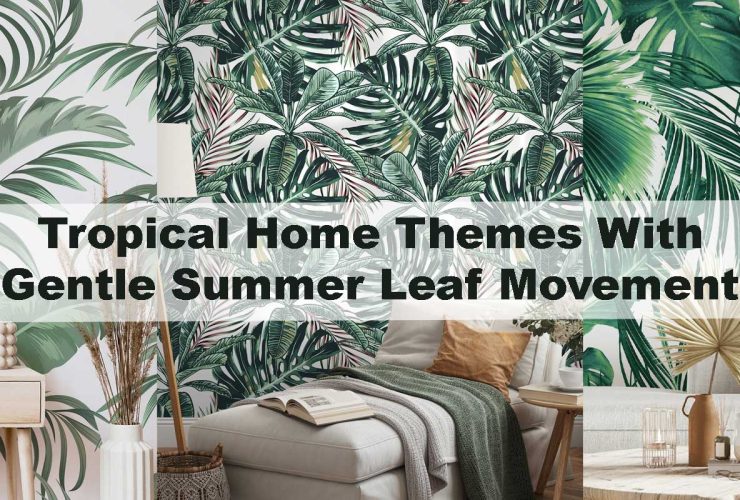
Tropical wallpaper tends to open up narrow hallways by introducing light, freshness, and movement. Smaller patterns and mid-tone shades prevent tunnels from feeling tight or enclosed, especially when paired with soft lighting. Styles inspired by airy fresh green designs or breezy coastal patterns work beautifully for homes seeking calm transitions with subtle vibrancy.
How Jungle Wallpaper Feels in a Hallway
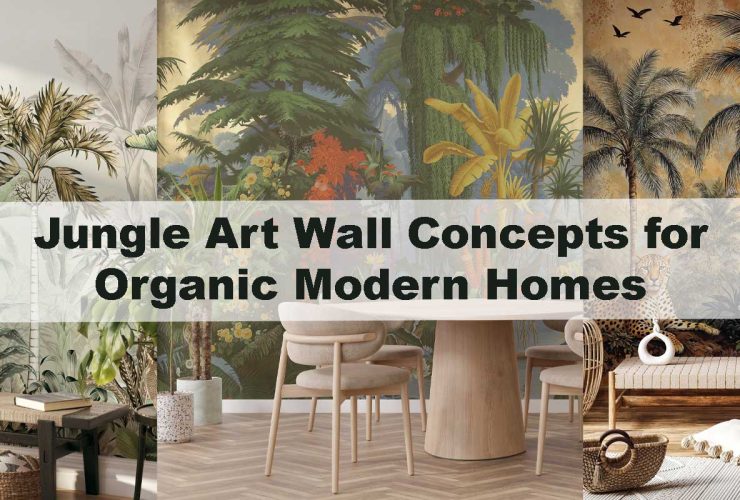
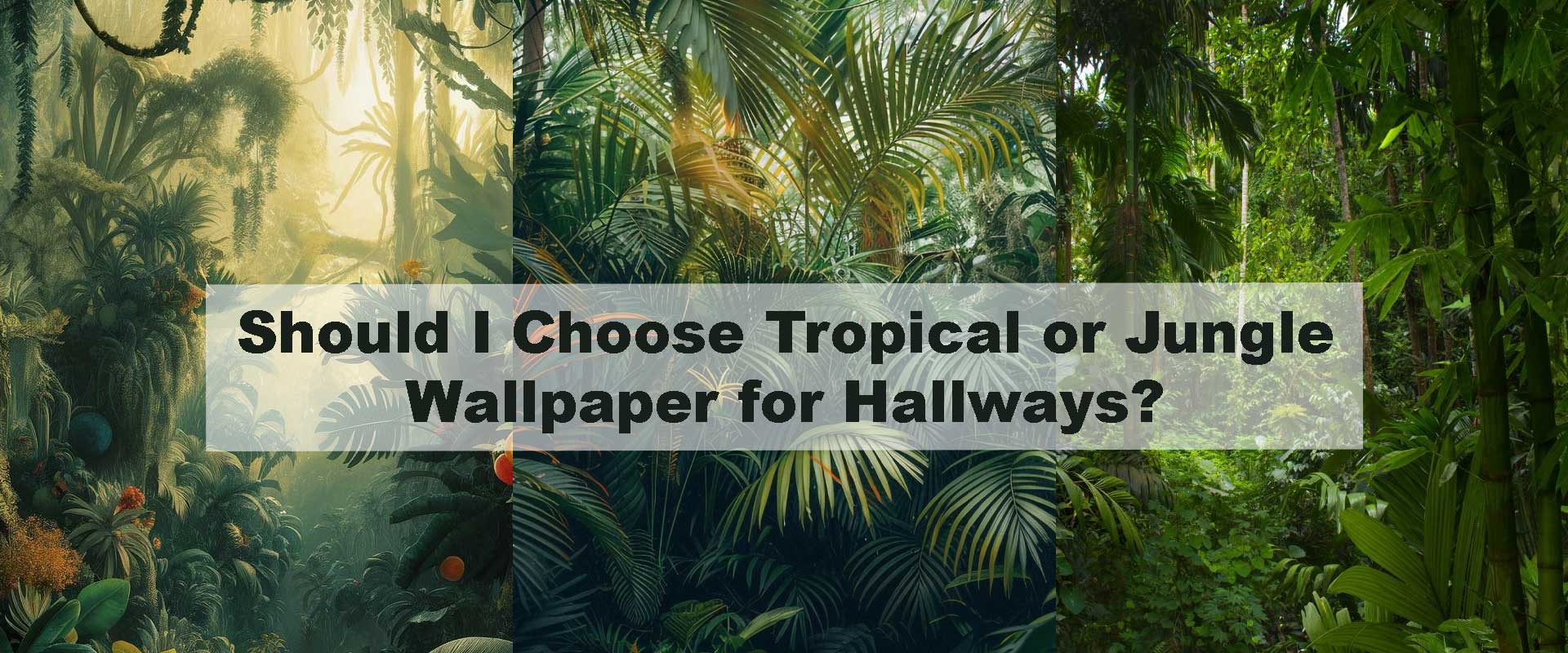
Jungle styles offer more dramatic layering, making them excellent when hallways need character or grounding energy. When patterns include subtle depth, misty gradients, or shadowed foliage, they create a quiet, intriguing pathway rather than overwhelming the space. Deep tones and layered greenery from deep jungle designs or moody palettes add richness that suits contemporary or nature-focused homes.
Which Style Works Best for Narrow Hallways?
Narrow hallways often struggle with limited natural light and a tight visual envelope. Using tropical wallpaper here can help the walkway feel airy and extended. Palms and open-leaf patterns reflect light more easily, making tight spaces feel less confined. Soft greens, light neutrals, and gentle movement across the pattern create a balanced flow that doesn’t disturb sightlines.
For homeowners who prefer jungle aesthetics, choose murals with lighter layering rather than dense, shadow-heavy visuals. Mist-filled scenes, subtle foliage, or vertical-flow greens prevent the hallway from feeling boxed in. The key is avoiding highly detailed or extremely dark jungle patterns in very tight hallways, as these may compress the space visually.
Should You Use Bold or Subtle Designs?
The pattern scale dramatically influences how hallways feel. Subtle, medium-scale tropical prints maintain harmony across long, narrow stretches of wall. They add liveliness without becoming visually loud. On the other hand, bold jungle murals work well when you want the hallway to act as a design statement—especially in shorter hallways or those with good lighting.
When Bold Jungle Patterns Make Sense
- Your hallway has natural light
- You want a dramatic entrance or connecting route
- Your home’s aesthetic is modern, organic, or expressive
- You prefer moody or atmospheric design elements
When Subtle Tropical Patterns Are Better
- Your hallway lacks natural light
- The walkway is long or narrow
- You want a soft transition between rooms
- You prefer breezy, uplifting décor
Does Lighting Change the Decision?
Lighting plays one of the most powerful roles when choosing between tropical or jungle wallpaper for hallways. In bright or softly diffused lighting, tropical designs come alive with gentle highlights that bounce off the palms and open-leaf patterns, giving narrow hallways a light, fluid sense of movement. These wallpapers almost “wake up” under warm tones, helping dim or enclosed walkways feel brighter without overwhelming the space.
Jungle wallpapers respond differently—they become more expressive as the lighting becomes directional. Side lighting, sconces, or even spaced ceiling spots cast subtle shadows across overlapping foliage, enhancing the natural depth hidden within the pattern. Instead of merely brightening the hallway, lighting creates a layered effect, turning each step through the space into an immersive transition that feels like entering a lush, quiet passageway.
How Color Temperature Impacts Hallway Design
Color temperature determines how hallway wallpaper behaves from morning to evening. Warm lighting elevates tropical palettes by enriching soft greens, golden undertones, and airy plant forms. This creates a positive, uplifting flow that suits hallways aiming for natural brightness and smooth continuity between rooms.
Cooler or neutral white lighting enhances the realism and shadow play of jungle patterns. It sharpens the layered foliage and deep gradients, making the pattern feel grounded and dimensional without darkening the hallway. When balanced correctly, the space feels calm yet intriguing—like a gentle moment of retreat between the home’s more active rooms. This interaction between color temperature and wallpaper style makes the hallway feel intentional rather than purely transitional.
Will Patterns Overwhelm a Small Hallway?
Homeowners often worry that botanical wallpapers will shrink or overpower a compact hallway, but the effect depends more on pattern density and tonal balance than the style category itself. Light tropical prints, with their breezy spacing and soft contrasts, settle naturally into small corridors, adding freshness without stealing attention from the walkway’s structure. Paired with simple décor and clean trim, they maintain both clarity and movement.
Jungle wallpapers can also work beautifully in small hallways when the foliage is moderately detailed and the tones sit within a gentle contrast range. These patterns add subtle depth rather than heaviness. The only time they risk overwhelming the space is when the design features very dense vegetation or dramatic shadowing across the entire mural. For those who love the jungle look but prefer caution, choosing styles with soft gradients, misty layers, or controlled contrast creates the perfect middle ground.
Which Style Is Better for Creating Continuity Between Rooms?
Hallways act as the pulse of a home, carrying atmosphere from one space to another, so choosing a wallpaper that supports continuity is essential. Tropical patterns often excel here, offering soft greens, breezy movement, and balanced spacing that naturally guide the eye from room to room. Their mid-tone palette makes them adaptable to a wide range of décor styles—coastal, modern, botanical, or Scandinavian—while maintaining smooth visual flow. This quality is especially helpful in compact homes where the same gentle rhythm that helps rooms feel connected also mirrors the spatial principles described in How Can Tropical Wallpaper Make Small Rooms Feel Larger?, where light, spacing, and foliage movement all contribute to cleaner transitions.
Jungle wallpaper provides a different kind of continuity—more expressive, more atmospheric, and perfect for interiors where each room has a strong identity. These patterns work beautifully when you want the hallway to signal a shift in mood, introducing rich shadows or layered foliage that gently lead into deeper-toned living areas. When the design shares at least one color family with adjoining rooms, the hallway becomes a curated passage, creating intentional storytelling rather than simply a walkway.
Does Your Interior Style Influence the Best Choice?
Yes—your home’s overall style strongly influences whether tropical or jungle wallpaper suits your hallway best.
Homes That Suit Tropical Wallpaper
- Coastal, light, or airy aesthetics
- Minimalist settings with soft colors
- Interiors with white, cream, or natural wood tones
- Homes aiming for relaxed, welcoming movement
Homes That Suit Jungle Wallpaper
- Contemporary or earthy interiors
- Homes with dark woods, stone, or textured finishes
- Spaces where richness and depth feel intentional
- Interiors seeking dramatic or immersive moments
How Do You Prevent Visual Clutter in Hallways?
Hallways often host doors, switches, vents, and frames. Using patterns with medium spacing and coordinated tones reduces the feeling of clutter. Tropical designs blend seamlessly with these elements due to their breezy, open-leaf arrangement. Jungle designs also work if the foliage lines flow consistently across the wall, helping visual elements blend rather than stand out.
Pairing the wallpaper with consistent trim color, clean-lined lighting, and minimal wall décor ensures the hallway remains cohesive and uncluttered.
Tropical vs. Jungle Wallpaper in Hallways
| Feature | Tropical Wallpaper | Jungle Wallpaper |
|---|---|---|
| Overall Mood | Breezy, bright, uplifting | Deep, immersive, grounded |
| Best for Small Hallways | Excellent | Good with lighter designs |
| Lighting Compatibility | Warm or dim lighting | Natural or cool lighting |
| Pattern Density | Light to medium | Medium to high |
| Visual Impact | Subtle elegance | Strong character |
| Styling Ease | Very easy | Moderate |
| Best Pairing | Bright neutrals, minimal décor | Dark woods, stone textures |
Should You Mix Tropical and Jungle Styles in Different Hallways?
Mixing tropical and jungle wallpapers across hallways can work beautifully when each transition feels intentional. Many homes naturally have hallways of different widths or lighting conditions, making it practical to assign each area a unique atmosphere. Using tropical wallpaper in the main corridor introduces brightness and gentle movement, helping the home feel open from the moment you step inside. Then, shifting to jungle wallpaper in a deeper or secondary hallway creates a sense of discovery—a subtle shift that feels immersive rather than abrupt. This progression builds a visual narrative that guides people through the home with rhythm and purpose.
To keep the mix cohesive, ensure both wallpapers share at least one unifying element. A consistent green palette, warm neutral undertones, or repeating botanical shapes helps the designs speak to each other naturally. This keeps the transition smooth, even when the styles differ in depth or intensity. Thoughtful blending allows the home to feel curated and layered, giving each hallway its own identity while maintaining harmony across the full interior flow.
Conclusion
Choosing between tropical or jungle wallpaper for hallways ultimately depends on the atmosphere you want to create. Tropical designs brighten tight spaces, add breezy rhythm, and offer smooth transitions. Jungle wallpapers bring depth, intrigue, and immersive character that support modern or nature-rich décor. Whether you prefer airy movement or rich layering, both styles transform hallways into purposeful, inviting pathways. For design flow and visual harmony, nature-inspired wallpapers remain one of the most effective ways to give hallways meaning and warmth.