Timeless damask motifs bringing heritage elegance to modern interiors
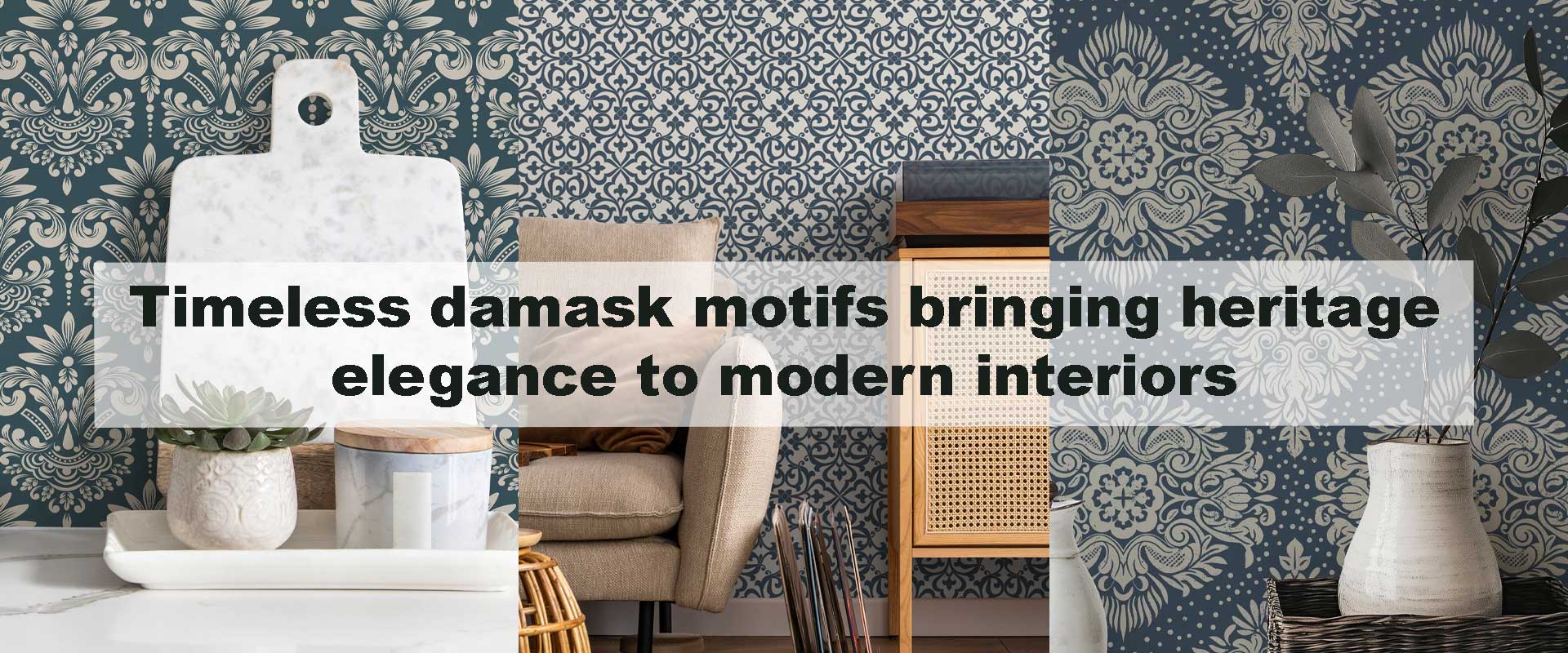
Timeless damask motifs bringing heritage elegance to modern interiors have become one of the most compelling design shifts of recent years. Homeowners who once favored ultra-minimal spaces now gravitate toward patterns that carry quiet history, gentle ornamentation, and sculpted texture. Damask answers that desire with its graceful curves, balanced symmetry, and refined presence that elevates walls without overwhelming them. In contemporary rooms filled with clean lines and neutral palettes, its layered softness acts as a visual counterpoint—adding warmth, character, and a sense of crafted luxury.
This renewed interest reflects a broader movement toward meaningful décor choices. Instead of bold maximalism, today’s interiors lean into patterns that whisper heritage rather than declare it. A damask wall instantly enriches a space, whether it supports a minimalist living room, a serene bedroom palette, or a transitional space needing subtle historical charm. This synergy echoes the lasting appeal found in Vintage Wallpaper, where classic artistry effortlessly complements modern silhouettes.
Understanding the Damask Language: Motifs, Symmetry, and Storytelling
Damask as an Art of Repetition
Damask motifs rely on mirrored symmetry, stylized florals, scrolling foliage, and regal silhouettes. These elements work together to create a visual cadence that appears continuous yet gently sculpted. In contemporary interiors, this sense of order becomes a tool to restore balance in open-plan spaces or large blank walls.
Motif Variations That Define Style
- Botanical Damask
Pairing organic flourishes with airy spacing, botanical versions deliver softness ideal for bedrooms or transitional hallways. These motifs easily harmonize with pieces featured in Botanical Vintage Wallpaper. - Ornamental Damask
Rich curves, deeper contrasts, and metallic touches make these versions perfect for dining rooms, lounges, or formal sitting areas. Their structural grace aligns with the visual intention of Ornamental Vintage Wallpaper. - Geometric-Infused Damask
Contemporary makers often blend lattice structures into traditional curves, creating hybrid motifs that feel chic and modern rather than historical.
Through these variations, damask becomes less about historical reproduction and more about evolving elegance. This versatility is also echoed in modern guidance found in Vintage floral wallpaper ideas that transform classic living rooms, where classic patterns are shown enhancing fresh silhouettes effortlessly.
Why Damask Harmonizes Perfectly With Modern Interiors
1. A Sculpted Backdrop With Minimalist Appeal
Damask may have originated in aristocratic interiors, yet its modern interpretations carry a quiet softness that aligns beautifully with today’s pared-back environments. Designers now favor tone-on-tone layers, diffused gradients, and smooth contours that gently fade into the wall rather than sit heavily on it. This subtlety allows damask to enrich minimalist rooms with dimension and warmth, adding a crafted backdrop that supports contemporary styling instead of competing with it. The effect feels intentional—character added without clutter.
2. Heritage Softness Against Contemporary Geometry
Modern architecture often leans on straight lines, angular silhouettes, and crisp structural precision. Damask acts as a visual counterbalance, introducing lyrical curves, botanical sweeps, and ornamental rhythm that soften the geometry. This interplay enhances spatial harmony; sharp lines feel more approachable, and curved motifs gain clarity through contrast. It’s this meeting point—heritage fluidity resting against modern simplicity—that gives damask its uniquely refined presence in updated interiors.
3. The Versatility of Color in Damask Design
Color plays a defining role in how damask behaves within a room. Today’s palettes move far beyond traditional opulence, offering airy neutrals, powdery pastels, muted olives, smoky charcoals, and jewel-rich depths.
- Warm neutrals introduce grace without overwhelming the room, letting the pattern quietly support layered décor.
- Soft pastels brighten intimate corners, ideal for spaces needing gentle uplift.
- Dark tones build mood and sophistication, turning feature walls into elegant focal points.
This ability to shift personality through color echoes the balanced styling seen in How traditional striped wallpaper adds refined symmetry to bedroom walls, where calm rhythm and structured detail elevate modern spaces with ease.
Damask Motifs for Different Rooms: A Detailed Design Breakdown
Living Rooms: Elevating Social Spaces Without Overstatement
Damask brings instant sophistication to living areas by grounding conversation zones and elevating seating arrangements. Tone-on-tone taupes or greys complement contemporary sofas, while metallic-infused patterns highlight layered lighting. When paired with curated décor—sculptural vases, soft textiles, and clean-lined coffee tables—the room feels luxurious yet approachable.
Dining Rooms: Sculptural Ambience for Hosting
Formal or semi-formal dining rooms benefit from damask’s sense of structure. The pattern naturally frames dining tables and accentuates pendant lighting. For a bolder look, jewel-toned damask with subtle shimmer enhances evening ambience. For modern minimalists, neutral damask in beige or ivory offers refined elegance grounded in simplicity.
Bedrooms: Calm Curves That Encourage Rest
Bedrooms thrive on softness and layered comfort. Damask—especially botanical or watercolor-toned variations—introduces flowing shapes that ease the eye. Muted palettes help preserve the calmness essential for restful interiors. For a modern twist, pair damask with matte black accents, linen bedding, or sculptural nightstands.
Entryways and Hallways: First Impressions That Last
Damask is exceptional for transitional spaces because it gives even small or narrow areas a sense of intentional styling. Lighter colors brighten tunnels, while darker options make large foyers feel dramatic and enveloping.
Comparing Damask With Other Heritage Patterns
| Feature | Damask | Toile | Chinoiserie | Baroque Scrollwork |
|---|---|---|---|---|
| Visual Style | Symmetrical, repeating motifs | Narrative scenes | Nature-inspired brushwork | Bold spirals and rich ornamentation |
| Mood | Elegant, balanced, timeless | Story-like and whimsical | Graceful, detailed, artistic | Dramatic and lavish |
| Best For | Modern-classic, transitional rooms | Feature walls | Dining and living spaces | Large rooms needing impact |
| Complexity Level | Moderate | High | High | High |
| Works in Minimalist Interiors? | Yes | Sometimes | With restraint | Rarely |
How to Choose Damask Wallpaper for Your Style
1. Determine the Mood You Want
Every damask pattern carries its own emotional tone, so begin by clarifying the atmosphere you want your room to express.
- Warm and welcoming interiors benefit from beige, taupe, champagne, or soft gold damask, which brings a gentle radiance without overpowering the space. These hues warm modern furniture instantly and feel timeless across seasons.
- Regal and dramatic rooms thrive on deeper shades—navy, emerald, oxblood, or charcoal with metallic detailing. These combinations heighten depth and create a statement backdrop that feels luxurious yet contemporary.
- Light and serene spaces come alive with pastel blush, powder blue, dusty lavender, or whisper-soft greys. Their softness helps small or naturally dim rooms feel more open and calming, especially in bedrooms or quiet lounges.
Align the palette with how you intend the room to function—energetic spaces benefit from richer tones, while restorative environments thrive on gentle gradients.
2. Consider Scale Relative to Your Room
Motif scale dramatically changes how damask behaves in your interior.
- Large-scale damask delivers grandeur, allowing bold motifs to breathe across broad walls. This scale works beautifully in living rooms, dining rooms, or open-concept layouts where the added drama feels grounded.
- Small-scale damask feels refined and detailed, ideal for compact bedrooms, hallways, or corners where you want sophistication without visual weight. Its finer rhythm keeps tight spaces from feeling crowded.
When in doubt, consider how far you’ll typically stand from the wall—greater distance favors larger motifs, while intimate proximity prefers tighter detailing.
3. Select the Right Finish
The finish determines how the pattern interacts with light, depth, and texture in the room.
- Matte damask softens visual impact, making the pattern appear almost woven into the wall. It suits modern spaces where understated elegance is essential.
- Satin damask introduces a gentle sheen that catches ambient light, creating a subtle glow during evening hours. Ideal for spaces with layered lighting or metallic décor.
- Textured damask adds tactile richness, enhancing both shadow and dimension. Raised inks, embossing, or fabric-inspired surfaces create a crafted backdrop that instantly elevates refined interiors.
Textured designs complement selections such as those found in Textured Vintage Wallpaper, especially when you want a space to feel deeply layered yet serene.
4. Ensure Coordination With Furniture Lines
Damask and furniture must work as partners, not competitors.
If your furnishings feature strong carvings, ornate legs, or sculptural silhouettes, a softer, more understated damask ensures the room remains balanced. Conversely, if your furniture is streamlined and contemporary, a more expressive pattern can serve as a sculptural element behind it. The goal is visual harmony—let either the motif or the furniture lead, and allow the other to support.
This approach keeps the room cohesive, ensuring that heritage elegance flows seamlessly through a modern layout.
Popular Color Palettes and Their Impact on Modern Décor
Warm Earth Tones
Warm earth-tone damask—shades of beige, sand, cappuccino, and honeyed gold—brings a grounded sophistication to modern interiors. These hues echo natural materials like limestone, warm oak, or woven fiber, allowing the motif to feel organically embedded within the room rather than layered on top. Their quiet glow is especially effective in lounges, open-plan homes, and contemporary living rooms, where the goal is to add depth without visual heaviness. The pattern becomes a soft architectural anchor, radiating gentle warmth that elevates both daylight and evening ambience.
Moody Noirs and Charcoal Greys
Deep noirs and charcoal greys deliver a different kind of refinement—moodier, more sculptural, and intentionally dramatic. When paired with damask’s symmetrical flourishes, dark hues create striking silhouettes that gently rise from the wall like shadowed carvings. This palette suits reading corners, formal dining rooms, and bedroom feature walls that thrive under low, ambient lighting. Candlelight, wall sconces, or warm LEDs pick up metallic threads and subtle textural peaks, transforming the wall into a sophisticated, theater-like backdrop that enhances intimacy and depth.
Soft Pastels
Soft pastels—blush, misty lavender, powder blue, and muted jade—bring a calm, airy elegance perfect for rooms that benefit from gentle uplift. These palettes diffuse natural light beautifully, making compact spaces feel brighter and more open. In modern interiors, pastel damask acts as a quiet counterbalance to sleek furniture, pairing especially well with pale woods, linen upholstery, and warm neutral accents. The result is a breezy, serene environment where the motif enriches the space without imposing on its simplicity.
Neutral Monochromatic Sets
Neutral monochromatic damask—variations of ivory, greige, warm white, and soft dove grey—offers an understated yet highly sophisticated interpretation of the pattern. By keeping hue contrasts subtle, the motif reveals itself through shadow, texture, and light reflection rather than bold coloration. This approach makes it ideal for minimalist homes seeking depth without ornamentation. Shade-on-shade combinations create a sculpted, architectural effect that feels modern while still nodding gently to heritage craftsmanship. The walls become a calm, textured canvas that supports any décor direction with quiet elegance.
Damask in Minimalist Homes: Making Heritage Feel Modern
Minimalist interiors often rely on clarity, restraint, and clean geometry, yet damask proves that a pattern rooted in heritage can thrive beautifully in these pared-back environments. When chosen thoughtfully, it becomes a quiet sculptural accent rather than a dominant decorative gesture. Opting for limited color contrast ensures the motif dissolves gently into the wall, allowing its texture and symmetry to whisper rather than shout. Airier motifs—those with open spacing and softened contours—maintain the visual calm that minimalism requires, while still giving the room subtle identity.
Restricting the pattern to a single accent wall preserves spatial simplicity, transforming that surface into a serene backdrop that anchors the room without disrupting its clarity. Pairing damask with clean-lined furniture and crisp architectural forms enhances this balance; the linear elements sharpen the room’s structure, while the motif softens the atmosphere with gentle curvature. The result is a minimalist setting that still feels personal and layered, where damask becomes a signature of character rather than a stylistic departure.
Damask in Eclectic and Transitional Interiors
Eclectic spaces embrace unexpected pairings, varied textures, and design storytelling. Damask fits seamlessly into this expressive environment because its heritage-rich patterning acts as a bridge between eras and styles. Its ornamental rhythm pairs beautifully with rattan furniture, adding warmth and grounding natural texture with refined pattern. Velvet seating gains even more depth when framed against damask, creating a lush interplay between matte walls and plush fabrics. Sculptural ceramics and industrial lighting offer contemporary contrast, giving the room an intentional tension between softness and boldness.
Framed sketches, vintage artworks, or classic prints layered over damask introduce an art-gallery charm while maintaining cohesion through repeated curves and tonal harmony. For transitional interiors—which blend traditional comfort with modern simplicity—damask is even more impactful. It becomes the element that gently ties old and new together, ensuring the space feels curated, connected, and emotionally warm without drifting into nostalgia.
How Lighting Elevates Damask Design
Light is the final collaborator in damask’s visual beauty. The pattern comes alive under shifting illumination, responding sensitively to both natural and artificial sources. Metallic inks, satin accents, or raised textures glow subtly under warm lighting, creating moving highlights that glide across the wall as the day progresses. Morning light softens matte finishes into a velvety haze, allowing motifs to reveal themselves gradually and organically, while afternoon light sharpens edges and enriches tone contrasts.
In the evening, damask transforms entirely. Soft sconces, table lamps, or warm LEDs coax out dimensional shadows from embossed motifs, giving the pattern a sculptural presence even in low-light settings. This interplay of highlight and shadow creates a sense of depth that feels almost architectural. With the right lighting choices, damask becomes more than a pattern—it becomes a living surface that shifts mood, enhances ambience, and enriches the room’s overall atmosphere.
Damask Motifs Through the Lens of Texture
Flat-Print Damask
Flat-print damask is the purest expression of pattern—sleek, seamless, and visually calm. Without raised detailing or reflective finishes, the motif settles gently into the wall, behaving almost like soft architecture rather than surface decoration. This makes it ideal for minimalist homes or modern interiors where texture must be present without stealing attention. The pattern’s beauty emerges through contrast, rhythm, and negative space, offering visual sophistication without any physical relief. Flat-print versions also adapt effortlessly to tone-on-tone palettes, giving the room a quiet sculpted backdrop that enhances furniture, lighting, and art with subtle precision.
Embossed or Textured Damask
Embossed or textured damask introduces depth that you can both see and sense, adding a tactile richness that feels elevated even in understated rooms. The raised elements mimic woven fabrics, carved detailing, or heritage textile techniques, bringing a handcrafted quality that resonates with traditional and transitional interiors. Under angled lighting, the embossed texture creates a soft interplay of shadow and highlight, transforming the wall into a dimensional feature rather than a flat surface. This style suits formal living rooms, dining environments, and bedroom accent walls where the goal is to evoke warmth, intimacy, and refined character. Its subtle tactility makes the room feel more layered, more curated, and more intentionally designed.
Metallic or Foil Damask
Metallic and foil damask introduces a dramatic interplay of sparkle, reflection, and soft radiance—ideal for spaces that thrive during evening hours. Gold, silver, pewter, and champagne foils catch even the faintest light, creating moving highlights that ripple gently across the motif as you shift position. This type of damask pairs beautifully with moody color palettes, sculptural lighting, and luxe materials such as velvet or smoked glass. In dining rooms, lounges, or intimate entertainment spaces, metallic damask becomes atmospheric and theatrical, giving the walls a sense of depth and glamour that evolves gracefully from day to night. It offers not just elegance, but ambiance—an immersive glow that adds emotional warmth to modern interiors.
Using Damask to Anchor Feature Walls
Damask is uniquely powerful in feature-wall applications because its mirrored symmetry behaves like visual architecture—steady, structured, and rhythmically composed. Instead of simply filling space, the motif creates a vertical anchor that shapes the room’s energy. In modern interiors where clean lines dominate, this sculpted pattern becomes the soft counterbalance that guides the eye and defines the room’s focal direction.
It works exceptionally well behind headboards, where the pattern frames the sleeping zone with quiet elegance, almost like a fabric-inspired canopy. Behind sofas, damask introduces depth that enriches living spaces without competing with contemporary seating silhouettes. In dining settings, the motif enhances ambience, helping the table feel grounded and intentionally centered under pendant lighting. Damask also elevates transitional areas; behind entry consoles, it provides immediate character, while large mirrors gain richness as the pattern subtly reflects around the glass edges.
Pairing damask with complementary motifs—florals, tonal geometrics, or soft botanical accents—creates layered sophistication without overwhelming the wall. The key is harmony: let damask establish the foundational rhythm, and allow every additional texture or pattern to echo its calm, sculpted presence.
Styling Tips for Layering Décor With Damask Walls
Furniture
Furniture acts as the visual partner to damask. Clean-lined pieces highlight the motif’s curvature, allowing the pattern to breathe and reveal its structure. Soft upholstery—linen, boucle, velvet, or wool—adds tactile depth that pairs effortlessly with damask’s sculpted silhouette. When the pattern is bold or detailed, choose simplified furniture profiles so the wall remains the quiet anchor of the space. Inversely, if the furniture is sculptural or commanding, select a more subdued damask that supports rather than competes.
Textiles
Textiles are essential for softening the contrast between damask and modern interiors. Natural fabrics such as linen, velvet, and wool absorb light beautifully, giving the pattern behind them a gentle halo rather than a hard edge. Muted tones—dusty taupe, soft sage, warm greige—echo the wall’s palette and maintain continuity across the room. Layering throws, cushions, and rugs in tonal variations adds depth, ensuring the damask enriches rather than visually overloads the space.
Metal Accents
Metal accents elevate damask by emphasizing its curves and symmetry. Brushed gold introduces warmth, complementing cream or champagne damask; bronze enriches jewel-toned walls; matte black frames the motif with dramatic precision. Place metal accents strategically—table lamps, console hardware, sculptural trays—so they catch the light and highlight subtle pattern shifts without overwhelming the design.
Art and Frames
Art should harmonize rather than compete with damask. Minimalist frames in black, gold, or light wood create clean borders that allow the pattern to act as a refined backdrop. Monochrome sketches, tonal abstracts, or simple line drawings offer depth while maintaining calm visual flow. When layering art over damask, consider spacing: leaving generous breathing room between pieces allows the motif’s symmetry to remain readable, ensuring the wall feels intentional, curated, and elegant.
A Room-by-Room Damask Styling Guide
1. Modern Living Room
A warm neutral damask behind the sofa instantly elevates the living room by giving it a gentle architectural backbone. Tone-on-tone palettes—champagne, soft latte, warm greige—create a serene wash of pattern that feels sophisticated rather than ornate. Pairing this backdrop with brass or brushed gold lighting adds a refined glow, while textural throws and layered cushions introduce tactile depth that complements the motif’s soft curves. The wall becomes a quiet statement piece, shaping the room’s rhythm without overshadowing contemporary furniture lines. This pairing allows the space to feel welcoming, curated, and visually complete.
2. Contemporary Bedroom
Soft grey damask sets a soothing stage for bedrooms by creating a subtle sense of enclosure—calming but not heavy, graceful yet entirely modern. Its gentle shifts in tone guide the eye across the wall without demanding attention, making it the perfect backdrop for sleep-centric spaces. Pair it with crisp white linens, sculptural bedside tables, and warm neutral accents to enhance tranquility. The interplay of soft pattern and clean geometry creates an atmosphere that feels intentionally balanced. Add layered lighting—warm bedside lamps, low sconces, or diffused LEDs—to highlight the pattern’s quiet texture and amplify the room’s restorative mood.
3. Transitional Dining Space
Jewel-toned damask—emerald, midnight blue, garnet, or amethyst—brings a sense of evening drama to dining rooms without slipping into formality. Against charcoal seating, the motif introduces depth, richness, and sculptural rhythm, turning the dining area into an elegant setting for slow dinners and shared moments. Candles, amber glass accents, or soft pendants enhance the shimmer within the motif, giving the space a subtle theatrical glow. The contrast between modern seating and heritage-inspired damask creates a sophisticated tension that defines transitional décor beautifully: contemporary, yet meaningfully rooted in tradition.
4. Compact Home Office
In smaller workspaces, a small-scale damask can be transformative—adding refinement while maintaining clarity and focus. The tighter motif reads as elegant texture rather than overt pattern, giving the wall a sense of intention without visual clutter. This helps the office feel elevated but not distracting. Paired with minimalist shelving, matte black hardware, and light wood desks, the damask becomes an elegant backdrop that nurtures both productivity and style. It also softens the technological edges of screens, task lighting, and office accessories, making the room feel more like a designed interior and less like a workspace.
Damask for Modern Luxury: Quiet Grandeur Without Excess
Modern luxury has shifted away from overt ornamentation and toward intentional refinement—spaces that feel composed, calm, and emotionally resonant. Damask embodies this evolution. Its historical richness finds new expression through muted color gradients, softened contrasts, and balanced symmetry, giving walls a sculpted elegance that feels timeless yet unmistakably current.
A thoughtfully chosen damask can transform even a simple room: a matte charcoal version turns a wall into an atmospheric focal point; a champagne satin finish creates luminous warmth; a textured taupe damask introduces handcrafted depth that feels intimate rather than elaborate. This quiet grandeur is the hallmark of modern luxury—refinement that whispers instead of announces, patterning that elevates without excess, and craftsmanship that enriches the home without overwhelming it.
Damask’s ability to blend heritage with serenity makes it one of the most enduring ways to bring sophisticated character into today’s interiors.
Conclusion
Damask is more than a pattern—it is a visual language that blends historical craftsmanship with contemporary restraint. Its timeless symmetry, gentle curves, and sculpted textures give modern interiors depth, emotion, and identity. When thoughtfully selected in muted or tonal palettes, damask becomes an elegant companion to modern furniture, lighting, and layout choices. If you want your home to reflect quiet grandeur paired with modern simplicity, damask motifs offer a heritage-rich pathway to expressive yet balanced design.
Frequently Asked Questions
Is damask too traditional for modern interiors?
Not at all. Modern damask designs use softer contrasts, tone-on-tone palettes, and streamlined detailing, allowing the pattern to complement clean lines and contemporary furniture. Instead of feeling old-world, it brings quiet sculptural depth and refined balance.
Which rooms benefit most from damask wallpaper?
Damask works beautifully in living rooms, bedrooms, dining areas, and entryways. Its symmetrical rhythm provides structure, while its gentle curves soften the room. The pattern adapts easily—from understated neutrals in serene spaces to jewel tones for evening-focused rooms.
Does damask make small rooms feel crowded?
Not when scale and color are chosen thoughtfully. Small-scale motifs in light or tone-on-tone palettes create gentle visual movement without overwhelming the walls. In compact offices or bedrooms, this adds refinement while maintaining openness.
How do I pair damask with modern furniture?
Let one element take the lead. If the furniture has strong geometry or sculptural presence, choose a subtle damask. If the furniture is minimal, a richer pattern can provide personality. Clean silhouettes, soft textiles, and warm metal accents often create the ideal balance.
What lighting works best with damask wallpaper?
Warm ambient lighting—sconces, table lamps, soft LEDs—brings out the pattern’s depth. Metallic or textured damask responds especially well, revealing highlights and shadowing that shift throughout the day. Natural light softens matte finishes and enhances tonal patterns.
How do I choose the right damask color for my interior?
Start with the room’s desired mood. Neutrals create calm sophistication, dark tones add drama, and soft pastels brighten intimate spaces. Consider how natural light enters the room, the palette of your furniture, and whether you want a statement or a subtle backdrop.