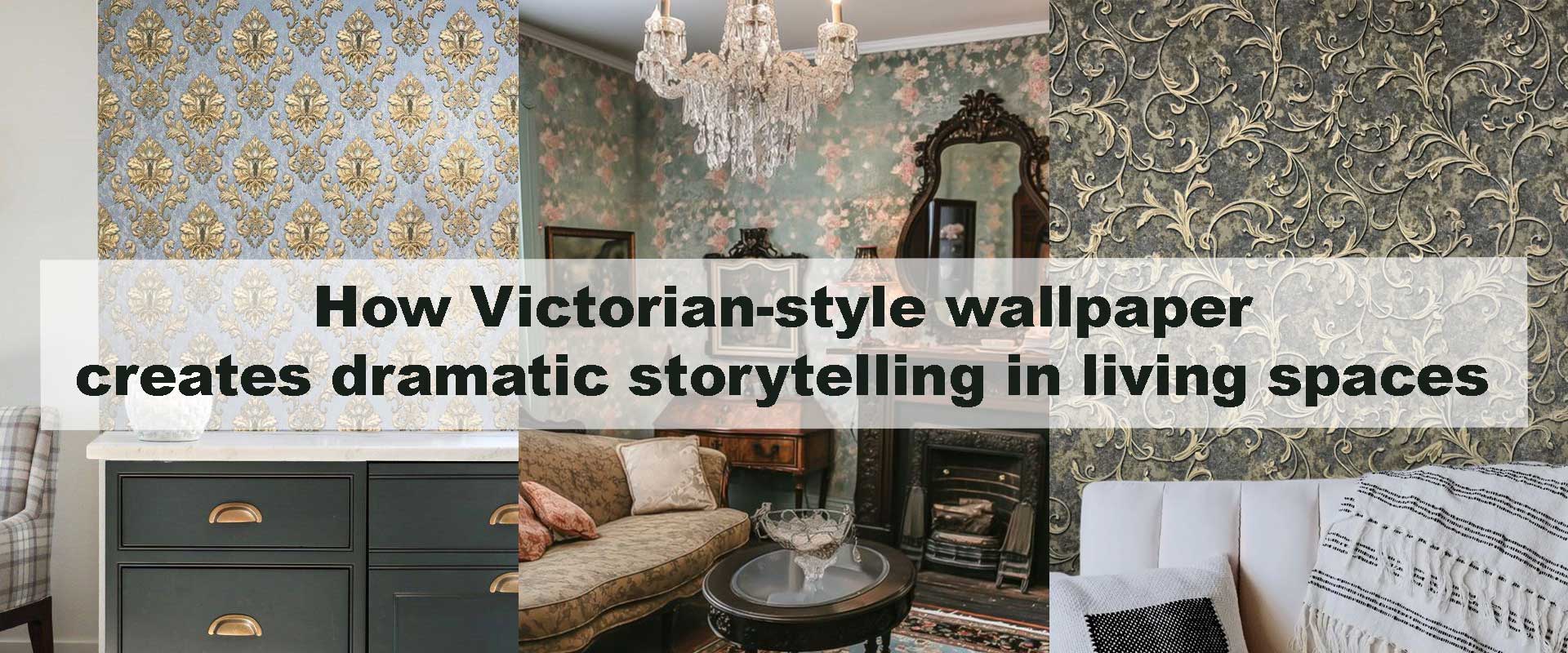
How Victorian-style wallpaper creates dramatic storytelling in living spaces
Victorian-style wallpaper has always possessed a captivating ability to turn ordinary rooms into expressive, atmosphere-rich interiors. Within the first few moments of seeing it, your eye senses layers of history, craftsmanship, and emotional depth—an experience that explains why so many homeowners are rediscovering the storytelling potential of ornate patterns, especially when browsing legacy-inspired designs similar to those highlighted in Vintage floral wallpaper ideas that transform classic living rooms. This genre of décor does more than decorate; it shapes the narrative of a space, infusing it with mood, memory, and unmistakable character through visual drama and refined detail. Among the many pathways to historical charm, Victorian-style wallpaper remains one of the most powerful, especially for living rooms where ambiance, warmth, and emotion matter most.
The sense of immersion becomes even more compelling when Victorian motifs are paired with broader heritage looks anchored in Vintage Wallpaper, making it effortless to weave continuity throughout a home. While contemporary design often prizes minimalism, the resurgence of ornate patterning reflects a deeper cultural shift toward interiors that feel storied, soulful, and intentionally layered. This is where Victorian wallpapers thrive—offering symbolic motifs, romantic palettes, and sculptural repetition that quietly unfolds across the walls like chapters in a beautifully illustrated novel.
Why Victorian-Style Wallpaper Feels Like Visual Storytelling
Victorian wallpaper doesn’t simply dress a wall—it sets a scene. Every motif, from the smallest botanical curl to the largest damask flourish, feels intentional, as though the walls are whispering fragments of a narrative. These patterns hold emotional associations tied to tradition, memory, and artistry, allowing them to guide the eye with rhythmic movement rather than sitting passively in the background. A living room wrapped in Victorian motifs becomes more than a functional space; it becomes a setting with mood, purpose, and personality. This expressive quality is what makes Victorian designs feel inherently theatrical, as though each wall is quietly performing its own visual monologue.
Victorian Flourishes as Emotional Cues
Step into a room layered with rich damask or softly shadowed botanical tracery and the atmosphere shifts instantly. Before a single piece of furniture or lighting fixture claims attention, the wallpaper has already established the room’s emotional direction—inviting warmth, contemplation, or quiet grandeur. This ability to shape ambiance from the very first glance echoes the impact seen in Timeless damask motifs bringing heritage elegance to modern interiors, where intricate repeats deepen a room’s presence and make even contemporary layouts feel more rooted in heritage. Victorian flourishes act as emotional cues, setting up a narrative that guests absorb instinctively, even if they can’t pinpoint exactly why the room feels different.
Layers of Meaning Within Traditional Motifs
Every Victorian motif originated with symbolism, which is why these wallpapers feel so layered and expressive today. Florals weren’t merely decorative; they represented romance, vitality, and the cycles of life. Acanthus leaves symbolized enduring strength. Geometric scrolls and medallions referenced order, refinement, and cultural stability. These embedded meanings give Victorian wallpapers a dual purpose: they please the eye while communicating emotional depth. Homeowners who choose such motifs for their living rooms often seek more than style—they want their walls to speak subtly about sentiment, structure, and personal history. Victorian designs bridge old-world meaning with modern storytelling, offering richness without overwhelming the senses.
Color as Storytelling: The Emotional Palette of Victorian Walls
Victorian wallpapers use color like a painter building atmosphere. Their palettes feel intentional, immersive, and emotionally charged. Deep greens create mystery and intimacy. Burgundy tones stir drama and warmth. Blues—especially dusk-toned ones—invite calm, reflection, and nighttime elegance. Metallic golds trace the pattern like soft candlelight, adding depth without flamboyance. Even neutral Victorian palettes carry emotion; taupe, parchment, and muted sage soften a room’s energy while still grounding it in heirloom charm.
How Color Shapes Narrative Flow
The moment a living room is wrapped in emerald damask, it develops a lush, enveloping quality. A navy botanical immediately shifts the room toward evening romance, while burgundy medallions evoke the quiet gravitas of a historic reading room. These colors form the emotional blueprint of the space, telling the story before accessories or furniture step into the scene. Homeowners who prefer gentler storytelling often choose muted Victorian palettes—dusty rose, sage, and parchment—which echo the balanced elegance described in Blue vintage wallpaper styles that introduce calm sophistication to bedrooms. These tones create softness without losing the narrative richness Victorian design is known for.
Light’s Influence on Victorian Color Drama
What makes Victorian wallpaper feel especially alive is how it changes under shifting light. Layered printing techniques, tonal shading, and subtle texture ensure that patterns respond dynamically throughout the day. Morning sunlight reveals delicate outlines in florals or scrolls, giving them a sketch-like softness. Afternoon brightness emphasizes tonal gradients, enhancing volume and movement. By evening, lamplight settles into the shadows of damask folds or botanical curves, creating depth reminiscent of candlelit interiors.
This interplay between light and color strengthens the sense that the wallpaper is not static decoration but an evolving backdrop—one that adjusts its mood naturally, mirroring the rhythm of daily life. It’s this atmospheric fluidity that turns Victorian walls into active storytellers rather than silent surfaces.
Pattern as Plot: How Motifs Guide Visual Storytelling
Victorian wallpapers function much like the architecture of a novel—every motif acts as a plot device shaping the storyline of the room. They establish the setting with ornamental presence, build rhythm through repetition, introduce tension through contrast, and ultimately resolve the atmosphere with harmony and balance. Instead of treating walls as quiet surfaces, Victorian design turns them into narrative backdrops that reveal themselves gradually, rewarding the eye each time it returns for another look. This narrative progression is why living rooms wrapped in vintage motifs feel layered, character-rich, and emotionally expressive.
Damask as the Narrative Foundation
Among all Victorian motifs, damask stands as the most commanding storyteller. Its symmetry suggests composure and order, instantly grounding the room. Yet within that structure, delicate curls, scrolling tendrils, and shadowed folds introduce romantic motion—like a historical tale told in soft, unfolding chapters. Damask patterns become the visual anchor around which the rest of the décor can orbit, giving sofas, lighting, and woodwork a stable stage. In living rooms where homeowners crave depth without chaos, damask serves as both the opening scene and the guiding thread of the room’s ongoing story.
Botanical Scenes That Define Atmosphere
Botanical Victorian wallpapers offer a different emotional register—gentler, more contemplative, and quietly poetic. Their leaves, vines, blossoms, and natural silhouettes convey a sense of organic time, as though the room has matured gracefully over decades. These patterns bring a soft bloom of nostalgia, making a living room feel warm, lived-in, and welcoming. They encourage slower rhythms—calm conversation, leisurely afternoons, restful evenings. Choosing botanicals that echo the expressive softness found in Floral Vintage Wallpaper builds interiors that feel storied yet soothing, like a gentle pause in the middle of a novel’s narrative arc.
Architectural Motifs That Convey Grandeur
While florals and botanicals evoke intimacy, Victorian architectural motifs—medallions, scrollwork, lattice-like geometrics—add a sense of grandeur and historic importance. These patterns behave almost like architectural embellishments, suggesting carved ceilings, ornate cornices, or period woodwork. They hint at a room with a past, a place that has hosted gatherings, conversations, or quiet evenings long before its current chapter. When used with a delicate hand, architectural motifs elevate the emotional profile of a room without demanding dominance, adding resonance that subtly enhances contemporary layouts.
How Victorian Wallpapers Interact With Contemporary Living Spaces
One of the reasons Victorian wallpaper continues to thrive in modern homes is its incredible adaptability. Instead of feeling outdated, its motifs gain new energy when placed alongside clean-lined, contemporary furnishings. The interplay between eras creates a curated, intentional aesthetic that feels both rooted and refreshing.
Old-World Patterns in Modern Minimalism
Minimalist furniture creates broad strokes; Victorian wallpaper provides intricate counterpoints. When ornate motifs rise behind a sleek sofa or beside a streamlined bookshelf, the contrast feels deliberate—like pairing a refined accessory with a tailored outfit. Victorian patterns lend warmth and soul to spaces that might otherwise lean too stark, while minimalist décor prevents the room from becoming visually heavy. The result is harmony through tension: contemporary pieces become more sculptural, metallic accents glow with deeper warmth, and wooden elements appear richer against patterned backdrops.
Balancing Heritage Depth With Modern Airiness
For many homeowners, the key lies in selective placement. A single Victorian feature wall, a framed section above wainscoting, or a softly patterned parlor corner can bring narrative richness without overwhelming the architecture. This approach works particularly well in transitional homes where styles blend naturally. The thoughtful integration of ornate patterning reflects the same design philosophy highlighted in How traditional striped wallpaper adds refined symmetry to bedroom walls, where repetition stabilizes a room’s architecture. Victorian motifs perform this role with added emotion, imbuing spaces with heritage depth while allowing modern airiness to remain intact.
Transitioning Between Rooms: Creating a Story Arc Through Wallpaper
Victorian design becomes even more powerful when it guides movement through the home rather than existing as a static moment within a single room. As you walk from one space to another—living room, hallway, reading nook, entryway, or dining area—the wallpaper can act like a shifting narrator, softly adjusting tone, mood, and rhythm. Instead of isolated décor choices, each room becomes a chapter that builds upon the previous one. When Victorian motifs evolve gracefully across spaces, the home feels cohesive, immersive, and thoughtfully curated, as though the architecture itself is telling an unfolding story.
Chaptering Your Home Through Pattern Changes
Imagine your living room opening the narrative with a grand damask—rich, structured, and confident. As you step into the hallway, the energy shifts into a gentler, more lyrical mood with a muted botanical that softens the storyline. Move into the dining area, and deeper hues or more ornate motifs introduce a sense of culmination, like the emotional crest of a novel.
These transitions feel intuitive when the motifs share tonal DNA or stylistic lineage. Even small shifts, such as scale changes or refined palette adjustments, allow the home to feel artfully composed. Selecting variations inspired by Antique Vintage Wallpaper creates a seamless evolution—a heritage thread that ties spaces together without losing individuality.
Creating Visual Continuity Without Repetition
True continuity isn’t about repeating the same pattern; it’s about creating a visual conversation between rooms. Victorian design excels at this subtle dialogue. A scrolling motif may appear bold in one room, then reemerge as a delicate echo in the next. A color might deepen or soften depending on the intended atmosphere. A botanical could expand into a scenic composition or contract into a textured vine motif.
These shifts maintain freshness while preserving connection, giving your home a curated, intentional design path. Instead of abrupt changes, the transition between rooms feels fluid—like turning pages in a beautifully illustrated storybook.
Texture as Sensory Storytelling
Victorian wallpapers don’t rely solely on visual ornamentation; they also weave narrative through touch and light. Many feature embossed reliefs, metallic inks, layered pigments, or fibrous textures that behave almost like fabric stretched across the walls. This tactile richness gives the wallpaper a sculptural presence, making the room feel more architecturally elaborate even without structural additions.
How Texture Engages the Senses
Textured Victorian wallpaper doesn’t just decorate—it invites interaction.
As light grazes the raised details, shadows deepen and highlights shimmer, creating a shifting tapestry that pulls the viewer closer. The interplay of pattern and texture adds sensory dimension, prompting you to not only look at the walls but experience them. Even simple architecture becomes elevated when adorned with these tactile surfaces.
Choosing expressive textures similar to those found in Textured Vintage Wallpaper can reshape the character of a space without any renovation—transforming plain walls into storytelling surfaces that capture attention and emotion.
Ambient Magic Through Light and Shadow
Perhaps the most enchanting aspect of textured Victorian wallpaper is how it behaves throughout the day.
At sunrise, tiny shadows reveal delicate contours that feel almost hand-drawn.
Afternoon light washes the surface, amplifying depth and enhancing tonal gradients.
By evening, lamplight settles into embossed valleys and metallic traces, creating dramatic chiaroscuro that evokes candlelit Victorian salons.
This constant transformation turns the wallpaper into a living narrative device—always shifting, always expressive, always adding atmosphere. The room feels different at every hour yet remains consistently elegant, warm, and evocative, harmonizing beautifully with the home’s evolving emotions and daily rhythms.
Victorian Wallpaper in Living Rooms: The Psychological Impact
Victorian wallpapers offer far more than ornamentation; they shape the emotional atmosphere of a room in ways most modern designs seldom attempt. Their motifs, symmetry, and layered textures influence how people feel, behave, and connect within the space. Every curve, flourish, and shaded contour contributes to a psychological dialogue—inviting calm, evoking memory, and grounding the environment with quiet authority. Victorian style doesn’t just enrich living rooms visually; it enriches them emotionally, transforming everyday moments into experiences that feel reflective, warm, and meaningful.
Sense of Stability and Timelessness
One of the most powerful psychological effects of Victorian wallpaper comes from its symmetry. Damask repeats, scrollwork, and orderly architectural motifs create an immediate impression of balance and structure. Humans naturally respond to symmetry with a sense of calm—it signals safety, harmony, and predictability. In a living room, this visual order becomes grounding. It gently steadies the mind, offering reassurance in a world often filled with constant motion and distraction.
The rhythmic repetition of Victorian patterns acts like a visual heartbeat. It steadies the energy of the room, making even eclectic or modern furniture arrangements feel more cohesive. This timeless, orderly character gives the entire space an emotional foundation, allowing visitors to settle in more comfortably and homeowners to feel anchored within their own environment.
Warmth and Emotional Comfort
Victorian florals and botanicals are inherently soothing. Their soft curves, layered petals, and organic silhouettes mimic nature’s quiet rhythm—something our minds instinctively associate with comfort and rest. When these motifs wrap a living room, they create an emotional climate that encourages slower breathing, lingering conversations, and deeper relaxation.
This warm atmosphere often emerges before any furniture is placed. The wallpaper alone generates a sense of welcome, softening the room’s edges and making it feel more intimate. The repetition of botanical forms adds a reassuring continuity; it whispers familiarity and gentle presence, offering the kind of emotional comfort that people often seek when returning home after a long day. The room feels lived-in, enveloping, and kind without ever being sentimental or heavy-handed.
Evoking Nostalgia and Sentimental Memory
Victorian motifs naturally carry echoes of history, and this connection to heritage activates a very specific emotional response: nostalgia. Even homeowners with no direct link to Victorian-era homes often feel drawn to the patterns because they evoke memories of warmth, storytelling, and familial continuity. These wallpapers remind people of old houses filled with character, grandparents’ parlors, cherished heirlooms, and simpler moments preserved in time.
This nostalgic pull doesn’t just add charm; it deepens intimacy within the living room. When a wall carries the visual language of the past—faded florals, shadowed damasks, golden tracery—it builds an emotional bridge between generations. The room becomes a vessel for memory, inviting reflection and connection. Whether the nostalgia is real or imagined, the impact is the same: Victorian motifs imbue the space with a sense of belonging, turning the living room into a sanctuary where the past and present coexist beautifully.
Victorian Wallpaper vs. Minimalist Wallpaper
| Feature | Victorian-Style Wallpaper | Minimalist Wallpaper |
|---|---|---|
| Visual Impact | High; ornate, layered storytelling | Low; clean, subtle presence |
| Emotional Tone | Dramatic, nostalgic, warm | Calm, quiet, restrained |
| Texture | Often rich, embossed, multi-layered | Usually smooth and flat |
| Best For | Living rooms needing personality and depth | Rooms needing openness or simplicity |
| Lighting Interaction | Changes drama throughout the day | Minimal variation |
| Narrative Quality | Strong; motifs act like visual chapters | Minimal; focuses on function |
How to Style Victorian Wallpaper in Modern Living Rooms
Styling Victorian wallpaper within a contemporary living room is not about recreating a period set; it’s about orchestrating contrast, warmth, and refined balance. When executed thoughtfully, ornate motifs become the soulful anchor of the room, enriching modern silhouettes with depth and narrative. The key is to allow the walls to carry the romance while your furnishings, lighting, and textures create harmony around them. Below, each styling choice becomes a design cue that enhances the drama without overwhelming the space.
Pair with Light, Clean-Lined Furniture
Light, modern furniture offers the perfect counterpoint to the complexity of Victorian motifs. Sleek sofas, slender-leg armchairs, or minimalist coffee tables create visual breathing room, allowing the wallpaper’s flourishes to shine without competing for attention. This balance of ornate and streamlined establishes a curated look—almost like pairing a delicate vintage brooch with a contemporary tailored outfit.
The clarity of modern lines lets the wallpaper’s storytelling step forward, while the furniture acts as an elegant frame that keeps the room feeling grounded, fresh, and open.
Use Strategic Placement
Victorian wallpaper becomes most compelling when applied with intention. A single accent wall behind a sofa, a fireplace, or a curated shelving display turns the motif into a focal point that shapes the entire room’s rhythm.
This strategic placement draws the viewer’s eye immediately toward the design’s richness while leaving surrounding surfaces calm enough to maintain spatial balance. Whether framing a conversation area or highlighting architectural features, a thoughtfully placed patterned wall behaves like the narrative’s opening chapter—setting the tone without overpowering the entire space.
Blend With Warm Metallics
Warm metals—antique brass, brushed gold, burnished bronze—interact beautifully with Victorian tones. When light touches these finishes, they echo the gentle shimmer often found in traditional wallpaper inks, enhancing depth and warmth. Metal floor lamps, sculptural sconces, or gilded frames can subtly reflect the wallpaper’s hues, creating a cohesive glow that feels both historic and contemporary.
These accents act like soft punctuation marks throughout the room, catching light, enriching mood, and reinforcing the wallpaper’s romantic undertone without overwhelming it.
Incorporate Textured Fabrics
Victorian wallpaper already carries visual richness, and pairing it with tactile fabrics deepens the sensory experience. Plush velvets bring luxurious softness; breezy linens offer organic contrast; jacquard weaves nod to heritage craftsmanship; and wool textures introduce quiet warmth.
Layered textiles invite touch and visual closeness, ensuring that the room feels intimate rather than theatrical. When the wallpaper tells the story, fabrics become the supporting characters—adding dimension, comfort, and mood through texture and tone.
Add Wood Tones for Warmth
Wood instantly bridges the gap between Victorian drama and modern simplicity. Mahogany and walnut echo the depth of historic interiors, lending gravitas and classic richness. Meanwhile, oak and lighter woods soften the look, grounding the wallpaper with organic warmth that feels fresh and inviting.
Wood textures—whether in flooring, furniture, or accent pieces—act as a quiet stabilizer. They temper ornate motifs with natural calm, helping the room feel balanced, layered, and timeless. The interplay between patterned walls and warm wood finishes creates a living room that feels both rooted in heritage and effortlessly livable today.
FAQ: Victorian-Style Wallpaper in Living Rooms
1. Is Victorian-style wallpaper too dramatic for small living rooms?
Not at all. When chosen in soft tones or medium scale, Victorian patterns add intimacy and layered beauty without reducing visual space.
2. Can Victorian wallpaper work with modern furniture?
Yes. The contrast between heritage motifs and modern silhouettes creates a curated, intentional look.
3. Does Victorian wallpaper make rooms feel dark?
Not necessarily. Lighter Victorian palettes and reflective finishes can brighten the room while retaining historical charm.
4. How do I choose the right motif for my living room?
Consider your desired atmosphere—damask for formality, florals for romance, geometrics for classic refinement, or textured motifs for depth.
5. Should the wallpaper be applied to all walls or just one?
Both approaches work. A feature wall offers subtle storytelling; all walls create a fully immersive vintage environment.
Conclusion
Victorian-style wallpaper remains one of the most powerful design tools for creating drama, storytelling, and emotional richness in living spaces. With its intricate motifs, symbolic depth, textured dimension, and atmospheric color palettes, it transforms living rooms into expressive, narrative-rich settings that feel warm, meaningful, and timeless. Whether paired with modern furniture, used sparingly as an accent, or wrapped around an entire room, Victorian designs invite imagination and conversation—turning the walls themselves into part of the home’s evolving story.