Wallpaper vs Paint in Baby Rooms — Which Is Better
Designing a baby’s room is one of the most emotionally meaningful parts of preparing for a new arrival, and wall finishes quietly shape how that space feels every day. Wallpaper vs paint in baby rooms is not just a visual decision—it affects emotional calm, sensory balance, and how comfortably the room grows with your child. Babies are highly sensitive to their surroundings, especially large surfaces like walls that dominate their visual field. Choosing the right finish helps create a nursery that feels nurturing rather than stimulating, expressive without becoming overwhelming.
How Wall Finishes Influence a Baby’s Sensory Experience
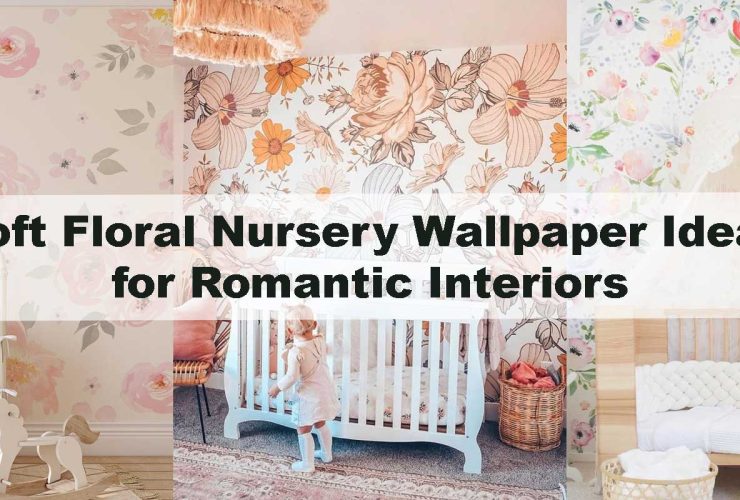
Walls form the largest uninterrupted surface in a nursery, making them critical to visual comfort. Babies gradually learn to process contrast, depth, and rhythm, which means harsh transitions or overly flat surfaces can feel unsettling. While paint offers simplicity, it often lacks the gentle variation that helps a space feel complete. Thoughtfully chosen Nursery Wallpaper brings softness and continuity, helping the room feel emotionally grounded from the earliest weeks.
Visual Rhythm and Emotional Calm
Painted walls rely on a single color to create mood, which can feel soothing but sometimes unfinished. Wallpaper introduces slow-moving visual rhythm through spaced motifs and muted tones that feel predictable rather than distracting. This gentle repetition supports emotional regulation, especially during quiet moments like feeding and winding down for sleep.
Avoiding Overstimulation Through Wall Design
Overstimulation often comes from sharp contrasts and visual clutter rather than pattern itself. Subtle wallpaper designs prevent parents from over-accessorizing, which aligns closely with the principles discussed in How to Avoid Overstimulation When Designing a Nursery Feature Wall. Paint, by contrast, often encourages adding wall art or decals that unintentionally increase visual noise.
Wallpaper in Baby Rooms: Why It Feels More Supportive
Wallpaper has quietly transformed from bold statement décor into a gentle design tool perfectly suited for baby rooms. Modern nursery wallpaper prioritizes emotional warmth, visual rhythm, and adaptability rather than loud themes or heavy contrast. Instead of dominating the space, wallpaper works subtly in the background, shaping how the room feels throughout the day. This makes it especially supportive for babies who rely on visual consistency to feel secure.
Built-In Depth Without Visual Chaos
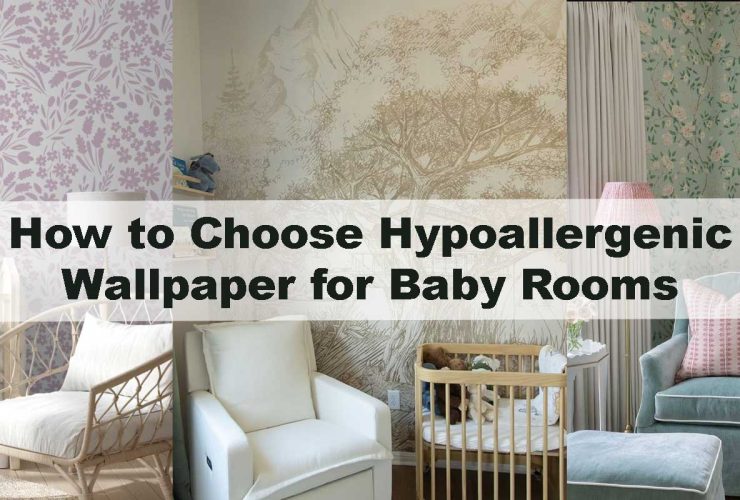
Wallpaper adds dimension in a way that feels calm rather than attention-seeking. Soft illustrations, layered neutrals, and nature-led motifs introduce gentle movement that the eye can rest on without becoming overstimulated. Designs like Woodland Nursery Wallpaper offer organic flow inspired by natural environments, which feel instinctively familiar and comforting to babies. This kind of visual depth supports quiet alertness during play and emotional ease during rest.
A Design That Grows With Your Child
One of the strongest advantages of wallpaper is its longevity. Rather than locking the room into a newborn-only look, well-chosen designs remain relevant through toddler years and beyond. Neutral Nursery Wallpaper works especially well for this purpose, allowing furniture, toys, and textiles to evolve without clashing with the walls.
Fewer Decorative Additions Needed
Wallpaper carries visual interest directly on the wall, which naturally reduces the need for added décor. Parents often find they need fewer frames, decals, or hanging elements to make the room feel complete. This restraint keeps the nursery visually calm and easier to maintain, supporting a cleaner sensory environment while still feeling warm and intentionally designed.
Paint in Baby Rooms: Strengths and Practical Limits
Paint remains a familiar and accessible choice for nurseries, especially for parents drawn to minimal interiors or short-term solutions. While it offers simplicity, its limitations become more noticeable when the goal is emotional comfort and long-term visual balance. In baby rooms, what paint leaves out often needs to be added back in through styling.
Clean Simplicity With Limited Expression
Paint delivers a smooth, uninterrupted surface that can feel calm at first glance. Soft neutrals and pastels are commonly chosen to avoid overstimulation, yet without texture or visual variation, walls can feel flat or unfinished. Many parents respond by layering décor for warmth, which can unintentionally introduce visual noise rather than calm.
Greater Dependence on Styling Choices
Painted nurseries rely heavily on accessories to communicate personality and mood. Shelves, framed prints, wall decals, and hanging décor become necessary to prevent the room from feeling sterile. Wallpaper integrates character directly into the wall surface, simplifying the design process and reducing reliance on added elements that can clutter the visual field.
Wear, Marks, and Visual Aging
Nursery walls experience constant contact as routines evolve. Paint tends to show scuffs, fingerprints, fading, and uneven touch-ups more clearly over time. Wallpaper patterns naturally disguise minor wear, allowing the room to maintain a balanced appearance longer without frequent maintenance. This durability makes wallpaper a more forgiving and visually consistent option in active baby spaces.
Wallpaper vs Paint in Baby Rooms: Side-by-Side Comparison
| Design Aspect | Wallpaper | Paint |
|---|---|---|
| Visual depth | Soft, layered, calming | Flat and uniform |
| Sensory comfort | Predictable, soothing | Depends on décor |
| Longevity | Grows with the child | Often repainted |
| Décor dependency | Minimal | High |
| Emotional warmth | Built-in | Added later |
Supporting Sleep and Daily Routines Through Wall Choices
Nursery walls quietly influence how a baby experiences time throughout the day. Because babies rely on environmental cues rather than clocks, visual consistency becomes part of how routines are learned and reinforced. When wall design remains calm and predictable, it supports smoother transitions between play, feeding, and rest. In this way, wall choices become an active contributor to daily rhythm rather than a purely decorative element.
Gentle Transitions Into Sleep
As daylight fades, babies respond instinctively to changes in visual energy. Wallpaper with slow-moving patterns, soft imagery, and muted tones helps the room feel settled during evening hours. These designs reduce visual contrast and create a sense of continuity that signals winding down, closely reflecting the principles outlined in Best Nursery Wall Murals for Gentle Bedtime Routines. Painted walls can feel sharper under artificial lighting and often rely on layered lamps, textiles, and décor to achieve the same calming effect, making wallpaper a more naturally supportive option for bedtime environments.
Creating Focus Without Overwhelm
Wallpaper allows parents to define functional areas—such as crib zones, feeding corners, or quiet reading spaces—without introducing visual disruption. A single feature wall gently anchors attention while the rest of the room remains visually calm. Paint typically requires accent colors, artwork, or accessories to establish similar zones, which can fragment the space and increase stimulation. Wallpaper achieves focus through softness rather than contrast, helping the room feel organized, restful, and emotionally coherent.
Style Flexibility Across Nursery Themes
One of wallpaper’s greatest strengths is its ability to adapt to different nursery personalities without disrupting visual calm. Rather than forcing a room into a rigid theme, wallpaper supports mood-led styling that feels soft, balanced, and emotionally safe. Whether parents lean toward nature, gentle imagination, or timeless simplicity, wallpaper allows expression without introducing overstimulation. This flexibility makes it easier to design a nursery that feels intentional now and remains relevant as the child grows.
Nature-Led Calm and Familiarity
Nature-inspired designs feel instinctively reassuring to babies because they echo environments the human brain already associates with safety and rhythm. Woodland Nursery Wallpaper introduces organic movement through soft trees, open spacing, and earthy tones that mirror the outdoors without becoming literal or story-driven. This natural flow feels grounding rather than distracting, helping the nursery maintain a calm, steady atmosphere throughout the day. Unlike painted walls that rely on accessories to evoke nature, wallpaper builds this connection directly into the space.
Curiosity Without Loud Visuals
Imagination in a nursery does not need bold colors or sharp contrasts to feel engaging. For parents seeking gentle wonder, Space Nursery Wallpaper offers curiosity through open compositions, softened celestial forms, and muted palettes that invite quiet exploration. These designs spark interest without demanding attention, allowing babies to observe rather than react. Paint alone struggles to achieve this balance, often requiring strong accent colors or graphic elements that can quickly tip into visual noise.
Personalization That Evolves Naturally
Wallpaper provides a flexible foundation that adapts gracefully as a child’s personality and interests develop. Instead of locking the room into a specific age or theme, subtle patterns remain relevant through changing stages of childhood. Furniture, textiles, and accessories can shift over time without clashing with the walls. This ability to evolve naturally is what makes wallpaper feel timeless, while themed paint schemes often feel outgrown far more quickly.
Installation, Flexibility, and Long-Term Planning
For many parents, the biggest hesitation around wallpaper is commitment. However, modern nursery wallpaper is designed with flexibility in mind, making it far less permanent or intimidating than it once was. When approached thoughtfully, wallpaper becomes a strategic design choice that supports both present needs and future changes. Rather than limiting options, it often offers more control over how a nursery evolves over time.
Updating Without Redesigning Everything
Feature walls make it easy to refresh a nursery without reworking the entire space. By concentrating wallpaper on a single wall, parents can update the room’s look as the child grows while keeping the overall layout intact. Compared to repainting multiple coats across all walls, changing one wallpapered surface feels more deliberate and less disruptive. This approach allows the nursery to evolve in stages, supporting both practicality and emotional continuity.
Planning for Growth, Not Just the Newborn Stage
Wallpaper encourages parents to think beyond the earliest months. Subtle patterns and timeless palettes reduce the pressure to redecorate as soon as tastes change or milestones pass. Instead of reacting to each new phase, the room remains visually relevant while furniture, textiles, and accessories adapt naturally. This long-term perspective often leads to fewer redesigns and a more cohesive home environment overall.
When Paint Still Makes Sense
Paint remains a sensible option for temporary spaces, rentals, or rooms with strict change limitations. In these cases, thoughtful layout choices become even more important to maintain visual calm. Pairing painted walls with the calming balance principles discussed in Tips for Matching Nursery Wallpaper With Existing Furniture helps prevent the space from feeling flat or unfinished. Even when wallpaper use is limited, borrowing its design logic can improve how a painted nursery feels and functions.
Final Thoughts on Wallpaper vs Paint in Baby Rooms
Wallpaper vs paint in baby rooms is ultimately a decision about emotional support, longevity, and ease of design. Paint offers simplicity, but wallpaper delivers warmth, depth, and sensory balance that better aligns with how babies experience space. With thoughtful patterns and soft palettes, wallpaper creates nurseries that feel calm today and adaptable tomorrow. For parents seeking a room that supports routines, growth, and visual comfort, wallpaper remains the more nurturing choice.
Frequently Asked Questions
Is wallpaper safe for baby rooms?
Yes, wallpaper is safe for baby rooms when you choose designs created specifically for nursery environments. Soft patterns, low-contrast colors, and calm compositions support visual comfort without overstimulation. Many parents prefer wallpaper because it reduces the need for extra décor, keeping the space visually balanced and emotionally soothing.
Can wallpaper feel too busy for a nursery?
Wallpaper only feels busy when patterns are dense, high-contrast, or overly themed. Calm nursery wallpaper uses spaced motifs, muted tones, and gentle flow that feels predictable rather than distracting. When chosen thoughtfully, wallpaper is often more calming than painted walls filled with added art and accessories.
Is paint better for small baby rooms?
Paint can work in small baby rooms, but it may feel flat without added warmth. Wallpaper often performs better in compact spaces because it adds depth and softness without requiring multiple decorative elements. Light-toned, open-pattern wallpaper can actually make small nurseries feel more complete and emotionally comfortable.
Which lasts longer in a nursery, wallpaper or paint?
Wallpaper generally lasts longer in nurseries because patterns help disguise minor wear and marks. Painted walls tend to show scuffs, fading, and patchwork touch-ups more clearly over time. Wallpaper also adapts better as children grow, reducing the need for frequent redesigns.
Can I use wallpaper on just one wall in a baby room?
Absolutely. A single wallpaper feature wall is often ideal for nurseries. It creates focus and character without overwhelming the room, while surrounding walls remain calm and neutral. This approach supports visual balance and works especially well behind cribs or reading corners.
Does wallpaper help with calming bedtime routines?
Yes, calm wallpaper designs support smoother bedtime transitions by creating a predictable and soothing visual environment. Gentle patterns help signal rest without demanding attention, especially under warm evening lighting. Paint usually requires additional styling to achieve the same calming effect.